Author Archives: Emilee Lance

Context Matters in Physics Education

Education research is a budding scientific field of study which seeks to explore the interactions between learning processes, human attributes and institutional structures that influence a student’s receptiveness or enjoyment of a given subject. Here at OSU, researchers in the Department of Physics recognize the under-representation of diverse identities in their field and working to uncover the underlying causes of this. Turns out that the context of class questions and an individual’s gender expression may play a role.

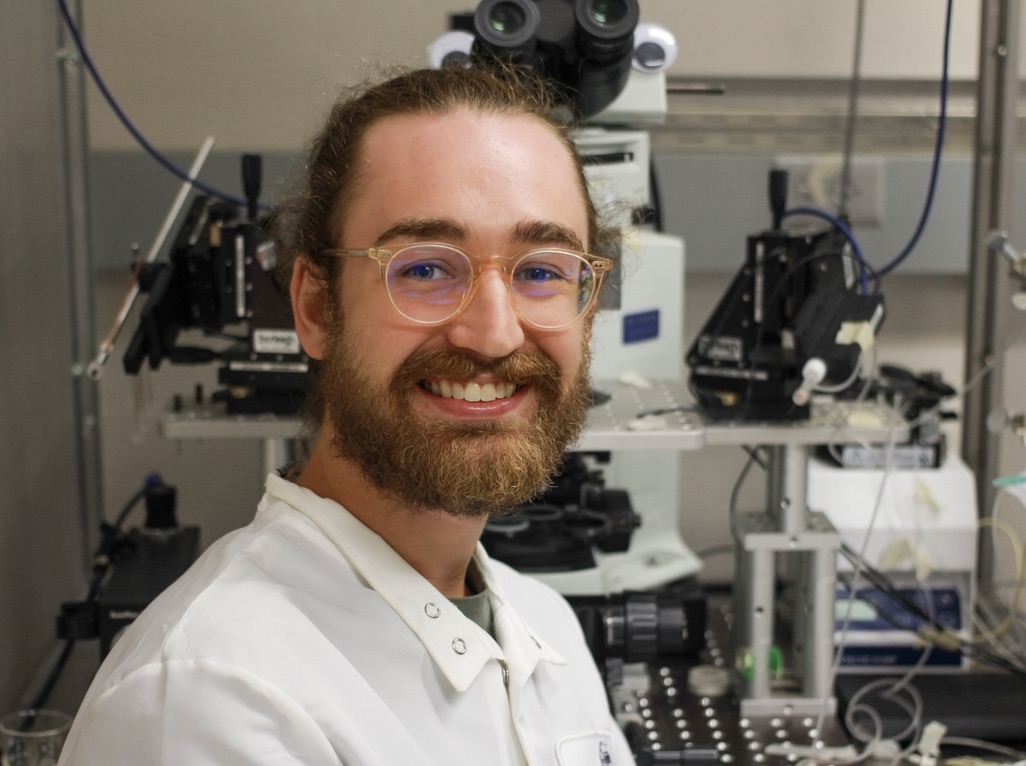
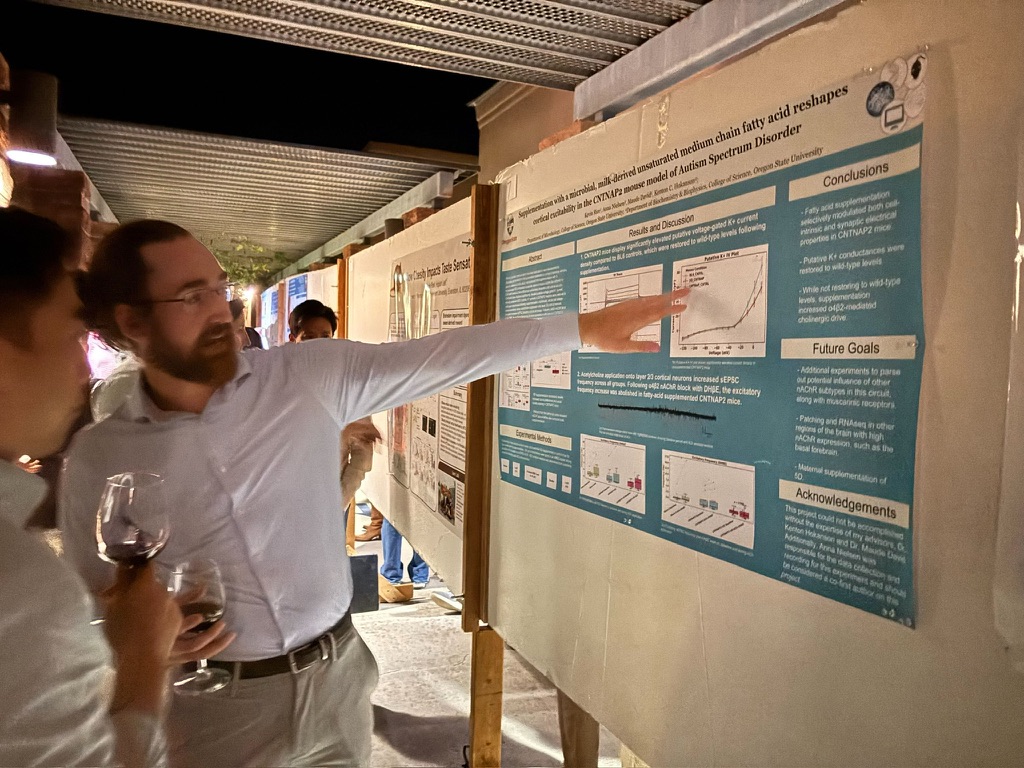
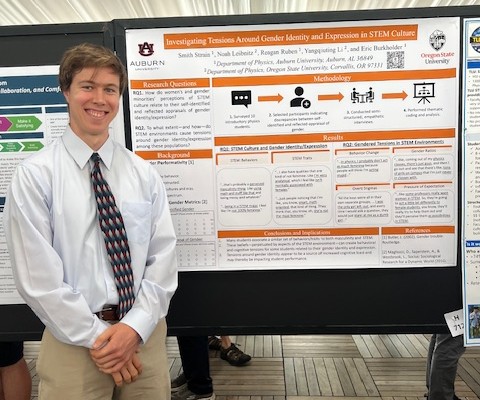
Our guest this week is Noah Leibnitz, a 4th year Ph.D. candidate in the Department of Physics. Advised by Dr. Doris Li, Noah conducts research on physics education. His two projects here at OSU are centered around a single idea: student retention in the physics discipline. Noah is conducting pioneering research to understand what aspects of physics education act as barriers and deterrents for students and their interest in physics. Early on in his graduate education Noah realized that he enjoyed engaging with others much more than he enjoyed working with equipment which has led him to a research career that balances his interests in physics, conversational research, and teaching.

Tune in this Sunday, May 3rd @7pm to hear Noah talk about what it’s like to conduct interviews as part of his research and describe the intricacies of designing problems that are not only challenging, but interesting to solve as well.

A pear a day keeps the doctor…wishing for pear varieties with better rooting abilities

Imagine you are in the produce section of the grocery store picking out your fruit for the week, and you remember the apple marketing slogan “an apple a day keeps the doctor away”. Once you make your way over to the apples, you are almost guaranteed to find a variety that fits your preference for taste and texture. These varieties are only made possible because of grafting techniques, a method for combining and reproducing desirable traits in fruit trees. Pear cultivation uses similar techniques, but producing desirable traits such as dwarfing, that apples so readily display remains a challenge in pear cultivation. This is why the selection of pear varieties is so dwarfed (pun intended) compared to that of apples.

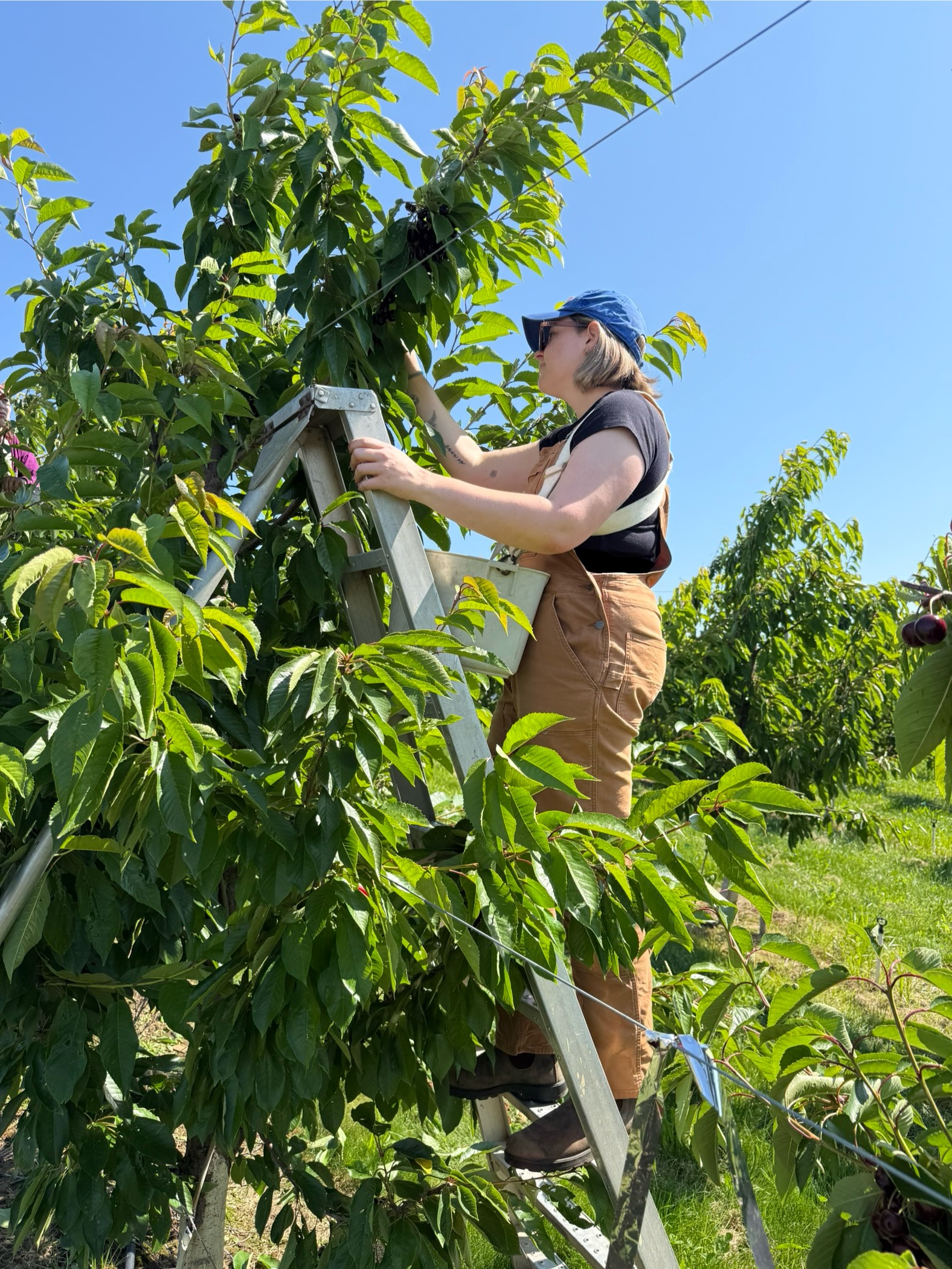
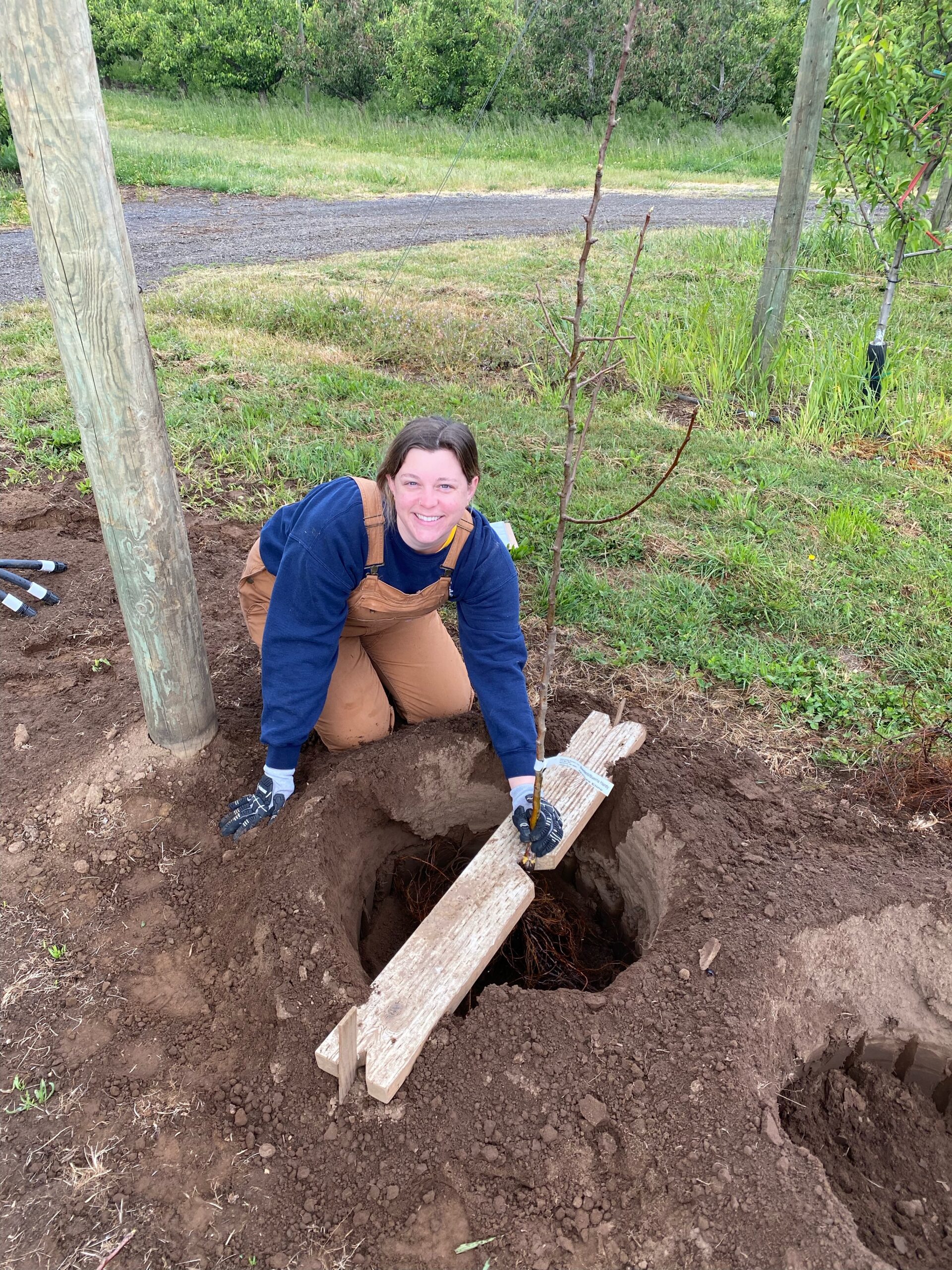
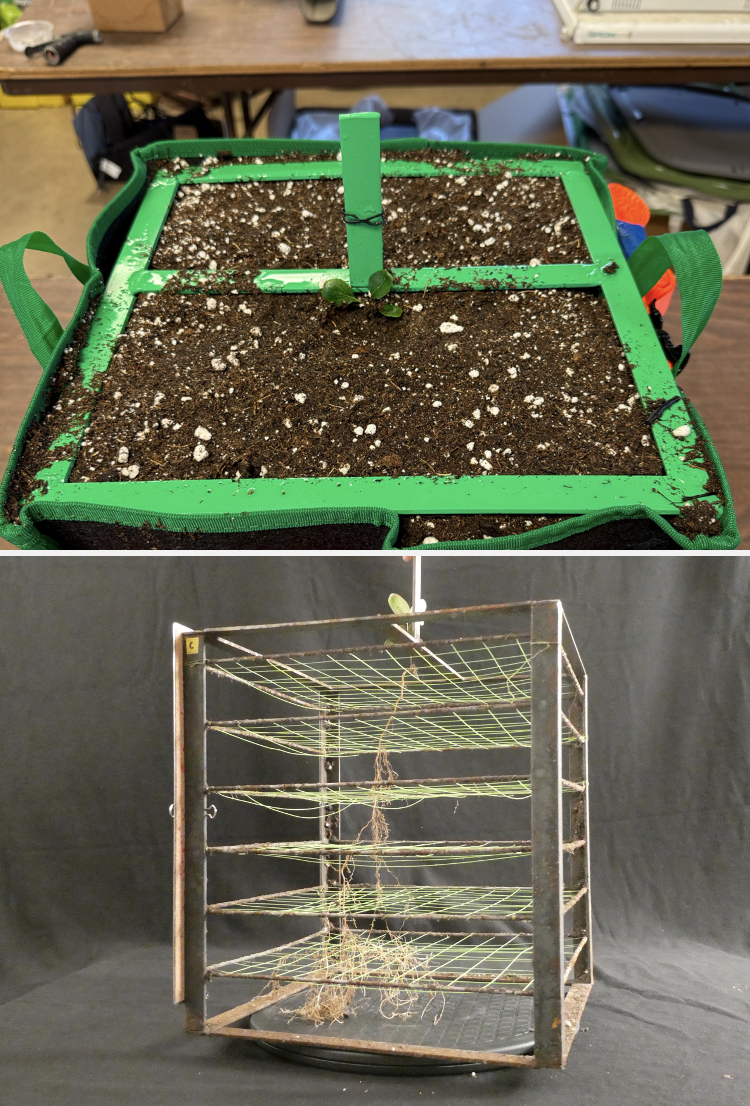
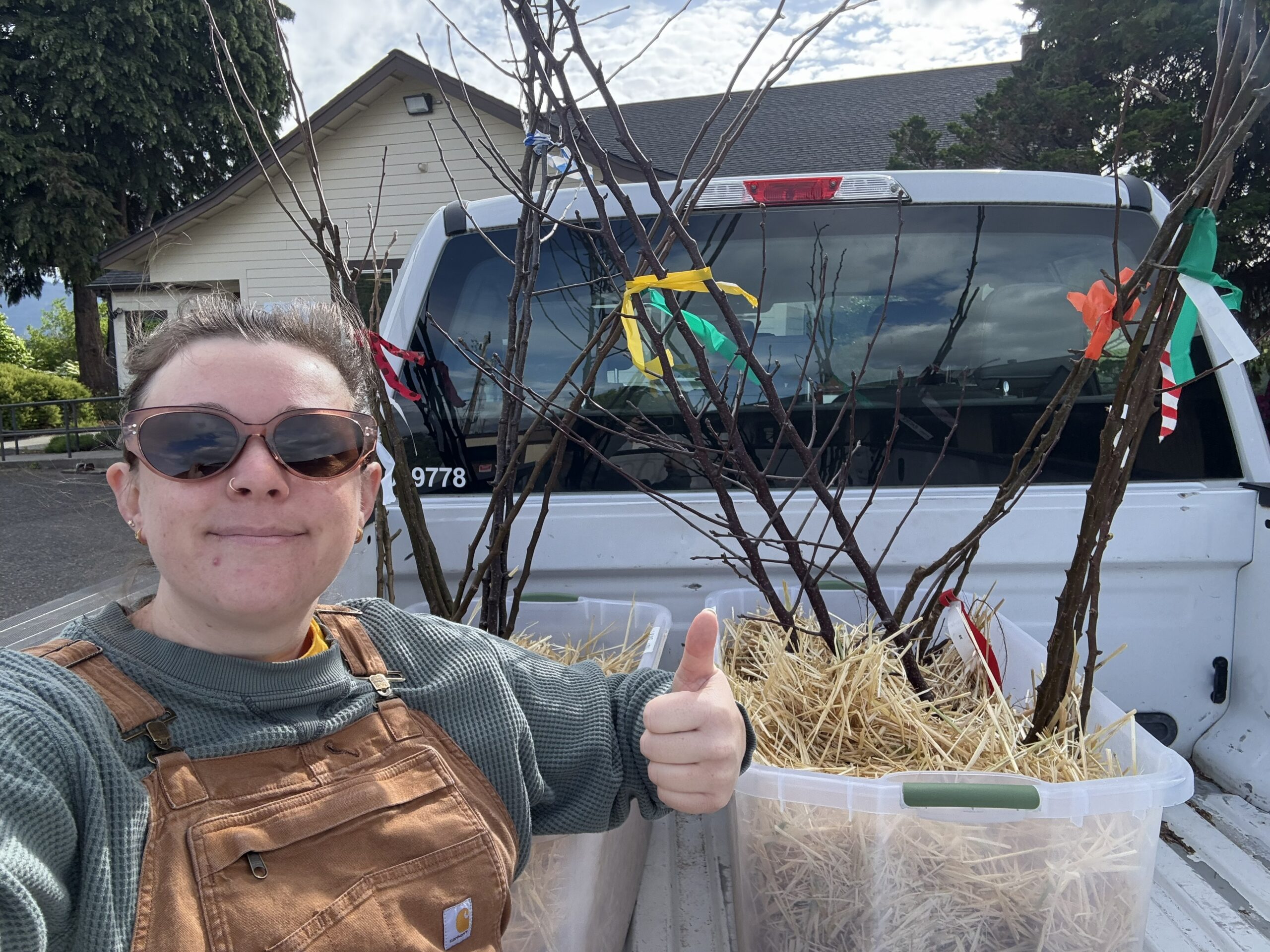
This week on the show we are joined by Claire Pierce, a 2nd year master’s student in the Department of Horticulture. Claire is co-advised by Kelsey Galimba (OSU) and Jessica Waite (USDA-ARS), and conducts her research at the Hood River Research Station. The long-term goal of Claire’s research is to diversify the available rootstocks used in the pear industry and improve yield for agricultural pear cultivation. The first step is to find compatible rootstocks (the base of the plant) and scions (the top of the plant) that exhibit dwarfing characteristics, something that is limited in the current pear industry. The next step is developing root structure phenotype characterization methods; a classically tricky task to accomplish due to the roots being hidden underground and all that.

Tune into KBVR 88.7 FM at 7:00 pm PST on April 12th to hear Claire talk about how she is overcoming these challenges and gaining valuable experience along the way. Claire’s story is one filled with moments of being in the right place at the right time and leaning into making connections. If you want to see more pictures of Claire’s work and follow her through her field season this year, check out the Galimba Pear and Cherry Research Lab Instagram account @galimbalabosu.

Entering Tsunami Hazard Zone

Look out the window of a car driving along Oregon’s coastal highway 101 and you will see many roadside signs indicating the boundaries of the coastal tsunami zone. Natural phenomena can cause massive amounts of damage to the communities that happen to lie in their paths, the effects of which can last days, months, and even years beyond the actual event. In the wake of disaster, people are often unable to access necessary resources or are left stranded waiting for help. Community design and engineering don’t always take into account the personal lived needs of those within the community, therefore a human centered approach is needed to compliment quantitative disaster projections and more accurately predict the most effective plan for community recovery.

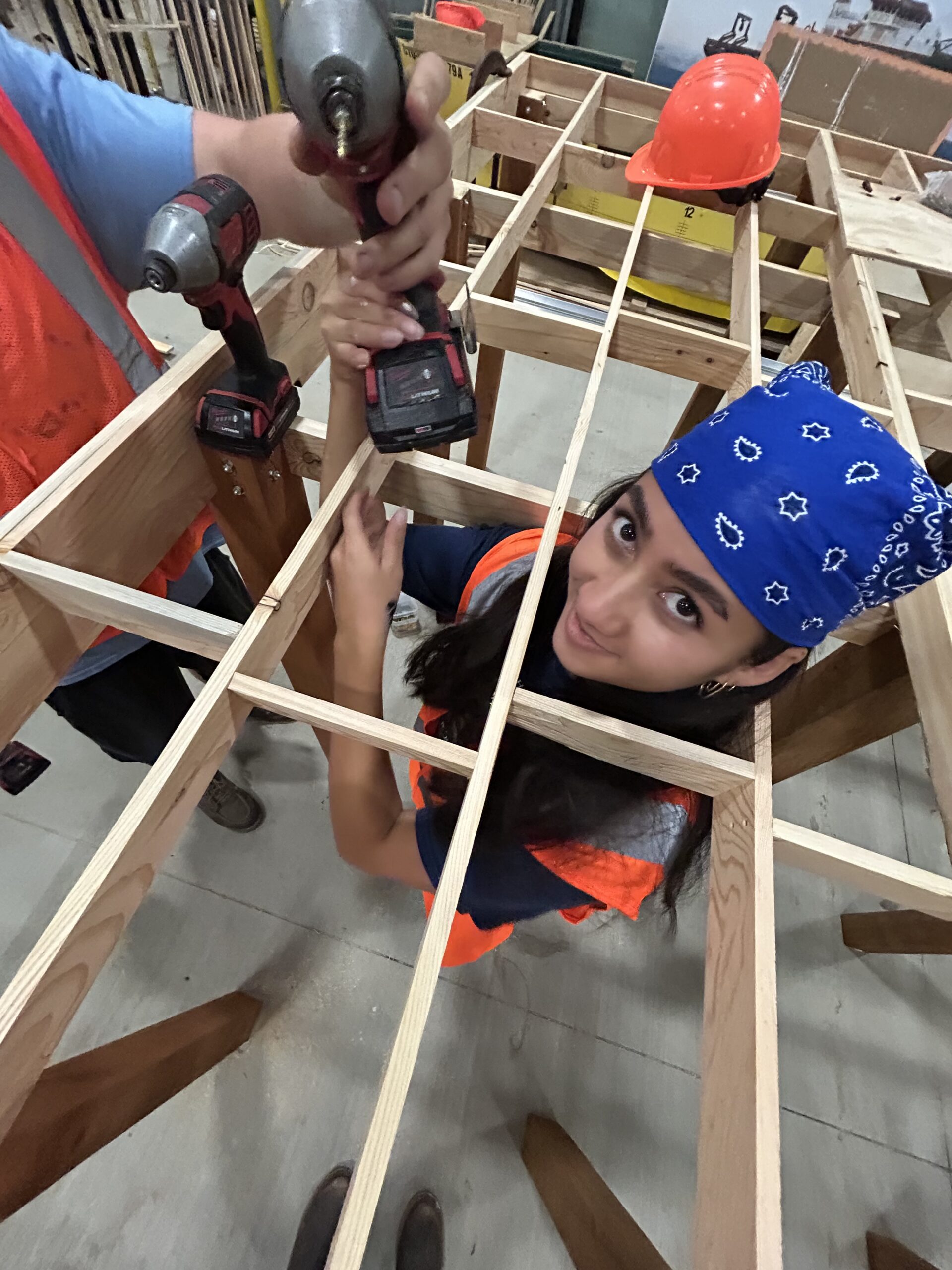
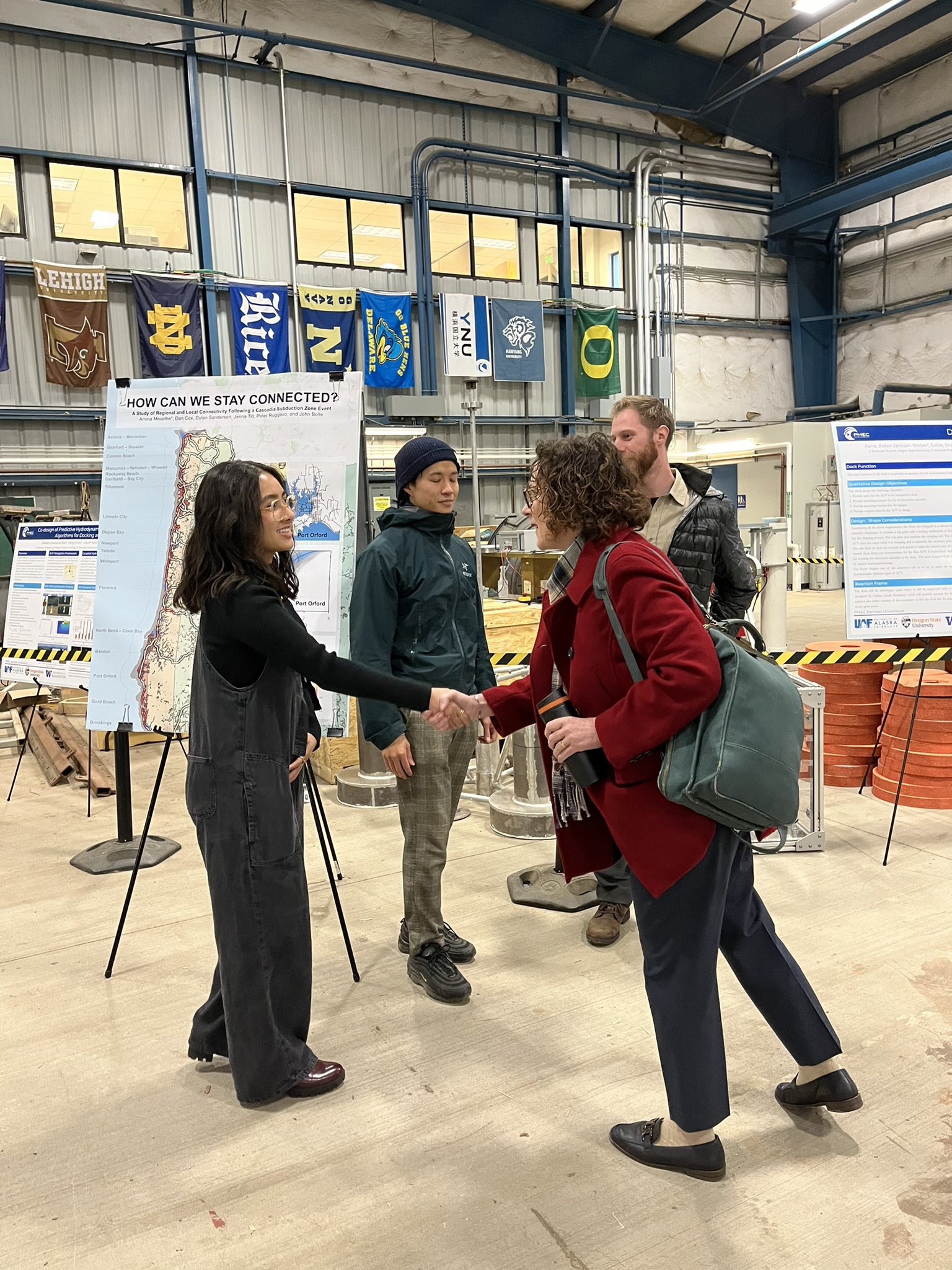
This is where engineering and social science collide. Our guest this week is Amina Meselhe, a 2nd year PhD student in the School of Civil and Construction Engineering. Amina’s current PhD project involves simulating the damage and recovery trajectories for the Cascadia Subduction Zone in the event of a tsunami. Her self-described research goal is to “create tangible outcomes for people to hold onto”. Her acute awareness for disaster preparedness comes from the fact that she grew up in Louisiana seeing the damage that hurricanes can cause and the lasting effects they have on people.

Tune into KBVR 88.7 FM at 7:00 pm PST on March 8th to hear Amina talk about what she is doing to improve the preparedness of communities along the Oregon coast, the research methods used by engineers to incorporate social science into their designs, and why “natural disaster” is a taboo term in the field.

An expert on experts!

How do you identify “an expert”? The answer to this question is more complex than you might think. Most of us might think of people with multiple degrees or extensive experience in a specific field as experts. However, as our guest this week is discovering, experts can be people with passion, people with connections or people with specific job titles. Recognizing the enacted and relationally valued characteristics of an expert is essential to creating systems where experts that reflect a community’s ideas and values are the ones making the decisions. One example is the community of people around and connected to the Puget Sound watershed region and the jurisdiction of the Puget Sound Partnership: an area spanning 12 counties and 28 recognized Tribal Nations. Large restoration efforts are underway to restore Puget Sound and prime the ecosystem for climate adaptation. These efforts hinge on not just access to climate adaptation knowledge, but who is recognized to apply such knowledge and the social structures to shape its uptake.

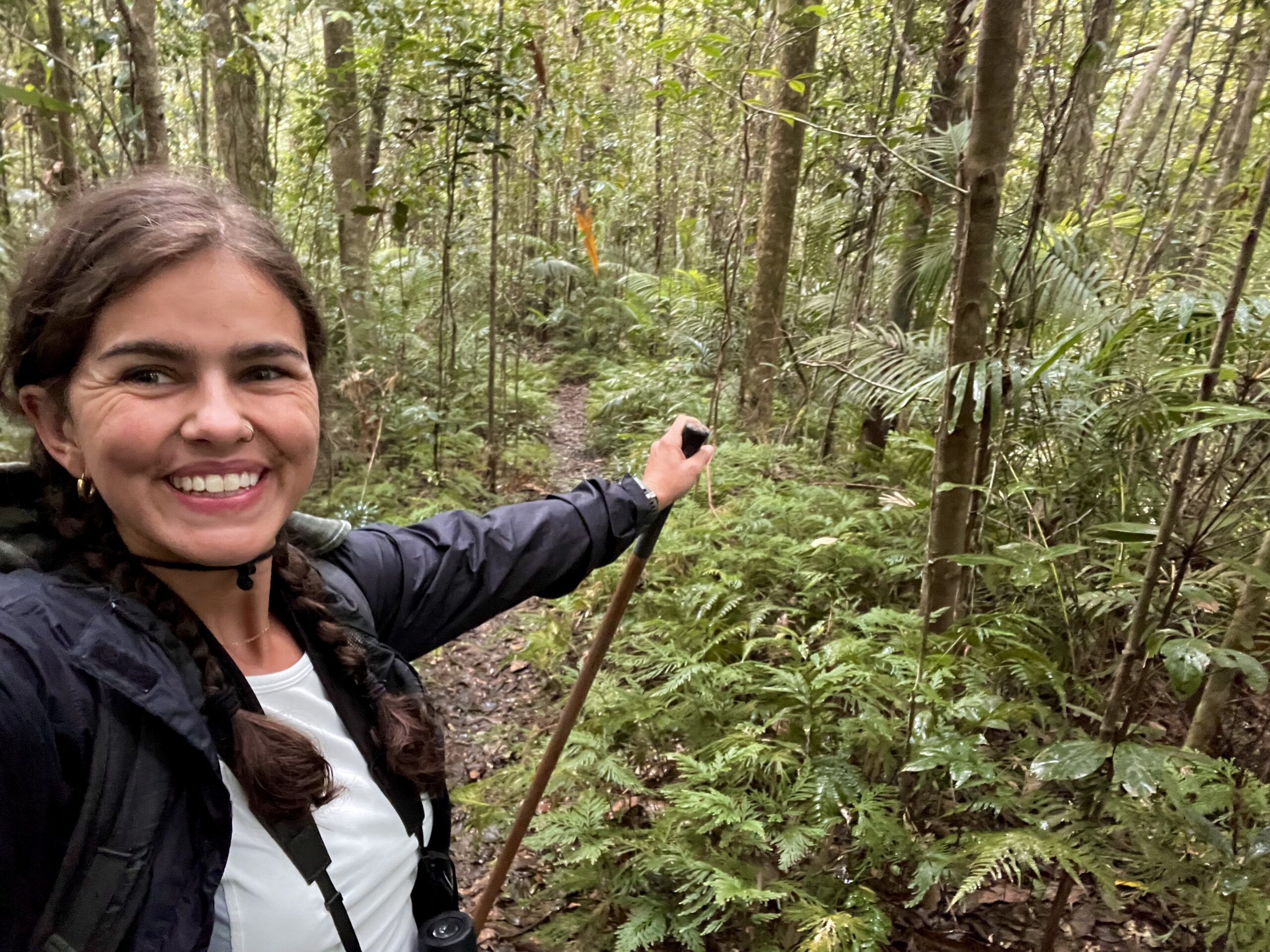
Our guest this week is Krista Harrington, a 4th year PhD Candidate in the Department of Fisheries, Wildlife, and Conservation Sciences. Krista utilizes political ecology and science, technology, and society theory in environmental natural resource management. During her Bachelor’s degree, Master’s degree and time spent working in wildlife conversation, she kept asking herself “who are we going to for expertise?”. This question ultimately shaped the path of her PhD work and is how she is contributing to restoring Puget Sound.

Tune into 88.7 KBVR Corvallis this Sunday (Nov. 23rd) @ 7pm to hear Krista explain her approach to understanding how the Puget Sound community defines what an expert looks like and how they are developing effective pathways for expert integration into climate adaptation strategies.

Under the Bodhi Tree: Stories and Science

Have you ever heard of a Bodhi tree (Ficus religiosa)? According to Buddhist history, the Buddha attained enlightenment while meditating under a Bodhi tree. A branch of the original tree was planted in Sri Lanka over 2000 years ago, making it the oldest historical tree in the world today. Clones of this original tree have been planted all over the world in Buddhist Temples and personal gardens. The Hawaiian islands contain an especially high concentration of clones from the apparent sacred lineage. Genomic analysis in the Denver lab can theoretically reveal what trees are descended directly from the original Bodhi tree. But the spread of these trees into an ecosystem from which they did not originate has raised the question as to whether they pose the risk of becoming a harmful invasive species.

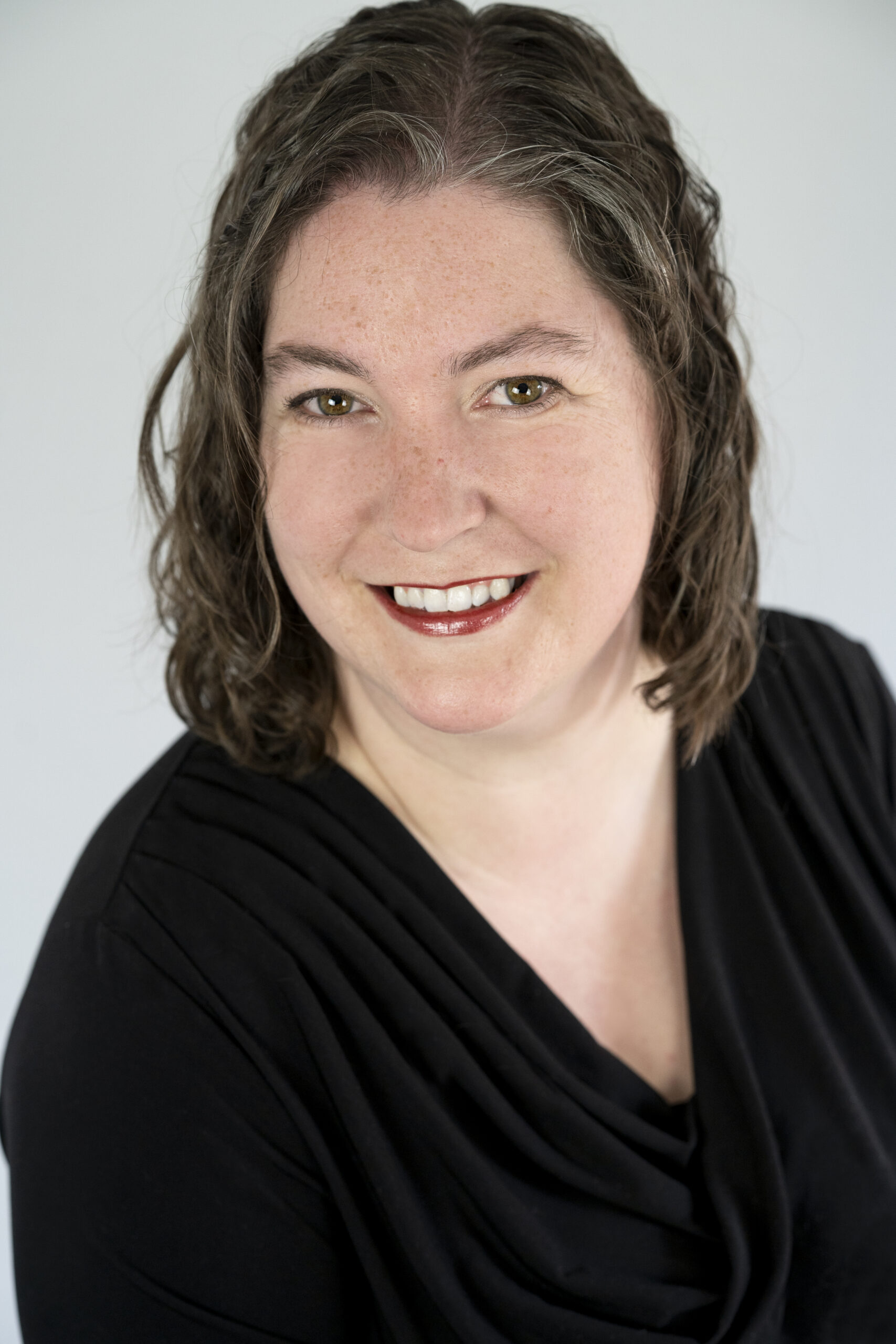
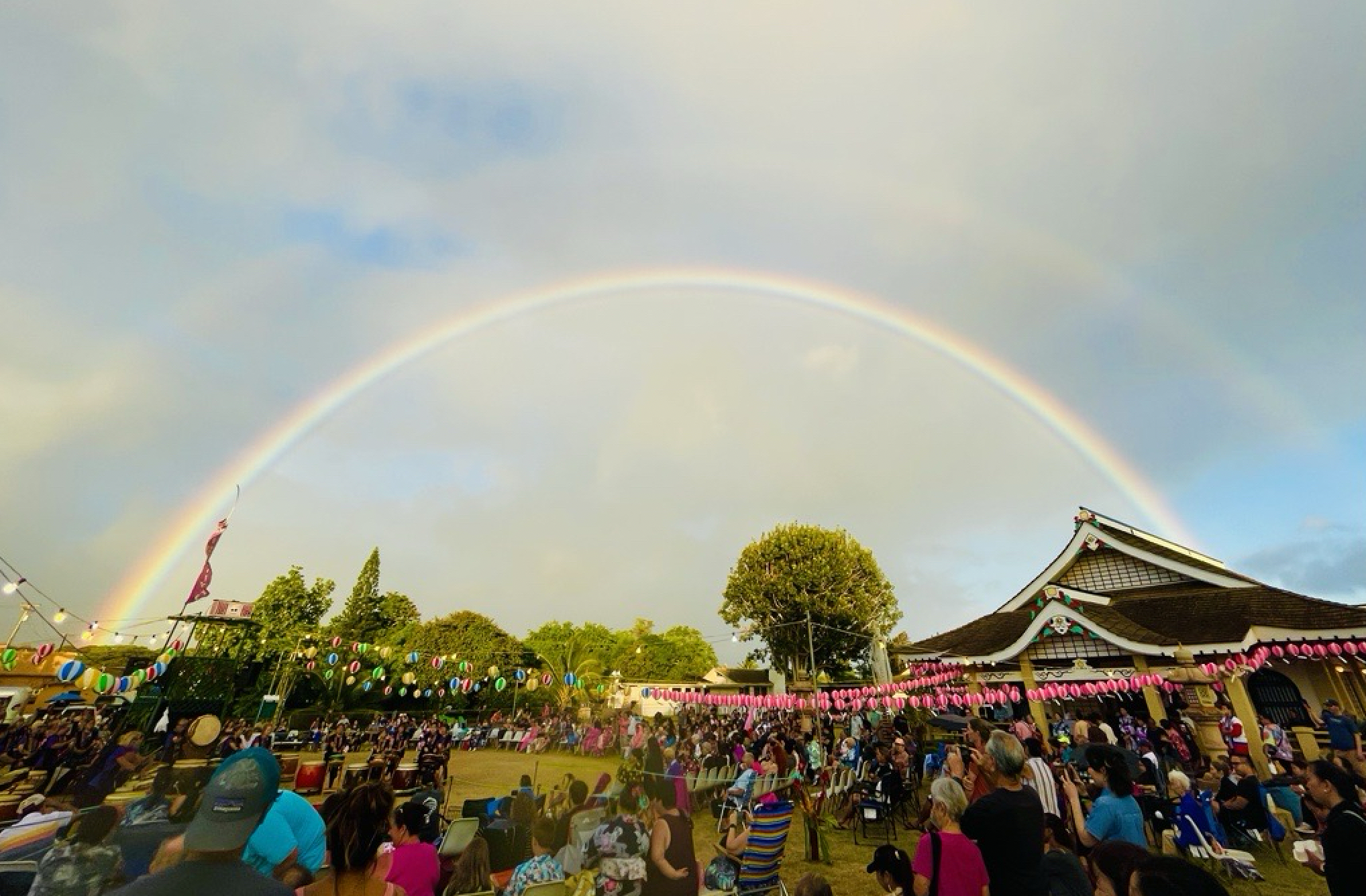
This week on the show, we are joined by Jazlee Crowly, a 4th year PhD student in Integrative Biology whose work is as expansive as the Bodhi tree’s canopy. Using a transdisciplinary approach, a “purposely border-breaking” method, Jazlee weaves together botanical history, community memory, and genomic methods to explore the roles these trees play in Hawaiian ethnic and botanical landscapes. Jazlee’s work is conducted by invitation from local groups, particularly the Japanese-Buddhist community of the Kaua’i Soto Zen Temple Zenshuji. Jazlee conducts her field work during the annual Obon period, the Japanese celebration of ancestral spirits, and gives her time to helping with the celebration as a way of giving back to the people and places that steward these living lineages.

Tune into KBVR 88.7 FM at 6:30 pm PST on November 2nd to hear Jazlee explain the spiritual and ecological role that the Bodhi tree plays on the Hawaiian islands.