Context Matters in Physics Education

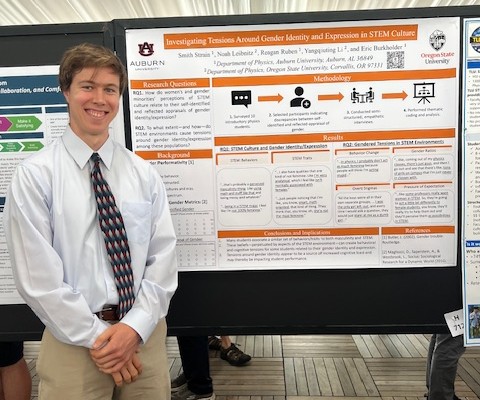
Education research is a budding scientific field of study which seeks to explore the interactions between learning processes, human attributes and institutional structures that influence a student’s receptiveness or enjoyment of a given subject. Here at OSU, researchers in the Department of Physics recognize the under-representation of diverse identities in their field and working to uncover the underlying causes of this. Turns out that the context of class questions and an individual’s gender expression may play a role.

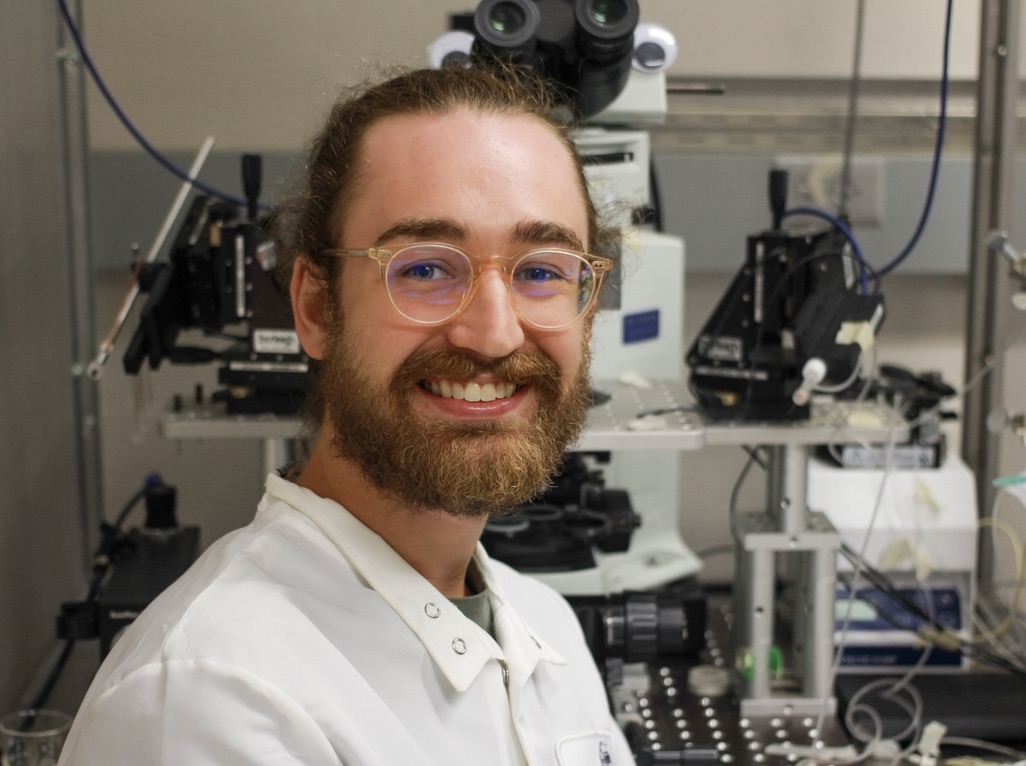
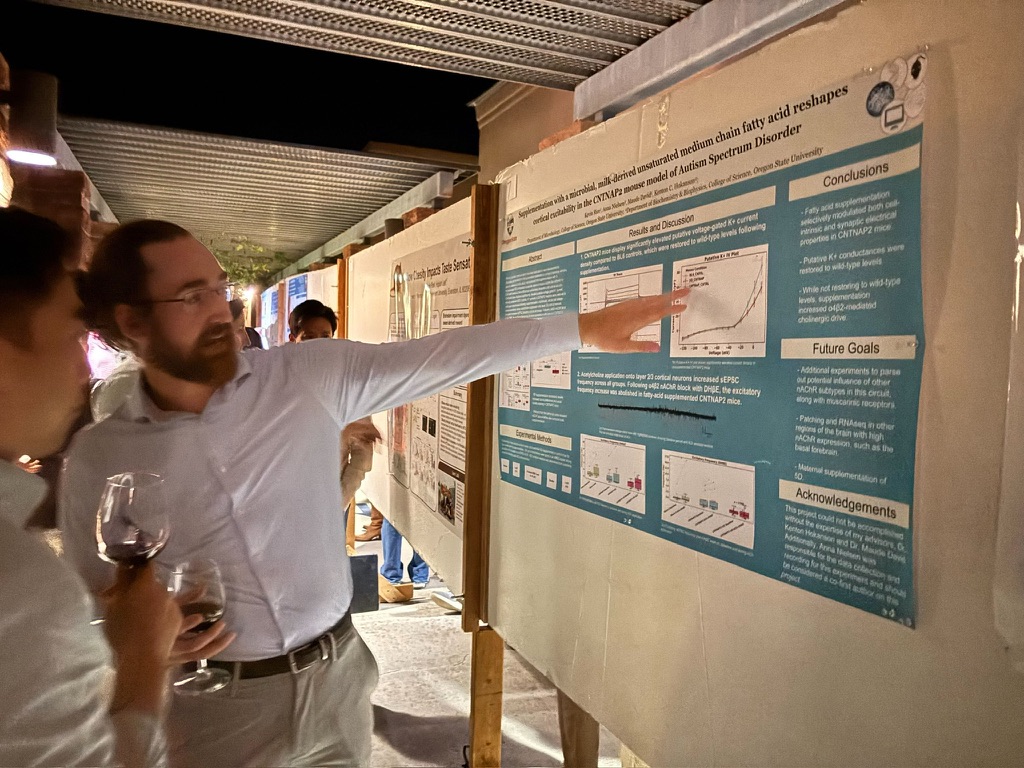
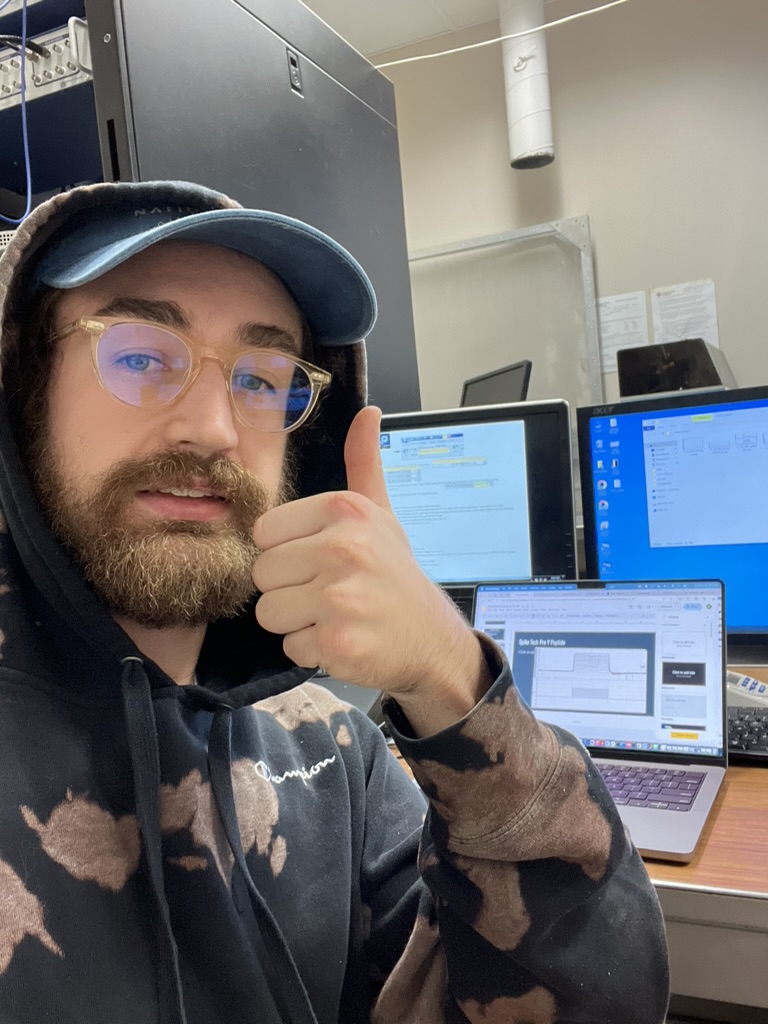
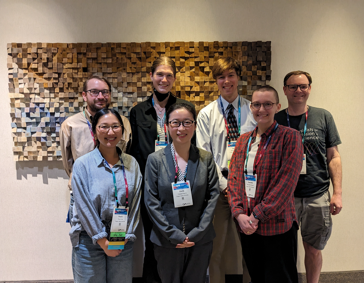
Our guest this week is Noah Leibnitz, a 4th year Ph.D. candidate in the Department of Physics. Advised by Dr. Doris Li, Noah conducts research on physics education. His two projects here at OSU are centered around a single idea: student retention in the physics discipline. Noah is conducting pioneering research to understand what aspects of physics education act as barriers and deterrents for students and their interest in physics. Early on in his graduate education Noah realized that he enjoyed engaging with others much more than he enjoyed working with equipment which has led him to a research career that balances his interests in physics, conversational research, and teaching.

Tune in this Sunday, May 3rd @7pm to hear Noah talk about what it’s like to conduct interviews as part of his research and describe the intricacies of designing problems that are not only challenging, but interesting to solve as well.

Understanding the Vole picture

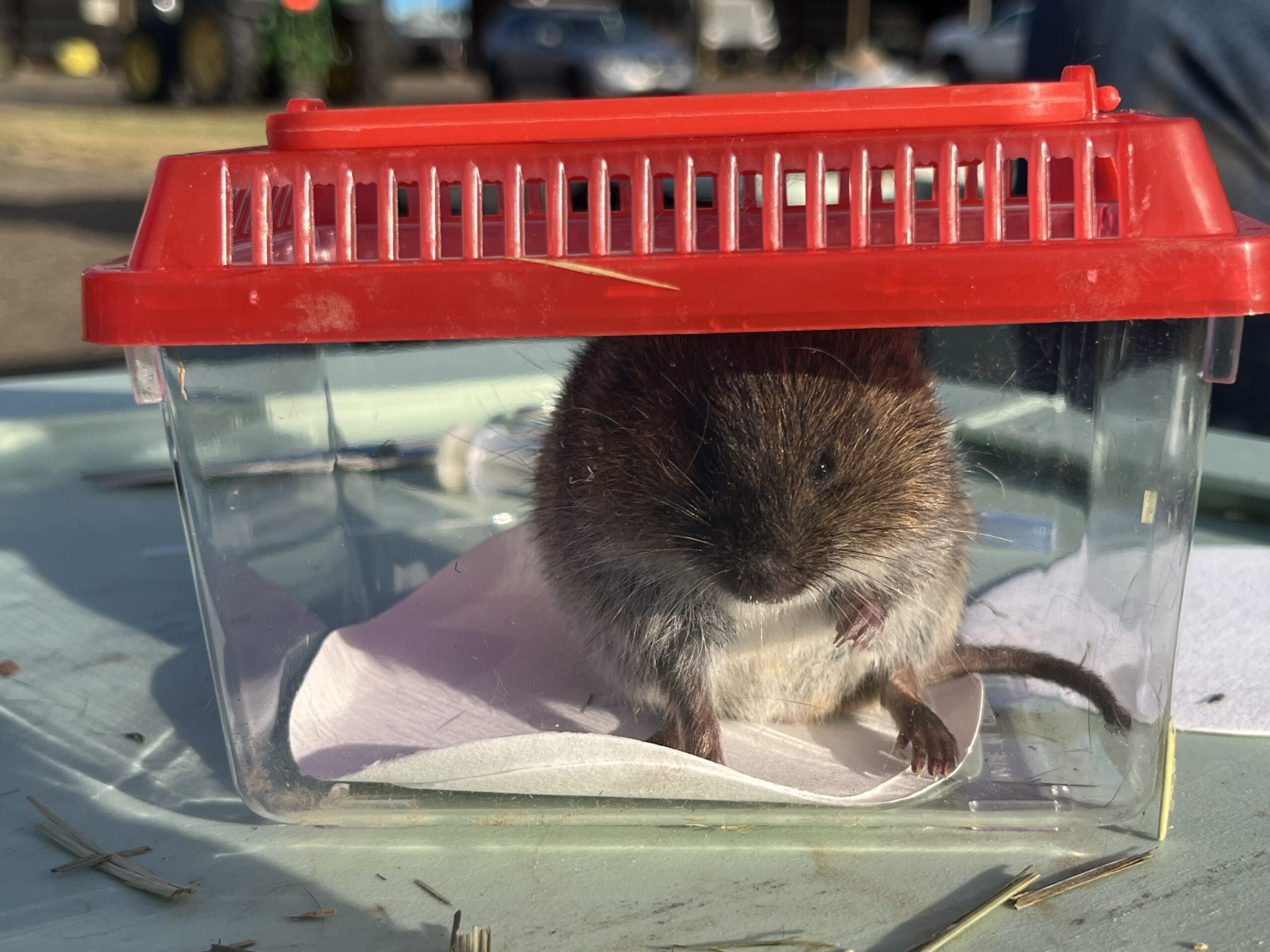
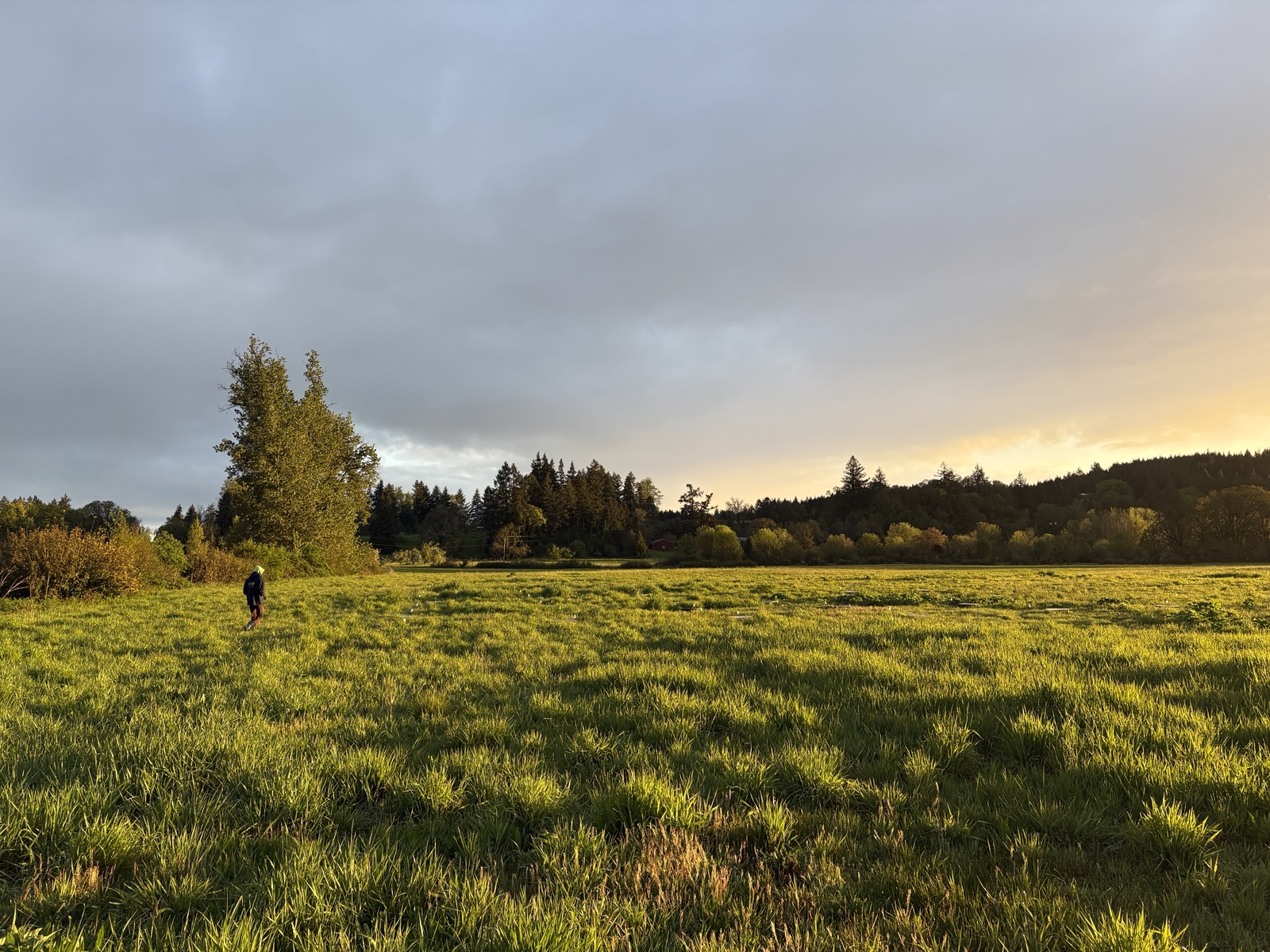
Many wildlife populations experience change over time. For some, this can be defined as “boom” and “bust” periods – cycles of change where population numbers rise and fall. Understanding these can be a major challenge for scientists and wildlife managers, particularly for species who have not historically been monitored. One such species with limited data is the gray-tailed vole, a rodent species endemic to the Willamette Valley.

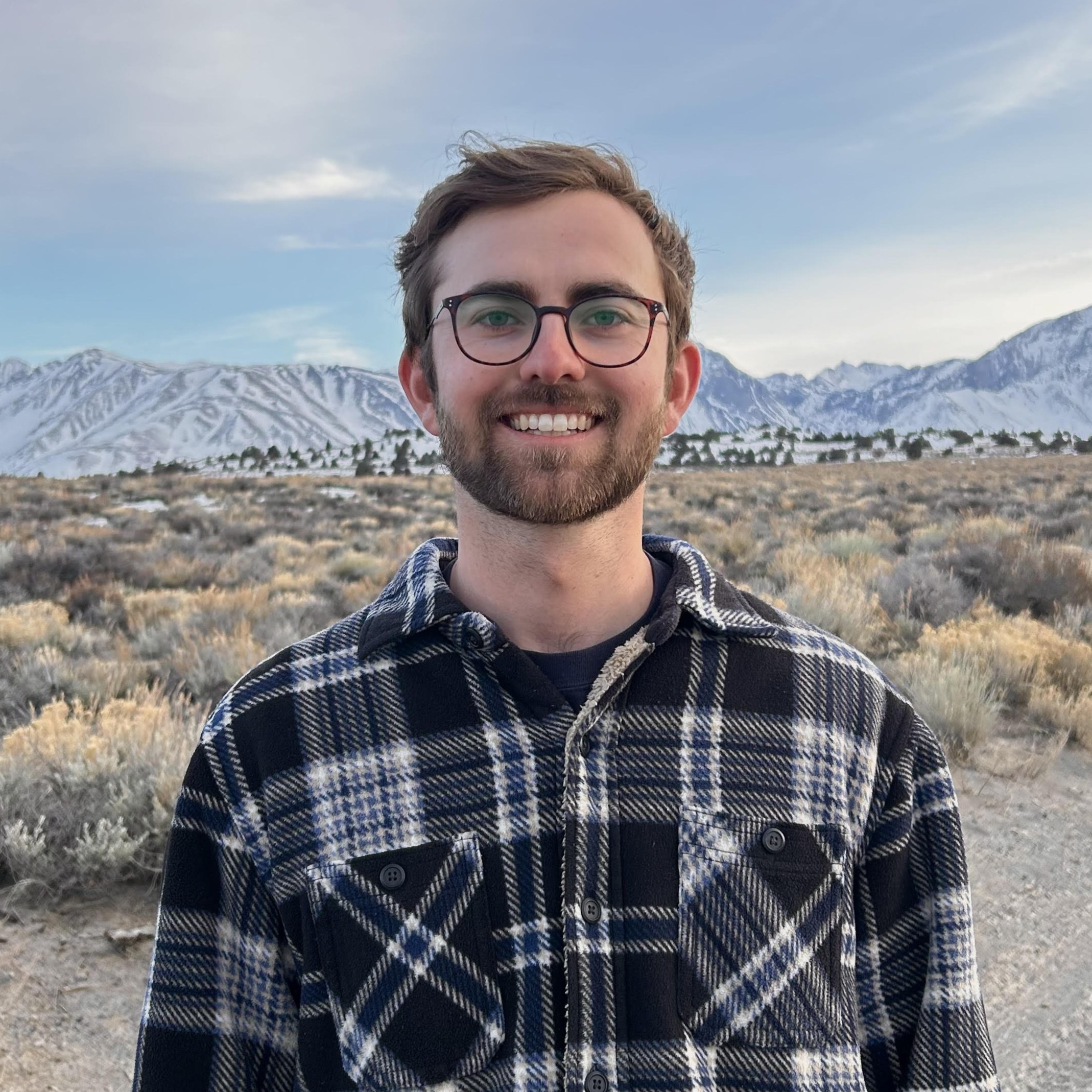
Our guest this week is Austin Nash – a first-year PhD student seeking to better understand and manage the population cycles of gray-tailed voles. His research focuses on how disease and weasel predators may influence vole movement, survival, and reproduction. To do so, Austin is deploying a wide range of methods, including landscape scale genetics, field experiments, establishing a long-term monitoring program, and running population simulation models.

To hear more about Austin’s plans to better understand vole populations in Oregon, as well as his unique array of experiences leading him to OSU and making him the ideal person for the task, tune in to KBVR 88.7FM this Sunday (April 26) at 6:30pm. You can listen to the episode anywhere you listen to your podcasts, including on KBVRSpotifyApple, or anywhere else!

Written by Matthew Vaughan.

It’s a RNA’s World and We’re all Living in it

The central dogma of molecular biology is a theory stating that genetic information flows only in one direction, from DNA, to RNA, to protein. However, since the fundamental theory was developed by Francis Crick in 1958, scientists have discovered several exceptions to the theory. This includes prions and retroviruses. Prions are infectious proteins which replicate without going through DNA or RNA intermediates and are responsible for diseases such as mad cow disease, and Creutzfeldt-Jakob disease. A retrovirus is a virus that uses RNA as its genomic material, rather than DNA. In addition to the expansion of the central dogma, molecular biology has expanded its knowledge of the functionality of RNA beyond producing protein. A non-coding RNA (ncRNA) is an RNA molecule that is not translated into a protein. It is estimated that as much as 80% of the human genome encodes ncRNAs. Many of the newly identified ncRNAs have unknown functions, making it a new and exciting frontier in molecular biology.
This week’s guest is Sanjay Ramprasad, a post-doctoral researcher in the lab of David Hendrix, and recent PhD grad from the department of Biochemistry and Biophysics. Sanjay’s research focuses on using computational techniques to discover new functions and structures of ncRNAs. To hear all about the transition from PhD to post doc, the expansive frontier of RNA biology, and how one goes from the social sciences to biophysics, tune in at 7PM on April 19th to 88.7 FM KBVR Corvallis, or check out the show on our podcast pages.

A pear a day keeps the doctor…wishing for pear varieties with better rooting abilities

Imagine you are in the produce section of the grocery store picking out your fruit for the week, and you remember the apple marketing slogan “an apple a day keeps the doctor away”. Once you make your way over to the apples, you are almost guaranteed to find a variety that fits your preference for taste and texture. These varieties are only made possible because of grafting techniques, a method for combining and reproducing desirable traits in fruit trees. Pear cultivation uses similar techniques, but producing desirable traits such as dwarfing, that apples so readily display remains a challenge in pear cultivation. This is why the selection of pear varieties is so dwarfed (pun intended) compared to that of apples.

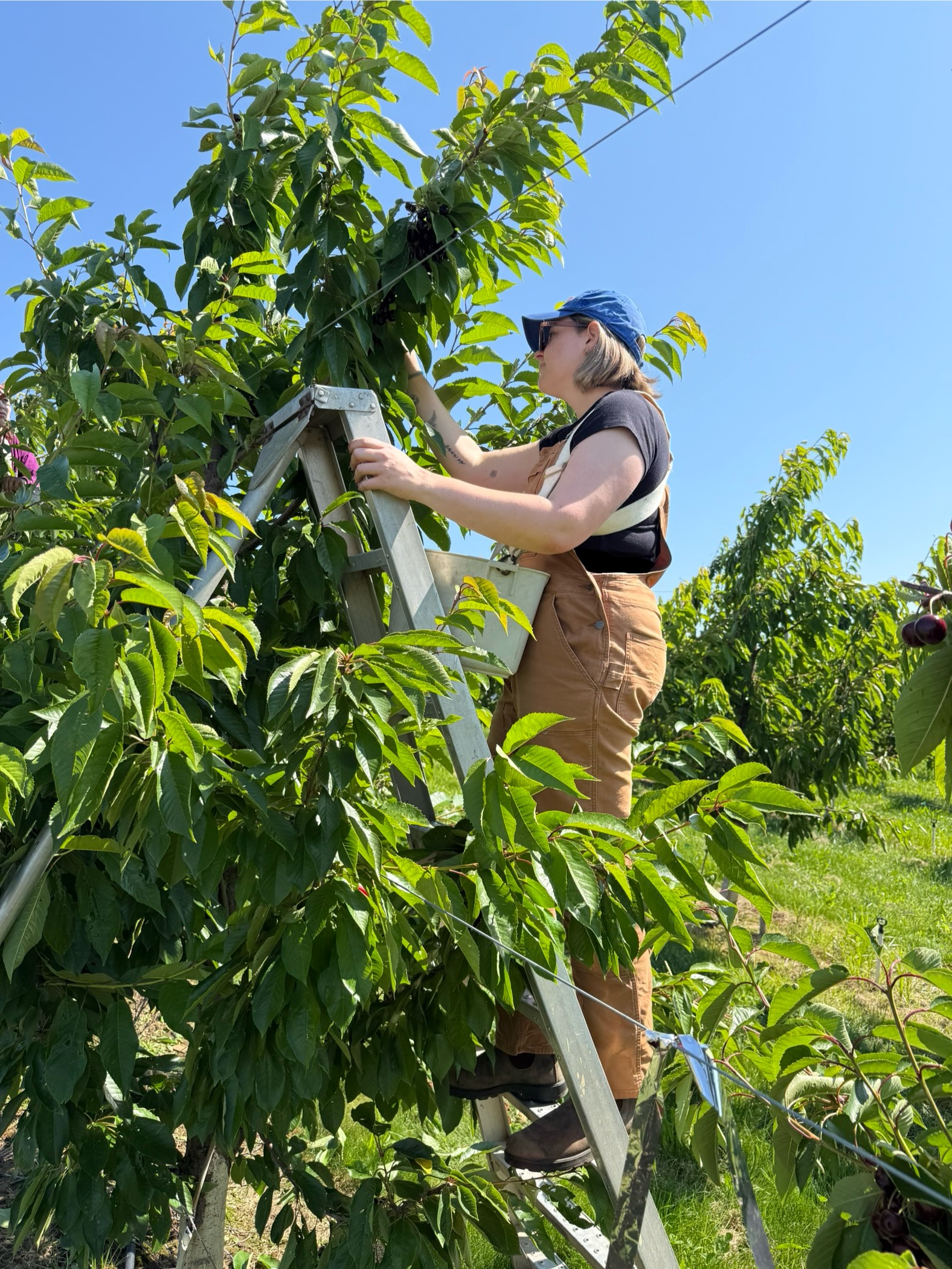
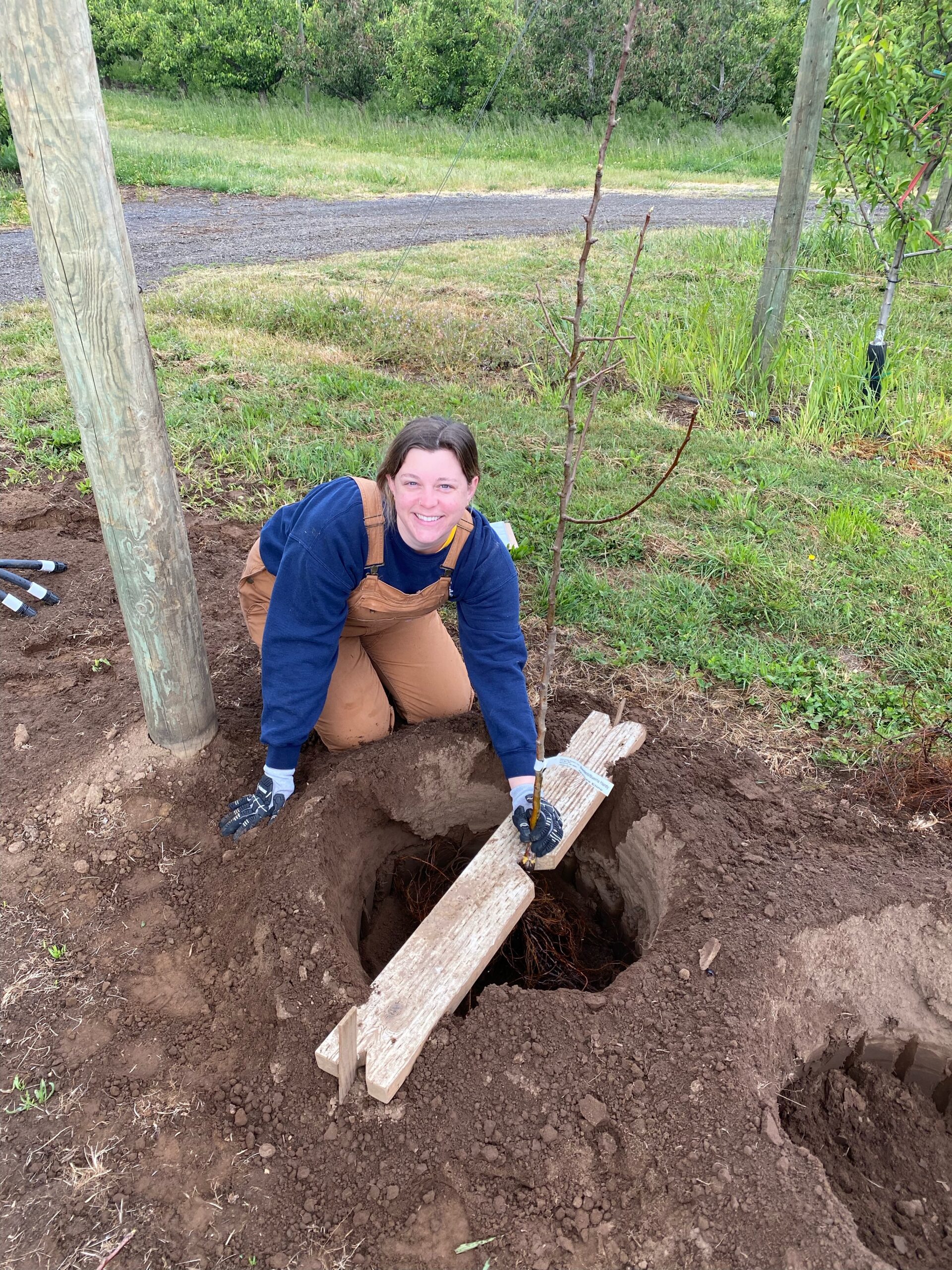
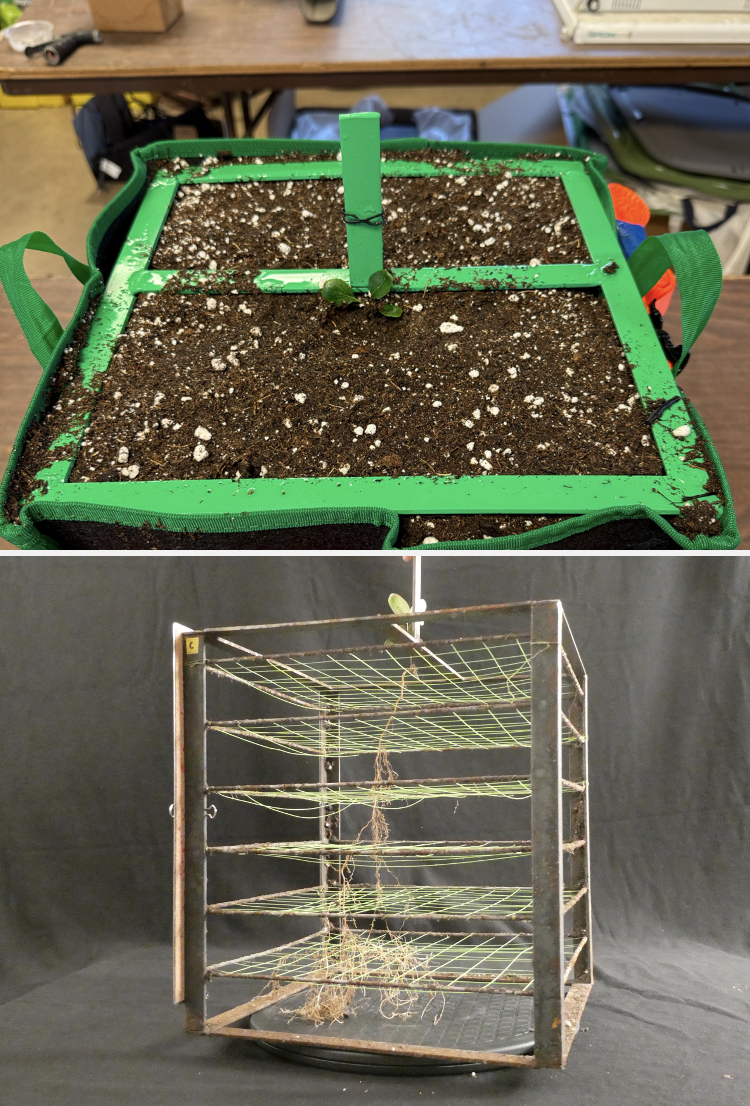
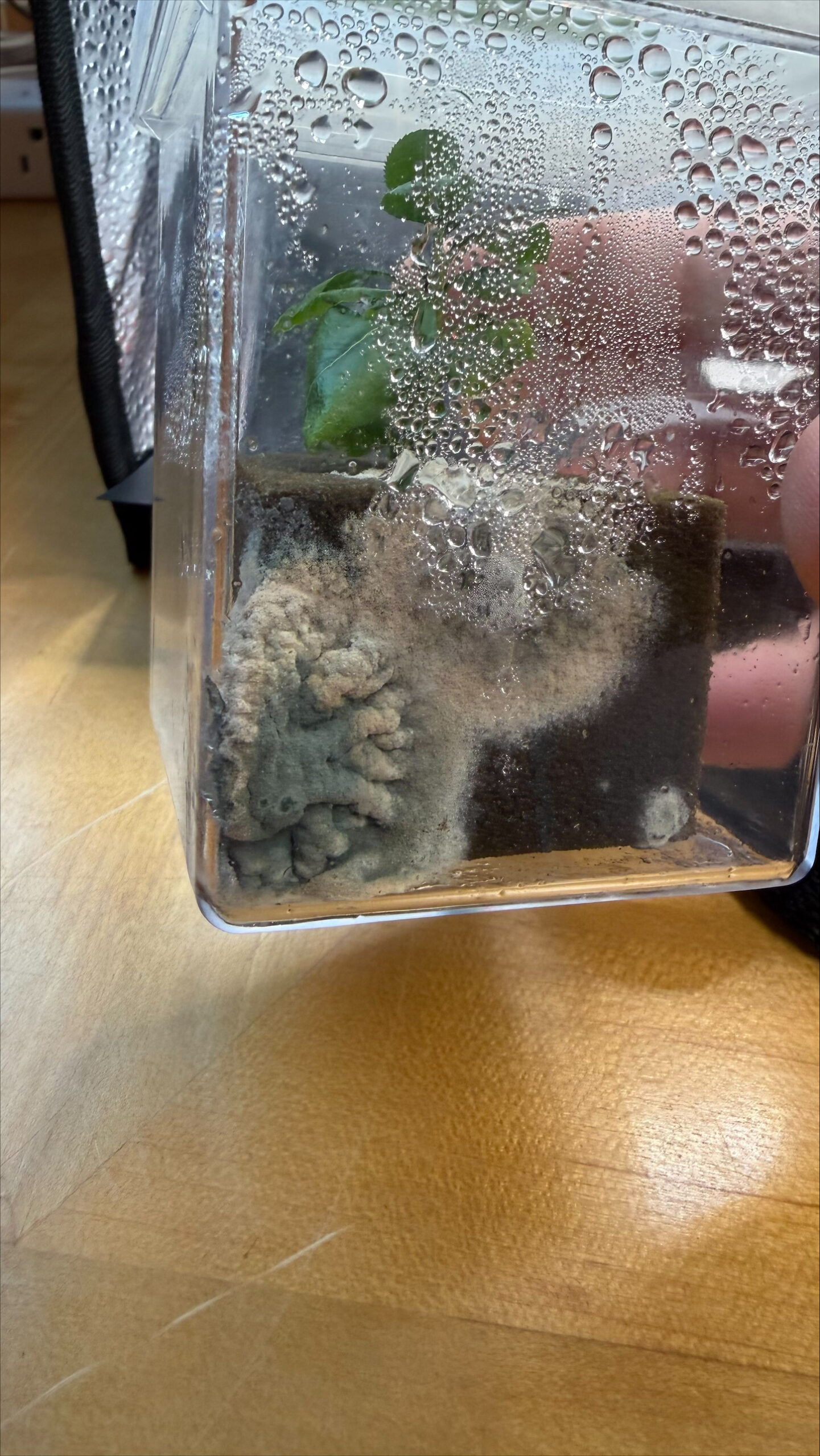
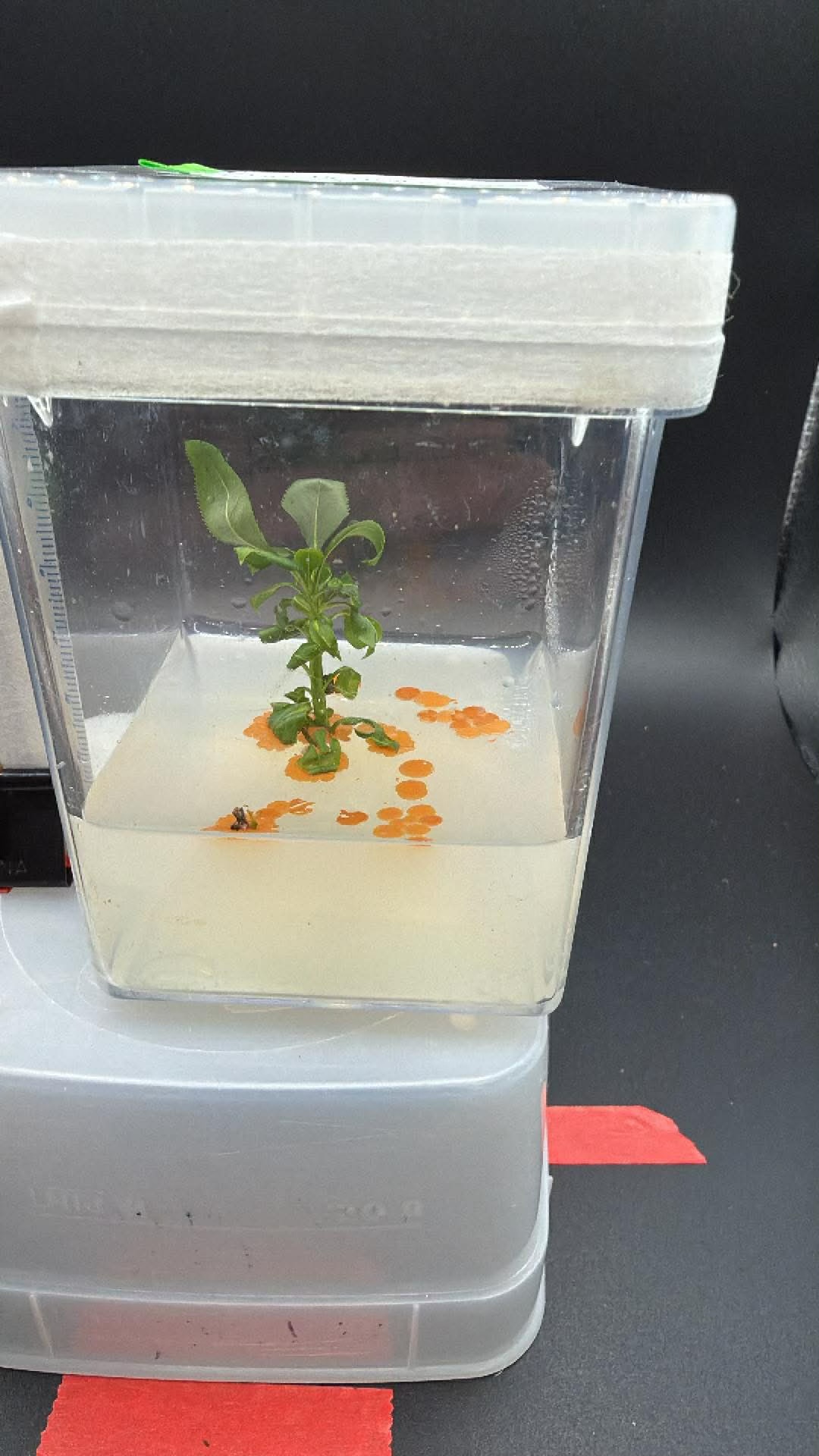
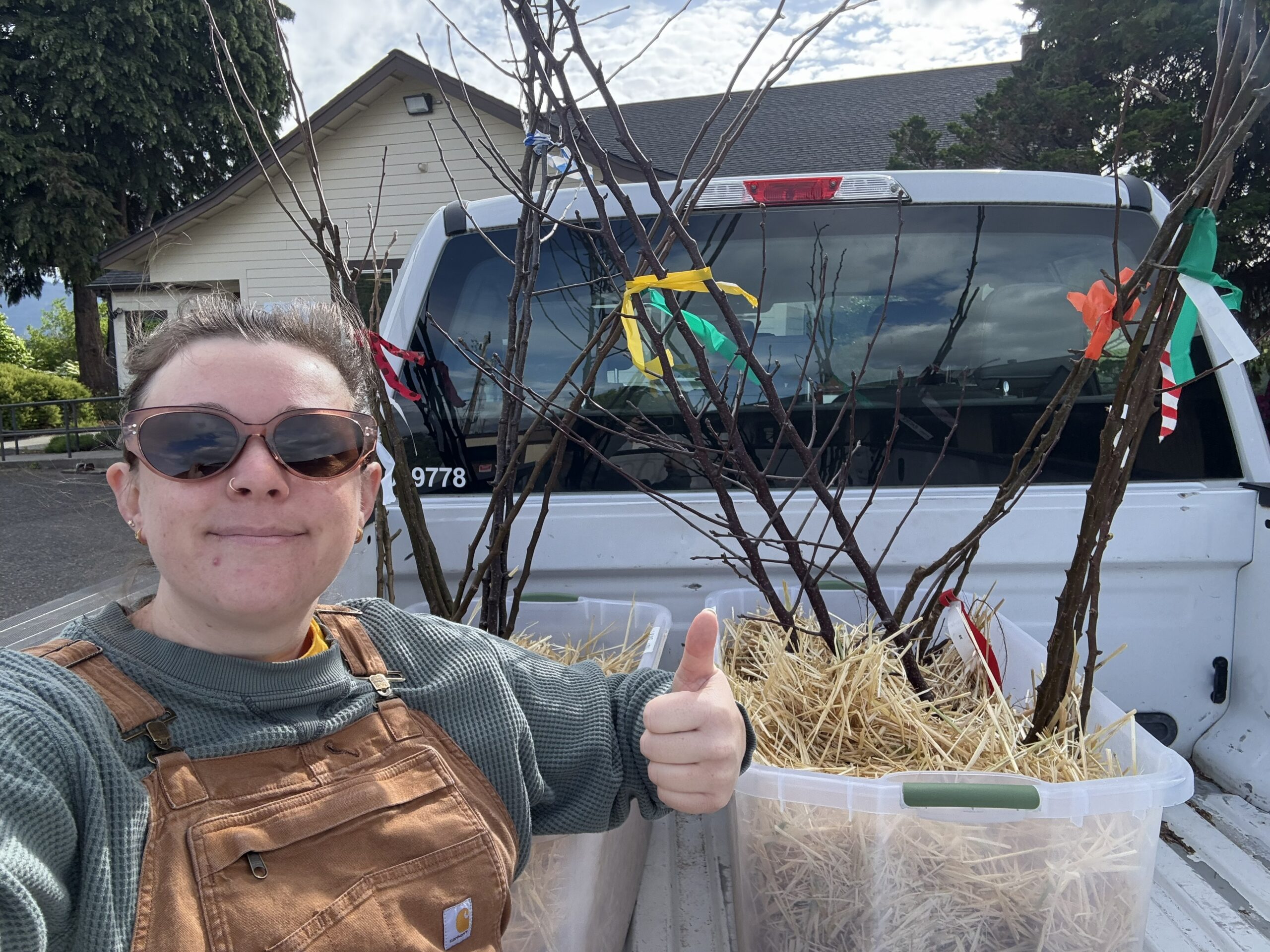
This week on the show we are joined by Claire Pierce, a 2nd year master’s student in the Department of Horticulture. Claire is co-advised by Kelsey Galimba (OSU) and Jessica Waite (USDA-ARS), and conducts her research at the Hood River Research Station. The long-term goal of Claire’s research is to diversify the available rootstocks used in the pear industry and improve yield for agricultural pear cultivation. The first step is to find compatible rootstocks (the base of the plant) and scions (the top of the plant) that exhibit dwarfing characteristics, something that is limited in the current pear industry. The next step is developing root structure phenotype characterization methods; a classically tricky task to accomplish due to the roots being hidden underground and all that.

Tune into KBVR 88.7 FM at 7:00 pm PST on April 12th to hear Claire talk about how she is overcoming these challenges and gaining valuable experience along the way. Claire’s story is one filled with moments of being in the right place at the right time and leaning into making connections. If you want to see more pictures of Claire’s work and follow her through her field season this year, check out the Galimba Pear and Cherry Research Lab Instagram account @galimbalabosu.

From Space to the Sea: Oceanography Across Multiple Spatiotemporal Scales

One of the greatest modern day science tools is satellite imagery. The remote capture of images from space allows researchers to understand spatial ecology better than ever before. However, it’s imperative to know that what you can glean from remote sensing is accurate to what’s occurring at the ground (or sea) level. In fact, if you were looking at a satellite image the minute it’s taken, and zoomed all the way in, you might see a research vessel with Alexander Bailess on board.

Alexander is a second-year Ph.D. student in the College of Earth, Ocean, and Atmospheric Sciences, joint-advised by Dr. Maria Kavanaugh and Dr. Andrew Barnard. Part of his doctoral research is ground-truthing, or verifying, remote sensing data by sailing the seas and collecting data at the same time that satellites are.

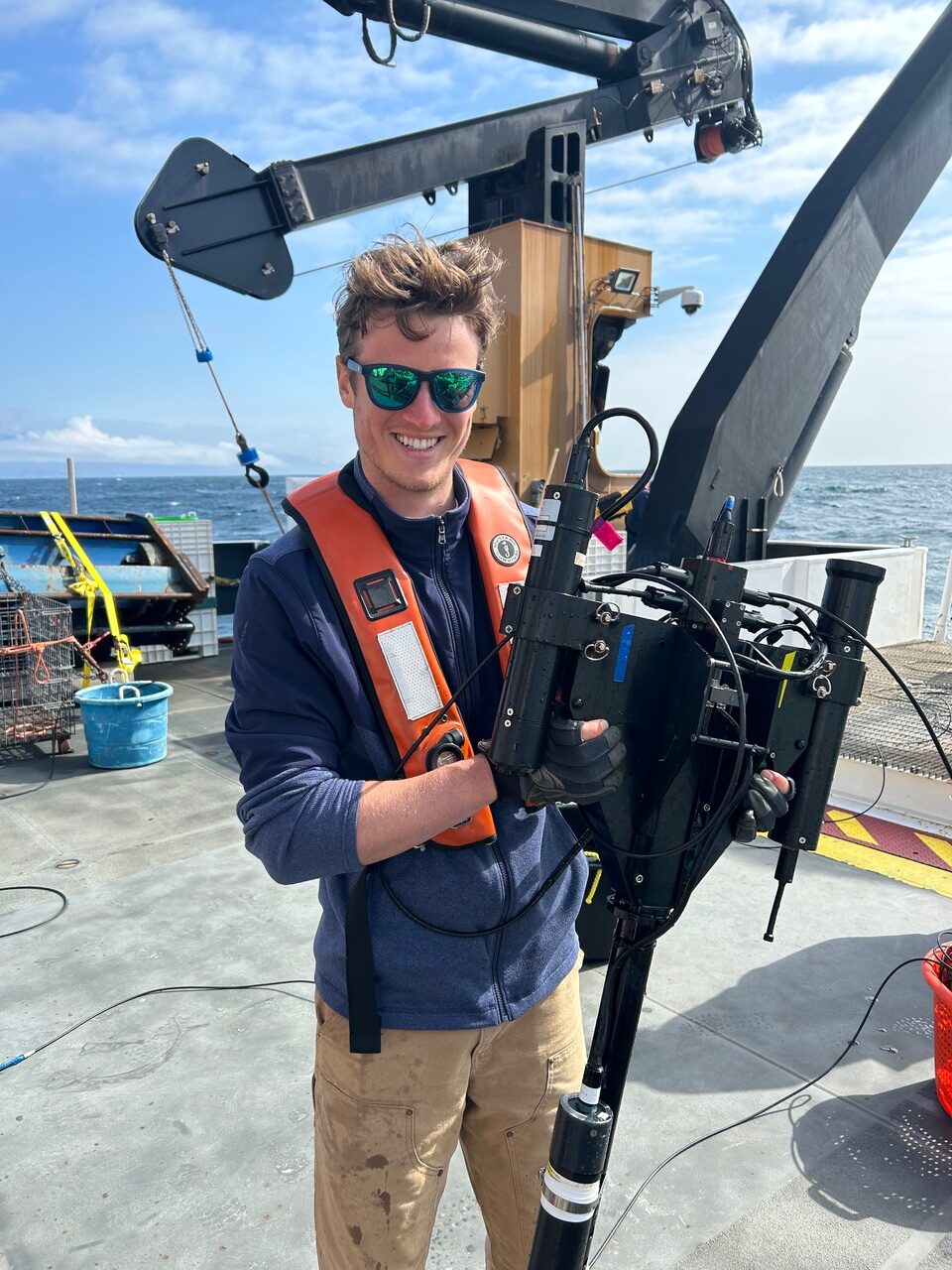
 Alexander holding an underwater camera system for satellite matchups aboard the R/V Ruben Lasker.

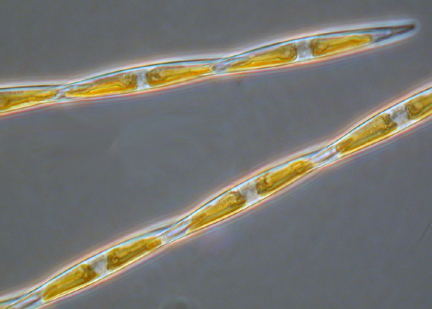
At sea, Alexander is also looking for a phytoplankton called Pseudo-nitzschia. Almost half of Pseudo-nitzschia species produce a potent neurotoxin called domoic acid (DA) which can cause a disorder in humans called amnesic shellfish poisoning. Harmful algae blooms (HABs) occur during dense aggregations of Pseudo-nitzschia, poisoning organisms with DA across the trophic web. Work like Alexander’s is important because it can help establish monitoring and management systems for HABs, allowing recreational and commercial fisheries to avoid toxic conditions. Fishermen citizen scientists also assist in this research by collecting water at-sea for researchers, like Alexander, to analyze.

A photo of a Pseudo-nitzschia (credit: Wikipedia).

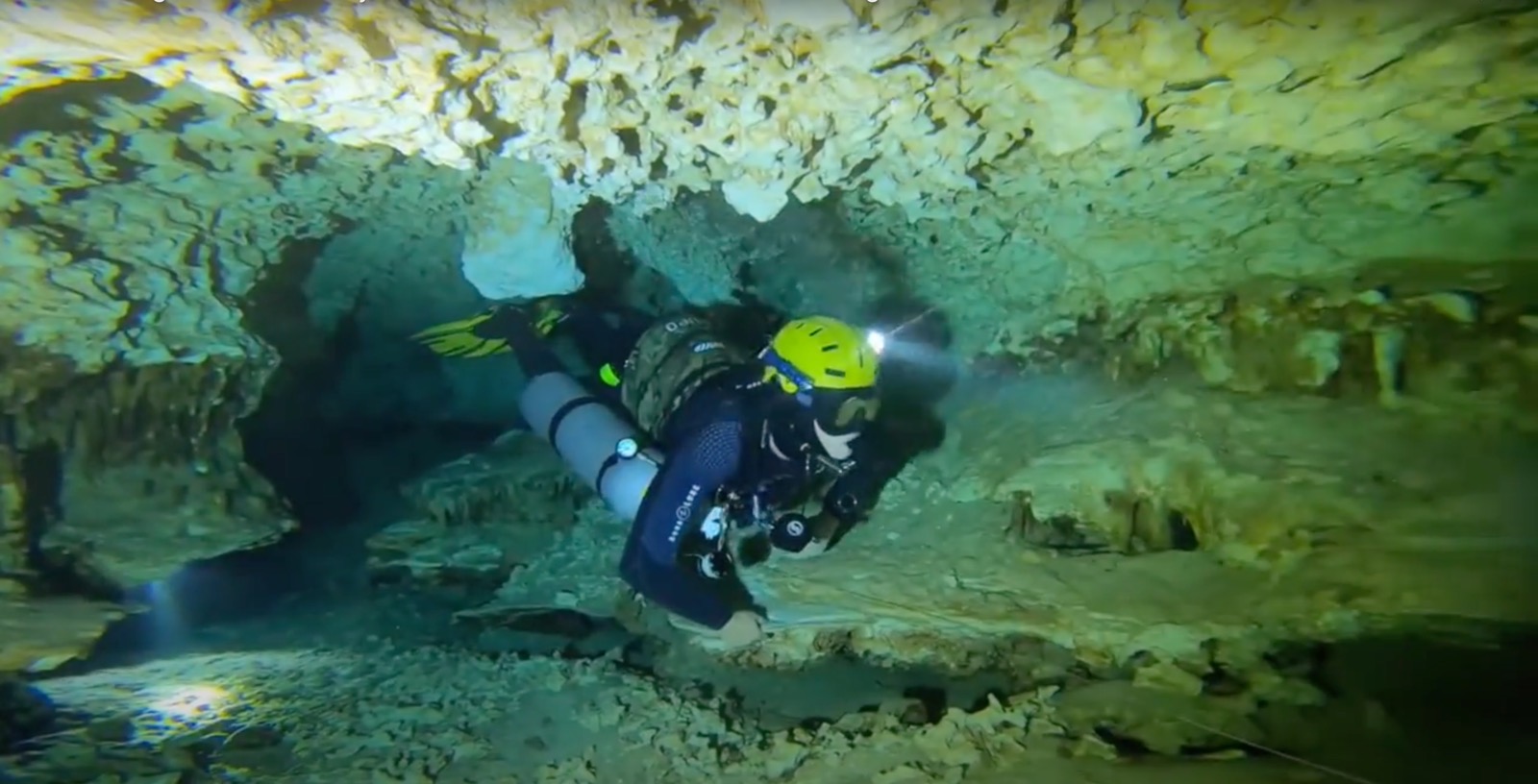
Alexander’s work has taken him on dozens of research cruises all along the U.S. west coast. He is also a Scientific Diver and Divemaster, meaning his work often takes him below the sea surface as well — conducting surveys that connect what satellites see from above to what is living in the water below.

Alexander collecting water samples in an underground aquifer.
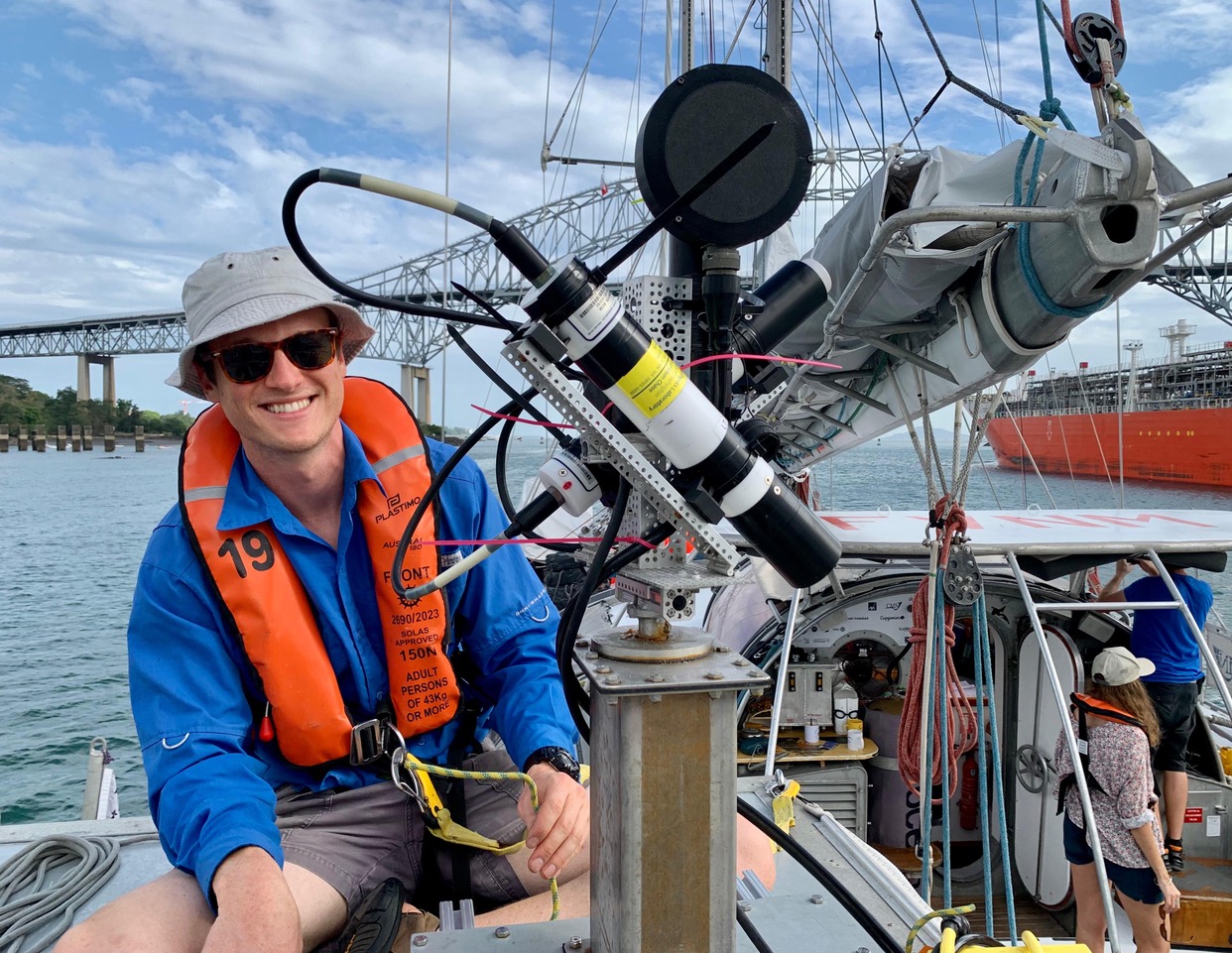
Alexander on the S/V Tara, working with a new prototype for measuring ocean color.

Written by: Taylor Azizeh

Entering Tsunami Hazard Zone

Look out the window of a car driving along Oregon’s coastal highway 101 and you will see many roadside signs indicating the boundaries of the coastal tsunami zone. Natural phenomena can cause massive amounts of damage to the communities that happen to lie in their paths, the effects of which can last days, months, and even years beyond the actual event. In the wake of disaster, people are often unable to access necessary resources or are left stranded waiting for help. Community design and engineering don’t always take into account the personal lived needs of those within the community, therefore a human centered approach is needed to compliment quantitative disaster projections and more accurately predict the most effective plan for community recovery.

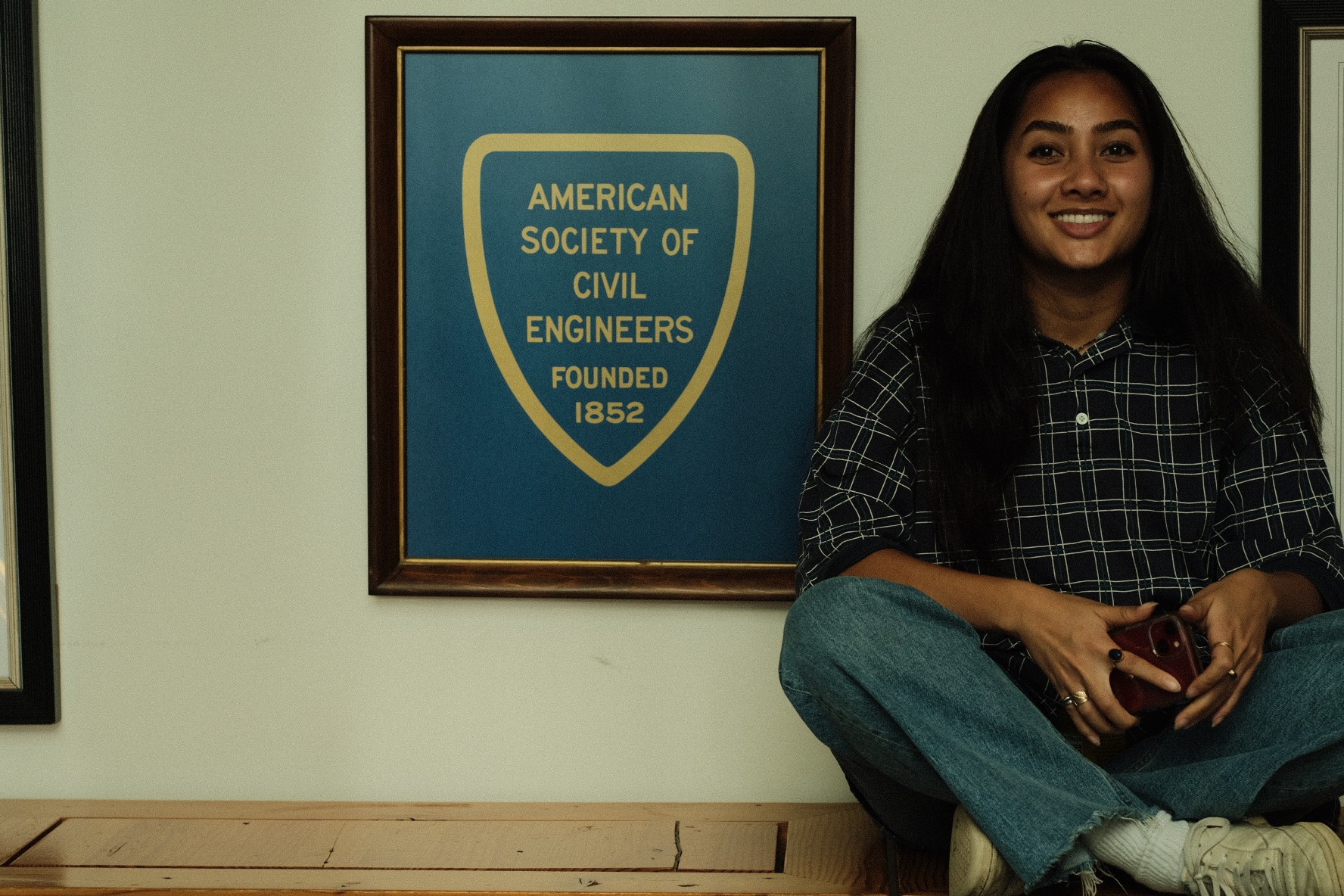
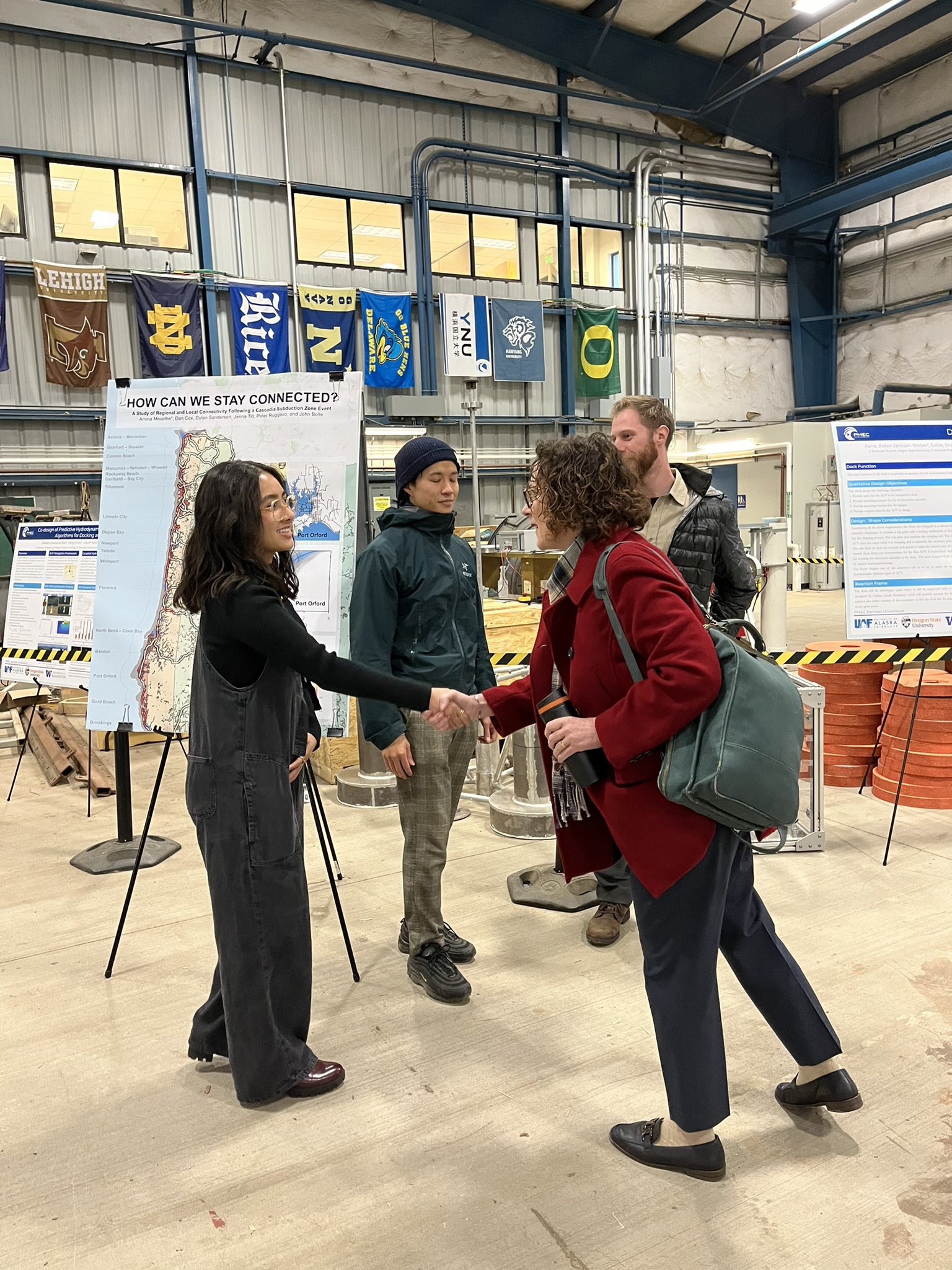
This is where engineering and social science collide. Our guest this week is Amina Meselhe, a 2nd year PhD student in the School of Civil and Construction Engineering. Amina’s current PhD project involves simulating the damage and recovery trajectories for the Cascadia Subduction Zone in the event of a tsunami. Her self-described research goal is to “create tangible outcomes for people to hold onto”. Her acute awareness for disaster preparedness comes from the fact that she grew up in Louisiana seeing the damage that hurricanes can cause and the lasting effects they have on people.

Tune into KBVR 88.7 FM at 7:00 pm PST on March 8th to hear Amina talk about what she is doing to improve the preparedness of communities along the Oregon coast, the research methods used by engineers to incorporate social science into their designs, and why “natural disaster” is a taboo term in the field.

When the Party’s Over: The Effects of Megafire on Oregon’s Forest Ecosystems

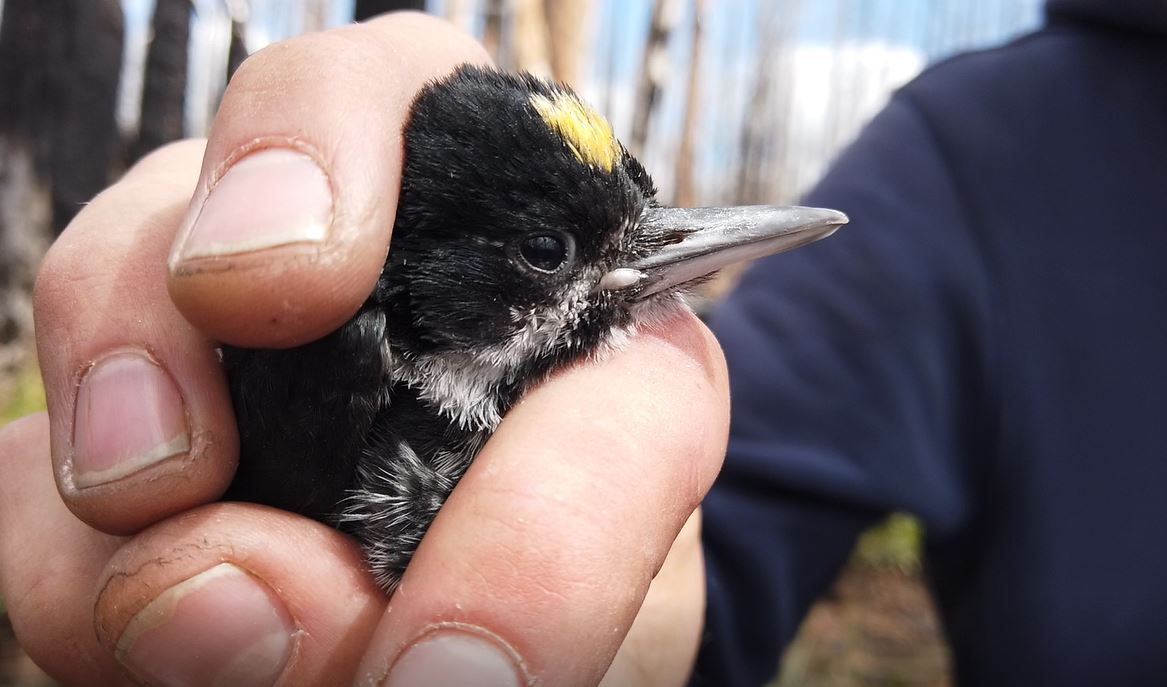
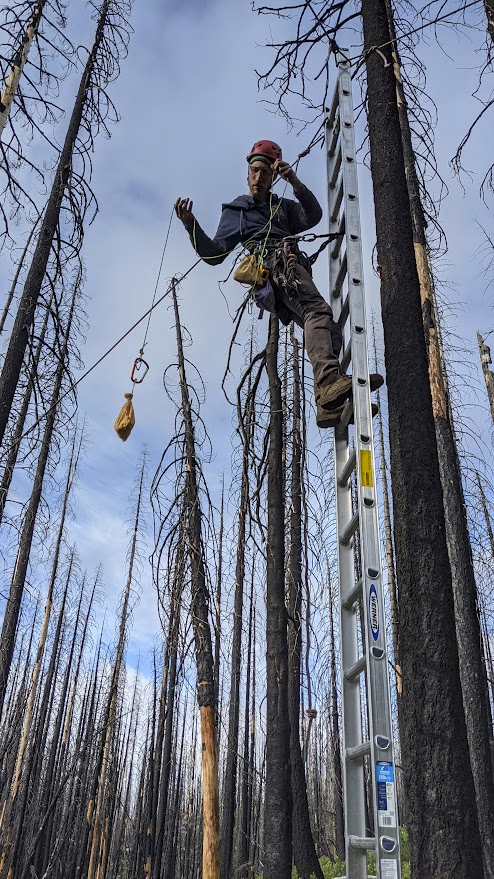
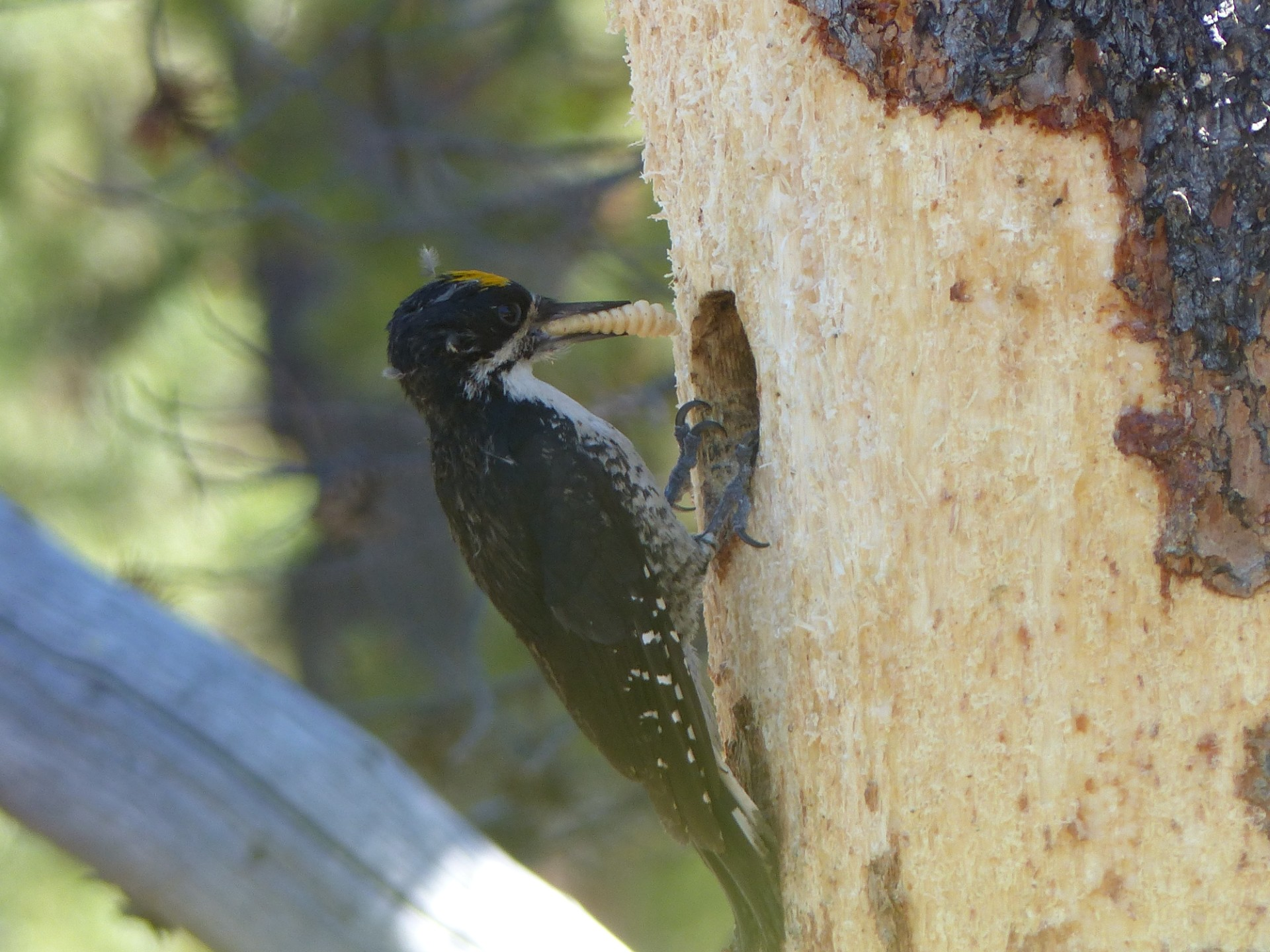
Every year, wildfires ravage the American West. According to NOAA and the National Interagency Fire Center (NIFC), in 2025 alone 72,068 fires burned across more than 5 million acres in the US*. In the wake of these fires, a question looms: what now? Careful forest management could help prevent future fires in a post-burn area, but this requires balancing removal of fuel sources with maintaining crucial habitat. This week’s guest, Noelle Foster, is searching for this Goldilocks method of management. Noelle is a first year graduate student in the Department of Fisheries, Wildlife and Conservation Sciences, studying the effects of megafire on wildlife in Western Oregon. She focuses on how burn severity, time since fire, and habitat characteristics shape how an ecosystem recovers after a wildfire.

One of the major management practices Noelle has been researching is timber salvage after wildfire. Salvage logging after wildfire is a complex decision that involves ecological, economic and logistical considerations. For private land owners, salvage logging can recover some of the economic value of a burned stand, reduce heavy fuels and improve safety around homes and roads. However, even burned timber can provide crucial habitat for recovering wildlife. So, with all these stakeholders at play, what’s the best course of action?

To hear all about the globe-trotting, softball playing, bird loving Noelle, tune in to KBVR 88.7FM at 7PM PST on March 1st for the live show, or check out the show on our podcast pages.


*NOAA National Centers for Environmental Information, Monthly Wildfires Report for Annual 2025, published online January 2026, retrieved on March 1, 2026 from https://www.ncei.noaa.gov/access/monitoring/monthly-report/fire/202513. DOI: https://www.ncei.noaa.gov/access/metadata/landing-page/bin/iso?id=gov.noaa.ncdc:C00774

It’s a Small World After All: Weevils Wreck your Clover!

White clover is a perennial legume that originated in Europe and has become one of the most widely distributed legumes in the world. White clover is one of the most important pasture legumes. It is highly palatable and nutritious forage for all classes of livestock and most wildlife. It is also beloved by honey bees! However, recently local farmers have observed unusual reduction in the quantity and quality of the white clover in their pastures. The culprit? A tiny weevil. Clover seed weevils (Tychius picirostris) are a small gray weevil about 0.1 inch long. Their larvae damage clover seeds, feeding within and destroying seeds. This pest can seriously infest white clover and needs routine control in western Oregon, typically via insecticide treatment. Concerningly, some weevils have developed resistance to certain insecticides, exacerbating the pest issue.

Wyatt Davis-Hinze is a master’s student in the Crop and Soil Science Department at Oregon State University, and his research examines the abundance and mechanisms of insecticidal resistance in clover seed weevils. His work integrates crop science, entomology, and applied biochemistry to understand how insecticidal resistance develops and to inform more effective, sustainable pest management strategies for growers in the Pacific Northwest. His research interests lie at the interface of entomology and plant pathology, where the aim is to study how plant diseases and insect pests interact to influence crop health and yield. Of particular interest is developing and evaluating strategies that emphasize durable management strategies of key pests and pathogens in Pacific Northwest cropping systems.

To hear all about tiny bugs, the nitty-gritty of pesticides, and transporting weevils across international borders, tune in to KBVR 88.7FM at 7PM PST on February 15th for the live show, or check out the show on our podcast pages.

Written by Hannah Stuwe

Scat, and wolves, and worms, oh my!

Alaska is home to four subspecies of gray wolves whose diets differ depending on where in the state they are and the food resources they have access to. While the wolves themselves may be difficult to keep track of, scat (poop) won’t try to run away and contains enough information to help researchers understand the diets of these animals. The Levi Lab, here at OSU, maintains a large library of DNA material collected from Alaskan wolf scat samples. What if this DNA could tell us more about the lives of Alaskan wolves and help us more deeply understand the diseases they are exposed to? This is exactly the question that our guest this week is trying to answer.

This week on the show, we are joined by Zach Muniz, a 2rd year master’s student under the advisement of Dr. Taal Levi in the Department of Fisheries, Wildlife and Conservation Sciences. Using Levi Lab materials, resources from collaborators and publicly available databases, Zach is developing methods to study the helminthic parasites that pass through the digestive tracts of Alaskan wolves. Zach extracted helminthic DNA from over 930 wolf scat samples during his time here at OSU! When Zach isn’t in the lab, he enjoys giving back to the community by mentoring the next generation of scientists in science communication programs such as OSU Explore and More, and Salmon Watch.

Tune into KBVR 88.7 FM at 7:00 pm PST on February 8th to hear Zach describe the many stepping stones of his journey to and through graduate school!

Written by Emilee Lance

Mimicking the Body to Help Mother Earth

Climate change driven by global warming is a highly debated topic in today’s world. However, what we can be sure of is that certain gases cause changes to our environment and are often referred to as “greenhouse gases”. A large scientific effort has been made to capture these gases and turn it into things with less environment impact. One particular way is by creating molecules that mimic our bodies natural mechanisms. This is called biomimetic science and is the topic of our guest’s research, Bella Mc Coll


Bella is a third-year PhD student researching under Dr. Addison Desnoyer, in the Department of Chemistry here at OSU. Bella is an Oregon native and comes to us from Beaverton. Outside of the lab Bella has many interests particularly those involving the fiber arts. These interests have allowed her to come up with research ideas that uses her scientific mind to help answer questions for her creative mind.

Tune into KBVR 88.7 FM at 7 pm PST on February 1st to hear Bella talk about how growing up in a natural medicine house inspired her to find the harmony between science and nature.

Written by E Hernandez