Tag Archives: Agriculture

A pear a day keeps the doctor…wishing for pear varieties with better rooting abilities

Imagine you are in the produce section of the grocery store picking out your fruit for the week, and you remember the apple marketing slogan “an apple a day keeps the doctor away”. Once you make your way over to the apples, you are almost guaranteed to find a variety that fits your preference for taste and texture. These varieties are only made possible because of grafting techniques, a method for combining and reproducing desirable traits in fruit trees. Pear cultivation uses similar techniques, but producing desirable traits such as dwarfing, that apples so readily display remains a challenge in pear cultivation. This is why the selection of pear varieties is so dwarfed (pun intended) compared to that of apples.
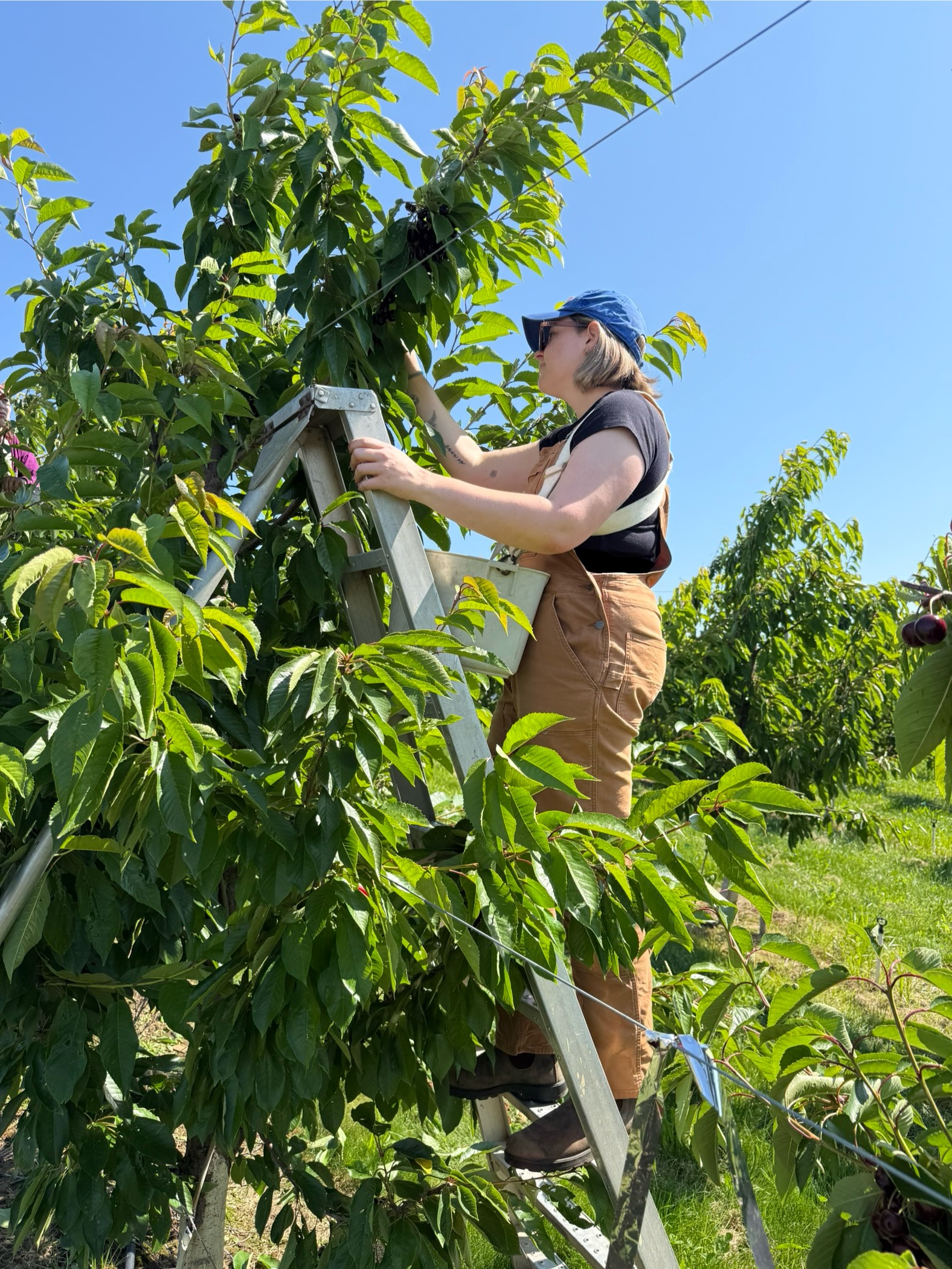
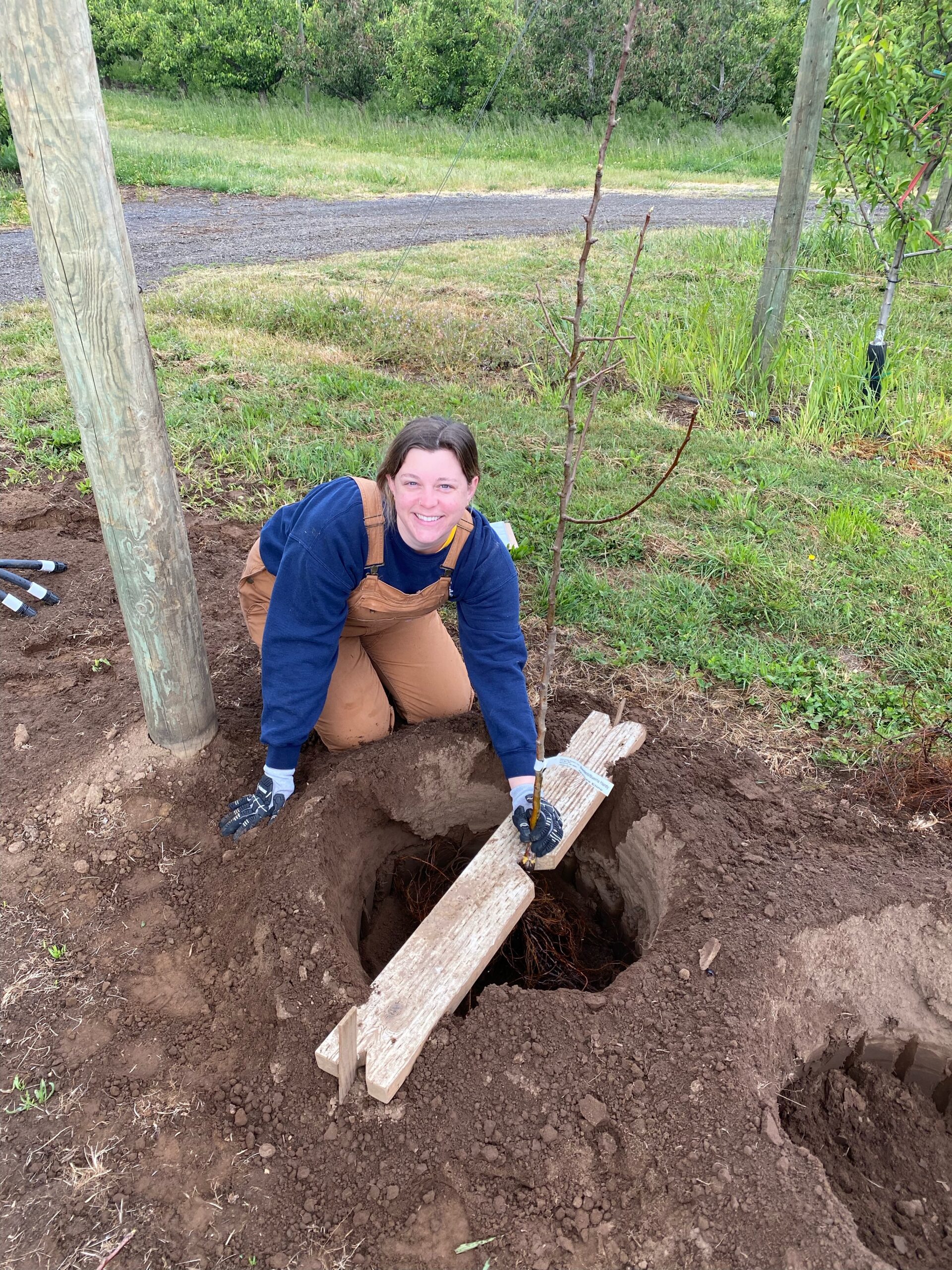
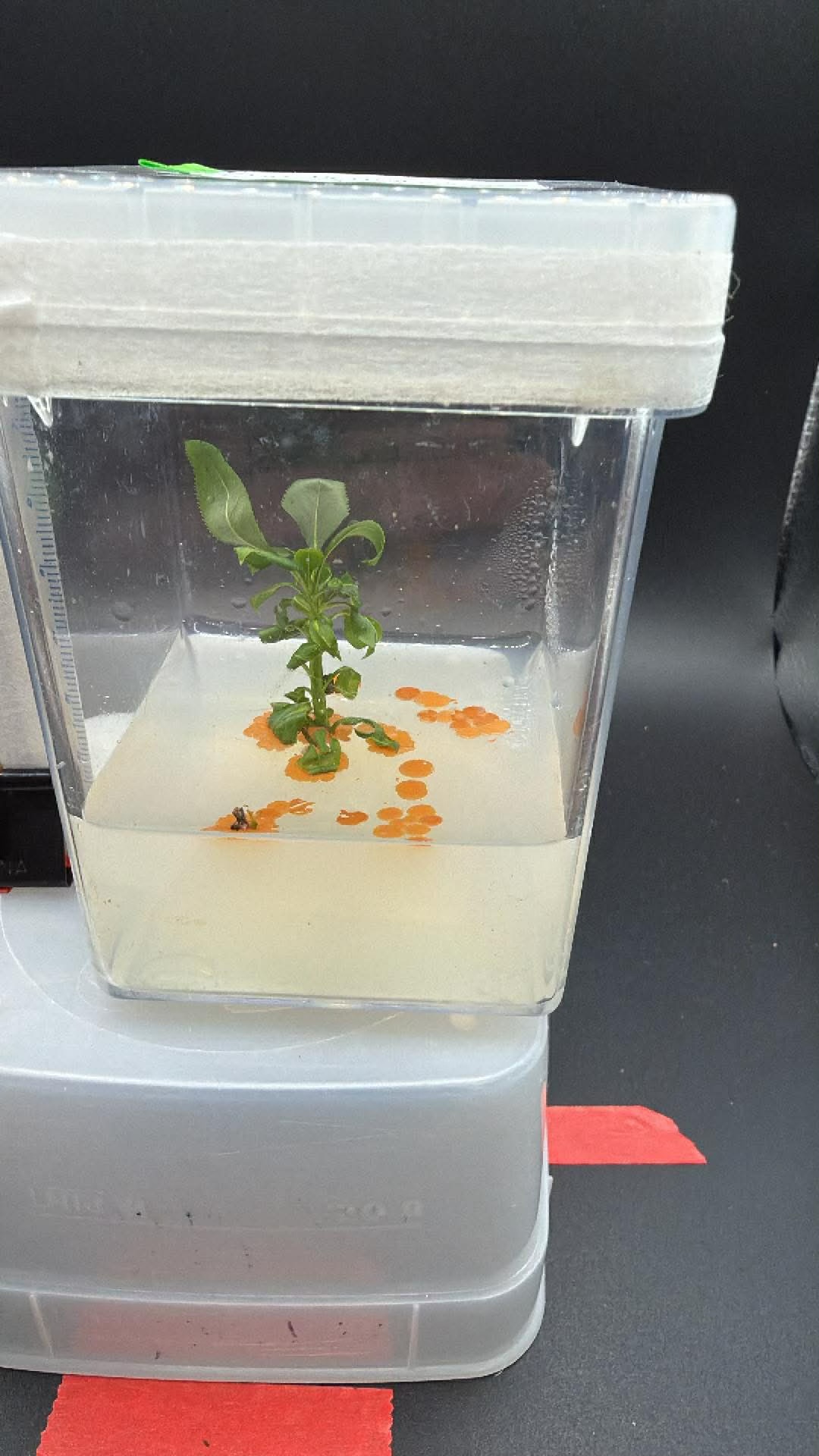
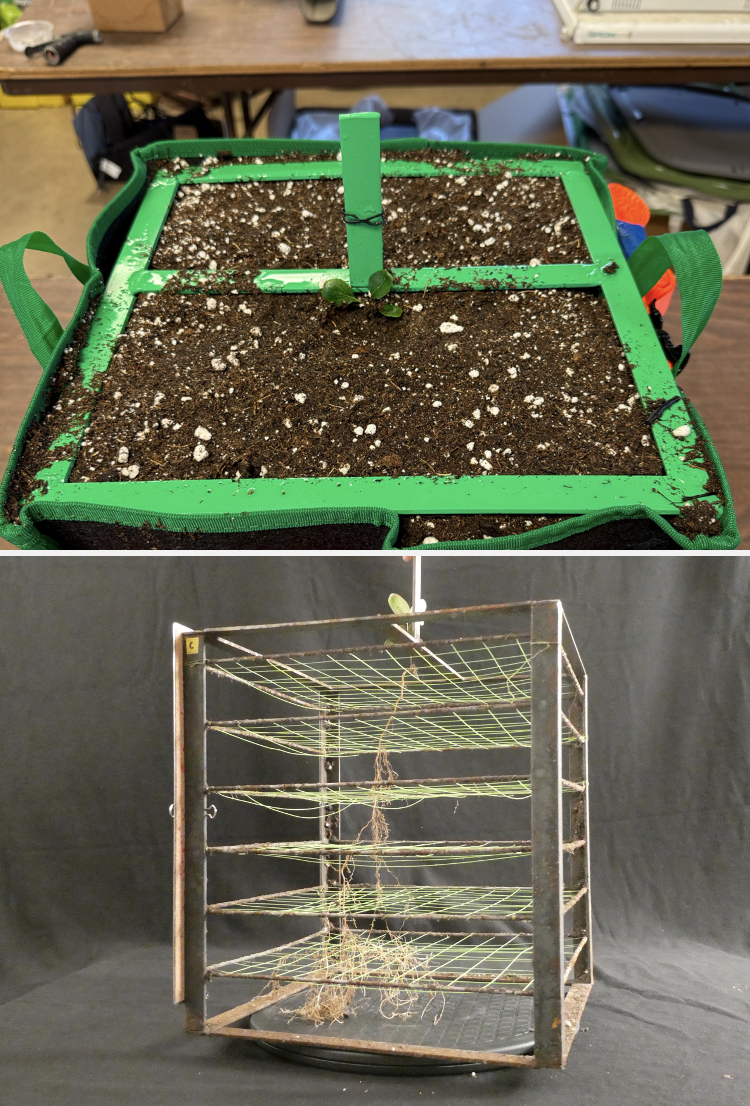
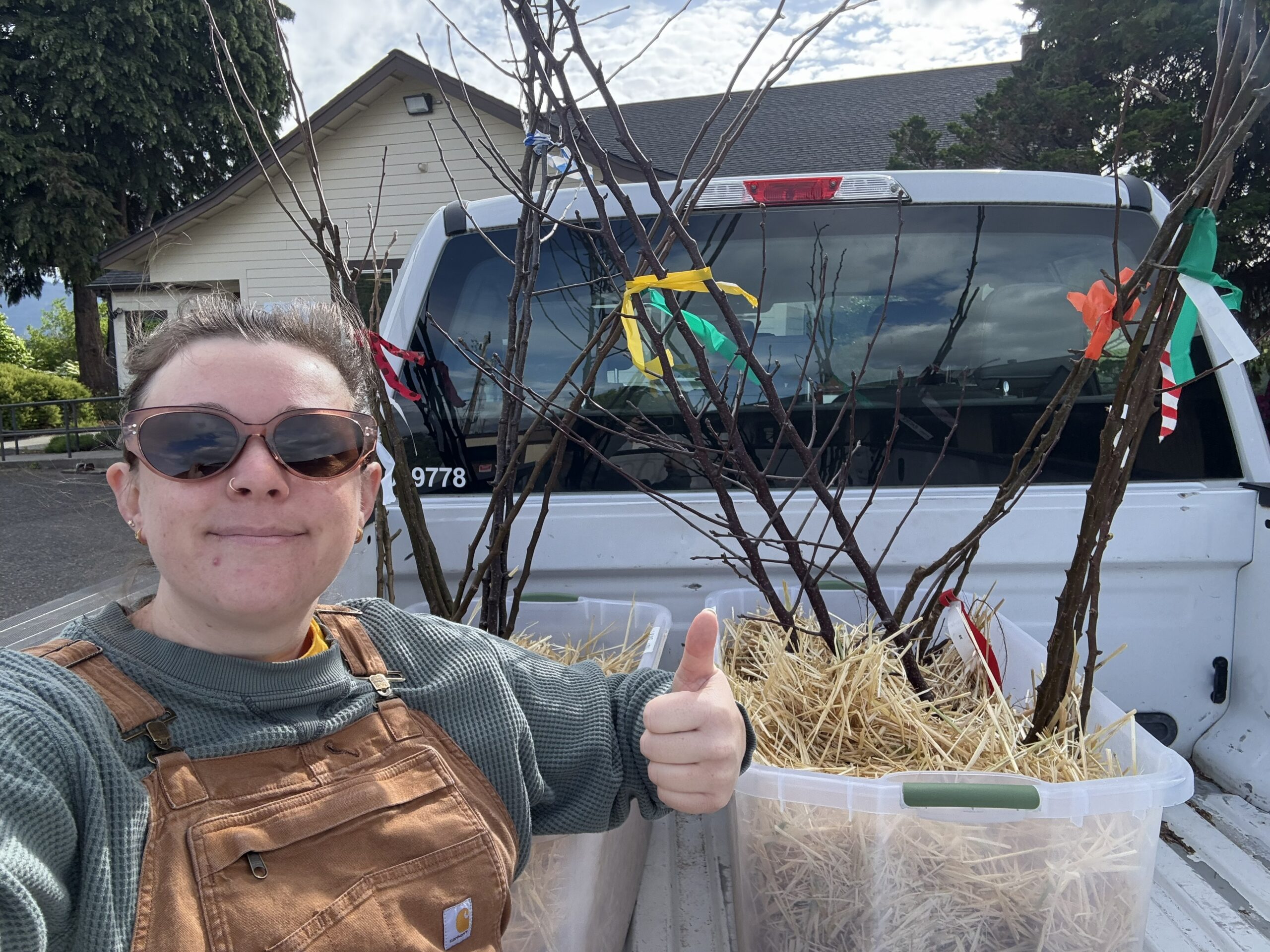
This week on the show we are joined by Claire Pierce, a 2nd year master’s student in the Department of Horticulture. Claire is co-advised by Kelsey Galimba (OSU) and Jessica Waite (USDA-ARS), and conducts her research at the Hood River Research Station. The long-term goal of Claire’s research is to diversify the available rootstocks used in the pear industry and improve yield for agricultural pear cultivation. The first step is to find compatible rootstocks (the base of the plant) and scions (the top of the plant) that exhibit dwarfing characteristics, something that is limited in the current pear industry. The next step is developing root structure phenotype characterization methods; a classically tricky task to accomplish due to the roots being hidden underground and all that.
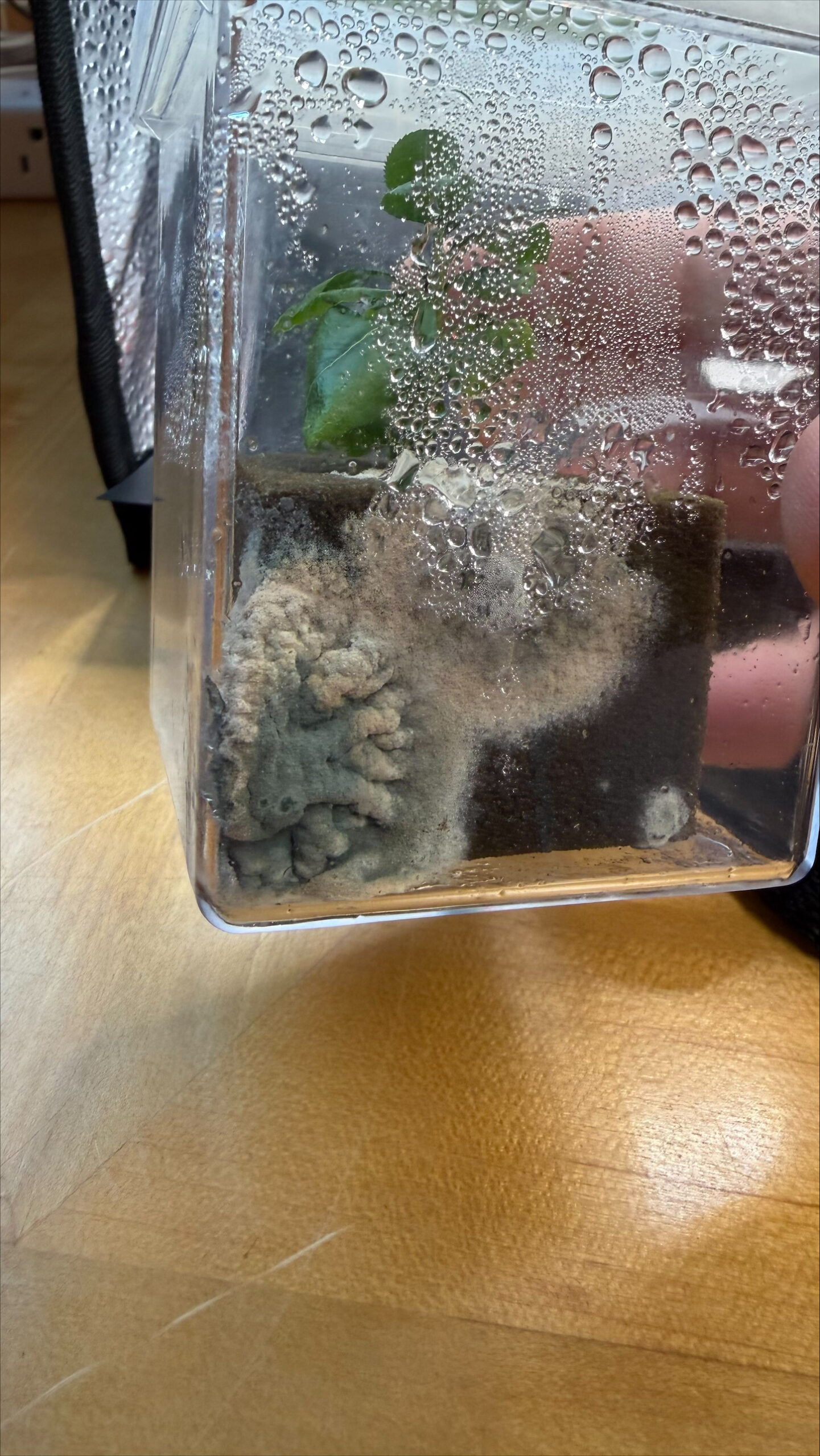
Tune into KBVR 88.7 FM at 7:00 pm PST on April 12th to hear Claire talk about how she is overcoming these challenges and gaining valuable experience along the way. Claire’s story is one filled with moments of being in the right place at the right time and leaning into making connections. If you want to see more pictures of Claire’s work and follow her through her field season this year, check out the Galimba Pear and Cherry Research Lab Instagram account @galimbalabosu.
Agroforestry: any takers?

Agroforestry, the practice of growing crops or tending livestock while purposefully managing trees on the same parcel of land, can provide security of fuel wood and food in rural areas of the developing world. Increased access to healthcare in many African countries has spurred population growth over the past couple of decades. Malnourishment remains a problem, and as the number of people per acre of farmland increases, maintaining food security may require changes in agricultural practices.

As a second-year PhD student in the Forest Ecosystems and Society department in the College of Forestry, Sonia Bruck knows this isn’t a simple task. Communities around the world who are exposed to agroforestry practices tend to adopt them at low rates, which often depend on residents’ wealth and education. Working with the World Agroforestry Centre (ICRAF), a non-governmental organization in Kenya, Sonia will travel to the town of Mbola in the Uyui district of eastern Tanzania in September. She will be living there for seven months, examining how and why these and other factors might play a role in how people decide to adopt agroforestry practices. A Tanzanian regional office of ICRAF has already promoted the intercropping of pigeon pea and cassava with Gliricidia sepium (a nitrogen fixing tree), but despite this being a biologically sound strategy, it hasn’t caught on among everyone in Mbola. So if there are cultural or socioeconomic barriers to adopting these techniques, she wants to know about them.

An agroforestry system in North Carolina – Longleaf pine alley cropping, where corn and soybeans were alternated near an open agricultural field.

Knowing that wealthier villagers are able to place more risk into implementing a new agroforestry technique might be only one facet. Health, household division of labor, number of children per household, and access to food may also factor into whether people decide to adopt this strategy. Sonia is developing a quantitative survey to gather data like these, and plans to administer it to 600 residents once she arrives in Mbola. She will then analyze the survey data and schedule focus groups to allow residents to provide more context, especially if there are relationships between variables that don’t seem to make sense. According to rational choice theory, we’re all rational actors – so Westerners like us might be missing important cultural preferences that could guide farmers’ agricultural decisions in rural Tanzania. Sonia hopes that her findings will help ICRAF target households that could benefit from implementing agroforestry.

(From left to right) Jeremais Mowo (Regional Coordinator for Eastern and Southern Africa), Sonia Bruck, and Badege Bishaw (her adviser) at ICRAF.

When Sonia departs for Tanzania, she certainly will not be a stranger to international travel. Her father, a professor of plant pathology, taught a field course in the Peruvian Amazon, and she first got to tag along as a fourteen-year-old. The heat, humidity, and occasional threat of vampire bats didn’t seem to deter her when she studied abroad for a summer in Brazil, as an undergraduate at Appalachian State University majoring in Sustainable Development and Environmental Studies. She has also traveled extensively across Central and South America, and recently to the Philippines, Thailand, and Nepal to catch up with friends stationed in the Peace Corps and learn more about local cultures.

Sonia near Silver Falls, Oregon

To hear more about Sonia’s research and experiences traveling and living abroad, be sure to tune in to KBVR Corvallis 88.7 FM this Sunday May, 27 at 7 pm, stream the live interview at kbvr.com/listen, or find it in podcast form next week on Apple Podcasts.

If you’re interested in participating in agroforestry in the Pacific Northwest please visit: http://pnwagro.forestry.oregonstate.edu/