Monthly Archives: May 2026

Knock, knock! Black-backed Woodpeckers have arrived, and it’s not where you’d expect

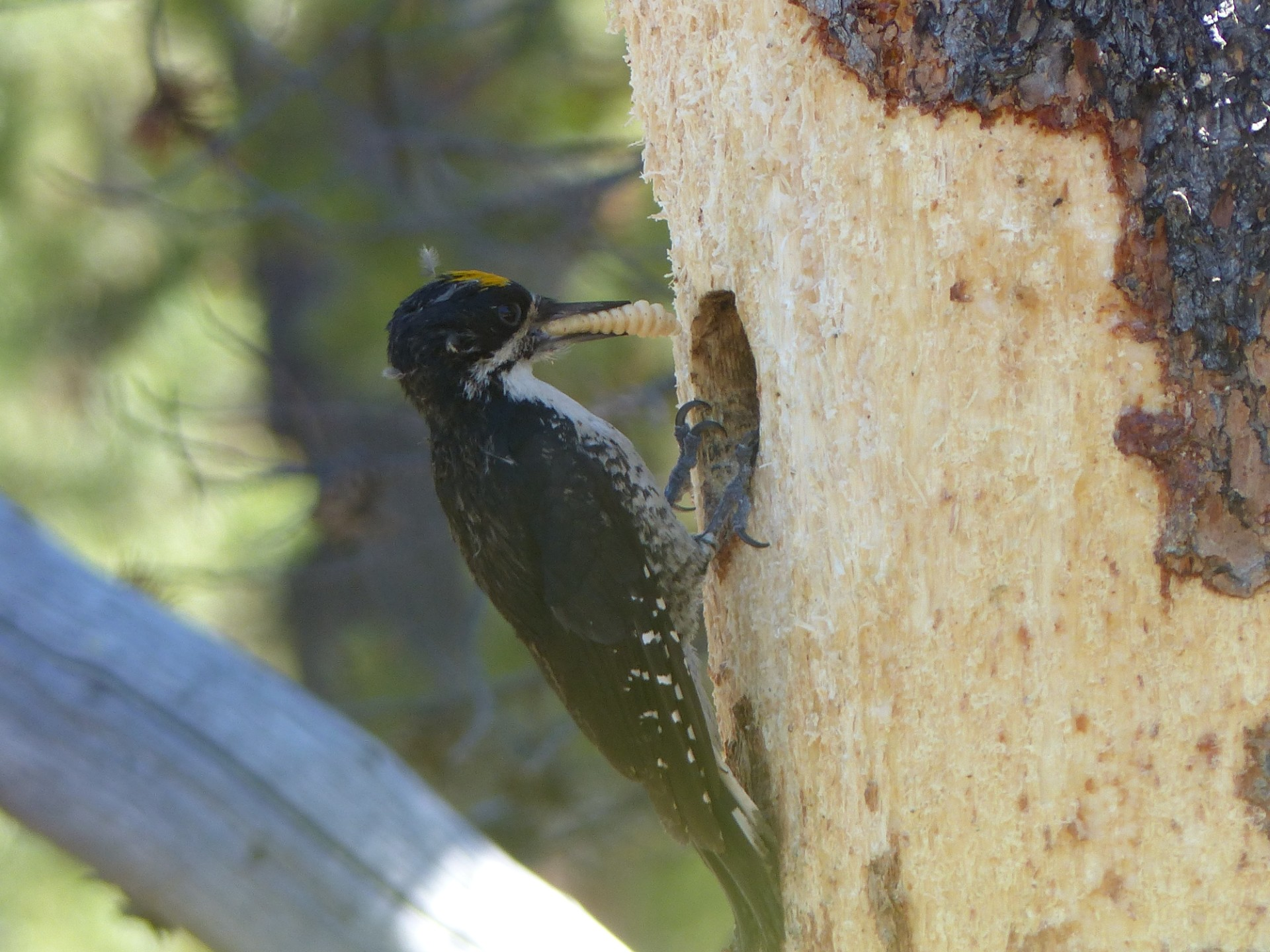
In Oregon, the Black-backed Woodpecker is considered a “keystone” species and indicator of bird community health. They create critical nest holes for other cavity-nesting birds and small mammals. Black-backed Woodpeckers are described as post-burn specialists that prefer burned conifer forests, particularly because it is where bark beetle larvae and other food sources are abundant after wildfires. However, Black-backed Woodpeckers are also known to inhabit green, unburned conifer forests, but the extent to which they use green forests throughout their range is poorly understood.
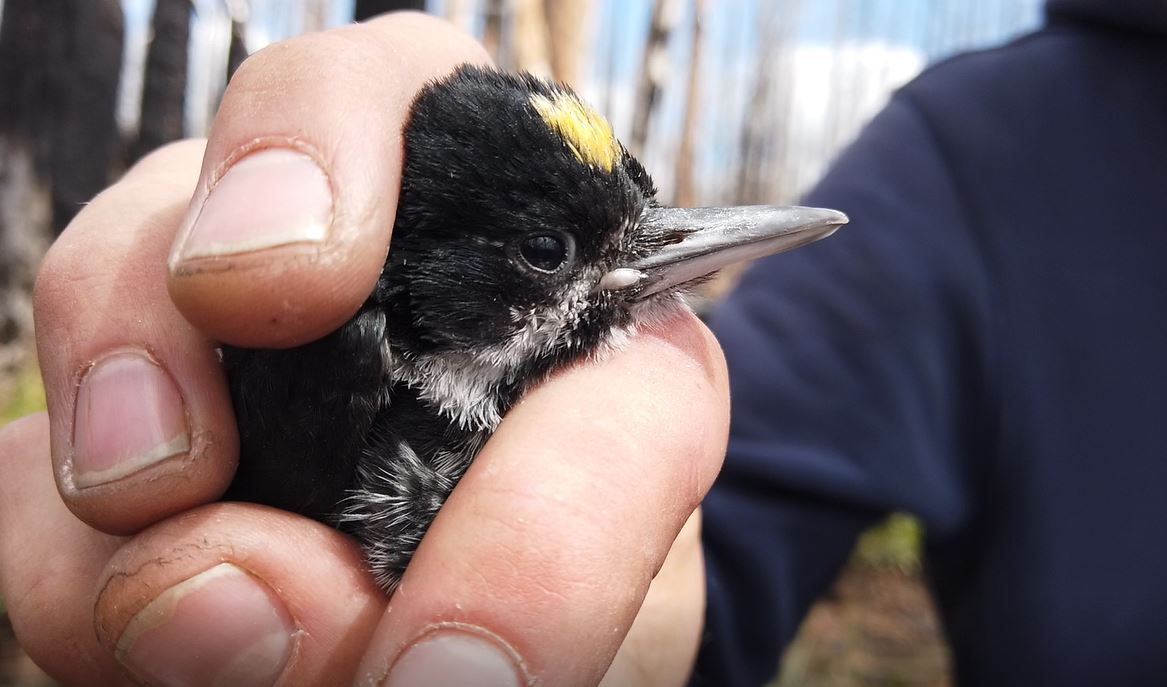
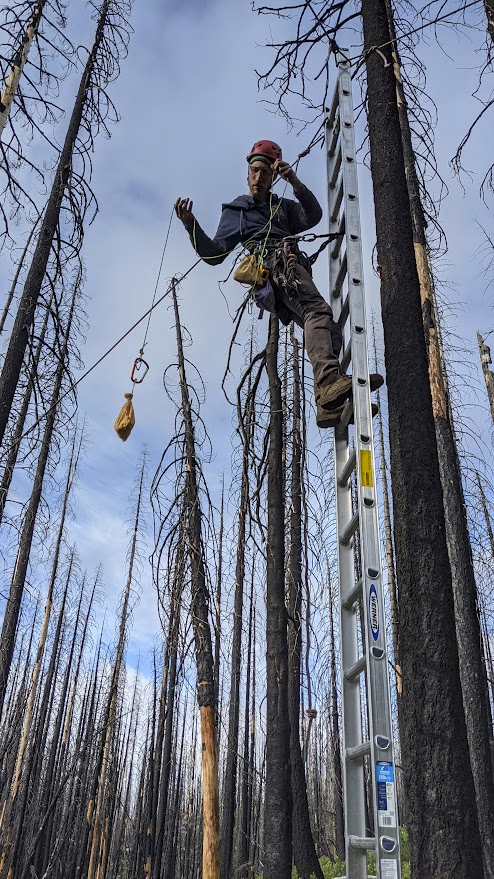
Mark Kerstens, a third year PhD student in Sustainable Forest Management under the mentorship of Dr. Jim Rivers, studies these fickle birds with the hope to understand what drives them to inhabit green forests. His main research interests are how to manage forests both before and after wildfires to provide habitat for cavity-nesting birds, and to use these species as indicators for ecosystem health. As a masters student he studied Black-backed Woodpecker vital rates in fire-prone landscapes in South/Central Oregon. For his PhD he is expanding this work, potentially redefining Black-backed Woodpeckers not as post-burn specialists, but rather “early decayed wood specialists”. Through his work he hopes to better inform forest management for biodiversity, and use these woodpeckers as a biodiversity indicator.
To hear all about beautiful birds, Oregon’s incredible lodgepole pine ecosystems, and the pre-med to scientist pipeline, tune in to 88.7FM KBVR Corvallis at 7PM PST on May 31, or listen after the show wherever you get your podcasts!

Written by Hannah Stuwe

The Gamification of Music Education

Virtual reality (VR) offers a unique opportunity to create interactive learning experiences that maintain the reciprocal engagement of in-person environments while allowing for flexible scheduling. Simulated chemistry and biology labs, for example, can significantly reduce hazardous waste and eliminate ethical concerns associated with the use of animals in classroom settings. Another advantage of VR in education is its ability to adapt to individual learners, meeting students where they are in their comprehension and supporting personalized learning. Expanding this technology into other areas of education holds great potential for increasing accessibility and improving learning outcomes.

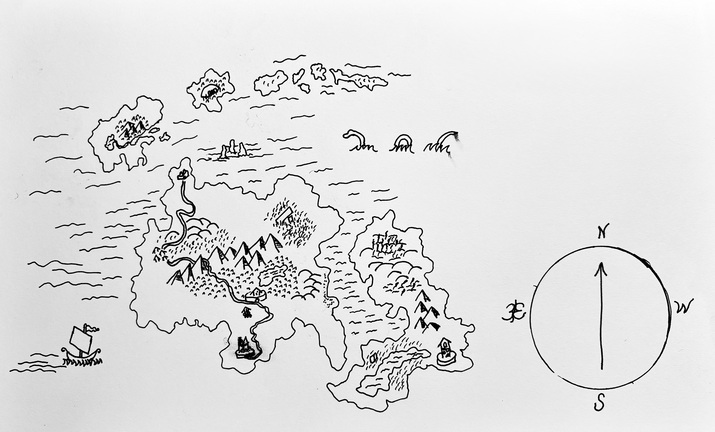
Our guest this week is Bonnie Kraxberger, a second-year graduate student in the College of Education. Bonnie will graduate this summer with a Master’s degree in Adult and Higher Education, along with a Graduate Certificate in Instructional Design. As both an education program developer and a music teacher who navigated the challenges of remote instruction during the COVID-19 pandemic, she is passionate about developing technologies that support effective independent learning. Bonnie entered graduate school with the goal of creating a virtual environment to teach adults the fundamentals of music literacy. Her project brings learning to life with creative elements like seashell-shaped musical notes and pirates playing bongos—an imaginative approach that makes learning both engaging and fun. I’ve never wanted to take a music class so badly!

Tune in this Sunday, May 17th at 7 PM to hear Bonnie discuss the challenges of accurately integrating sound into virtual learning environments, as well as the successes she’s achieved by prioritizing her goals while balancing graduate school and parenthood.

Wolves, Cougars and the Fight for Food in Yellowstone

Yellowstone National Park is known for its stunning landscapes and wilderness, housing some of North America’s most iconic apex carnivores, such as wolves and cougars. However, these animals do not live in isolation from one another – they often interact and compete for prey.

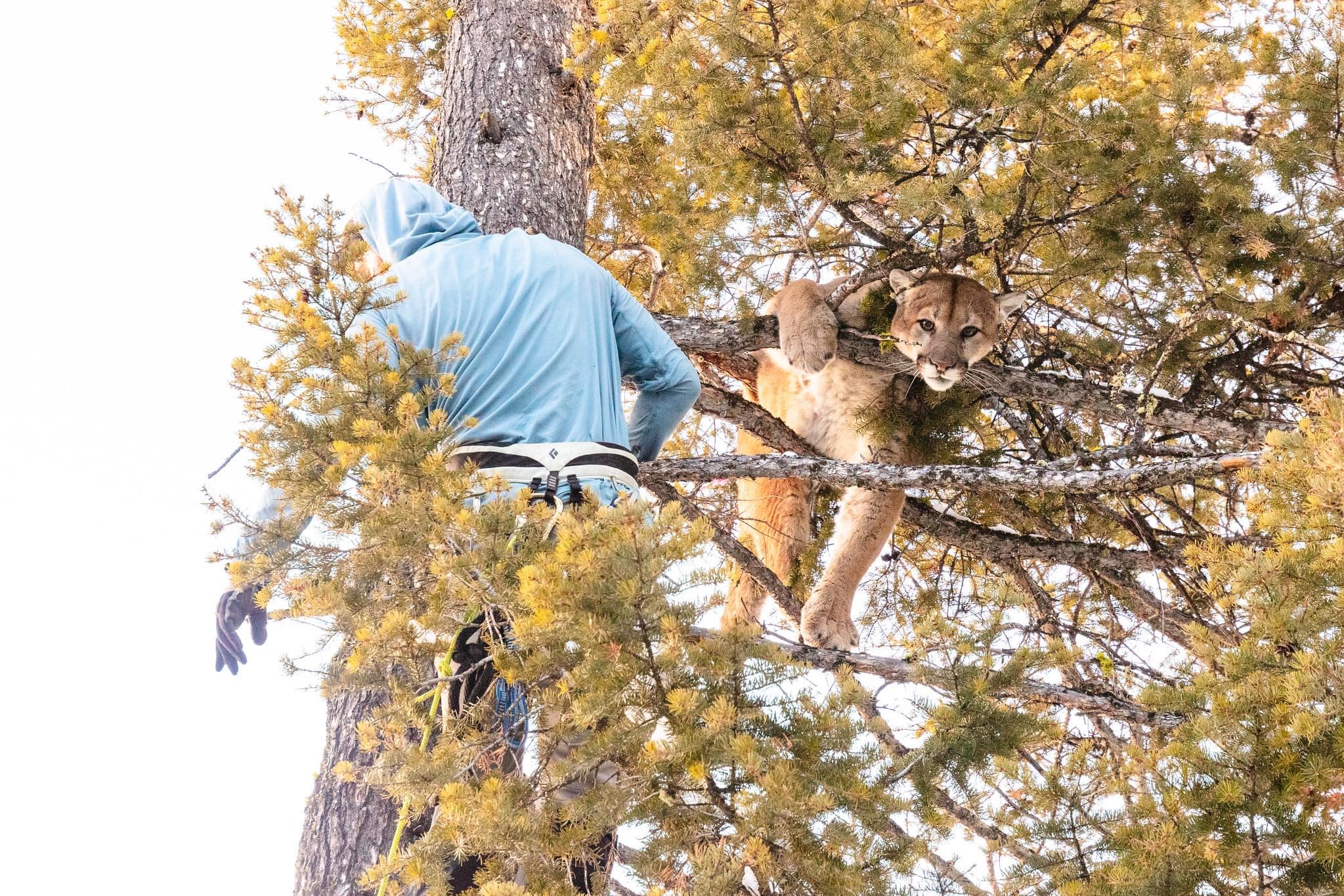
Extracting a cougar from a tree

Our guest this week is Wes Binder, a PhD Candidate in the Department of Fisheries, Wildlife and Conservation Sciences, who has spent many years in Yellowstone and is researching these complex interactions. Using GPS telemetry data, camera traps, and field investigations of kill sites, he aims to understand the mechanisms that drive these interactions and how they vary with diets, dominance hierarchies, and environmental conditions.

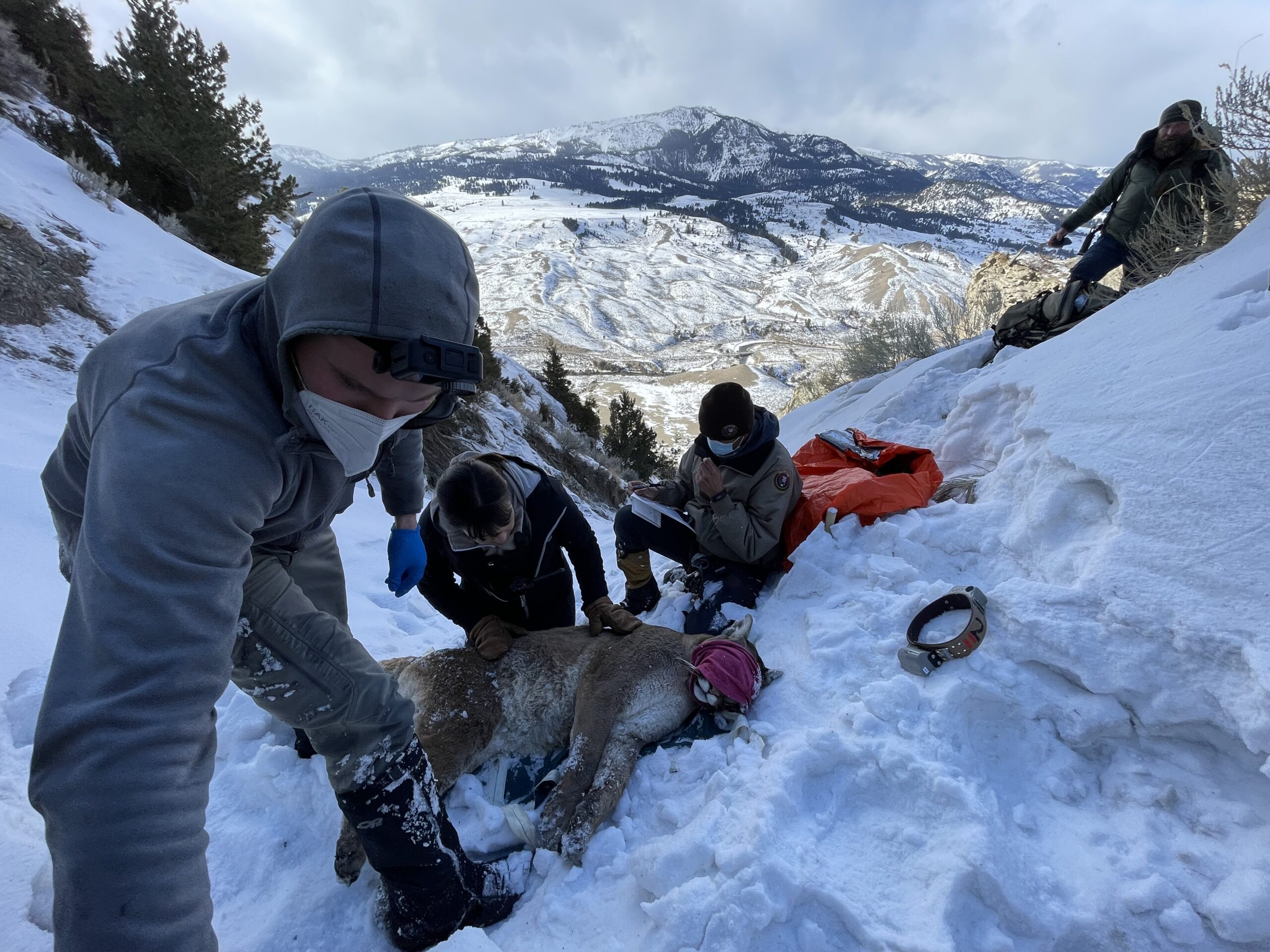
Cougar collar deployment

To learn more about the dynamics of wolf and cougar interactions, as well as Wes’s experiences working with large animals in Yellowstone, tune in to KBVR 88.7FM this Sunday, May 10 at 7:00pm. You can listen to the episode anywhere you listen to your podcasts, including on KBVRSpotifyApple, or anywhere else!

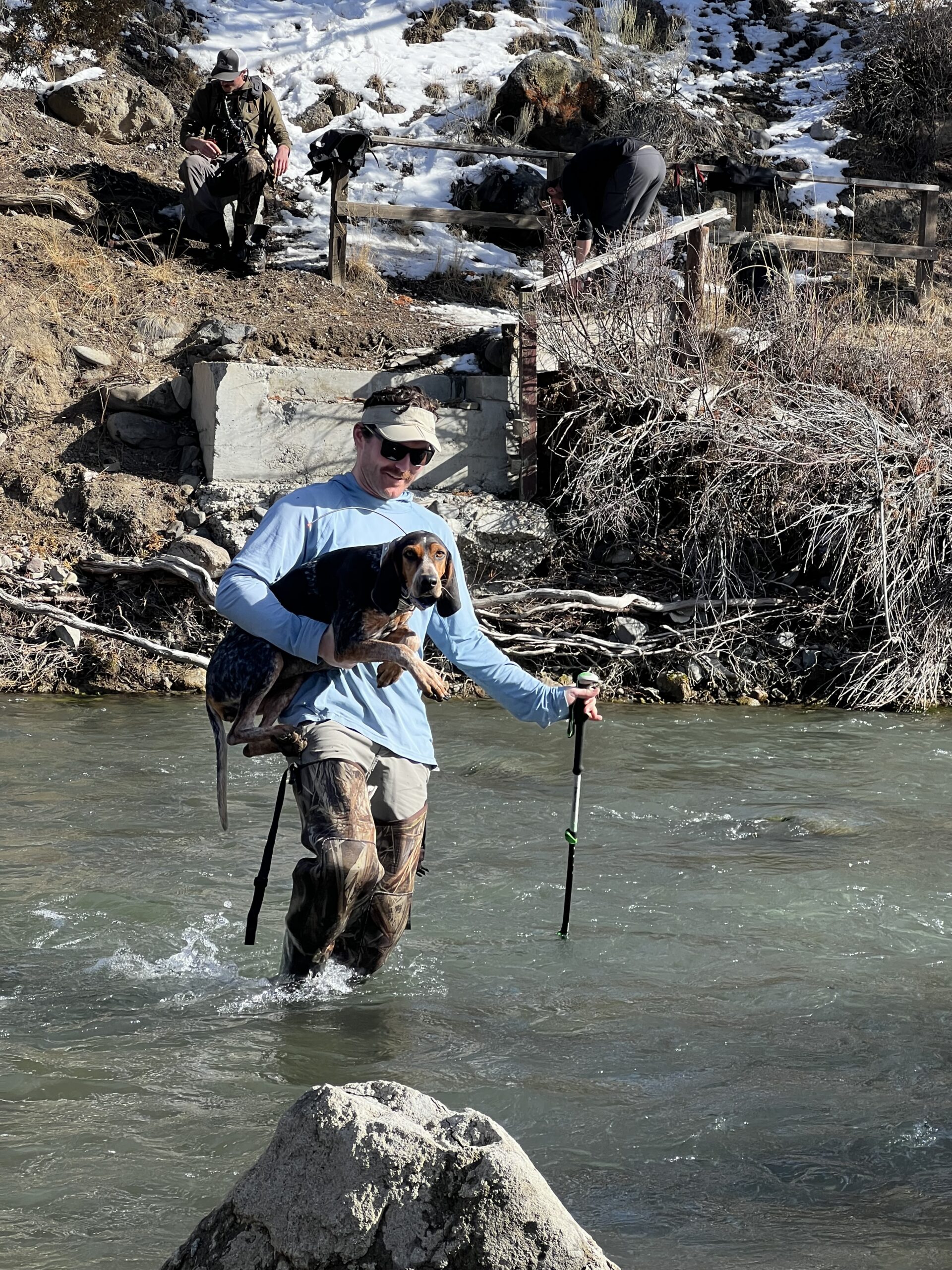
Wes fording with a hound

Written by Matthew Vaughan.