Tag Archives: Fisheries and wildlife

Wolves, Cougars and the Fight for Food in Yellowstone

Yellowstone National Park is known for its stunning landscapes and wilderness, housing some of North America’s most iconic apex carnivores, such as wolves and cougars. However, these animals do not live in isolation from one another – they often interact and compete for prey.
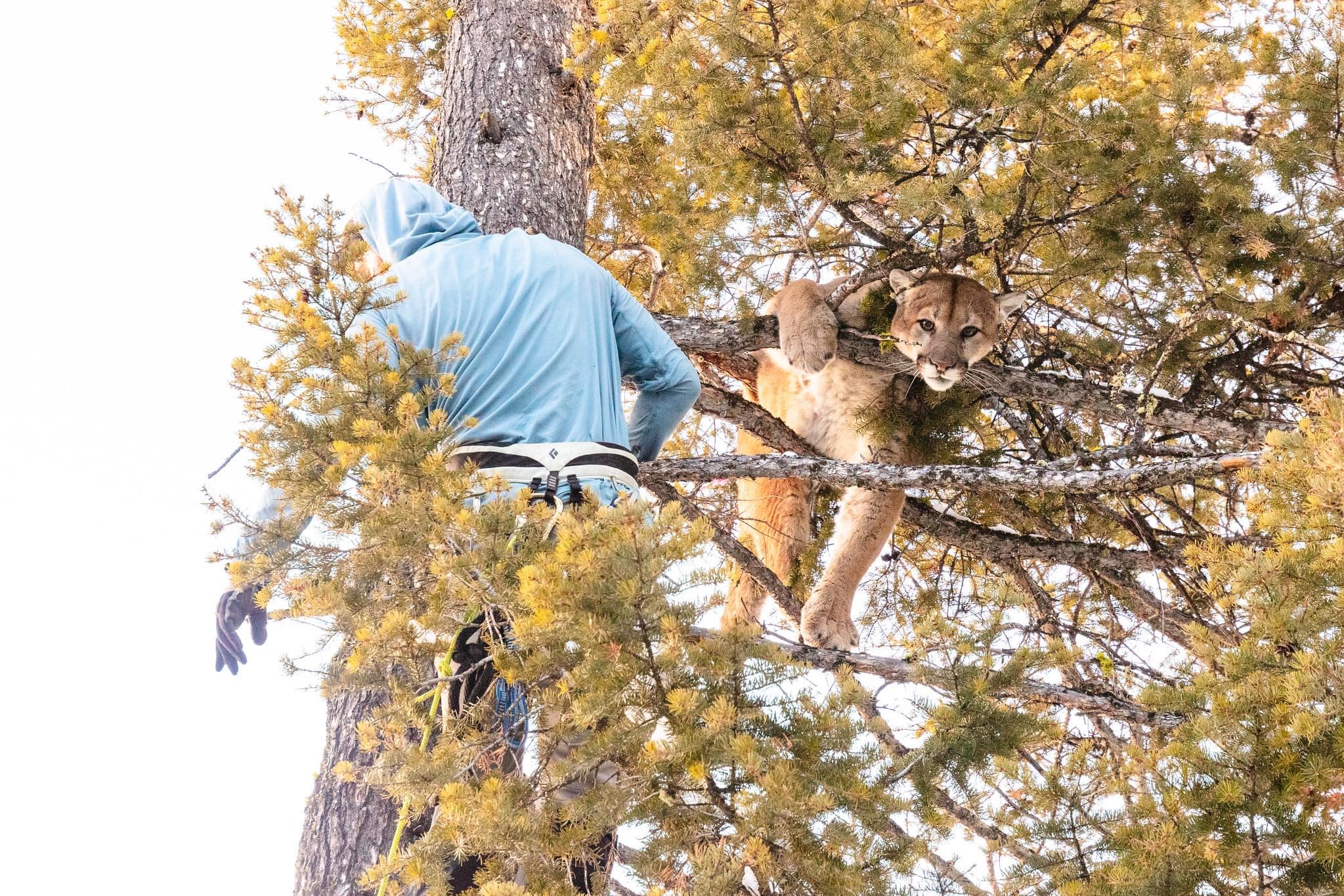
Extracting a cougar from a tree

Our guest this week is Wes Binder, a PhD Candidate in the Department of Fisheries, Wildlife and Conservation Sciences, who has spent many years in Yellowstone and is researching these complex interactions. Using GPS telemetry data, camera traps, and field investigations of kill sites, he aims to understand the mechanisms that drive these interactions and how they vary with diets, dominance hierarchies, and environmental conditions.
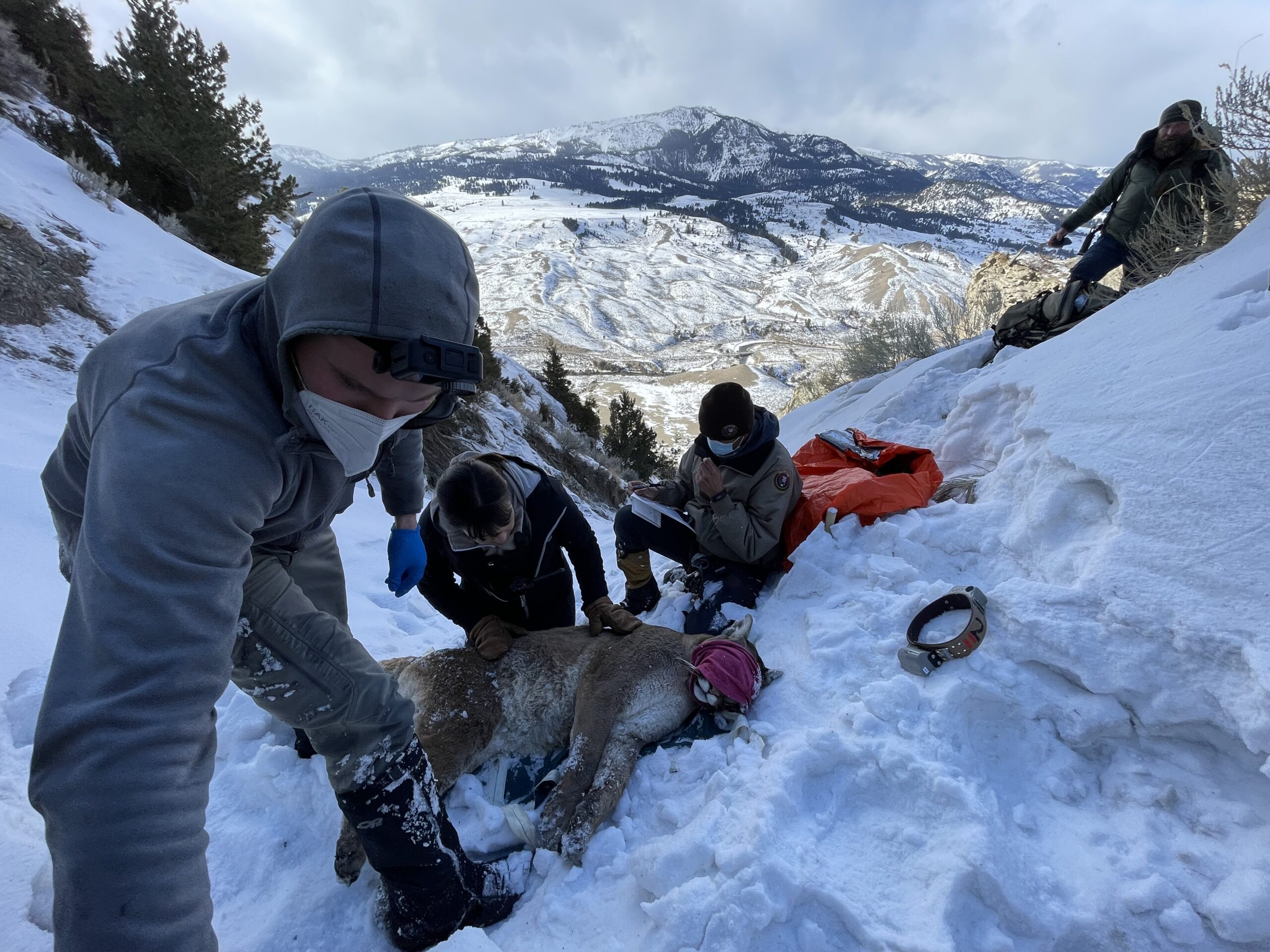
Cougar collar deployment

To learn more about the dynamics of wolf and cougar interactions, as well as Wes’s experiences working with large animals in Yellowstone, tune in to KBVR 88.7FM this Sunday, May 10 at 7:00pm. You can listen to the episode anywhere you listen to your podcasts, including on KBVRSpotifyApple, or anywhere else!

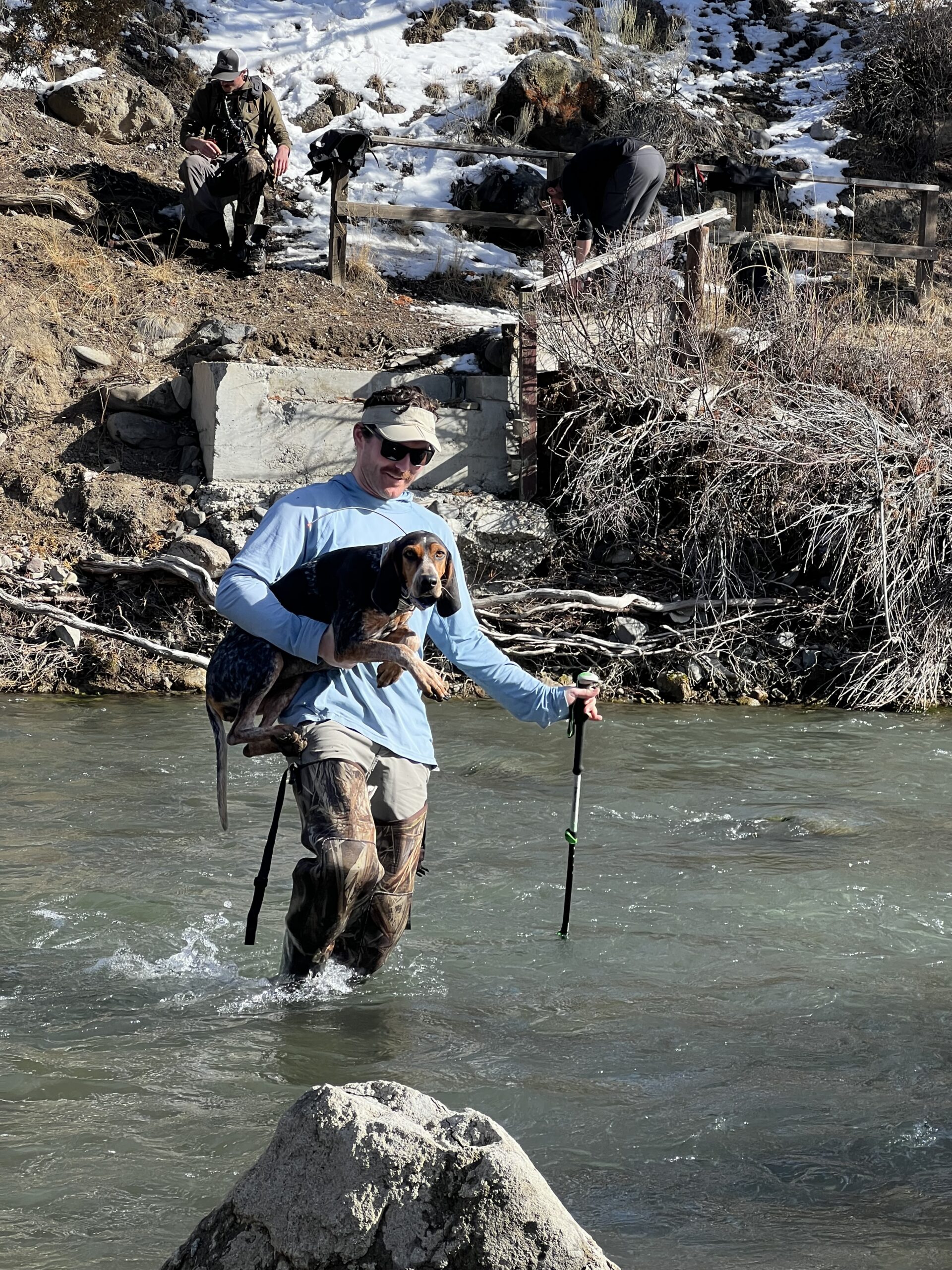
Wes fording with a hound

Written by Matthew Vaughan.

Scat, and wolves, and worms, oh my!

Alaska is home to four subspecies of gray wolves whose diets differ depending on where in the state they are and the food resources they have access to. While the wolves themselves may be difficult to keep track of, scat (poop) won’t try to run away and contains enough information to help researchers understand the diets of these animals. The Levi Lab, here at OSU, maintains a large library of DNA material collected from Alaskan wolf scat samples. What if this DNA could tell us more about the lives of Alaskan wolves and help us more deeply understand the diseases they are exposed to? This is exactly the question that our guest this week is trying to answer.

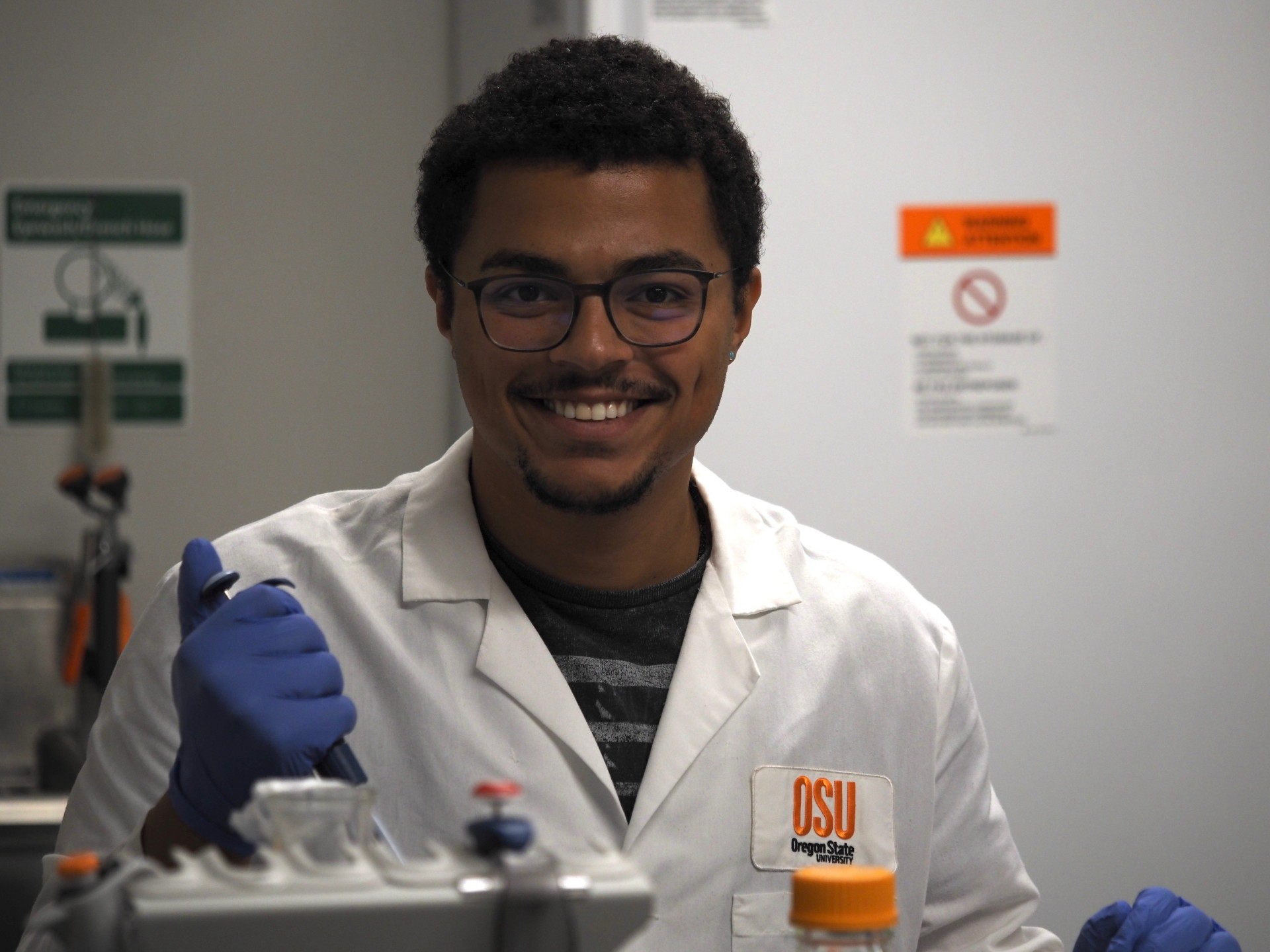
This week on the show, we are joined by Zach Muniz, a 2rd year master’s student under the advisement of Dr. Taal Levi in the Department of Fisheries, Wildlife and Conservation Sciences. Using Levi Lab materials, resources from collaborators and publicly available databases, Zach is developing methods to study the helminthic parasites that pass through the digestive tracts of Alaskan wolves. Zach extracted helminthic DNA from over 930 wolf scat samples during his time here at OSU! When Zach isn’t in the lab, he enjoys giving back to the community by mentoring the next generation of scientists in science communication programs such as OSU Explore and More, and Salmon Watch.

Tune into KBVR 88.7 FM at 7:00 pm PST on February 8th to hear Zach describe the many stepping stones of his journey to and through graduate school!

Written by Emilee Lance

Hear ye! Hear ye! Bioacoustics are telling us about the health of our forests

If you’ve ever recreated in the stunning forests of the pacific northwest, you’ve probably taken in a peaceful moment listening to the wind rush through the trees, the pattering of the rain, the buzz of insects, and the chattering of birds. What you may not have considered, is that these sounds could be indicators of forest health. Second year masters student in Fisheries and Wildlife, Anna Bloch Kohlberg, is assessing the health of Pacific Northwest forests with bioacoustics. Bioacoustics uses sound to study an ecosystem or species. From animal communication and behavior to coral reef health, the study of bioacoustics has broad applications.


Anna is specifically investigating forests covered by the Northwest Forest Plan (NWFP). The NWFP is a series of federal policies and guidelines governing land use on federal lands in the Pacific Northwest. It was established to protect threatened and endangered species while also contributing to the social and economic sustainability of the region. In her research with Damon Lesmeister and Taal Levi, she analyzes bioacoustics data collected from 4000 recorders across the Northwest for acoustic signatures of indicator species. The processing and analysis of these massive datasets is aided by AI tools developed by the lab. From the analysis of these datasets they are able to get key information on the health of forests across the Northwest, which inform policy and conservation efforts.
Tune in at 7pm on November 10th at 7 pm PST on KBVR 88.7 FM to hear all about the sounds and silence of our forests and what that tells us about them!

If you miss the show, you can check out the interview wherever you get your podcasts, including on our KBVR page, Spotify, Apple Podcasts, or anywhere else!