Monthly Archives: April 2026

Context Matters in Physics Education

Education research is a budding scientific field of study which seeks to explore the interactions between learning processes, human attributes and institutional structures that influence a student’s receptiveness or enjoyment of a given subject. Here at OSU, researchers in the Department of Physics recognize the under-representation of diverse identities in their field and working to uncover the underlying causes of this. Turns out that the context of class questions and an individual’s gender expression may play a role.
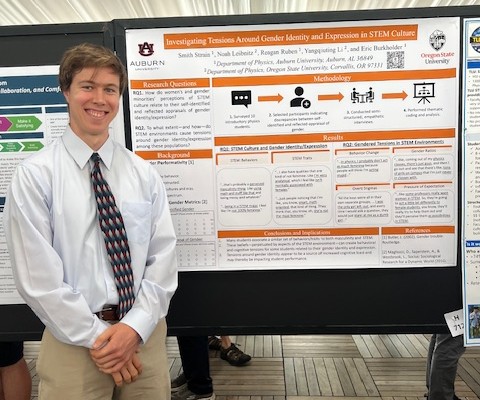
Our guest this week is Noah Leibnitz, a 4th year Ph.D. candidate in the Department of Physics. Advised by Dr. Doris Li, Noah conducts research on physics education. His two projects here at OSU are centered around a single idea: student retention in the physics discipline. Noah is conducting pioneering research to understand what aspects of physics education act as barriers and deterrents for students and their interest in physics. Early on in his graduate education Noah realized that he enjoyed engaging with others much more than he enjoyed working with equipment which has led him to a research career that balances his interests in physics, conversational research, and teaching.
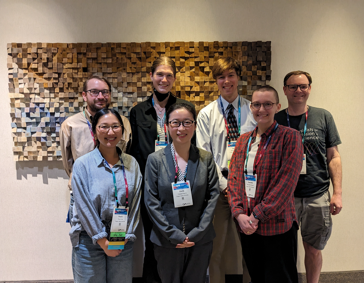
Tune in this Sunday, May 3rd @7pm to hear Noah talk about what it’s like to conduct interviews as part of his research and describe the intricacies of designing problems that are not only challenging, but interesting to solve as well.
Understanding the Vole picture

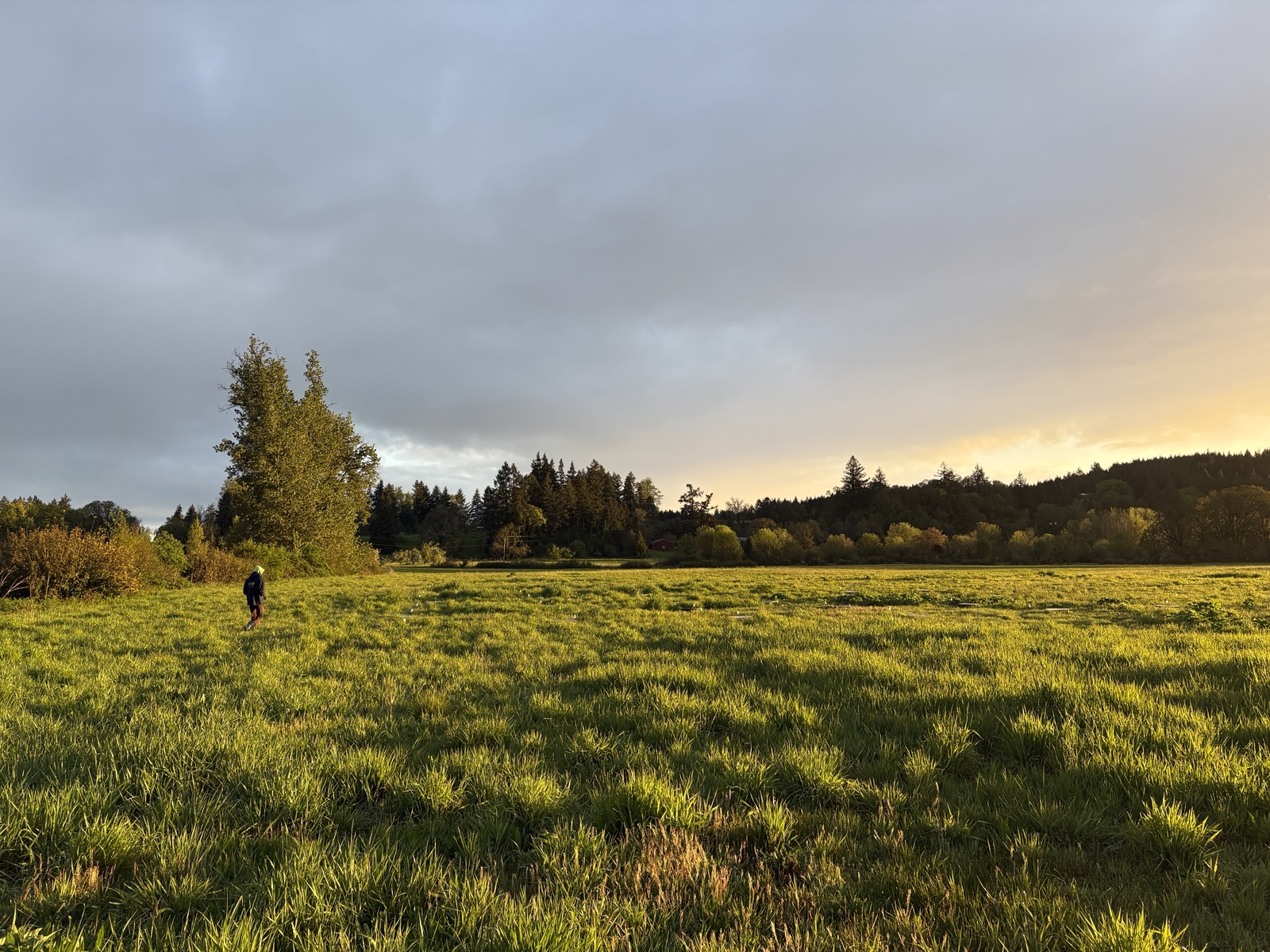
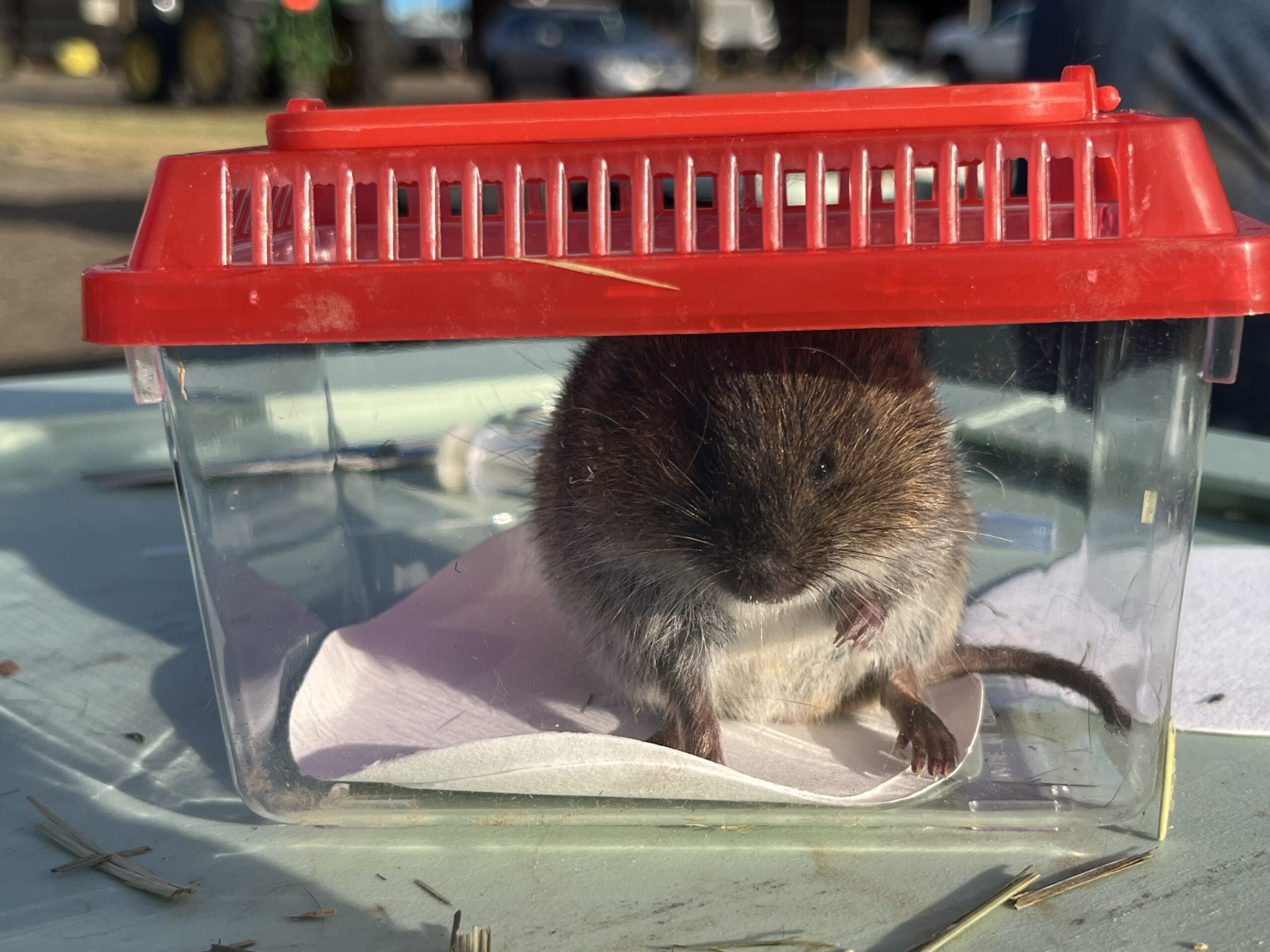
Many wildlife populations experience change over time. For some, this can be defined as “boom” and “bust” periods – cycles of change where population numbers rise and fall. Understanding these can be a major challenge for scientists and wildlife managers, particularly for species who have not historically been monitored. One such species with limited data is the gray-tailed vole, a rodent species endemic to the Willamette Valley.

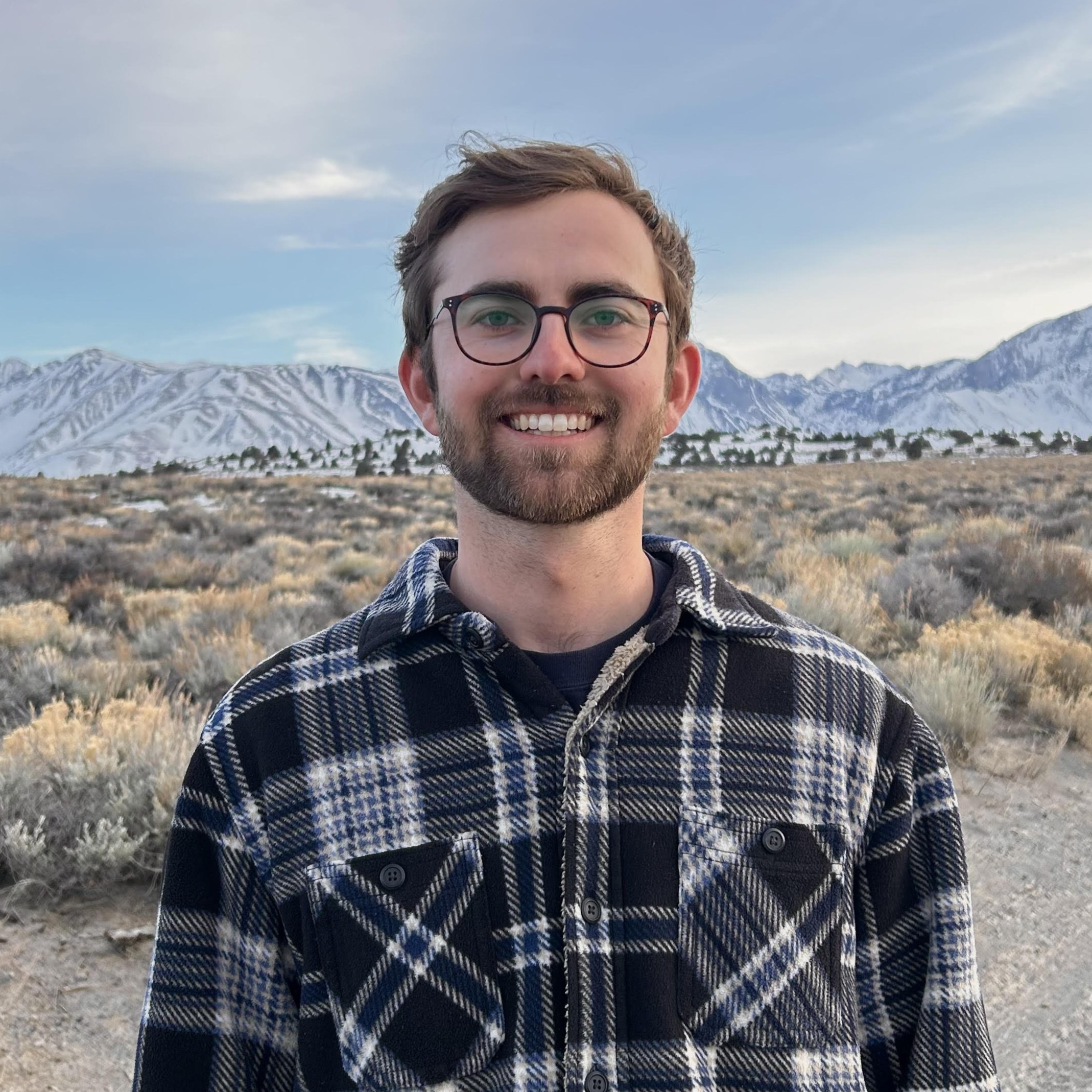
Our guest this week is Austin Nash – a first-year PhD student seeking to better understand and manage the population cycles of gray-tailed voles. His research focuses on how disease and weasel predators may influence vole movement, survival, and reproduction. To do so, Austin is deploying a wide range of methods, including landscape scale genetics, field experiments, establishing a long-term monitoring program, and running population simulation models.

To hear more about Austin’s plans to better understand vole populations in Oregon, as well as his unique array of experiences leading him to OSU and making him the ideal person for the task, tune in to KBVR 88.7FM this Sunday (April 26) at 6:30pm. You can listen to the episode anywhere you listen to your podcasts, including on KBVRSpotifyApple, or anywhere else!

Written by Matthew Vaughan.

It’s a RNA’s World and We’re all Living in it

The central dogma of molecular biology is a theory stating that genetic information flows only in one direction, from DNA, to RNA, to protein. However, since the fundamental theory was developed by Francis Crick in 1958, scientists have discovered several exceptions to the theory. This includes prions and retroviruses. Prions are infectious proteins which replicate without going through DNA or RNA intermediates and are responsible for diseases such as mad cow disease, and Creutzfeldt-Jakob disease. A retrovirus is a virus that uses RNA as its genomic material, rather than DNA. In addition to the expansion of the central dogma, molecular biology has expanded its knowledge of the functionality of RNA beyond producing protein. A non-coding RNA (ncRNA) is an RNA molecule that is not translated into a protein. It is estimated that as much as 80% of the human genome encodes ncRNAs. Many of the newly identified ncRNAs have unknown functions, making it a new and exciting frontier in molecular biology.
This week’s guest is Sanjay Ramprasad, a post-doctoral researcher in the lab of David Hendrix, and recent PhD grad from the department of Biochemistry and Biophysics. Sanjay’s research focuses on using computational techniques to discover new functions and structures of ncRNAs. To hear all about the transition from PhD to post doc, the expansive frontier of RNA biology, and how one goes from the social sciences to biophysics, tune in at 7PM on April 19th to 88.7 FM KBVR Corvallis, or check out the show on our podcast pages.

A pear a day keeps the doctor…wishing for pear varieties with better rooting abilities

Imagine you are in the produce section of the grocery store picking out your fruit for the week, and you remember the apple marketing slogan “an apple a day keeps the doctor away”. Once you make your way over to the apples, you are almost guaranteed to find a variety that fits your preference for taste and texture. These varieties are only made possible because of grafting techniques, a method for combining and reproducing desirable traits in fruit trees. Pear cultivation uses similar techniques, but producing desirable traits such as dwarfing, that apples so readily display remains a challenge in pear cultivation. This is why the selection of pear varieties is so dwarfed (pun intended) compared to that of apples.

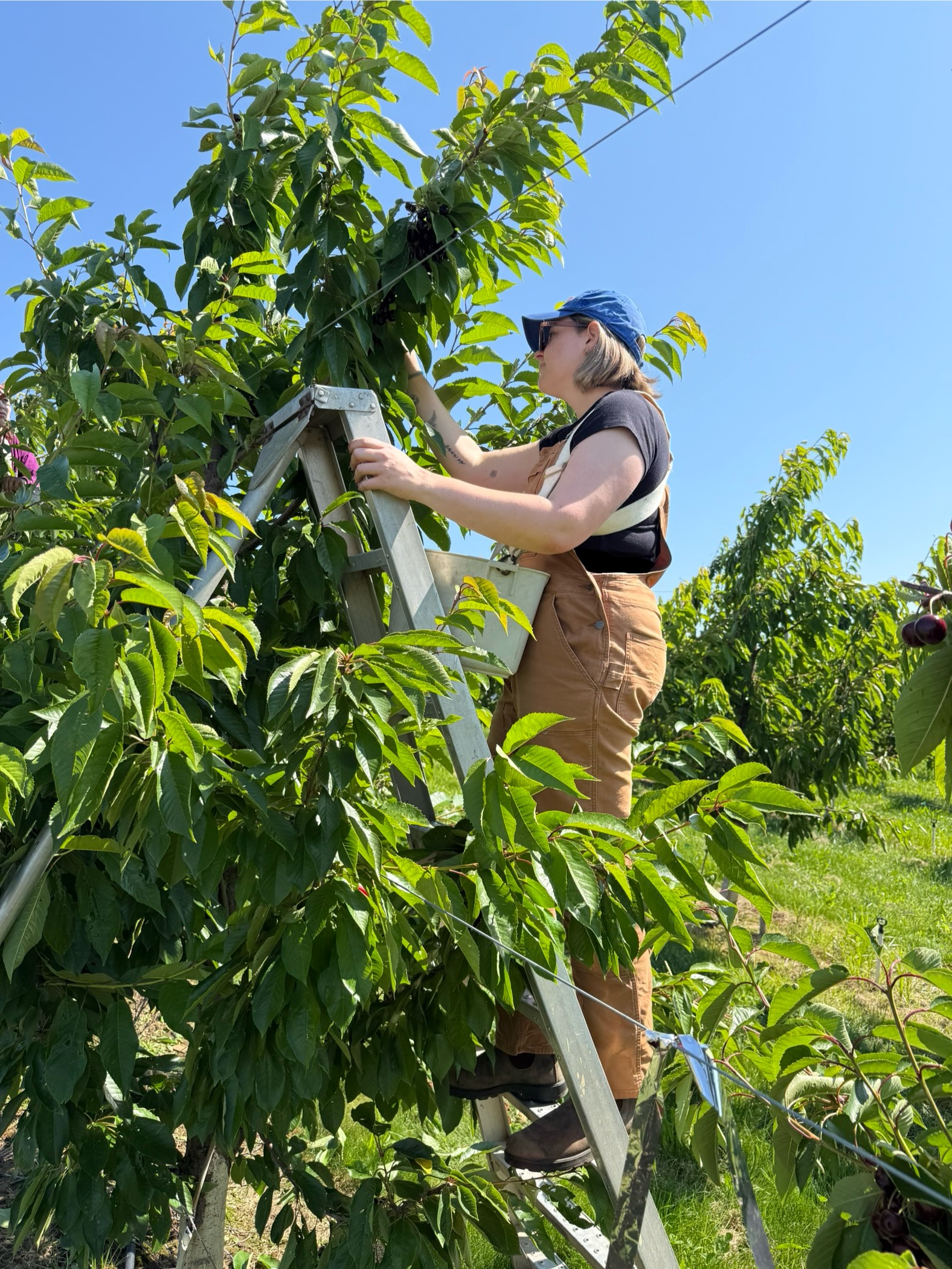
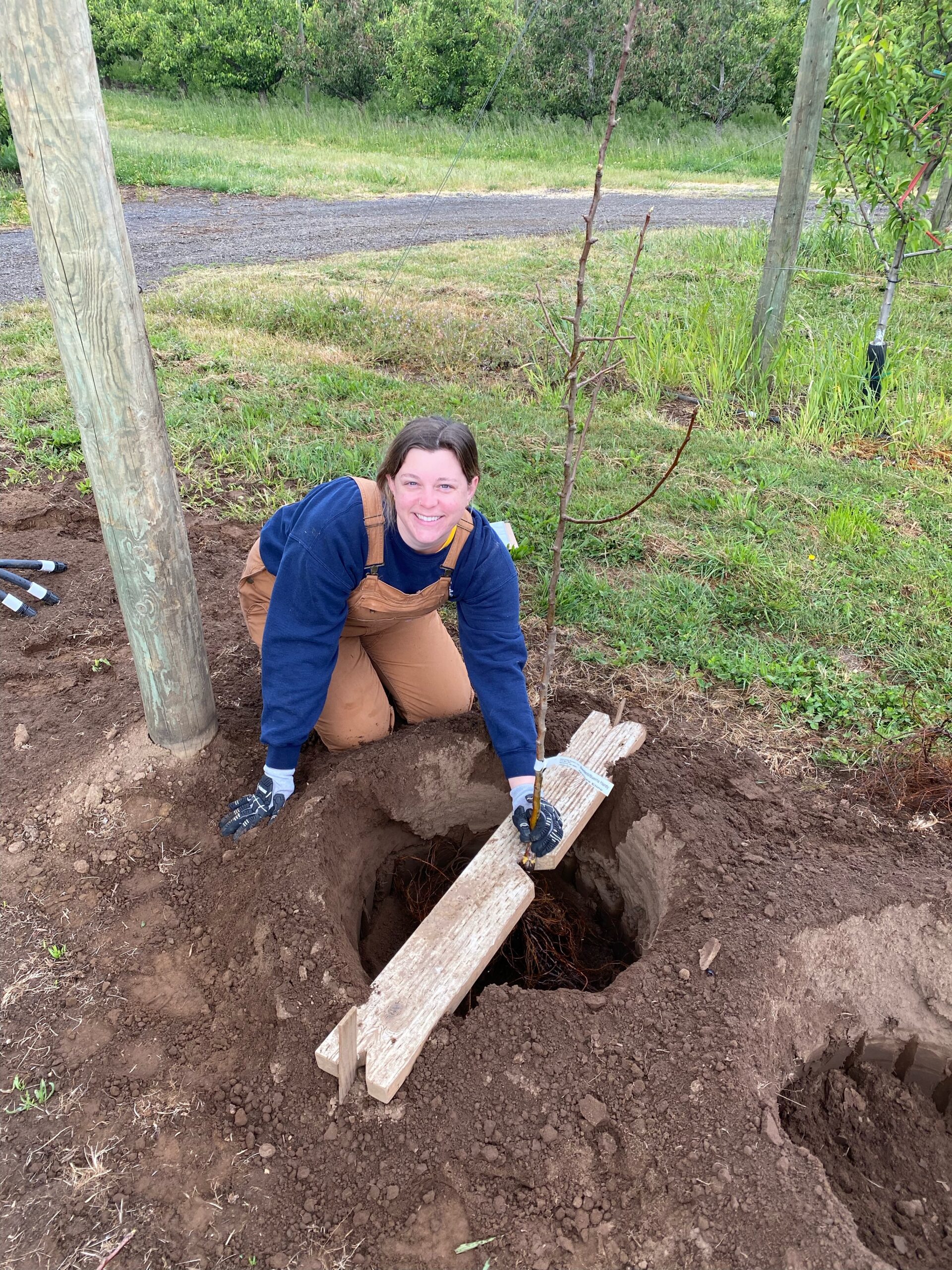
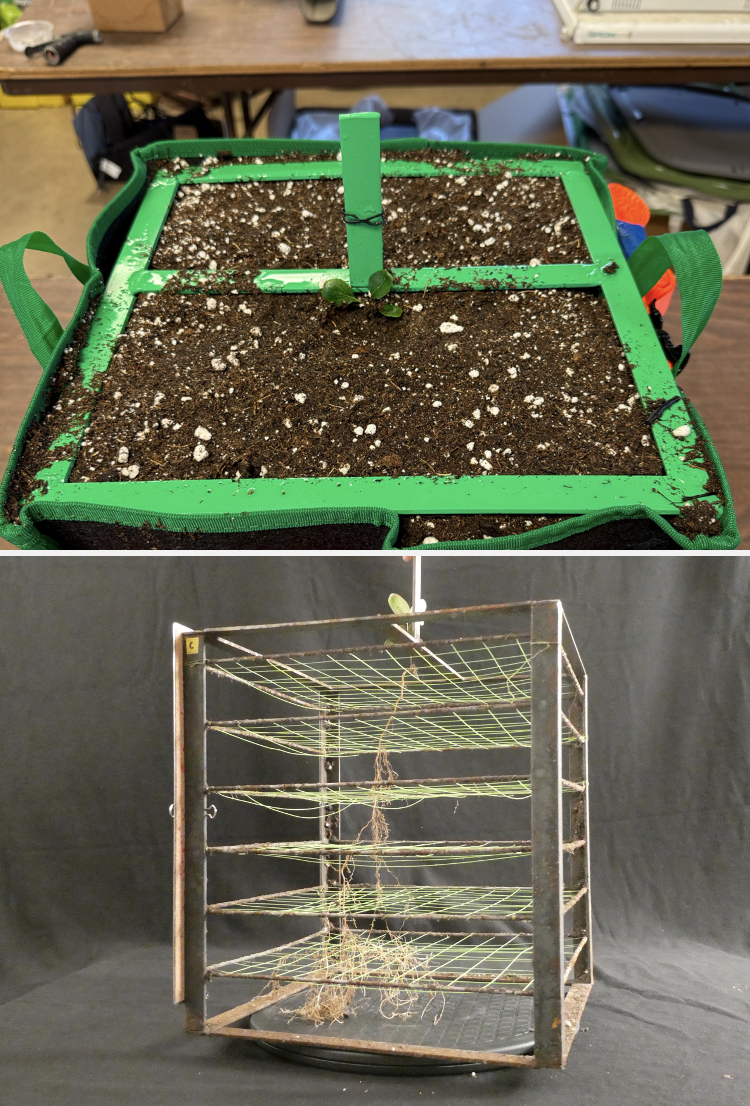
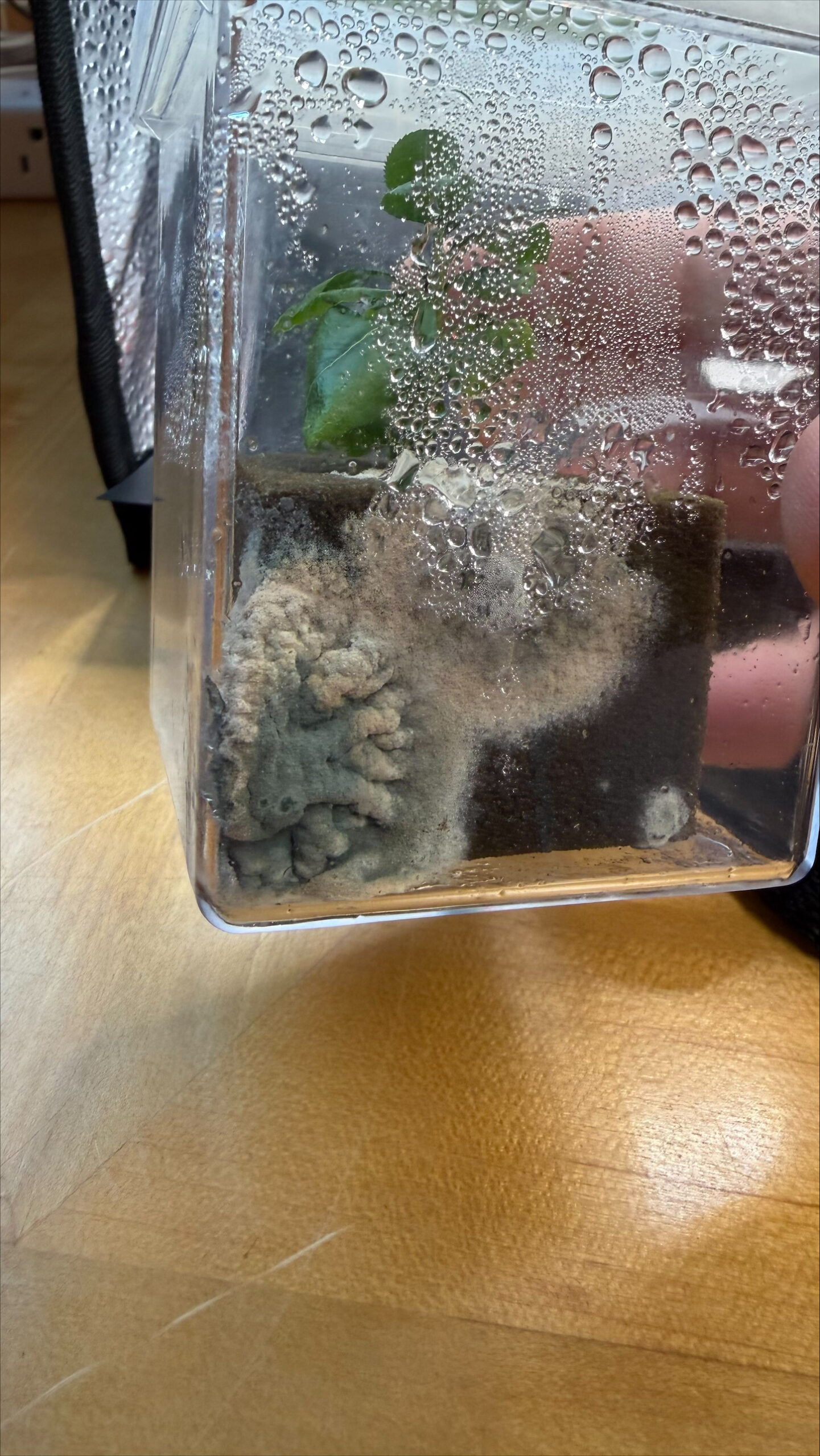
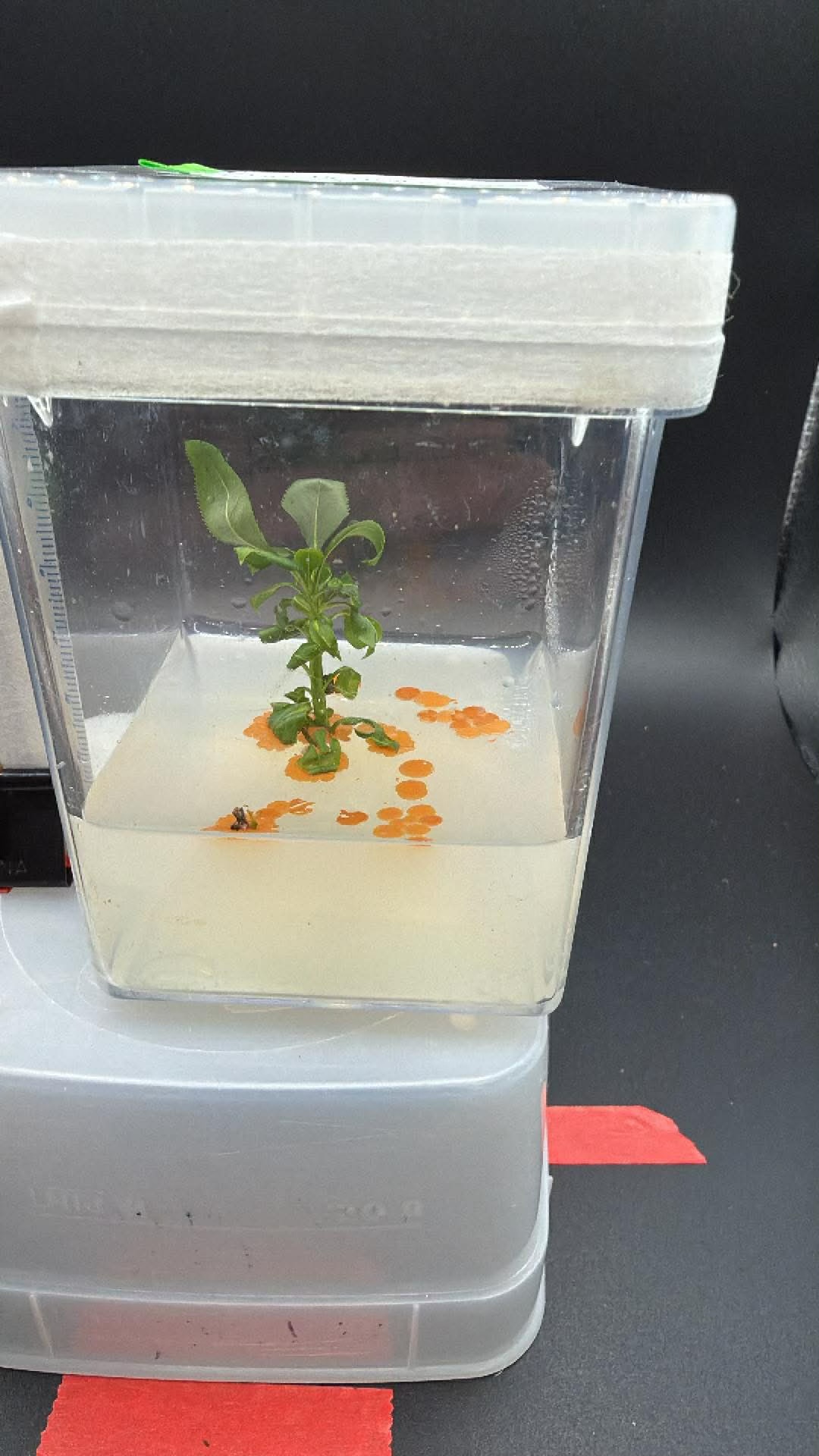
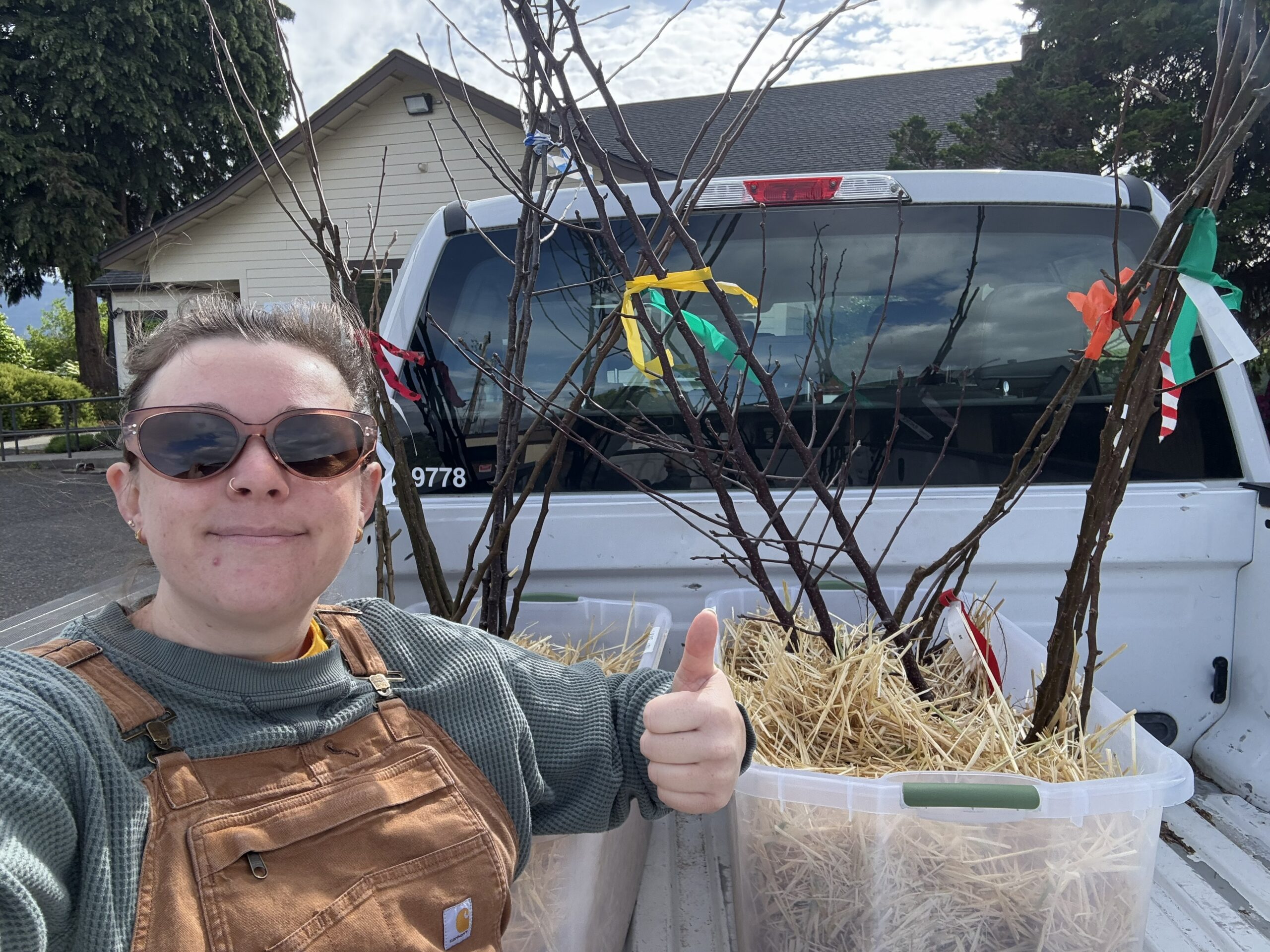
This week on the show we are joined by Claire Pierce, a 2nd year master’s student in the Department of Horticulture. Claire is co-advised by Kelsey Galimba (OSU) and Jessica Waite (USDA-ARS), and conducts her research at the Hood River Research Station. The long-term goal of Claire’s research is to diversify the available rootstocks used in the pear industry and improve yield for agricultural pear cultivation. The first step is to find compatible rootstocks (the base of the plant) and scions (the top of the plant) that exhibit dwarfing characteristics, something that is limited in the current pear industry. The next step is developing root structure phenotype characterization methods; a classically tricky task to accomplish due to the roots being hidden underground and all that.

Tune into KBVR 88.7 FM at 7:00 pm PST on April 12th to hear Claire talk about how she is overcoming these challenges and gaining valuable experience along the way. Claire’s story is one filled with moments of being in the right place at the right time and leaning into making connections. If you want to see more pictures of Claire’s work and follow her through her field season this year, check out the Galimba Pear and Cherry Research Lab Instagram account @galimbalabosu.