Virtual reality (VR) offers a unique opportunity to create interactive learning experiences that maintain the reciprocal engagement of in-person environments while allowing for flexible scheduling. Simulated chemistry and biology labs, for example, can significantly reduce hazardous waste and eliminate ethical concerns associated with the use of animals in classroom settings. Another advantage of VR in education is its ability to adapt to individual learners, meeting students where they are in their comprehension and supporting personalized learning. Expanding this technology into other areas of education holds great potential for increasing accessibility and improving learning outcomes.
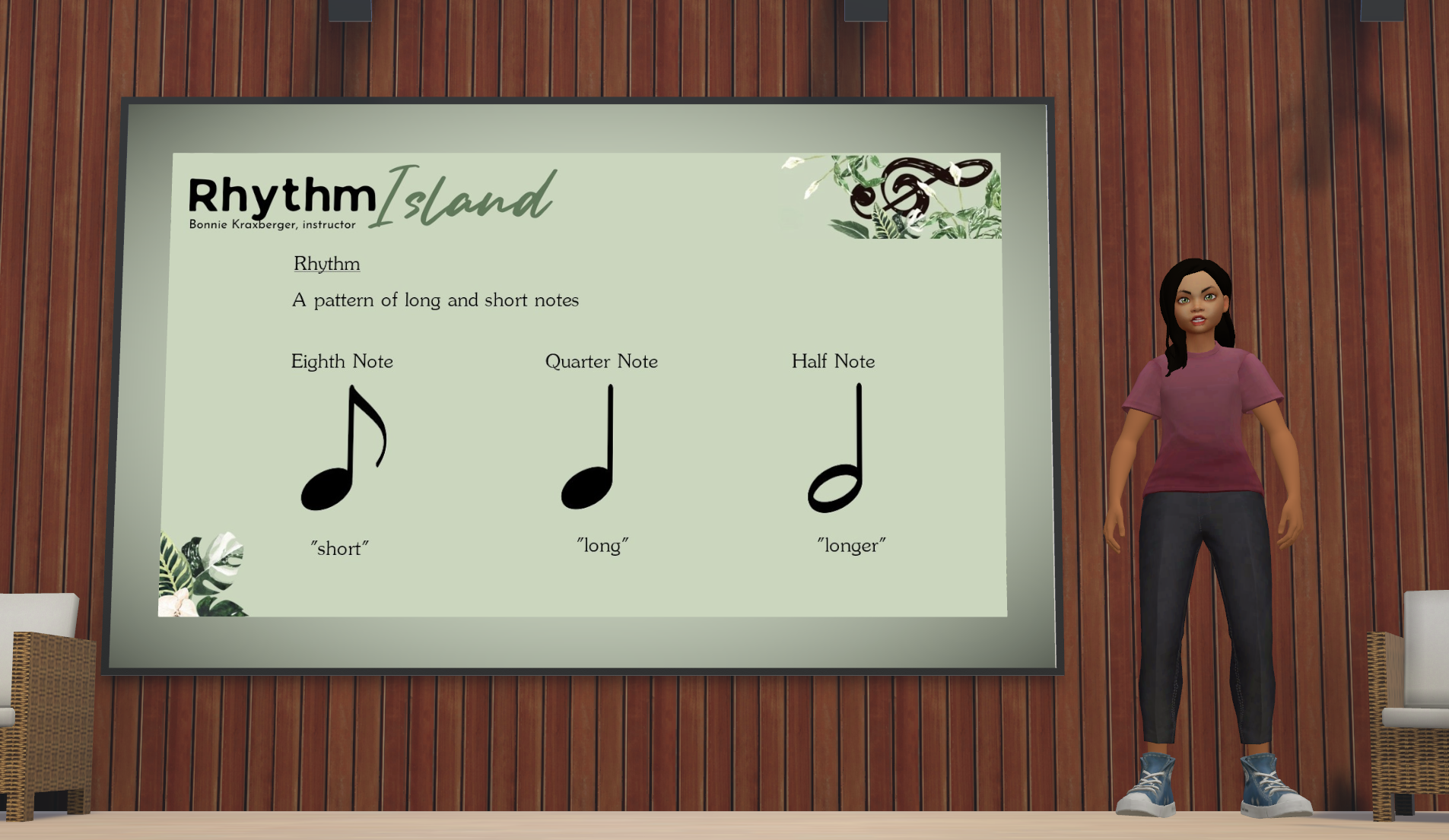
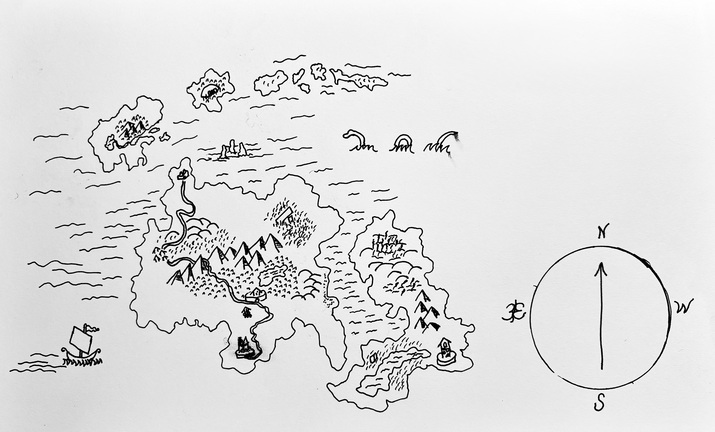
Our guest this week is Bonnie Kraxberger, a second-year graduate student in the College of Education. Bonnie will graduate this summer with a Master’s degree in Adult and Higher Education, along with a Graduate Certificate in Instructional Design. As both an education program developer and a music teacher who navigated the challenges of remote instruction during the COVID-19 pandemic, she is passionate about developing technologies that support effective independent learning. Bonnie entered graduate school with the goal of creating a virtual environment to teach adults the fundamentals of music literacy. Her project brings learning to life with creative elements like seashell-shaped musical notes and pirates playing bongos—an imaginative approach that makes learning both engaging and fun. I’ve never wanted to take a music class so badly!

Tune in this Sunday, May 17th at 7 PM to hear Bonnie discuss the challenges of accurately integrating sound into virtual learning environments, as well as the successes she’s achieved by prioritizing her goals while balancing graduate school and parenthood.