Monthly Archives: November 2025

An expert on experts!

How do you identify “an expert”? The answer to this question is more complex than you might think. Most of us might think of people with multiple degrees or extensive experience in a specific field as experts. However, as our guest this week is discovering, experts can be people with passion, people with connections or people with specific job titles. Recognizing the enacted and relationally valued characteristics of an expert is essential to creating systems where experts that reflect a community’s ideas and values are the ones making the decisions. One example is the community of people around and connected to the Puget Sound watershed region and the jurisdiction of the Puget Sound Partnership: an area spanning 12 counties and 28 recognized Tribal Nations. Large restoration efforts are underway to restore Puget Sound and prime the ecosystem for climate adaptation. These efforts hinge on not just access to climate adaptation knowledge, but who is recognized to apply such knowledge and the social structures to shape its uptake.
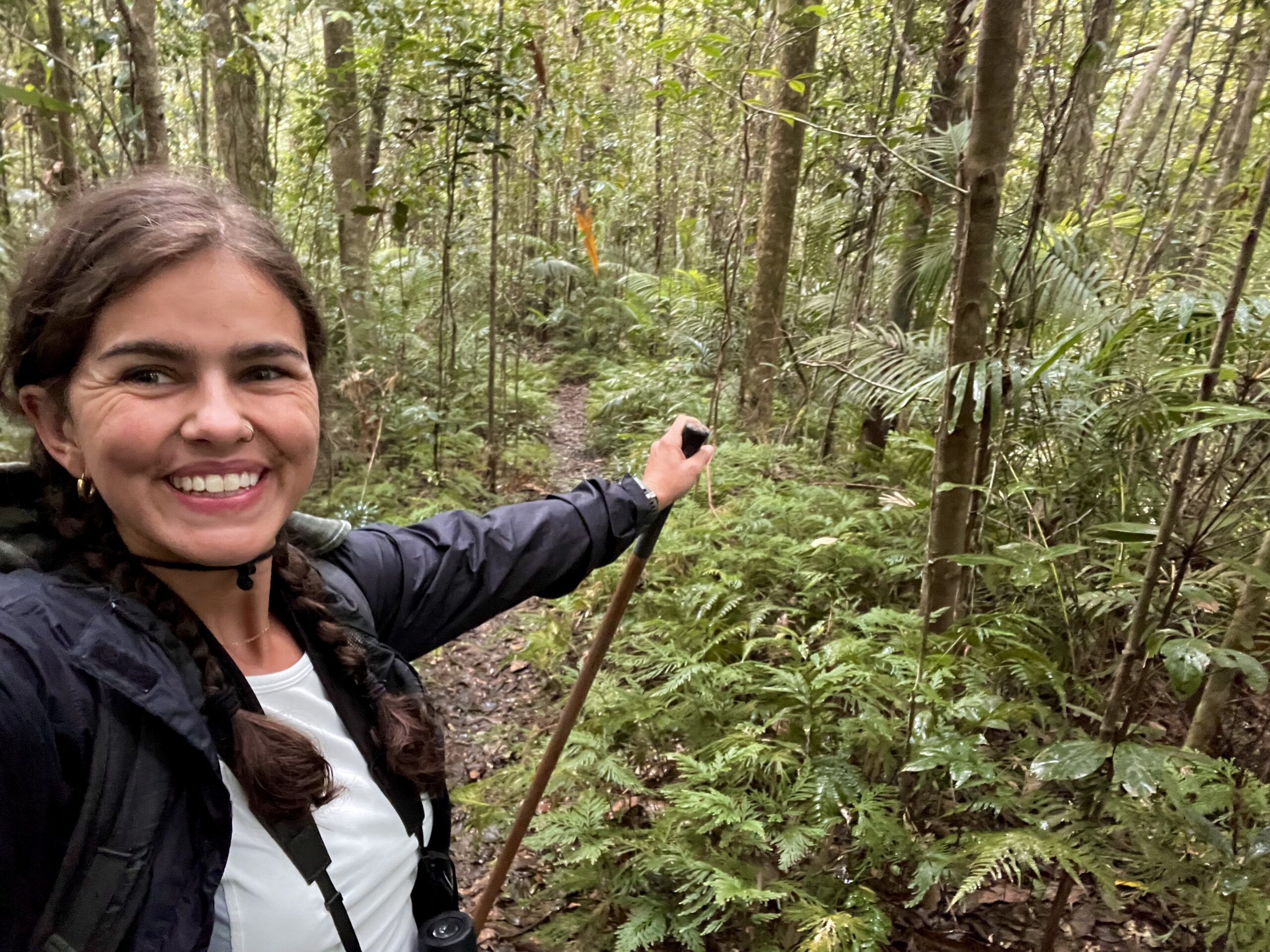
Our guest this week is Krista Harrington, a 4th year PhD Candidate in the Department of Fisheries, Wildlife, and Conservation Sciences. Krista utilizes political ecology and science, technology, and society theory in environmental natural resource management. During her Bachelor’s degree, Master’s degree and time spent working in wildlife conversation, she kept asking herself “who are we going to for expertise?”. This question ultimately shaped the path of her PhD work and is how she is contributing to restoring Puget Sound.
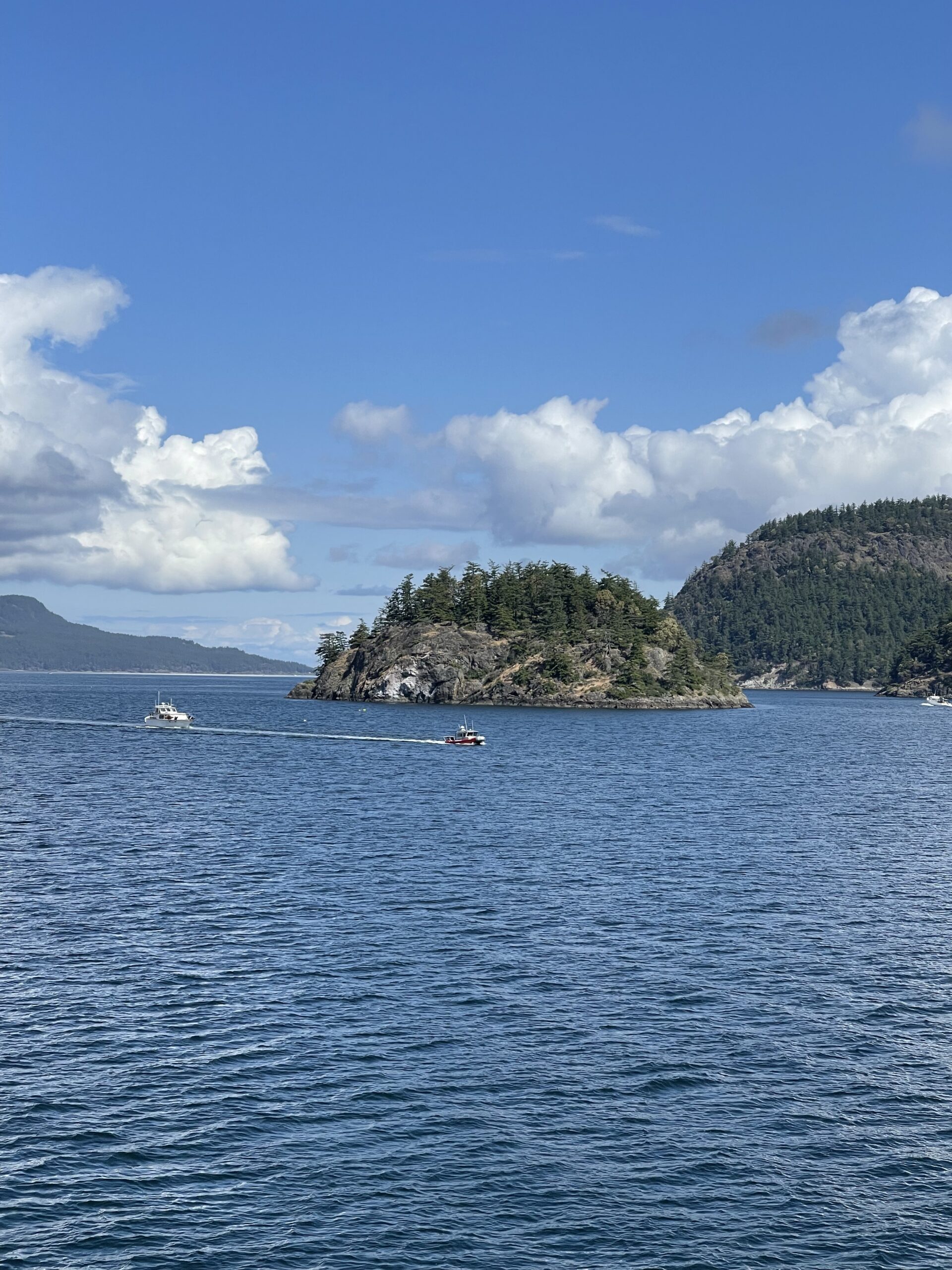
Tune into 88.7 KBVR Corvallis this Sunday (Nov. 23rd) @ 7pm to hear Krista explain her approach to understanding how the Puget Sound community defines what an expert looks like and how they are developing effective pathways for expert integration into climate adaptation strategies.

The complex movement, behavior and ecological interactions of ravens

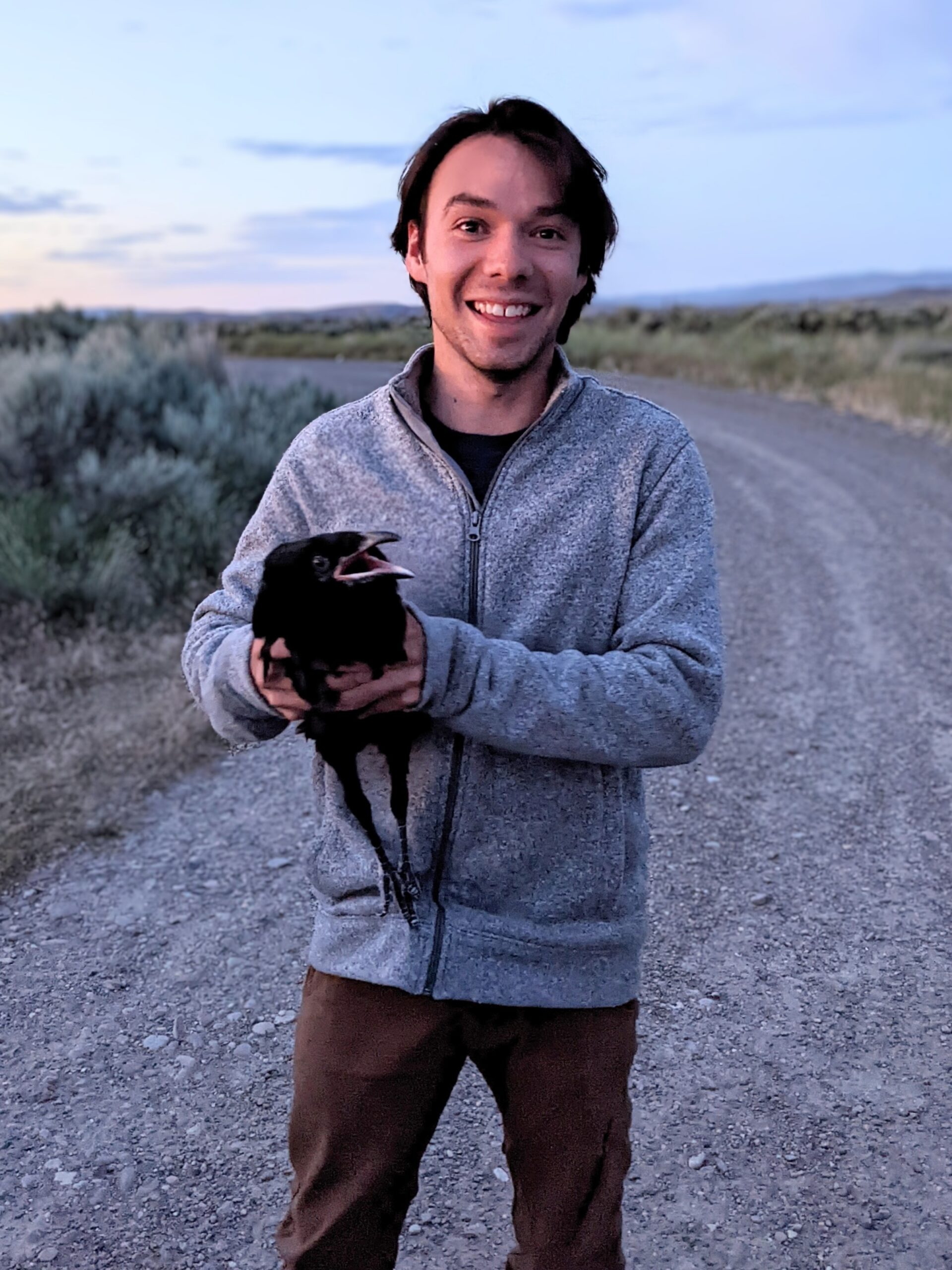
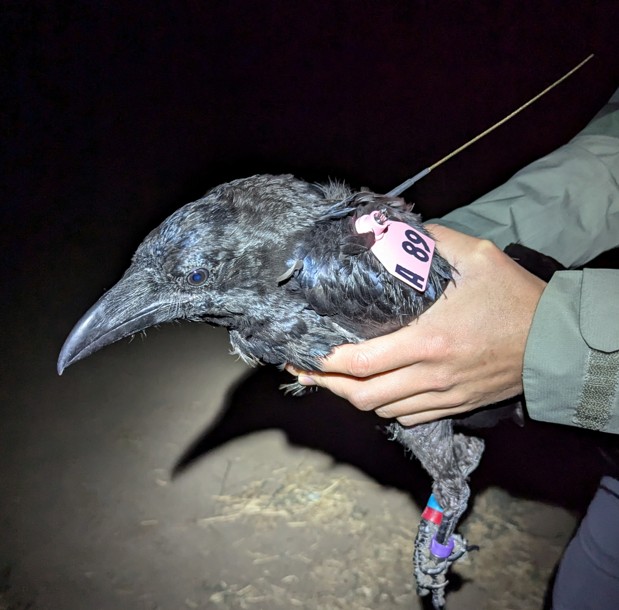
Ravens are majestic birds, captivating many humans and spanning in their cultural significance. Most people imagine ravens perched in a field, with many guides stating they maintain a general homebase without migration. However, the behavior of ravens is much more complex, with much still to be discovered.

Our guest this week is Richard Rich who recently completed his Masters through the Department of Animal and Rangeland Sciences at Oregon State University. His research studied migratory behavior in ravens, a phenomenon that has never been observed in the species. His novel finding challenges what we know about ravens, showing that many tagged birds in eastern Oregon are migrating seasonally.

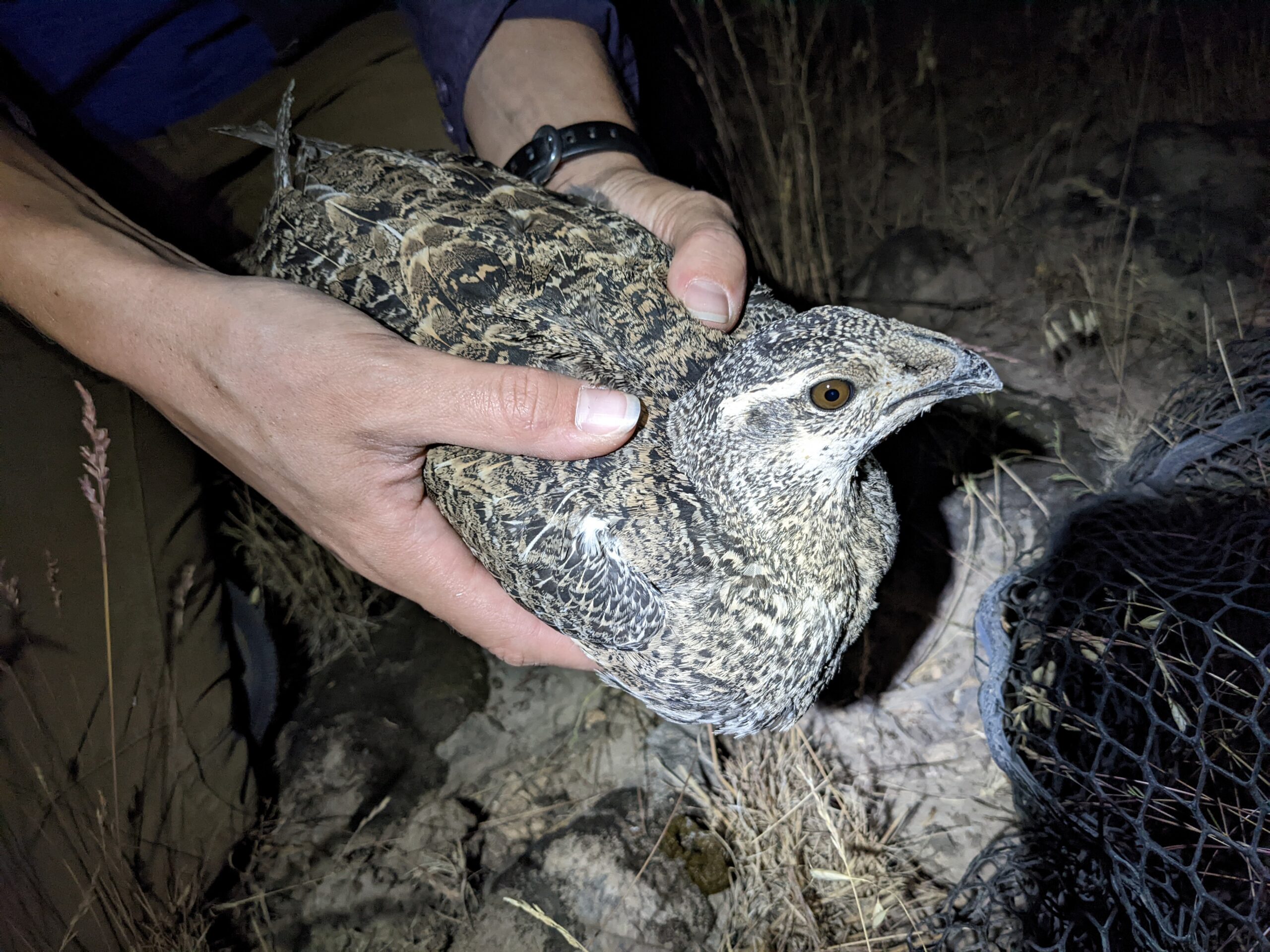
Not only are the behaviors of ravens complex, but so to are their interactions with other birds. One such bird – the Sage-grouse – is experiencing population declines, concerning in part due to their association with sagebrush and with many efforts to save them. Although many factors are at play, ravens add additional pressure due to their increasing population density and feeding on Sage-grouse eggs. Raven removal has been a topic of recent conversation, proposed to help keep Sage-grouse populations alive. However, ravens are native to many locations in the US, leading to complicated issues regarding their removal. Richard compares the methods of both lethal and non-lethal raven removal in attempts to improve management.

To hear more about ravens and their complex behavioral and ecological interactions, tune in to KBVR 88.7FM this Sunday (Nov 16) at 6:30pm. You can listen to the episode anywhere you listen to your podcasts, including on KBVRSpotifyApple, or anywhere else!

Written by Matthew Vaughan.

Giants of Aotearoa: Predator-prey dynamics of blue whales in South Taranaki Bight, New Zealand

Blue whales (Balaenoptera musculus)  are the largest animals that have ever existed on Earth. Despite this, they feed exclusively on krill (Nyctiphanes australis) which are typically no larger than 2 cm. Thus, they must consume massive amounts of these tiny organisms to support the large energy requirements of their life history processes. Researchers are interested in understanding how predator-prey dynamics between blue whales and krill may shift with changing ocean conditions. Nicole Principe is a 2nd year PhD student in the Geospatial Ecology of Marine Megafauna (GEMM) Lab at the Oregon State University Marine Mammal Institute, led by Dr. Leigh Torres. Her PhD work is part of the SAPPHIRE (Synthesis of Acoustics, Physiology, Prey, and Habitat in A Rapidly Changing Environment) Project and will focus on blue whales in the South Taranaki Bight in Aotearoa (New Zealand). This interdisciplinary work involves using oceanographic data, active acoustics for prey, drone imagery (i.e., photogrammetry), and hormone analysis to investigate the availability of krill and blue whale health and population resilience to climate change. 

Nicole Principe, 2nd year PhD student at Oregon State University.

Most blue whales, like other baleen whales, are migratory, meaning they move from cold-water feeding grounds to warmer waters for breeding. However, past research from the GEMM lab suggests that blue whales in the South Taranaki Bight do not migrate. Instead, blue whale song and acoustic calls can be heard year-round in this area, making it an important foraging and breeding ground for this population. Intermittent upwelling makes this a highly productive feeding area for blue whales, where high levels of primary productivity support large aggregations of krill. Therefore, these animals seem to stay for long periods of time, potentially year-round, to exploit these prey resources.

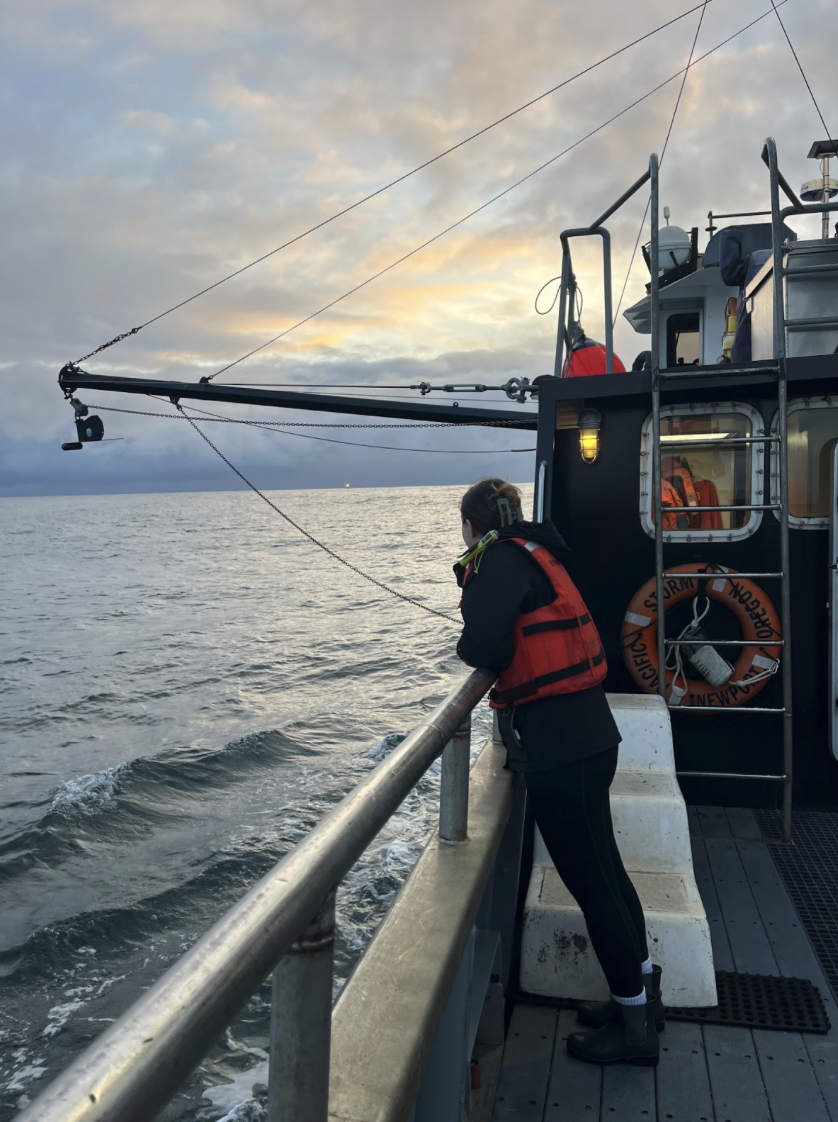
Nicole Principe at-sea, on the lookout for whales!

Part of Nicole’s work will build on previous work conducted by the GEMM lab by investigating the co-response of marine prey and predator to marine heatwaves. Marine heatwaves are a period of unusually high water temperatures and can have significant effects on ecosystems. As climate change continues, marine heatwaves may become more severe and prolonged. By understanding how krill and subsequently, blue whales respond to these events, researchers can then predict how populations may be impacted in the future, ultimately informing conservation measures. 

Nicole on the R/V Pacific Storm, a research vessel operated under OSU’s Marine Operations.

Nicole also completed a master’s degree studying bottlenose dolphin distribution in freshwater rivers in South Carolina, and spent a year and a half working for a marine mammal stranding network. Tune into the podcast this Sunday, November 9th to learn more about all of these incredible experiences!

Written by: Taylor Azizeh

Under the Bodhi Tree: Stories and Science

Have you ever heard of a Bodhi tree (Ficus religiosa)? According to Buddhist history, the Buddha attained enlightenment while meditating under a Bodhi tree. A branch of the original tree was planted in Sri Lanka over 2000 years ago, making it the oldest historical tree in the world today. Clones of this original tree have been planted all over the world in Buddhist Temples and personal gardens. The Hawaiian islands contain an especially high concentration of clones from the apparent sacred lineage. Genomic analysis in the Denver lab can theoretically reveal what trees are descended directly from the original Bodhi tree. But the spread of these trees into an ecosystem from which they did not originate has raised the question as to whether they pose the risk of becoming a harmful invasive species.

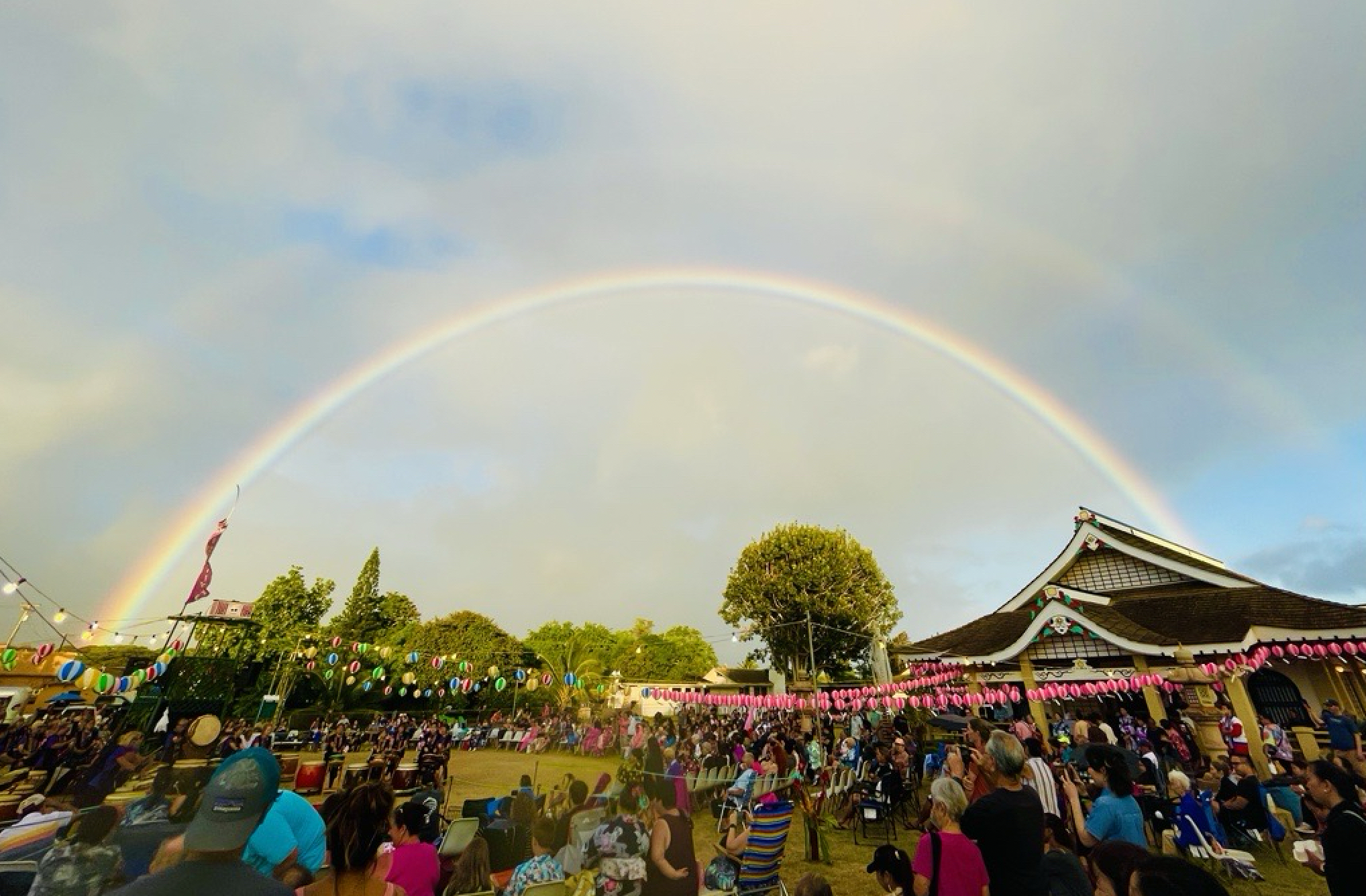
This week on the show, we are joined by Jazlee Crowly, a 4th year PhD student in Integrative Biology whose work is as expansive as the Bodhi tree’s canopy. Using a transdisciplinary approach, a “purposely border-breaking” method, Jazlee weaves together botanical history, community memory, and genomic methods to explore the roles these trees play in Hawaiian ethnic and botanical landscapes. Jazlee’s work is conducted by invitation from local groups, particularly the Japanese-Buddhist community of the Kaua’i Soto Zen Temple Zenshuji. Jazlee conducts her field work during the annual Obon period, the Japanese celebration of ancestral spirits, and gives her time to helping with the celebration as a way of giving back to the people and places that steward these living lineages.

Tune into KBVR 88.7 FM at 6:30 pm PST on November 2nd to hear Jazlee explain the spiritual and ecological role that the Bodhi tree plays on the Hawaiian islands.