Tag Archives: sage-grouse

The complex movement, behavior and ecological interactions of ravens

Ravens are majestic birds, captivating many humans and spanning in their cultural significance. Most people imagine ravens perched in a field, with many guides stating they maintain a general homebase without migration. However, the behavior of ravens is much more complex, with much still to be discovered.
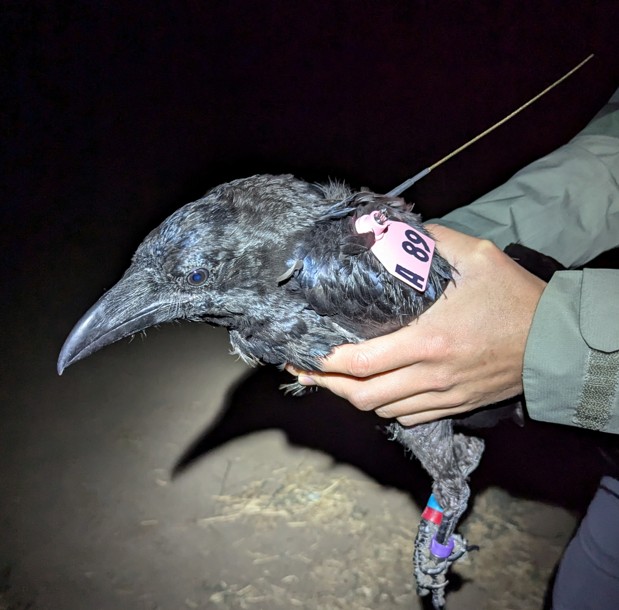
Our guest this week is Richard Rich who recently completed his Masters through the Department of Animal and Rangeland Sciences at Oregon State University. His research studied migratory behavior in ravens, a phenomenon that has never been observed in the species. His novel finding challenges what we know about ravens, showing that many tagged birds in eastern Oregon are migrating seasonally.
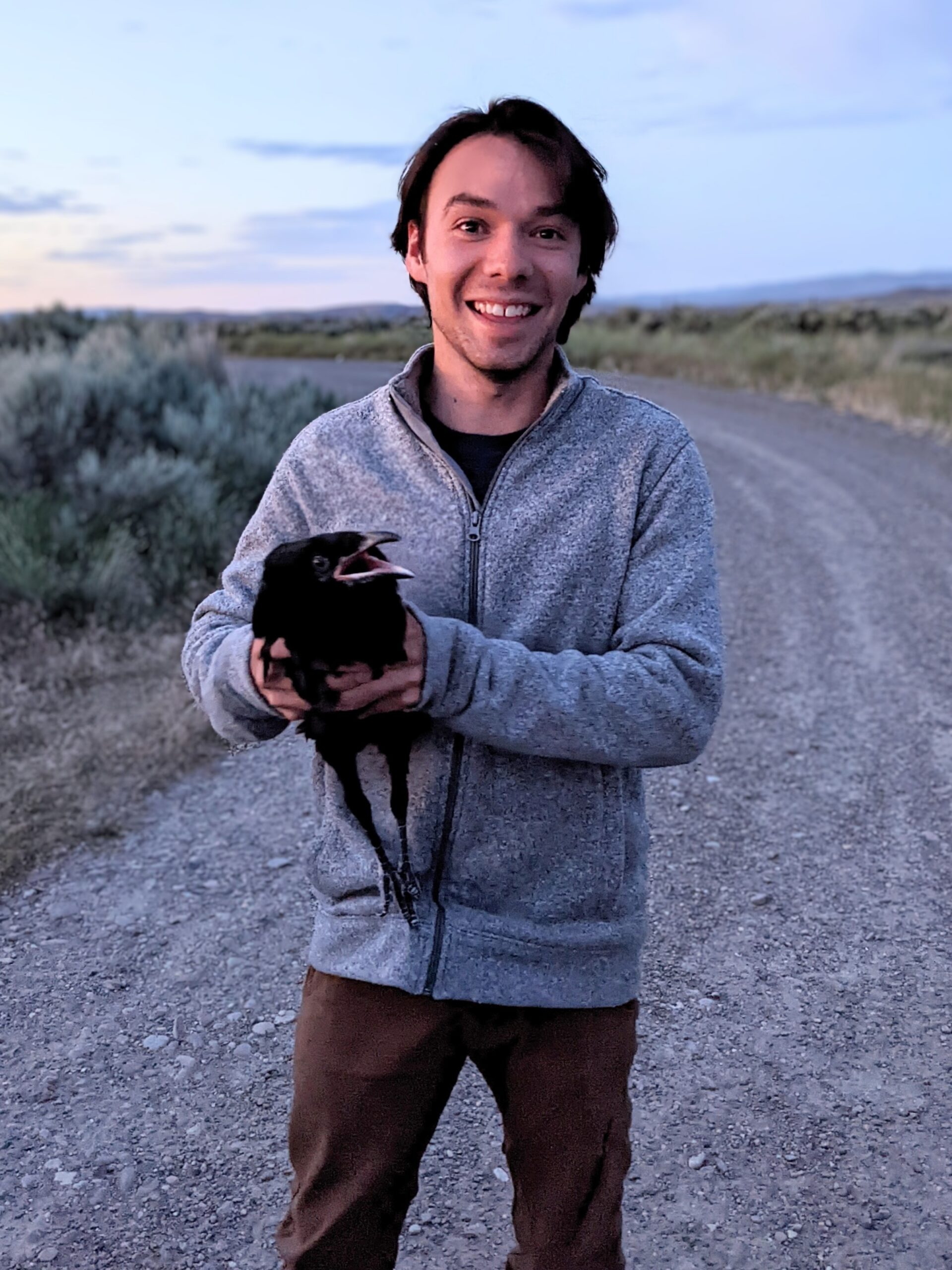
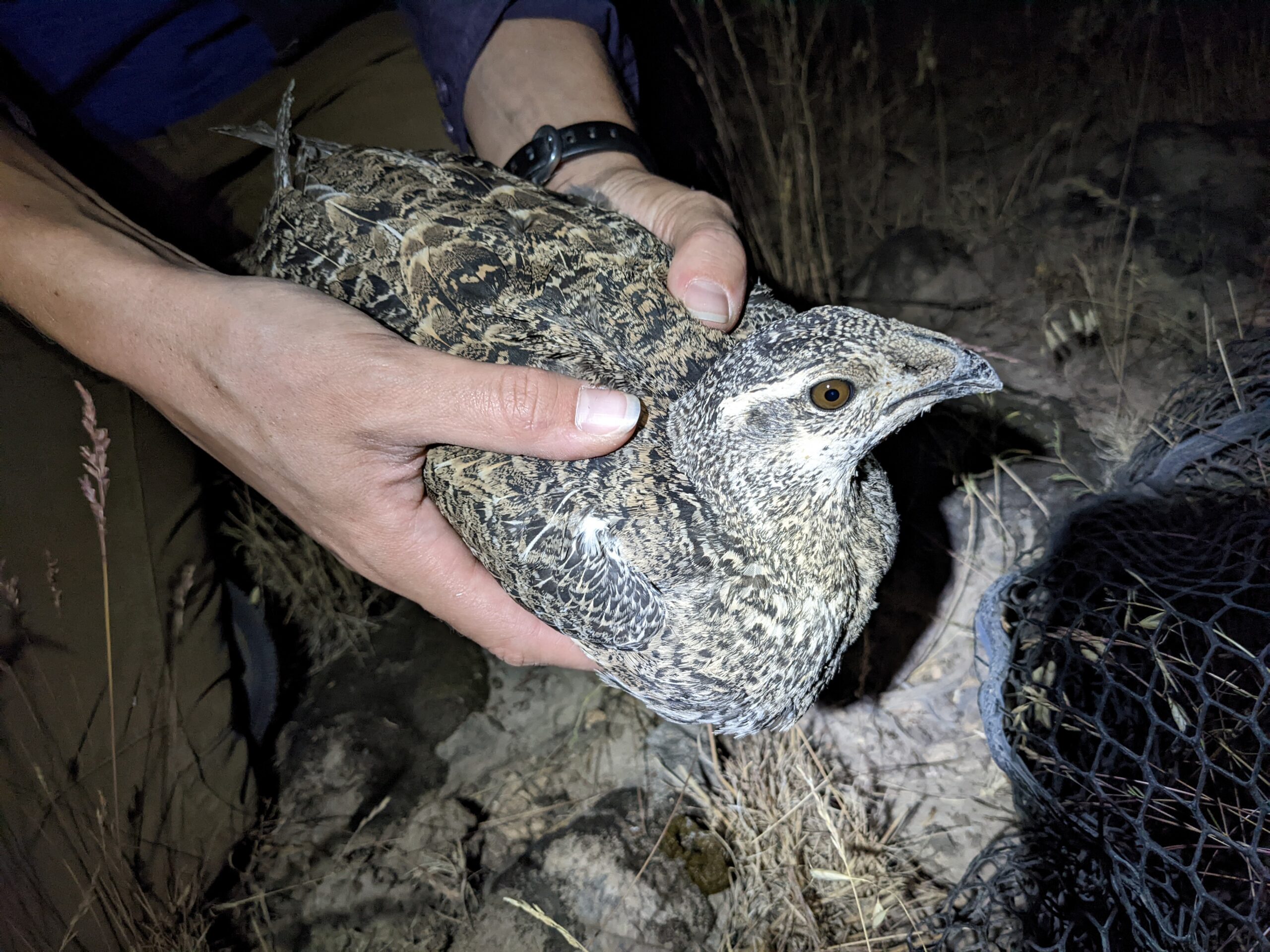
Not only are the behaviors of ravens complex, but so to are their interactions with other birds. One such bird – the Sage-grouse – is experiencing population declines, concerning in part due to their association with sagebrush and with many efforts to save them. Although many factors are at play, ravens add additional pressure due to their increasing population density and feeding on Sage-grouse eggs. Raven removal has been a topic of recent conversation, proposed to help keep Sage-grouse populations alive. However, ravens are native to many locations in the US, leading to complicated issues regarding their removal. Richard compares the methods of both lethal and non-lethal raven removal in attempts to improve management.
To hear more about ravens and their complex behavioral and ecological interactions, tune in to KBVR 88.7FM this Sunday (Nov 16) at 6:30pm. You can listen to the episode anywhere you listen to your podcasts, including on KBVRSpotifyApple, or anywhere else!

Written by Matthew Vaughan.

It’s a Bird Eat Bird World

Female sage-grouse in eastern Oregon, 2017. Photo credit: Hannah White

Over the last half century, populations of Greater Sage-grouse – a relative of pheasants and chickens – have declined throughout their range. Habitat loss and degradation from wildfires is regarded as a primary threat to the future of sage-grouse in Oregon. This threat is exacerbated by the spread of invasive annual grasses (read: fuel for fires). In addition, raven populations, a predator of sage-grouse nests, are exploding. But how does all of this relate? PhD student Terrah Owens of Dr. Jonathan Dinkins lab in the Department of Animal and Rangeland Sciences at Oregon State University and her colleagues are trying to find out.

Specifically, Terrah’s research is focused on the impact of wildfire burn areas – the burn footprint and edge – on sage-grouse predation pressure and how this influences habitat selection,

Terrah Owens with a radio-collared female sage-grouse in Nevada, 2015.

survival, and reproductive success. To do this work Terrah is characterizing six sites in Baker and Malheur counties, Oregon, based on their burn history, abundance of avian predators, shrub and flowering plant cover, as well as invasive annual grasses. To monitor sage-grouse populations, Terrah captures and radio-marks female sage-grouse to identify where the birds are nesting and if they are producing offspring. Additionally, Terrah conducts point counts to determine the density and abundance of avian predators (ravens, hawks, and eagles) in the area. Burn areas generally provide less protective cover for prey, making it an ideal hunting location for predators. Ultimately, Terrah hopes her work will help determine the best ways to allocate restoration funds through proactive, rather than reactive measures.

An encounter with a Bengal tiger at a petting zoo as a young girl inspired Terrah’s lifelong interest in wildlife conservation. As an undergraduate, Terrah studied Zoology at Humboldt State University in Arcata, CA. She then interned at Bonneville

Banding a juvenile California spotted owl, 2016.

Dam on the Columbia River for the California sea lion and salmon project. After this she went on to work for the U.S. Forest Service in northern California as a wildlife crew leader working with spotted owls, northern goshawk, fisher, and marten, among other species. She eventually moved on to work with sage-grouse in Nevada with the U.S Geological Survey.

After graduate school, Terrah would like to head a wildlife service research unit and apply her wealth of knowledge and government experience to bridge the gap between scientists and policymakers.

Join us on Sunday, December 10, at 7 PM on KBVR Corvallis 88.7 FM or stream live to learn more about Terrah’s research, how she captures sage-grouse, and her journey to graduate school.

You can also download Terrah’s iTunes Podcast Episode!