Look out the window of a car driving along Oregon’s coastal highway 101 and you will see many roadside signs indicating the boundaries of the coastal tsunami zone. Natural phenomena can cause massive amounts of damage to the communities that happen to lie in their paths, the effects of which can last days, months, and even years beyond the actual event. In the wake of disaster, people are often unable to access necessary resources or are left stranded waiting for help. Community design and engineering don’t always take into account the personal lived needs of those within the community, therefore a human centered approach is needed to compliment quantitative disaster projections and more accurately predict the most effective plan for community recovery.
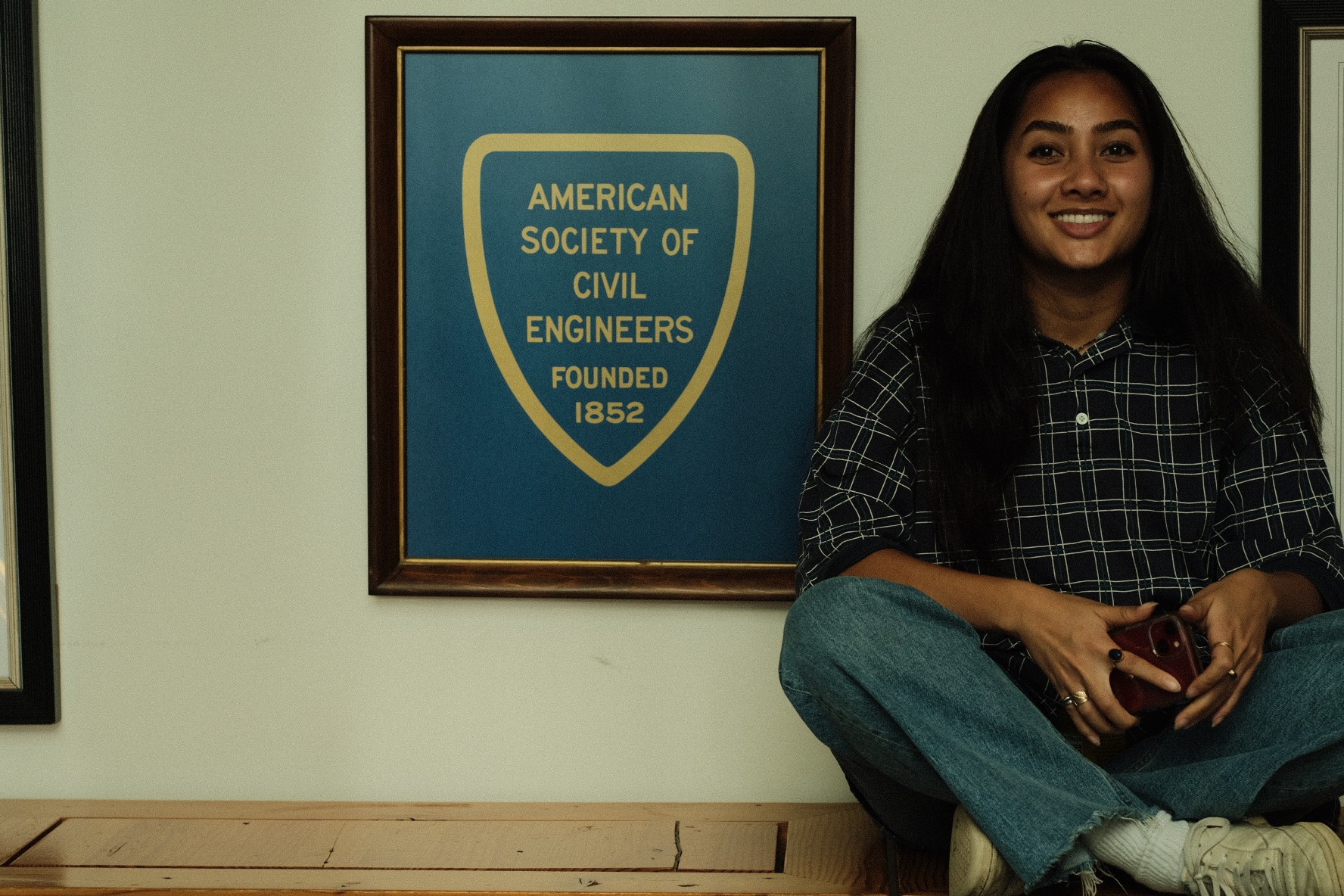
This is where engineering and social science collide. Our guest this week is Amina Meselhe, a 2nd year PhD student in the School of Civil and Construction Engineering. Amina’s current PhD project involves simulating the damage and recovery trajectories for the Cascadia Subduction Zone in the event of a tsunami. Her self-described research goal is to “create tangible outcomes for people to hold onto”. Her acute awareness for disaster preparedness comes from the fact that she grew up in Louisiana seeing the damage that hurricanes can cause and the lasting effects they have on people.
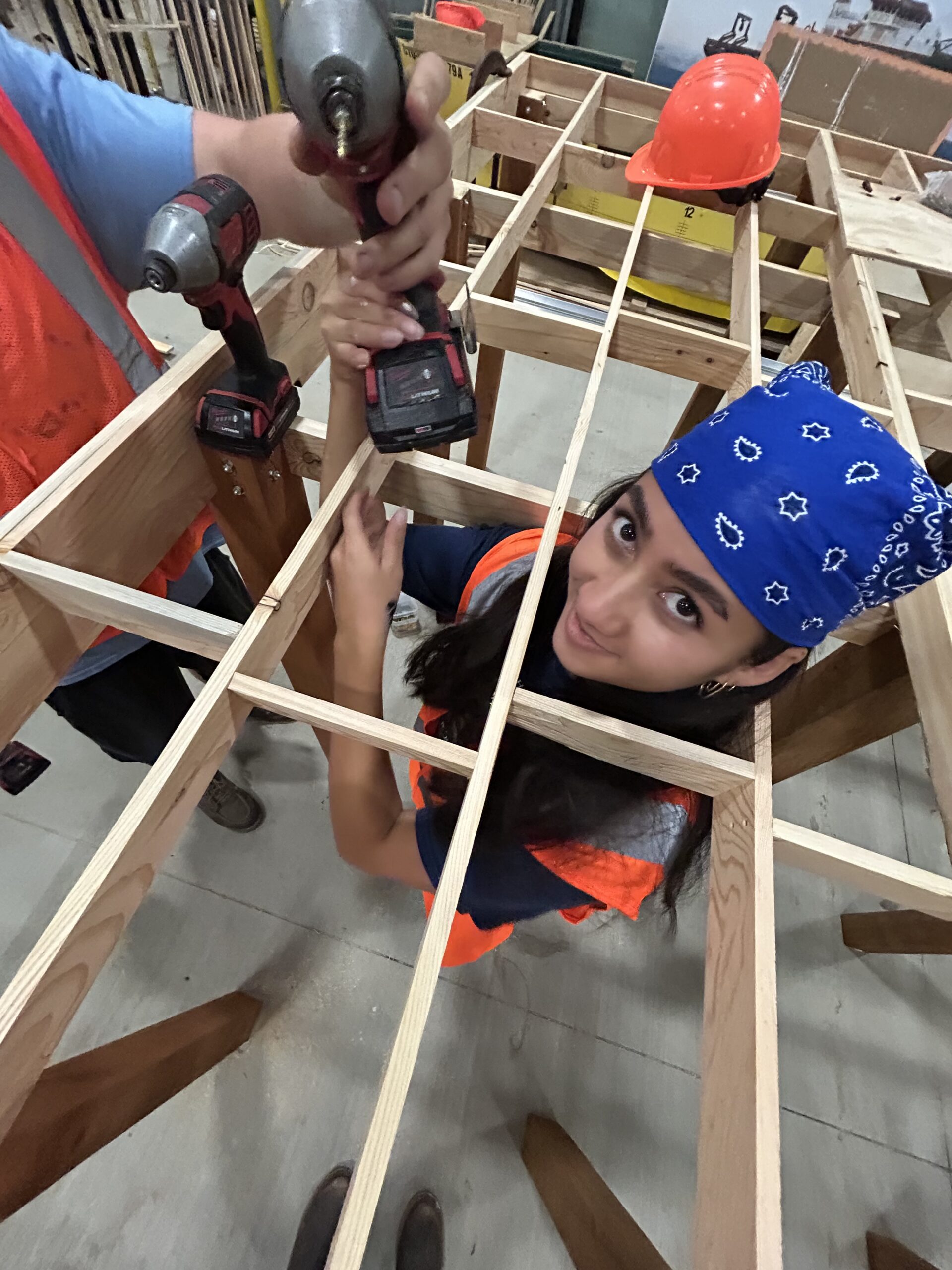
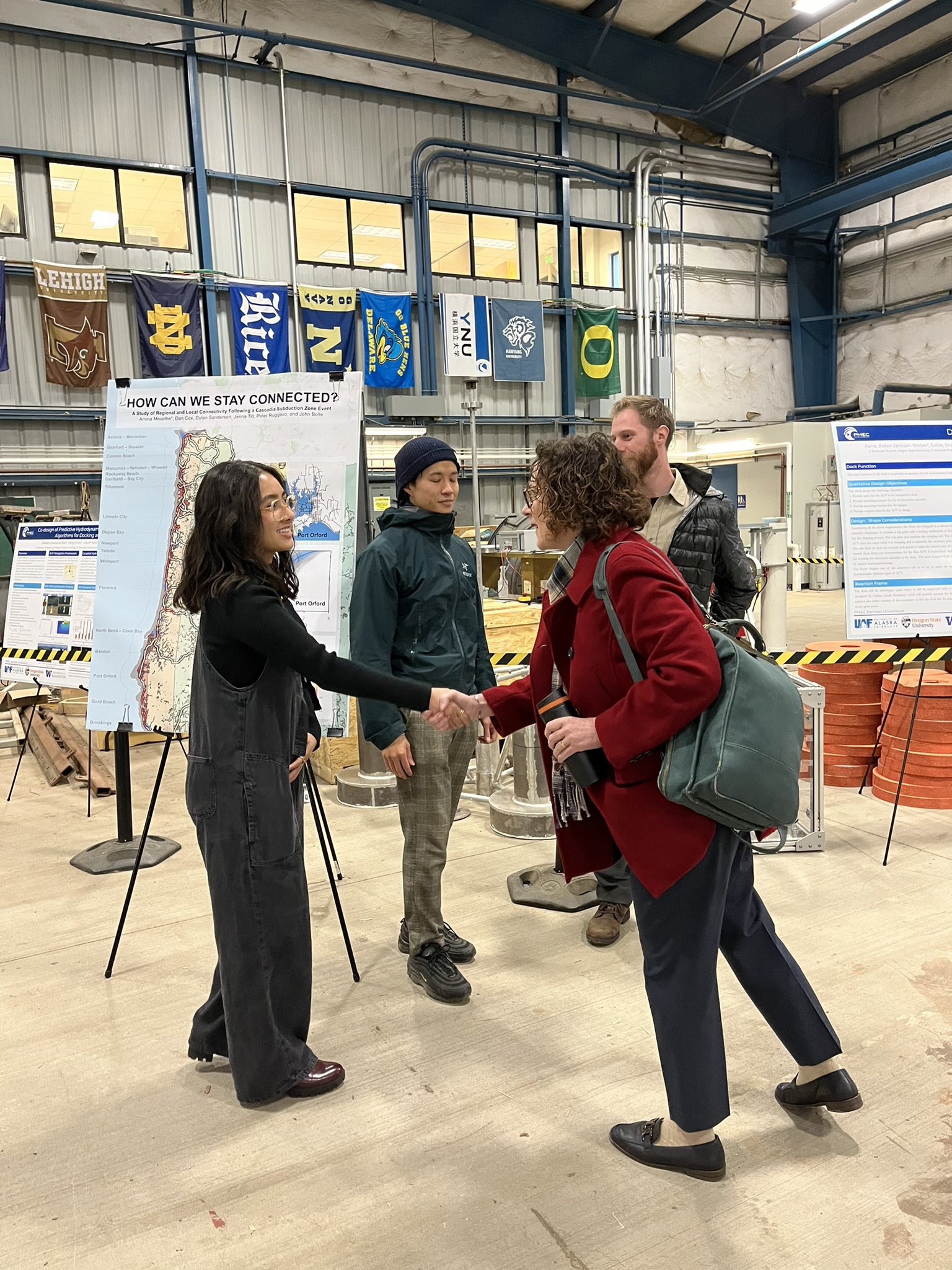
Tune into KBVR 88.7 FM at 7:00 pm PST on March 8th to hear Amina talk about what she is doing to improve the preparedness of communities along the Oregon coast, the research methods used by engineers to incorporate social science into their designs, and why “natural disaster” is a taboo term in the field.
