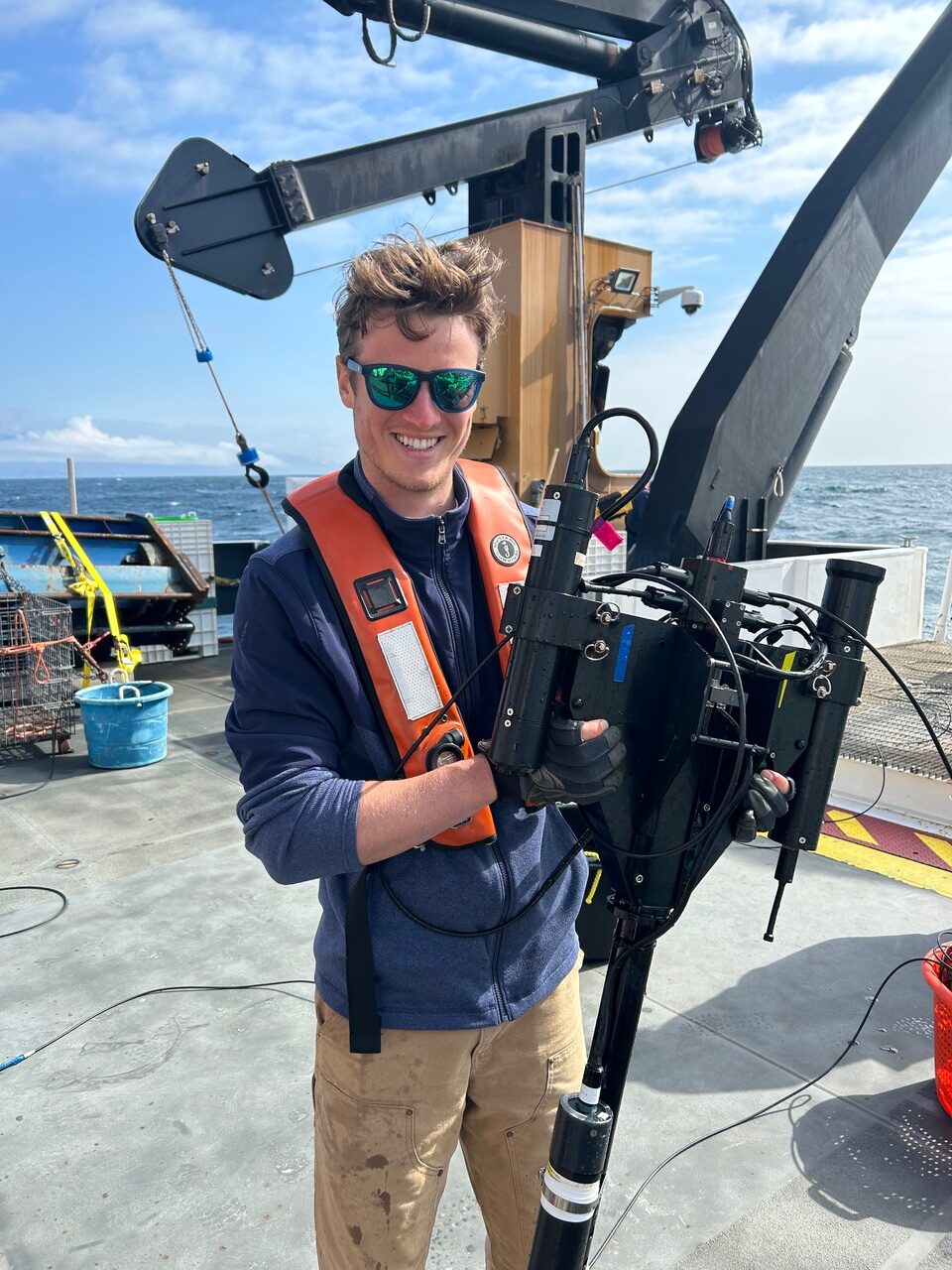
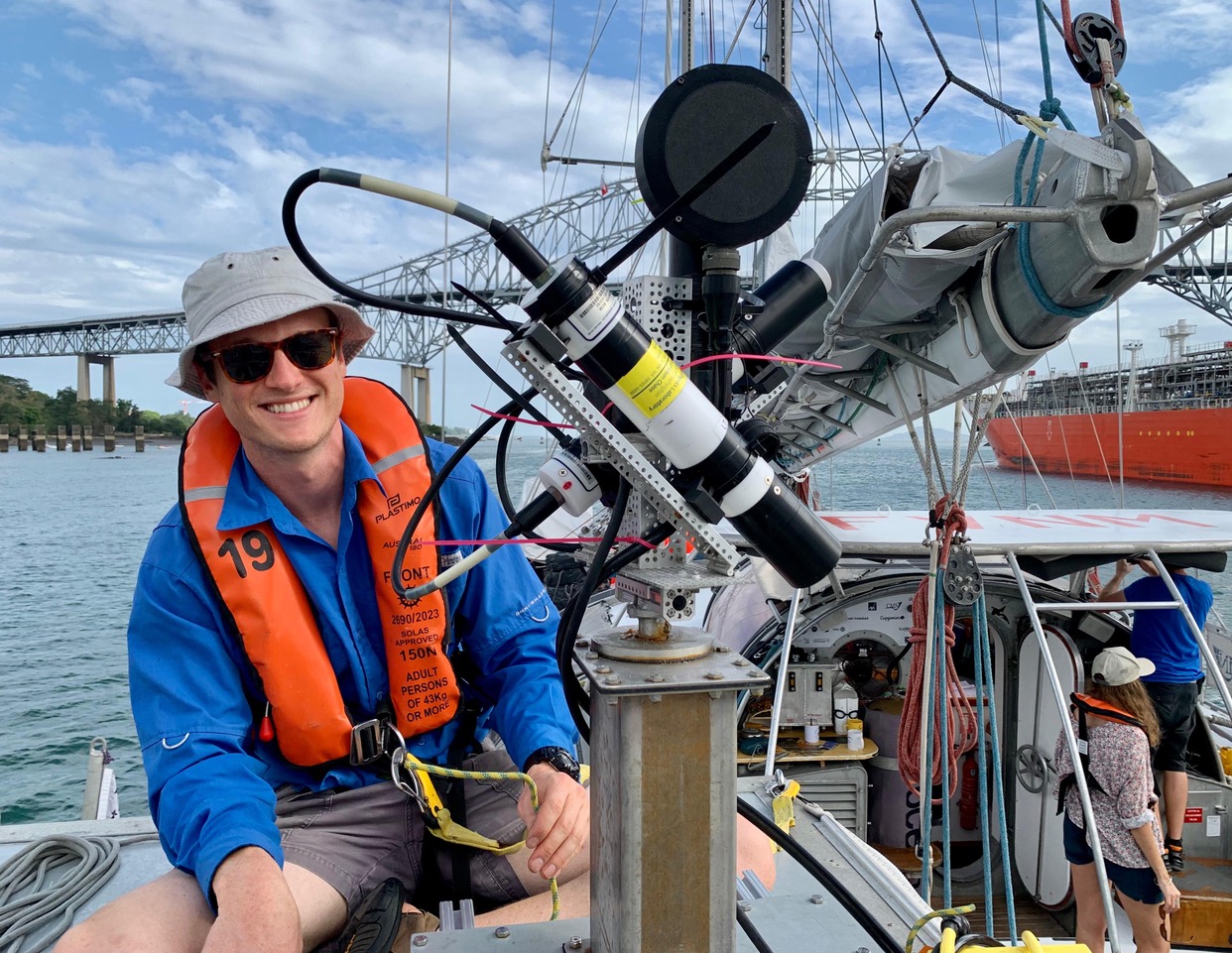
One of the greatest modern day science tools is satellite imagery. The remote capture of images from space allows researchers to understand spatial ecology better than ever before. However, it’s imperative to know that what you can glean from remote sensing is accurate to what’s occurring at the ground (or sea) level. In fact, if you were looking at a satellite image the minute it’s taken, and zoomed all the way in, you might see a research vessel with Alexander Bailess on board.
Alexander is a second-year Ph.D. student in the College of Earth, Ocean, and Atmospheric Sciences, joint-advised by Dr. Maria Kavanaugh and Dr. Andrew Barnard. Part of his doctoral research is ground-truthing, or verifying, remote sensing data by sailing the seas and collecting data at the same time that satellites are.
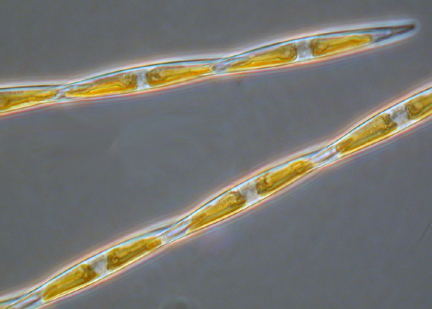
At sea, Alexander is also looking for a phytoplankton called Pseudo-nitzschia. Almost half of Pseudo-nitzschia species produce a potent neurotoxin called domoic acid (DA) which can cause a disorder in humans called amnesic shellfish poisoning. Harmful algae blooms (HABs) occur during dense aggregations of Pseudo-nitzschia, poisoning organisms with DA across the trophic web. Work like Alexander’s is important because it can help establish monitoring and management systems for HABs, allowing recreational and commercial fisheries to avoid toxic conditions. Fishermen citizen scientists also assist in this research by collecting water at-sea for researchers, like Alexander, to analyze.
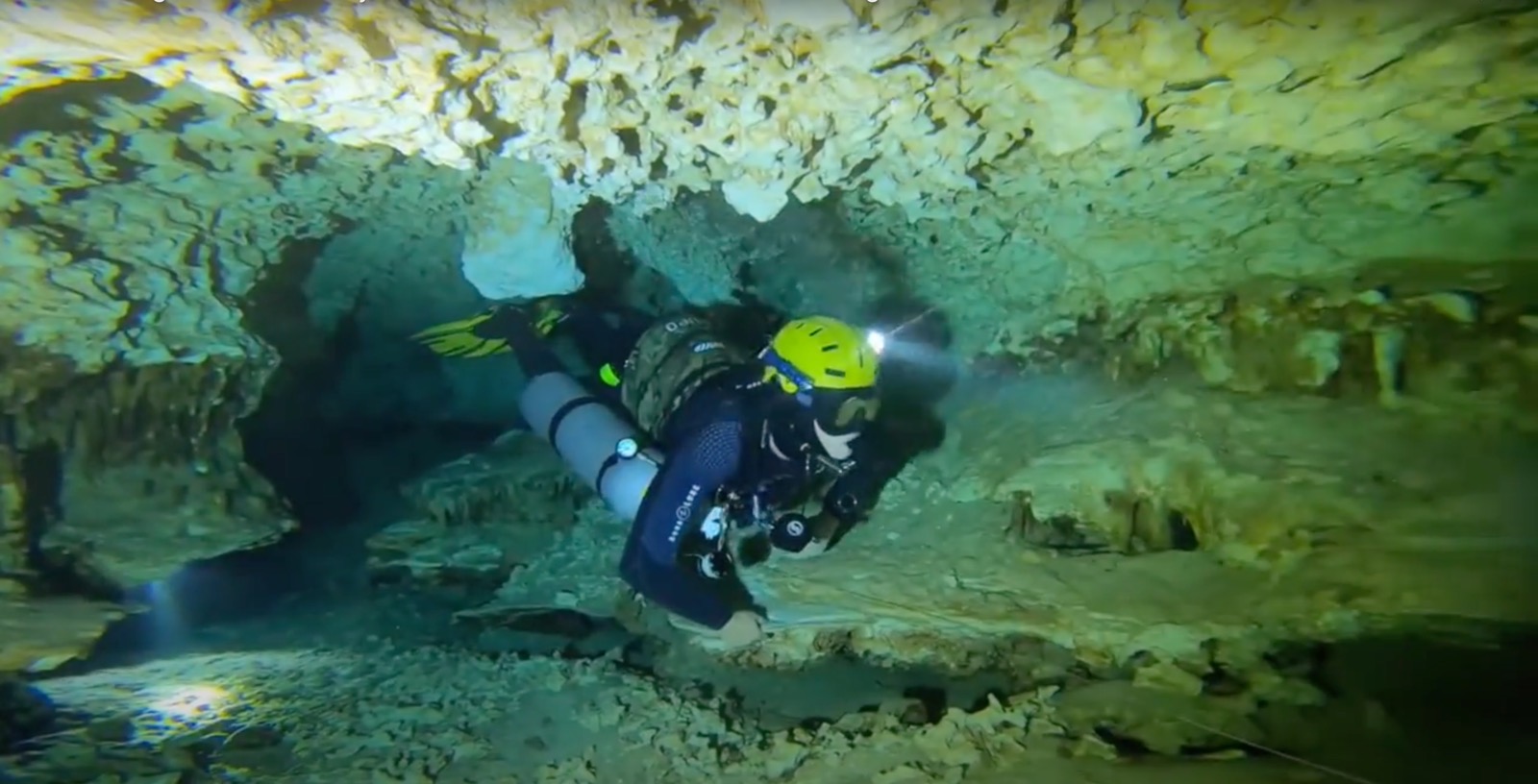
Alexander’s work has taken him on dozens of research cruises all along the U.S. west coast. He is also a Scientific Diver and Divemaster, meaning his work often takes him below the sea surface as well — conducting surveys that connect what satellites see from above to what is living in the water below.
Written by: Taylor Azizeh