THE ROOTS OF RESEARCH
The Dedicated Community Members Who Make The Garden Ecology Lab’s Work Possible
by Anna Janowski
PART 1: AMY CAMPION
From publishing educational materials to heading the Garden Ecology League, the Garden Ecology Lab’s work is firmly rooted in community outreach and engagement. What we do is possible because of the support of the community we serve: their donations and volunteer hours, their interest in our results, their willingness to let us conduct research in the gardens they work so hard to grow. This blog series highlights the amazing work these community members do in and around their gardens.
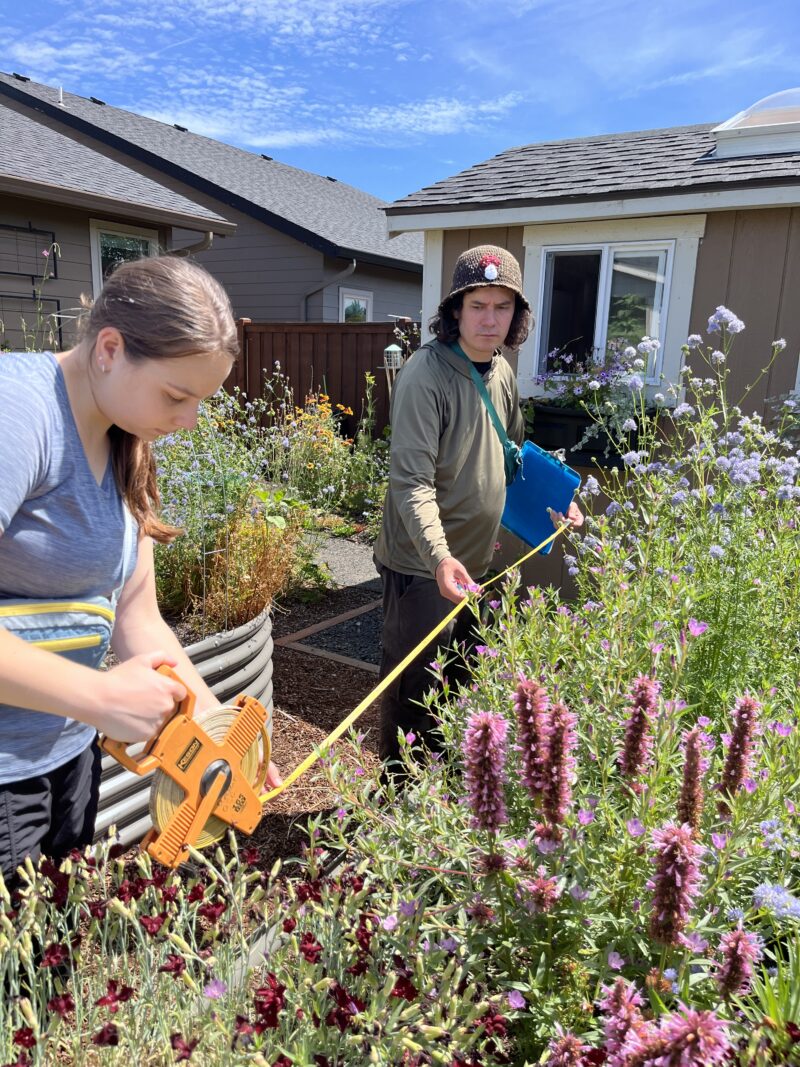
Few people have contributed as much to the Portland gardening community as Amy Campion. She has taught classes and given talks on ecologically beneficial gardening. Since 2013, she has run a blog covering topics from plant propagation to insect ecology to prominent people and events in the gardening world. And, of course, she maintains her own garden, which I had the opportunity to visit last summer as part of the lab’s field research.
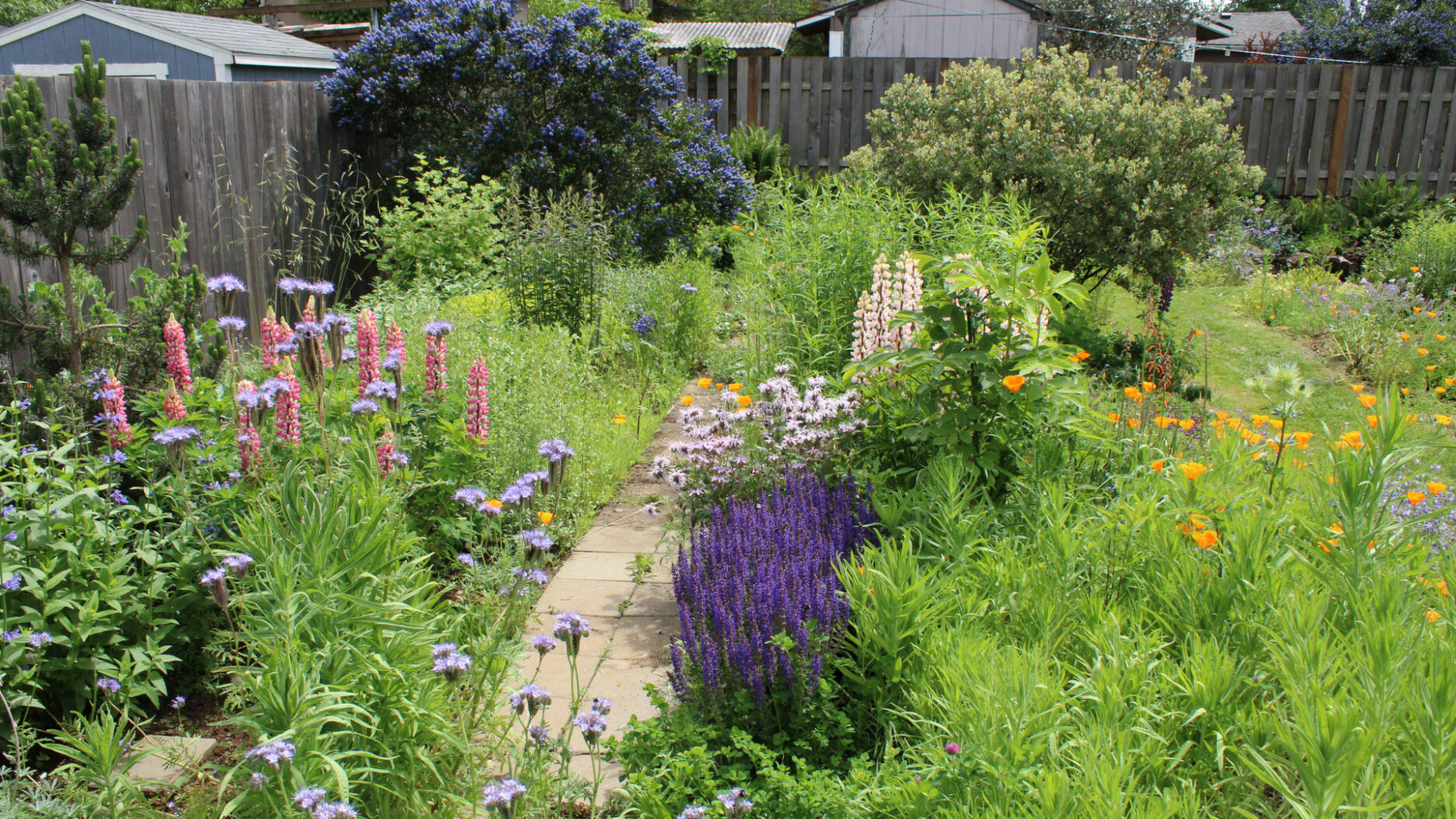
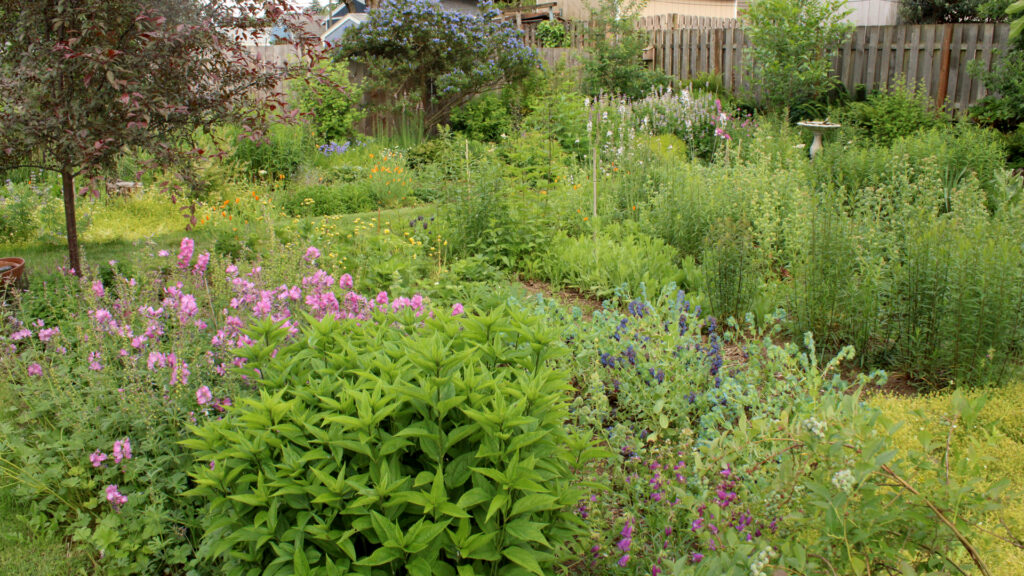
Campion’s garden is remarkably easy to browse. Trees and shrubs line its edges, disguising the fence that borders the backyard. In the center, grass walkways section off large plots of plants. Before we started collecting data on the garden, I wandered through those walkways, enjoying the sight of the plants on either side of me. Tall stacks of empty flowerpots sitting on Campion’s back porch told of the effort she had put in, over the course of many years, to plant what has become a thriving backyard ecosystem.
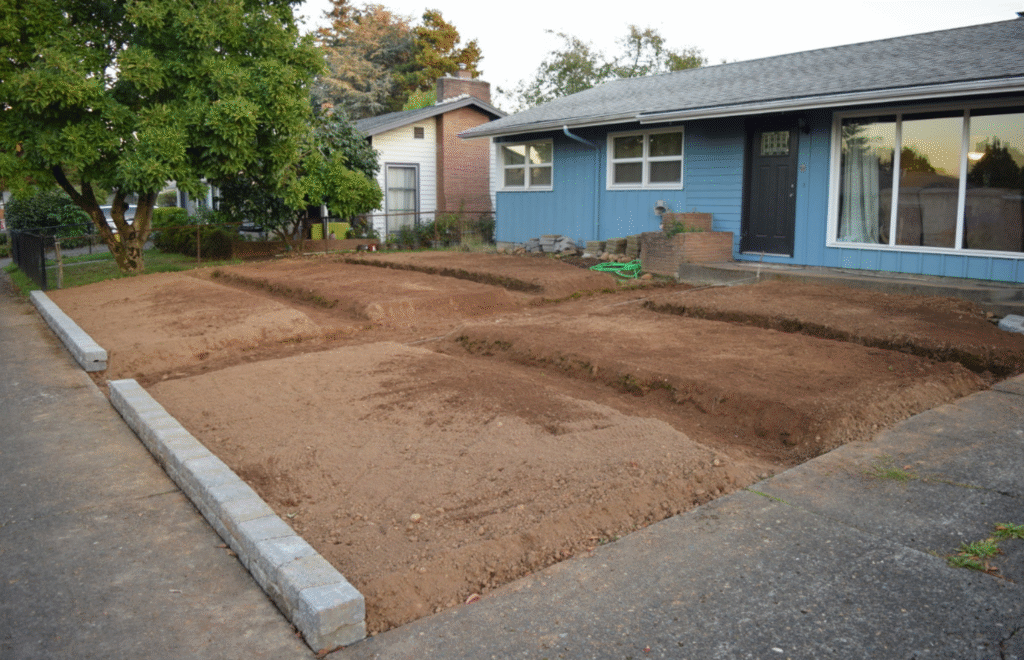
Those years, however, weren’t just a straightforward progression towards a better garden. “I was a typical ornamental gardener for 25 years,” Campion says, before learning that her garden could be more than a decoration. She cites Nature’s Best Hope—a book published in 2019 by Doug Tallamy that describes how small urban habitats, i.e. gardens, can be a force for conservation—as the catalyst for her change in mindset. When she realized she could do more with her garden, she began redesigning it with ecological benefit as her top priority.
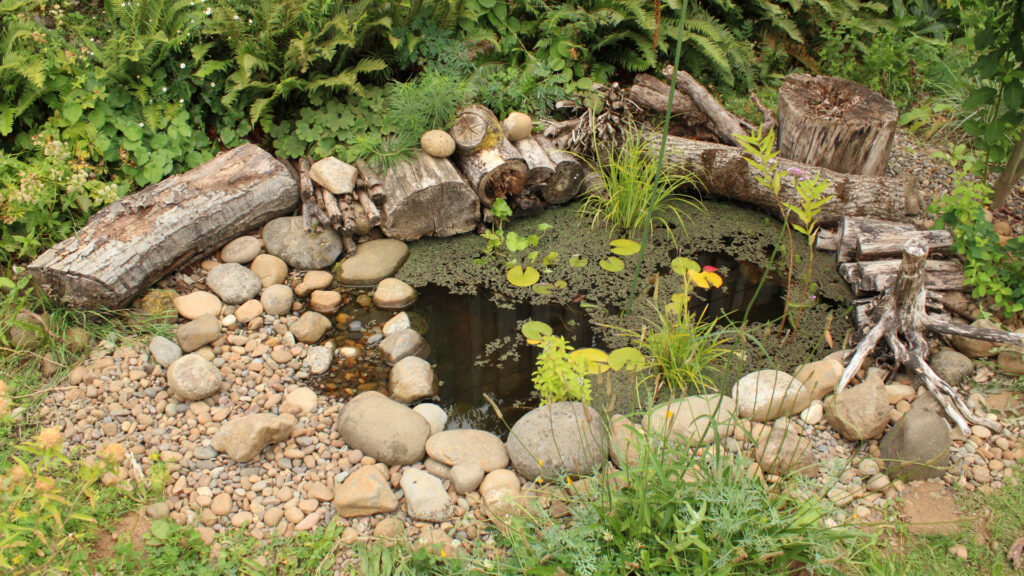
That means every element of the garden has a purpose. “I try to have every plant in my garden feed somebody,” she says of the reasoning behind her plant selection. Non-plant features, like the small pond and the leaf litter along the garden’s edge, are also there for a reason, providing a variety of habitat for a variety of creatures. The diversity of her insect visitors, she says, is her favorite thing about her garden.
To this day, Campion has continued her ecological gardening practices, which have benefited not only the ecological communities—she’s documented 420 different species of insects in her garden!—but also the community of gardeners in and around Portland. Campion, originally from the Midwest, leaned on that community for advice about gardening in the Northwest, building up valuable relationships. She also started writing her gardening blog around the same time as she moved to Portland. She says her favorite thing about the blog is the friends she’s made through it.
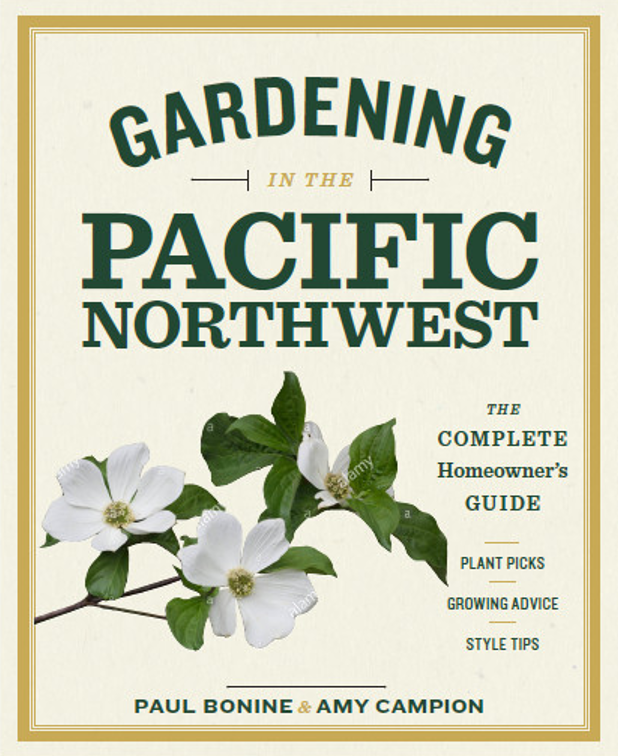
Over the years, as her familiarity with gardening in Portland has increased, she’s ramped up her involvement in the community. She co-wrote Gardening in the Pacific Northwest: The Complete Homeowner’s Guide, has taught classes on gardening for biodiversity, and has been active on iNaturalist as both an observer and an identifier.
Campion has made an undeniable mark on Portland’s gardening scene. Her garden exemplifies the impact that gardeners’ dedication can have on wildlife, and she’s constantly involved with the community—both sharing what she knows and learning from others—to make that impact even more meaningful.
Find Campion’s blog here: Amy Campion, Freelance Garden Writer | The World’s Best Gardening Blog
Thanks to Gail Langellotto for supporting this project, to Nina Miller and Taylor Janecek for their assistance with the research and writing process, and to the featured gardeners for the information and photographs they provided.