
Today we were back on land from being on the water the past three days, which was very needed for the sake of our motion/sea sickness. We ran around town, going from PCC, to the recycling plant, to Surangel’s, to the Etpison Museum.
PCC Research & Development Station
We started off at the Palau Community College (PCC) Research & Development Station, learning about their taro tissue culture which can grow 200 to 1,000 taro from one stalk. They are the only botany research station in Palau and is a land grant organization. We are super fortunate to be able to see the inner workings of the plant tissue culture cultivation site, led by Chris Kitalong, who has been working with OSU since the Ridge to Reef class started!
The lab does amazing work in Palau to prevent mono-cropping through preserving the thousands of varieties of taro alive, in addition to attempting to make taro the superfood for the Pacific, which could help with reducing diabetes in Palau.
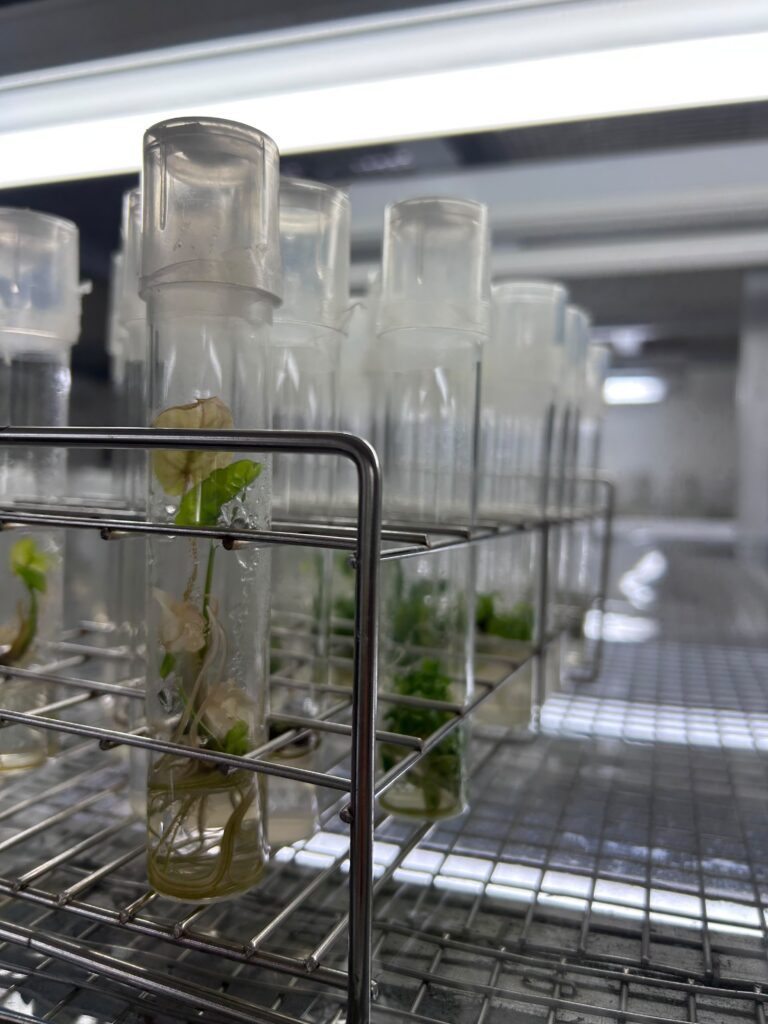
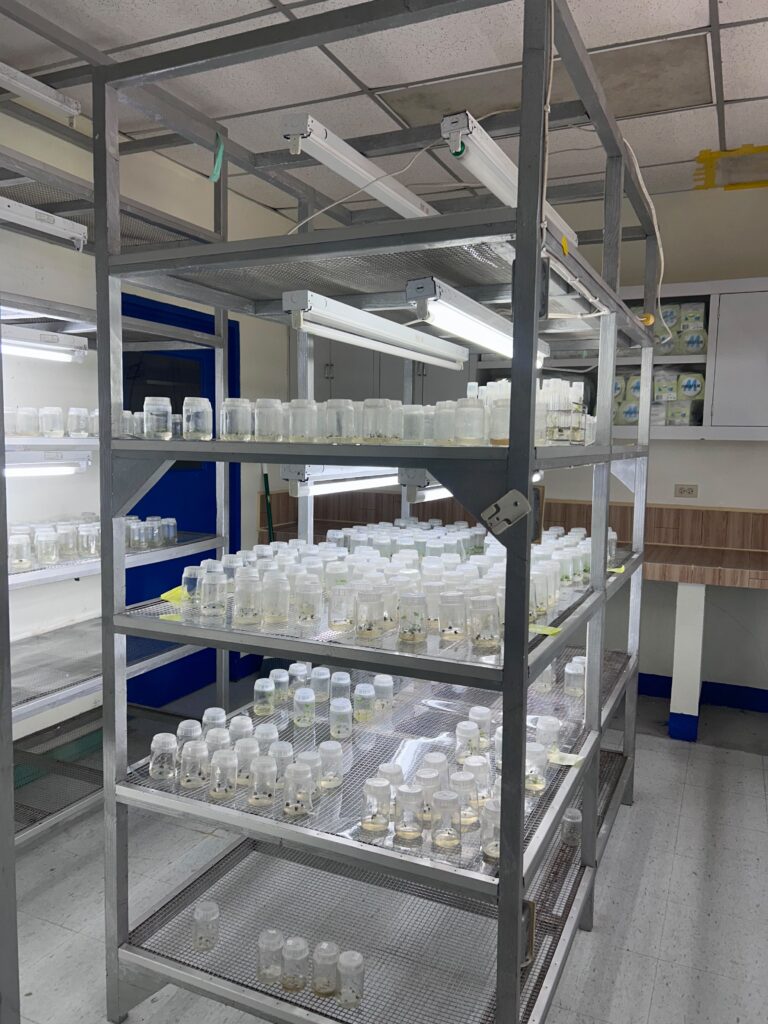
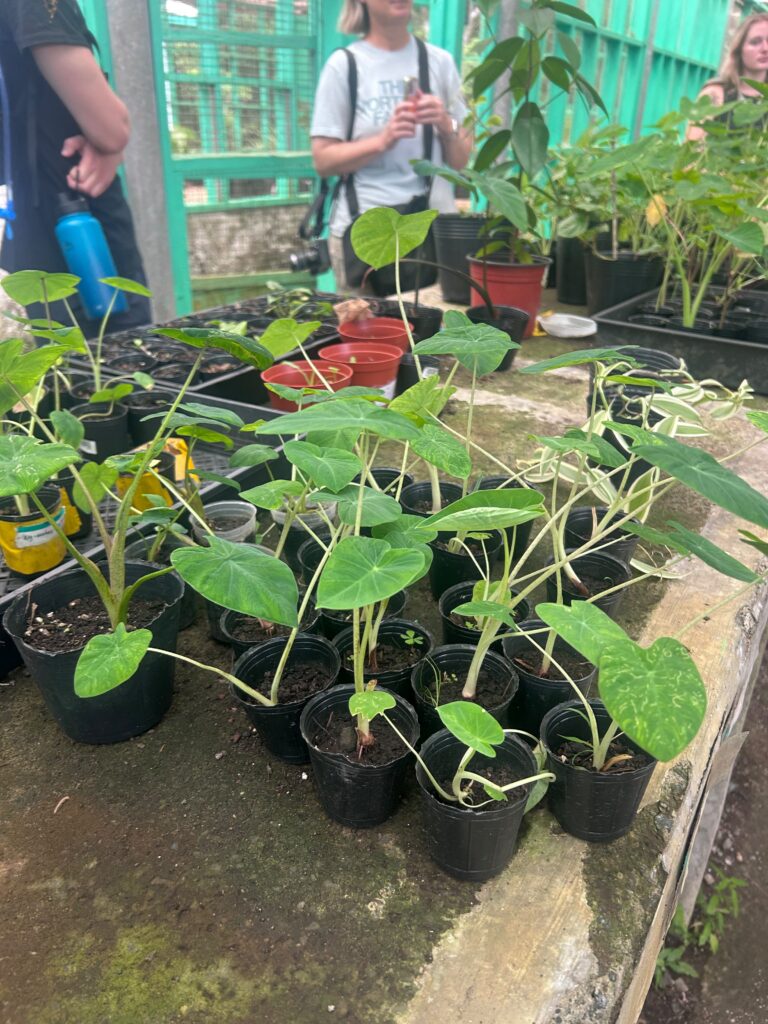
Along with taro, PCC grows sweet potato, vanillas, orchids, pineapples, passion fruits, bananas, and many more!
After the tissues are grown (stage 1), they are moved to the small greenhouse (stage 2), then to the bigger greenhouse (stage 3), and finally it goes out to the community based on their needs.
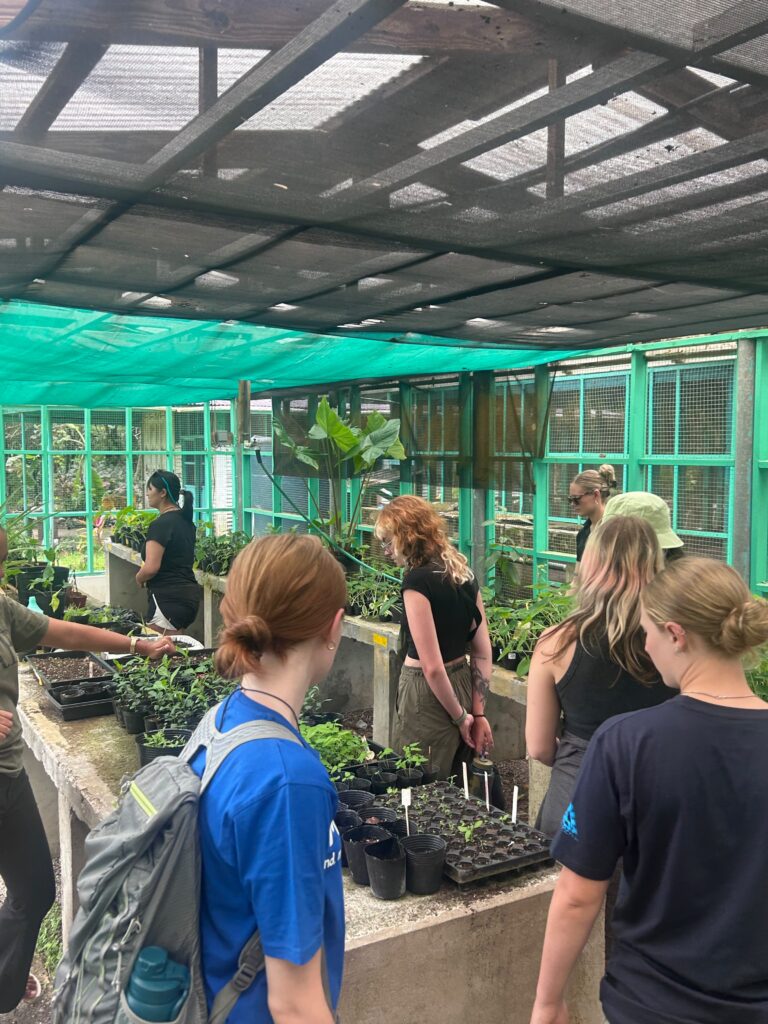
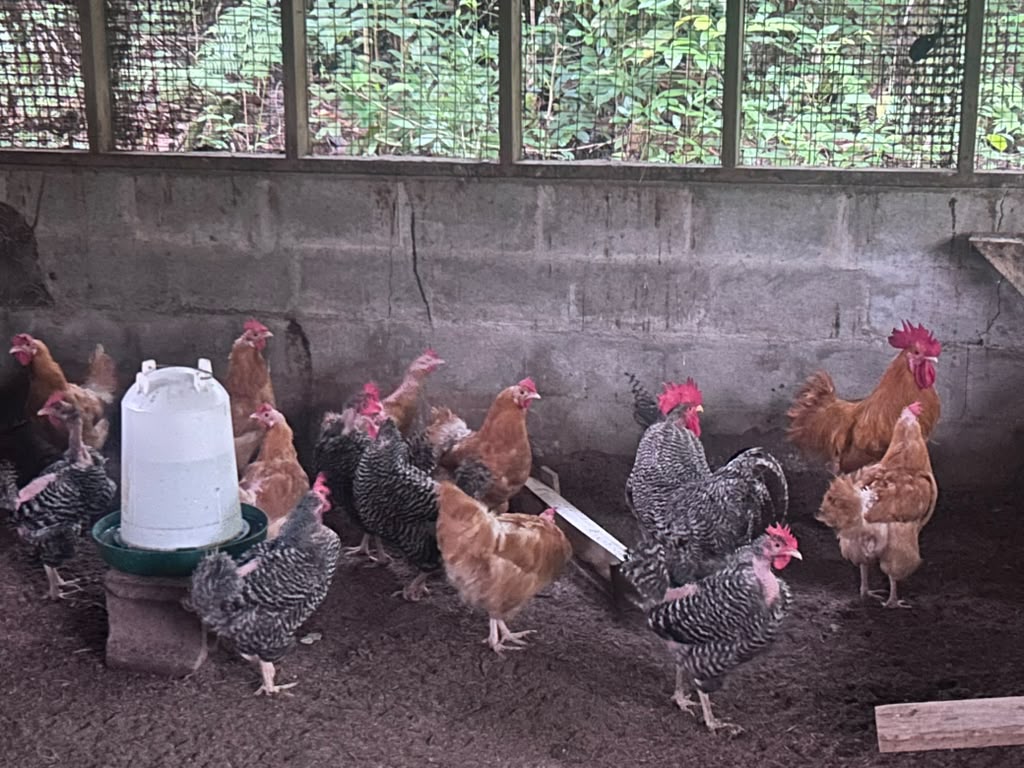
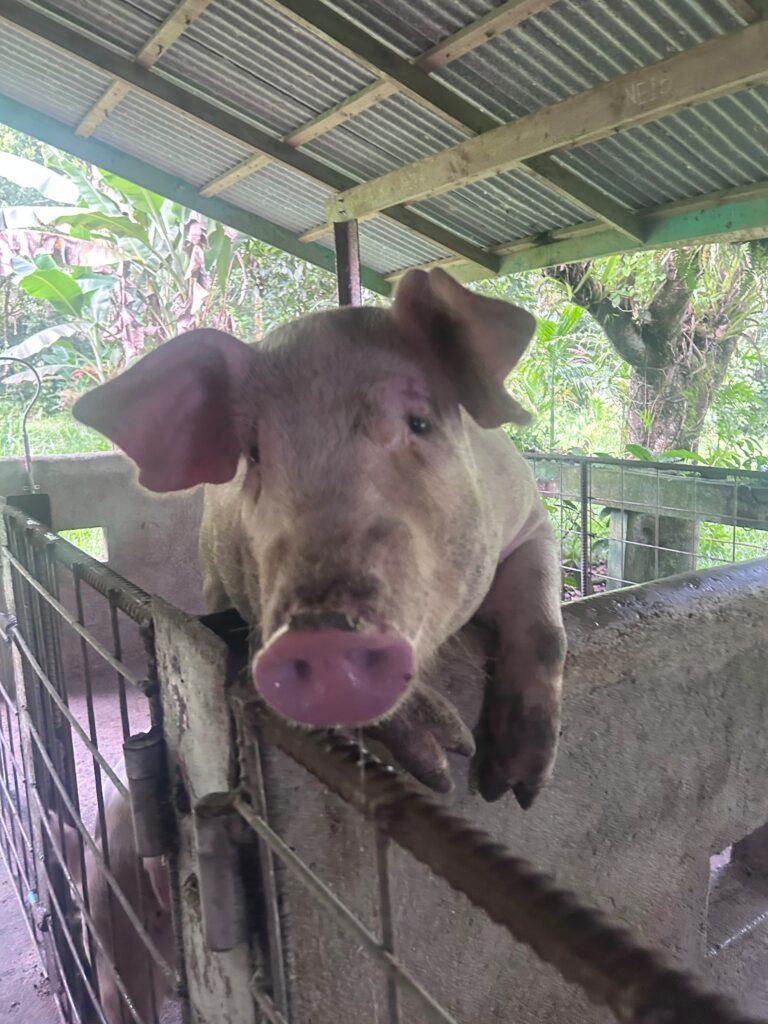
We were then given a tour of the animal husbandry areas for PCC students, where they learn to take care of animals. The animals are sometimes used for monumental traditional Palauan ceremonies.
Surangel’s Super Center
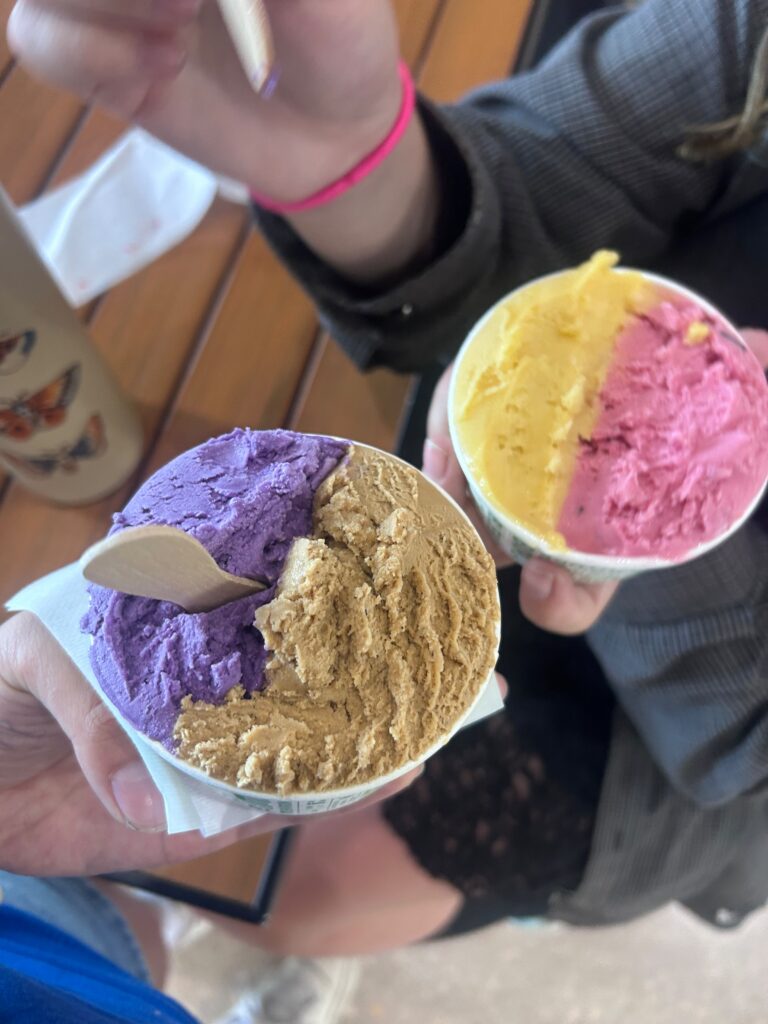
We took a quick stop by the super store Surangel’s, where we got some gelato for an afternoon sweet treat!
Koror State Solid Waste Management Office & Belau Eco Glass
Our next adventure took us to the state’s recycling station, which receives Palau’s recycling and makes useful materials from them. They do amazing work keeping recyclable trash out of the landfills. These are some of the ways that the plastic are utilized: Sold to Taiwan, made into clothing, and made into oil (which powers the operations of the recycling plant).
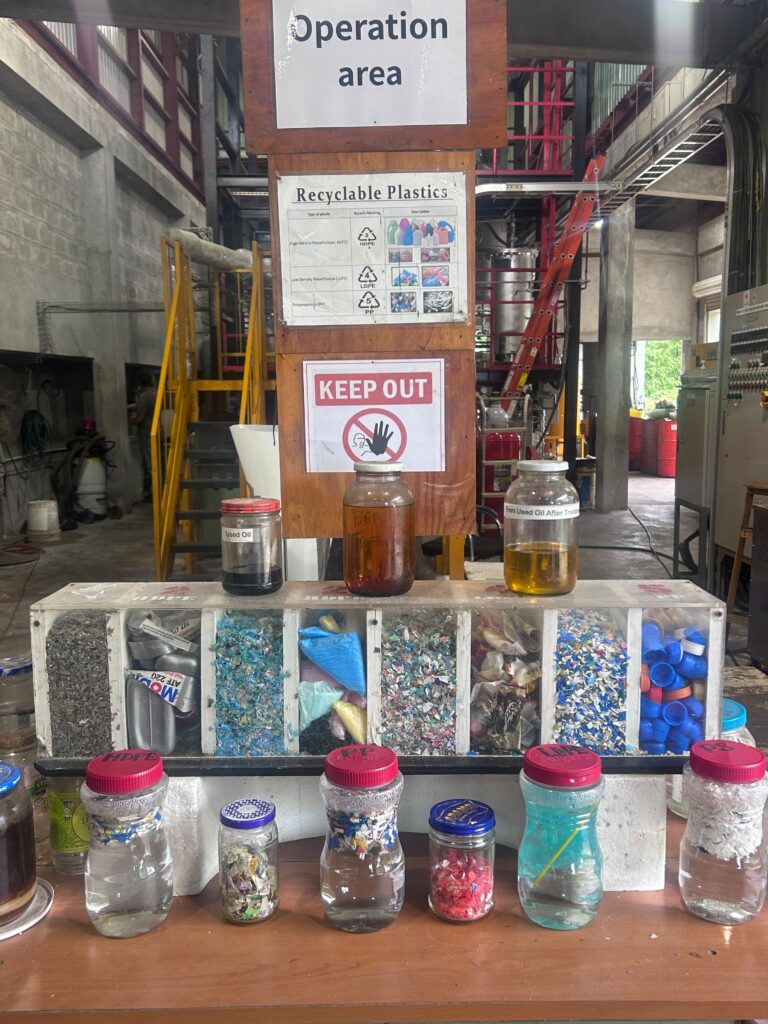
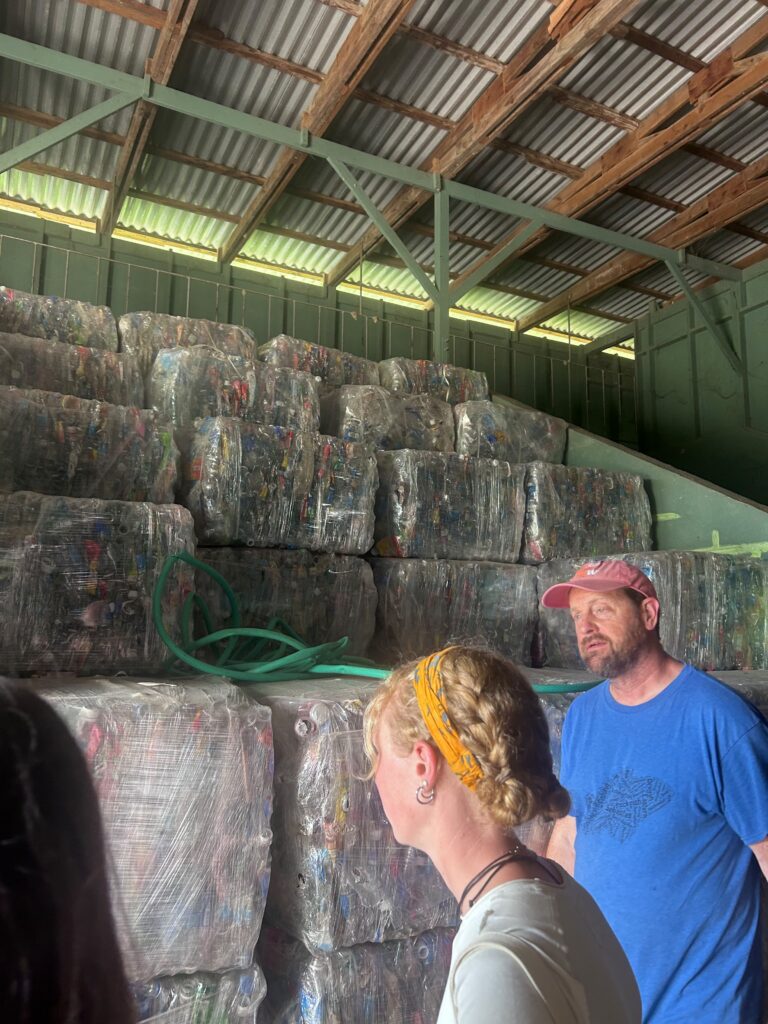
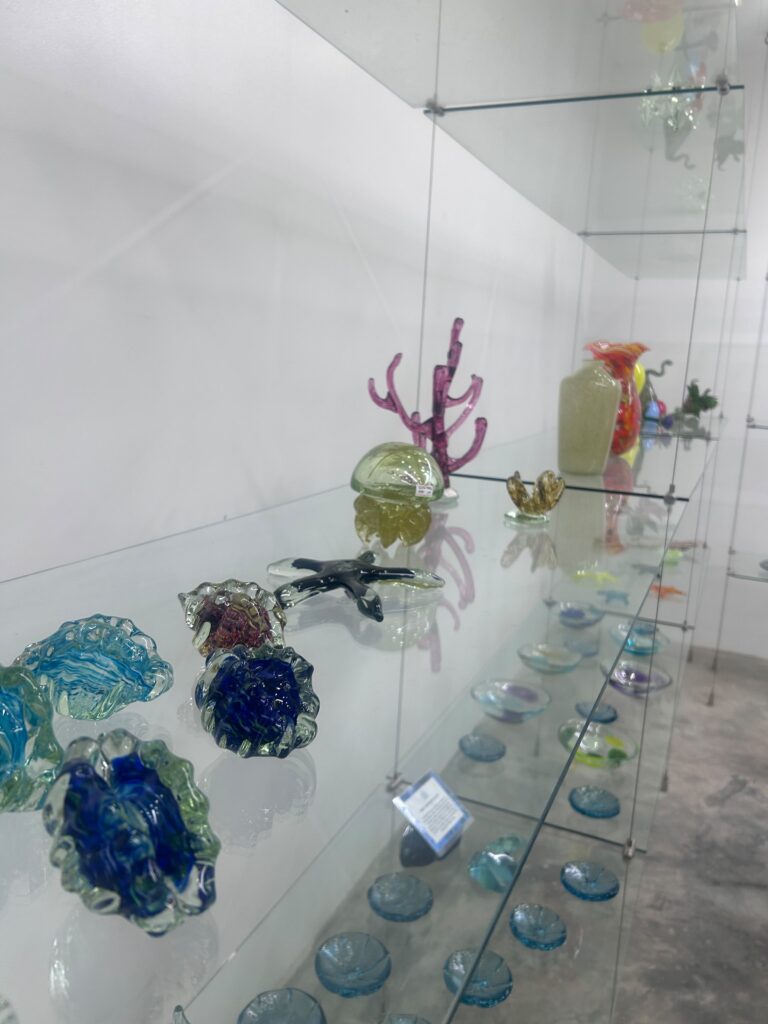
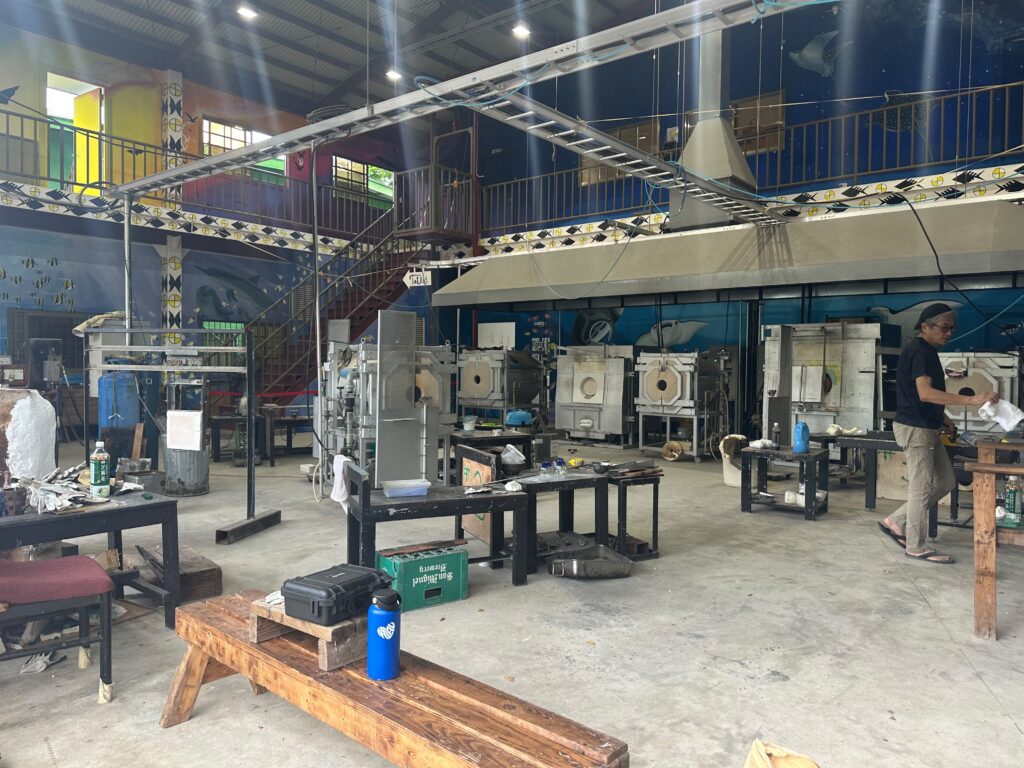
Glass recycling is also utilized, and are either crushed and given to construction companies to make into concrete, or made into fun jewelry/decorative eco-glass! As a small island, Palau has to look at resources differently and do what they can to make sure as little waste is produced as possible. Latest reports show about 25-30% of waste in Palau being recycled, along with a 88% redemption rate.
Etpison Museum
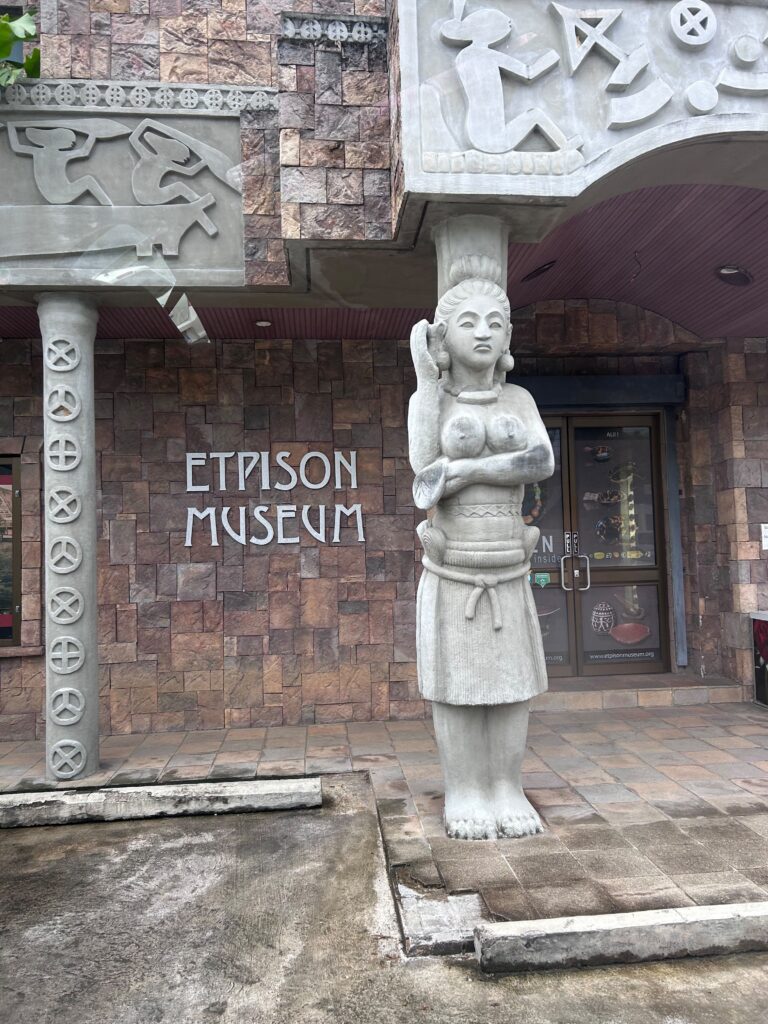
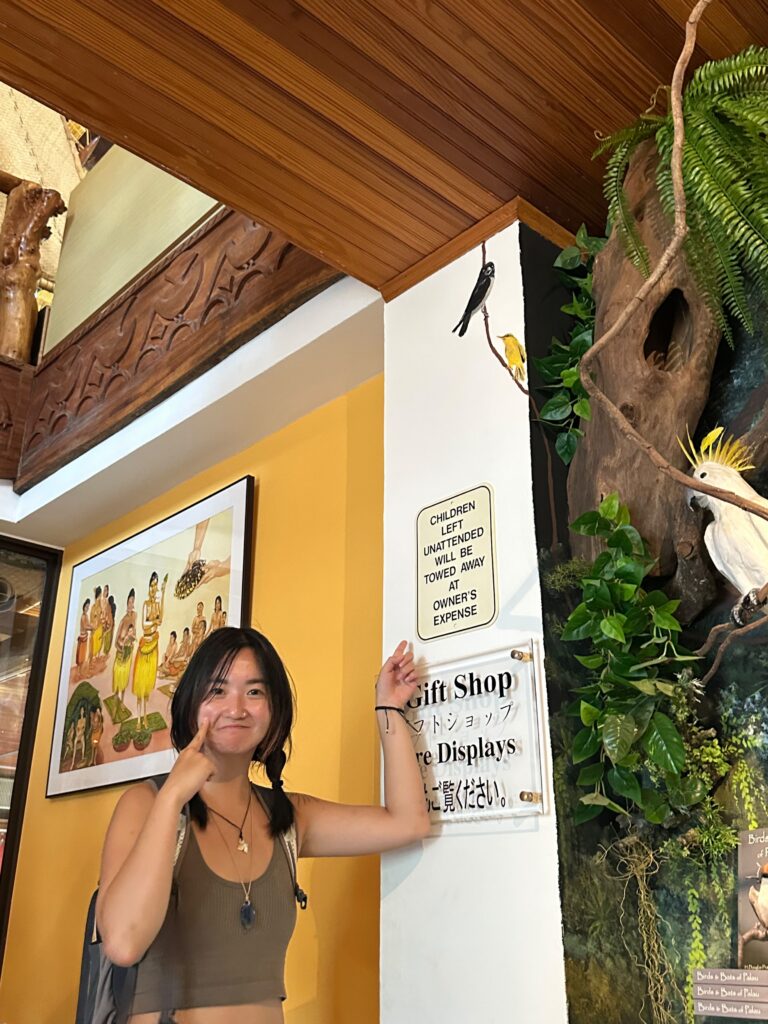
Our last stop of the day is to the Etpison Museum, where we learned more about the historical traditions and stories of Palau. For example, we learned about how a long time ago, a pregnant woman ate the forbidden fruit KEAM nut and turned into a dugong! In the Etpison Museum, children left unattended will be towed away.
Today’s blog was written by Angela and Lauren 🙂