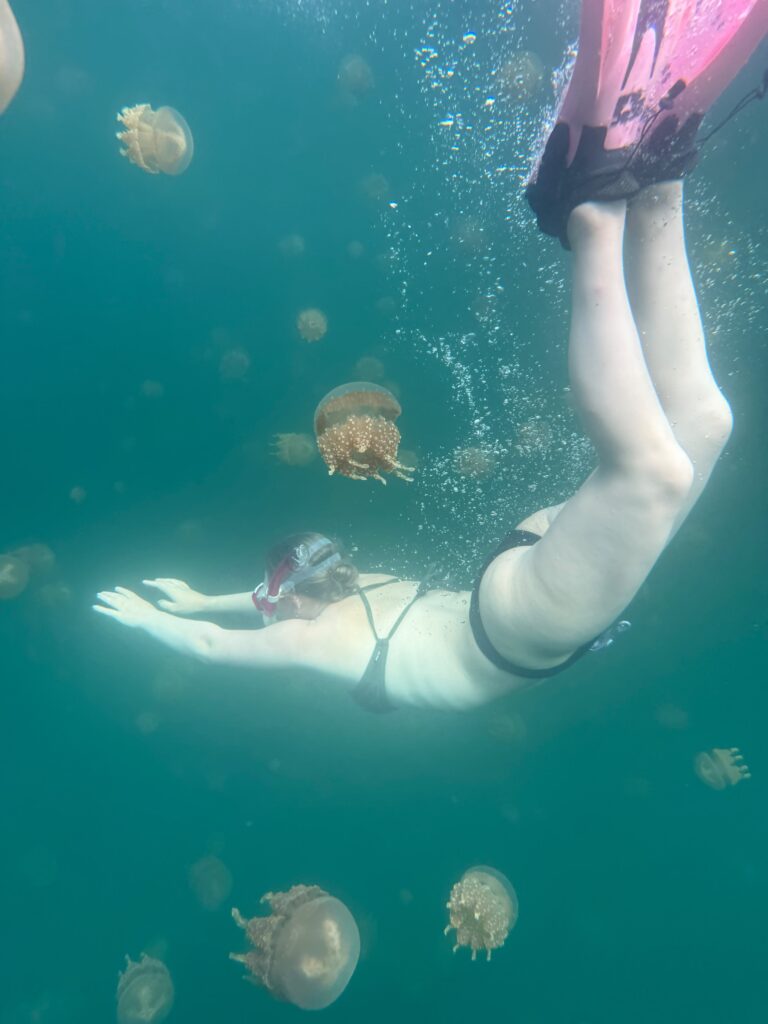
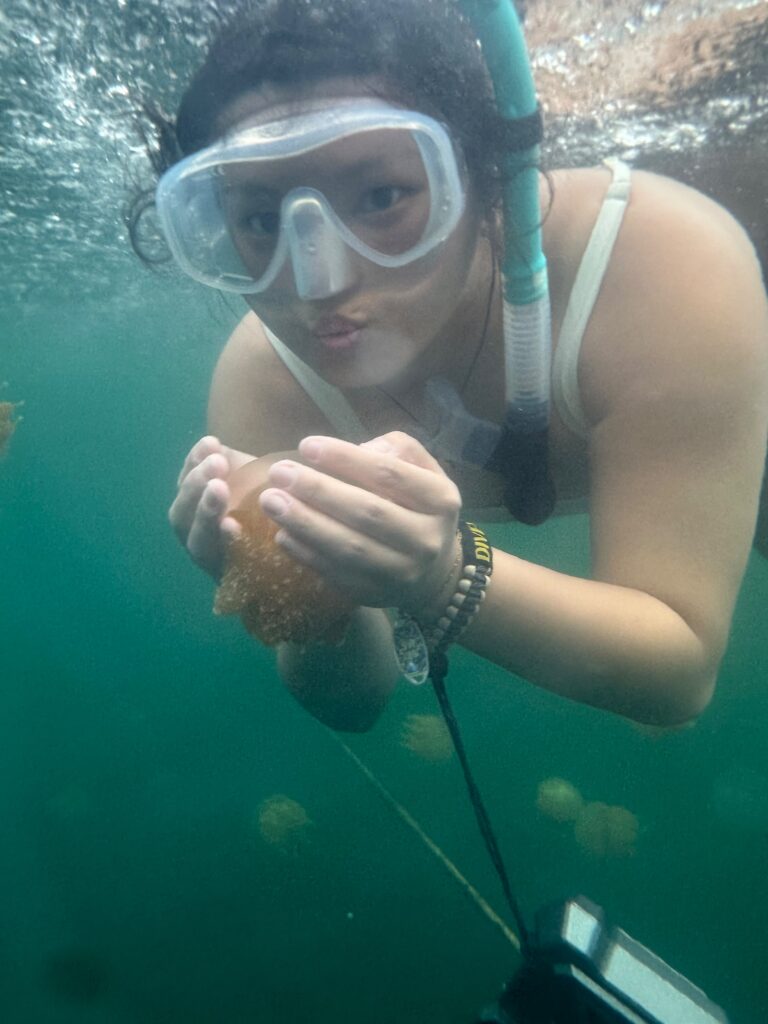
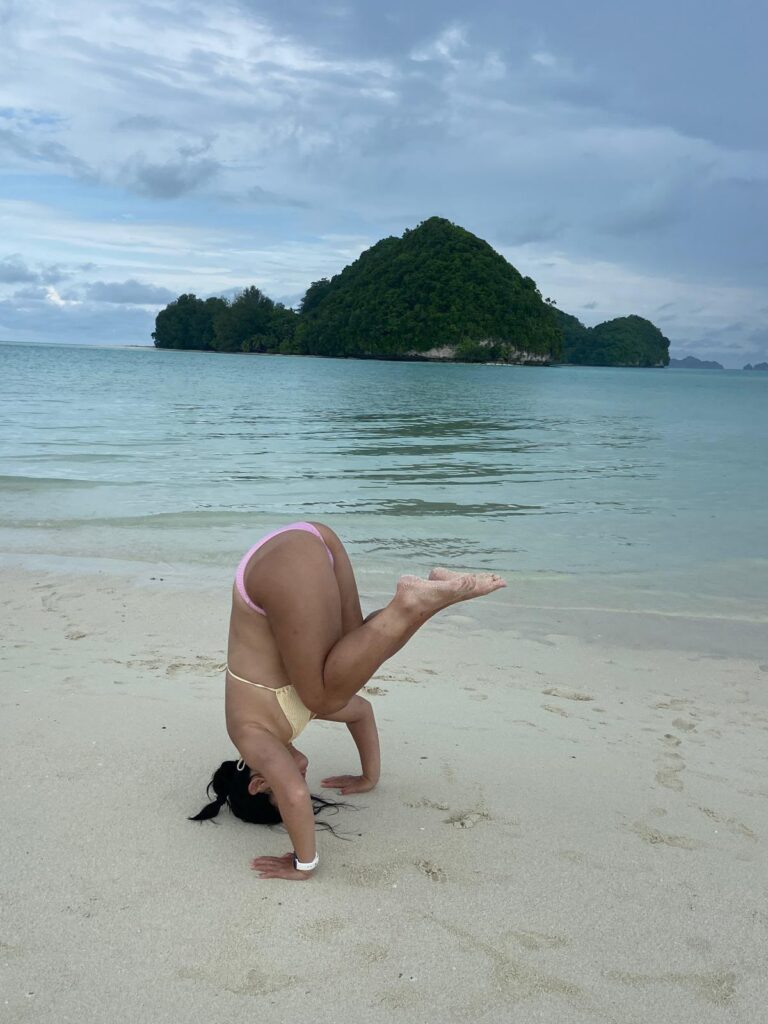
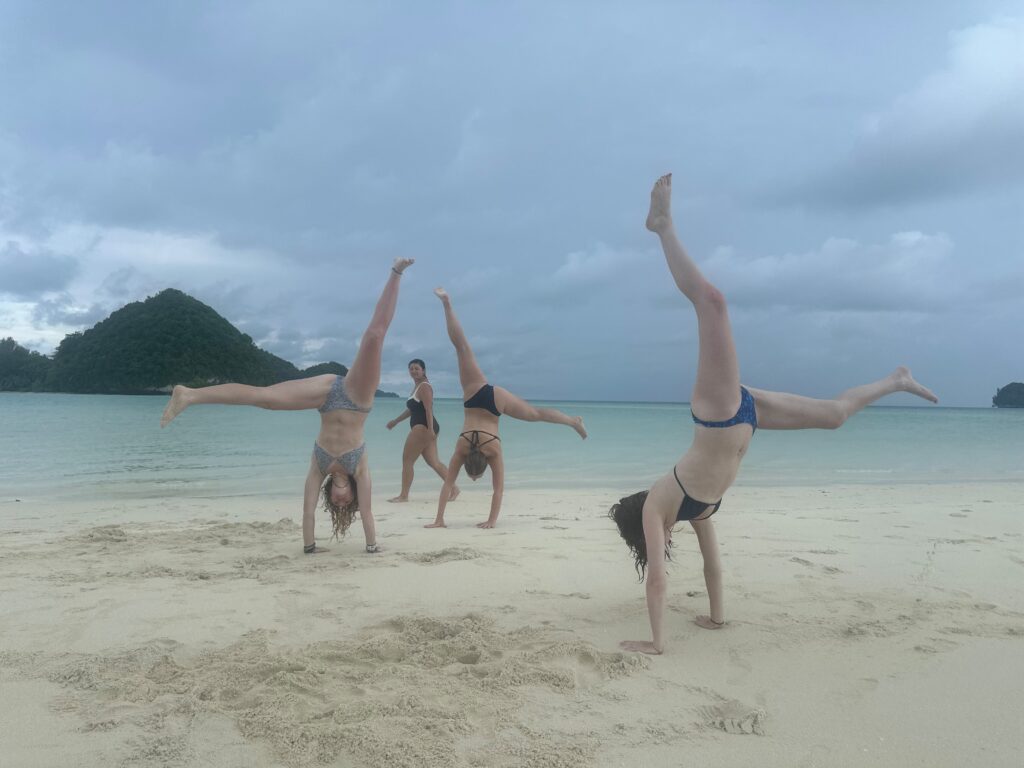
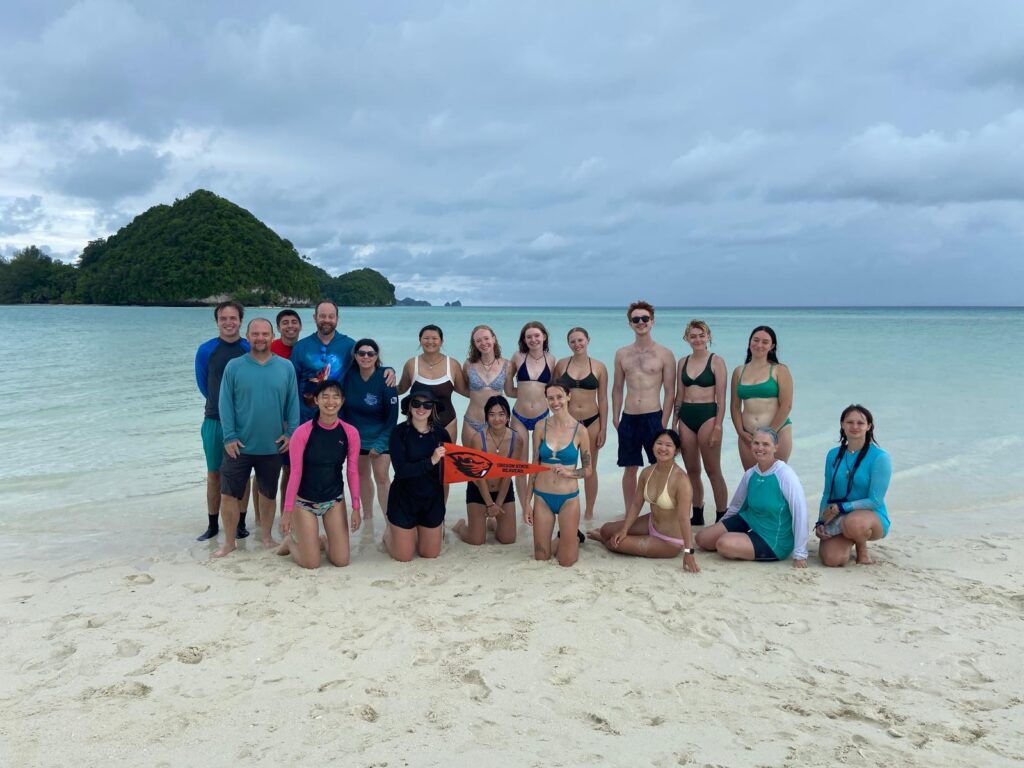
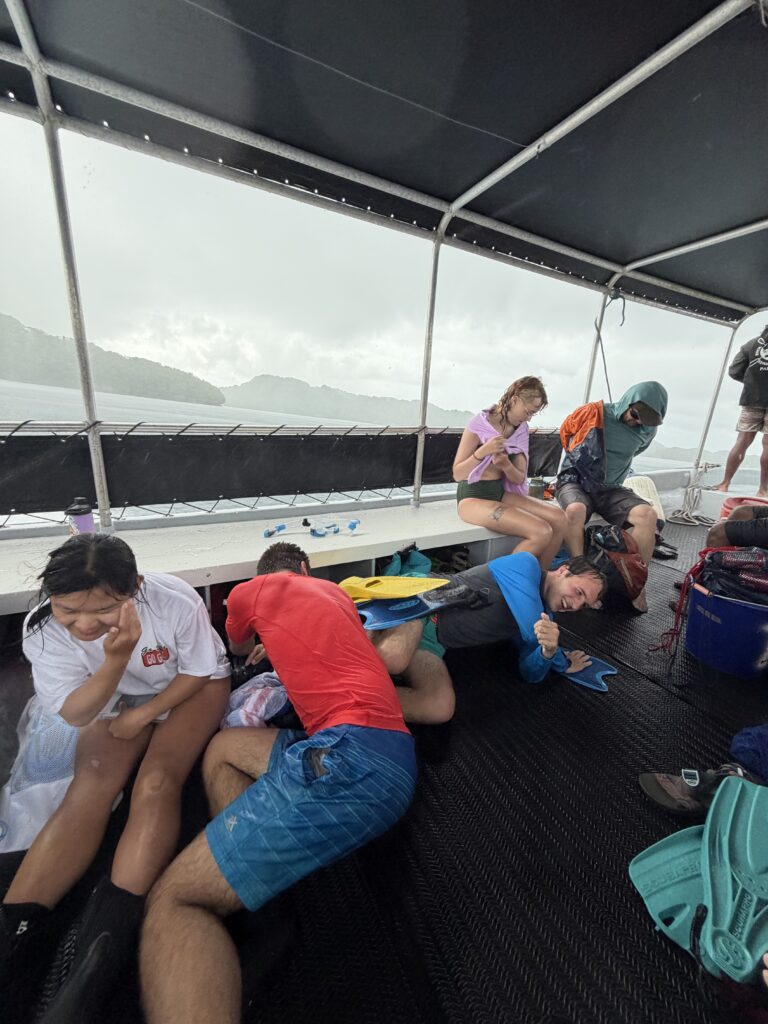
For our final blog post, the three of us- Paige, Susannah and Adam- decided the best way to commemorate our trip was to hear from everyone about their time here, following the questions: How were you feeling before this trip and how do you feel now? What is something important you’ll remember from this experience?
Bailey: At the beginning of the trip I felt nervous about meeting everyone, and also unsure about how I would be able to process all of the content. Now, I have friends that I am looking forward to spending more time with when I get back to Corvallis, and feel that my overall general mindset and outlook about conservation and how the world works has completely changed. It was a great trip!
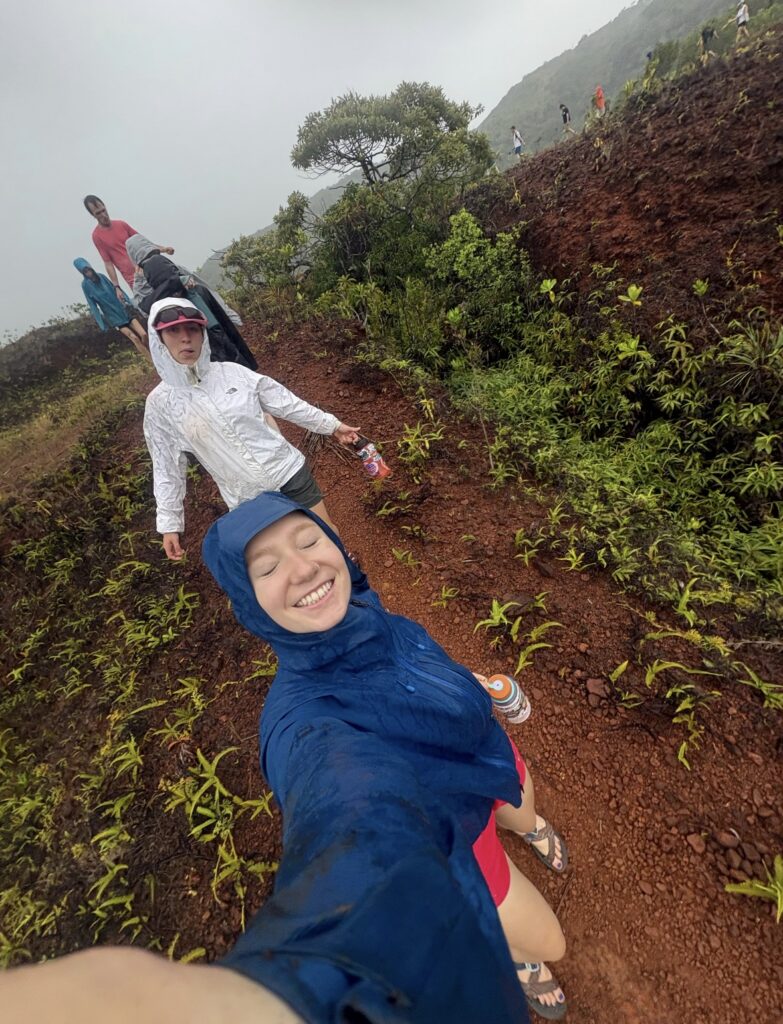
Kasia: Before the trip, I was feeling uneasy about the immense changes in the environment and culture that I would experience and I was feeling sad about leaving Corvallis into the unknown for the summer. Now, I realize Palau isn’t as different from my norm as I originally thought and as always, what I was nervous about experiencing was thoroughly enjoyed and wasn’t something to be nervous about. One thing I’ll remember is exacty that. My adventures are never experiences to worry about but are actually just things that make me a better more well-rounded traveled person!
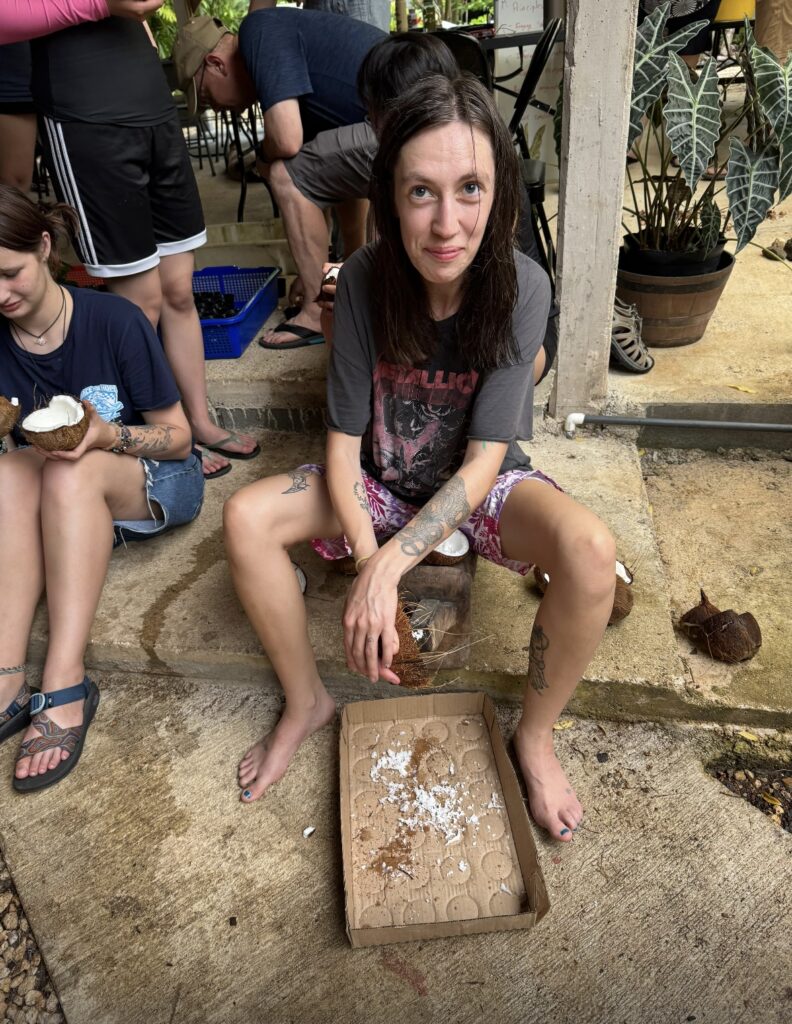
Abby: Before this trip I didn’t know anything about Palau. I felt that conservation had one path and it was to remove humans from the environment. Through my experiences here I have begun to see the environment and humans as working together and that humans can never be taken out of nature. I am so glad to have been able to learn from everyone here and I will always remember the community and sense of belonging that Palau has shown me.
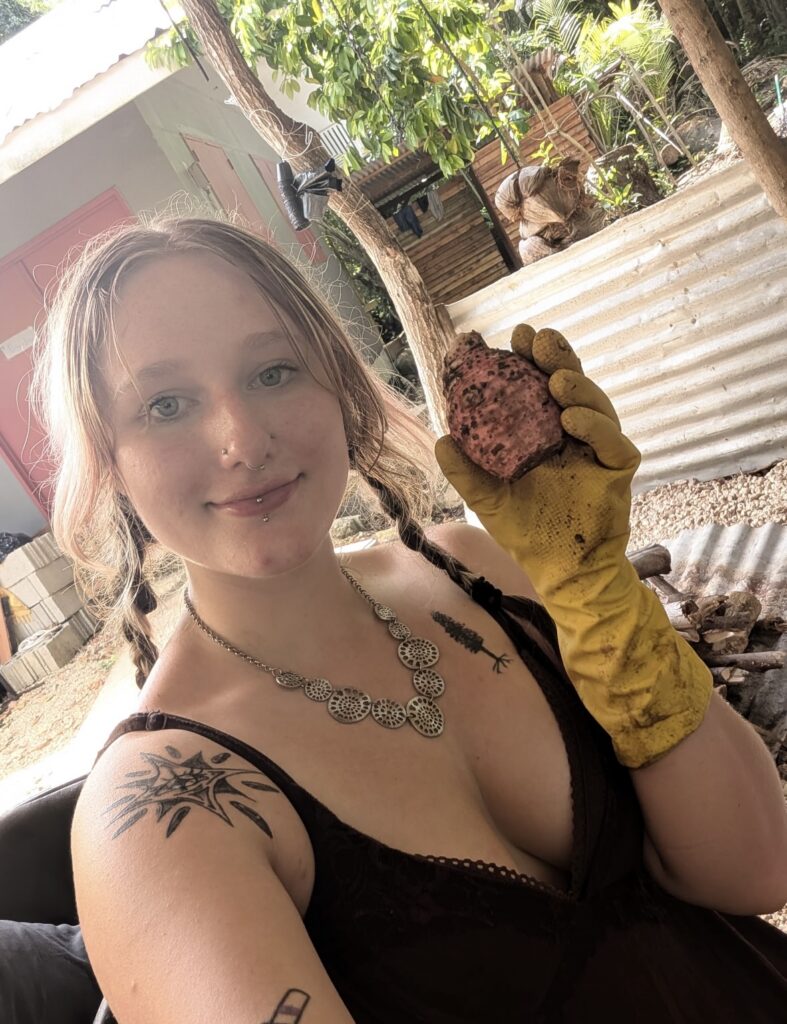
Taylor: I wasted so much time worrying about being isolated during this trip, and not gaining everything I hoped to because of it. I’ll always remember the warmth and the wisdom I was greeted with from Palauans as well as other students, and take those experiences and the confidence I’ve gained to help foster that culture of community and accountability wherever I go.
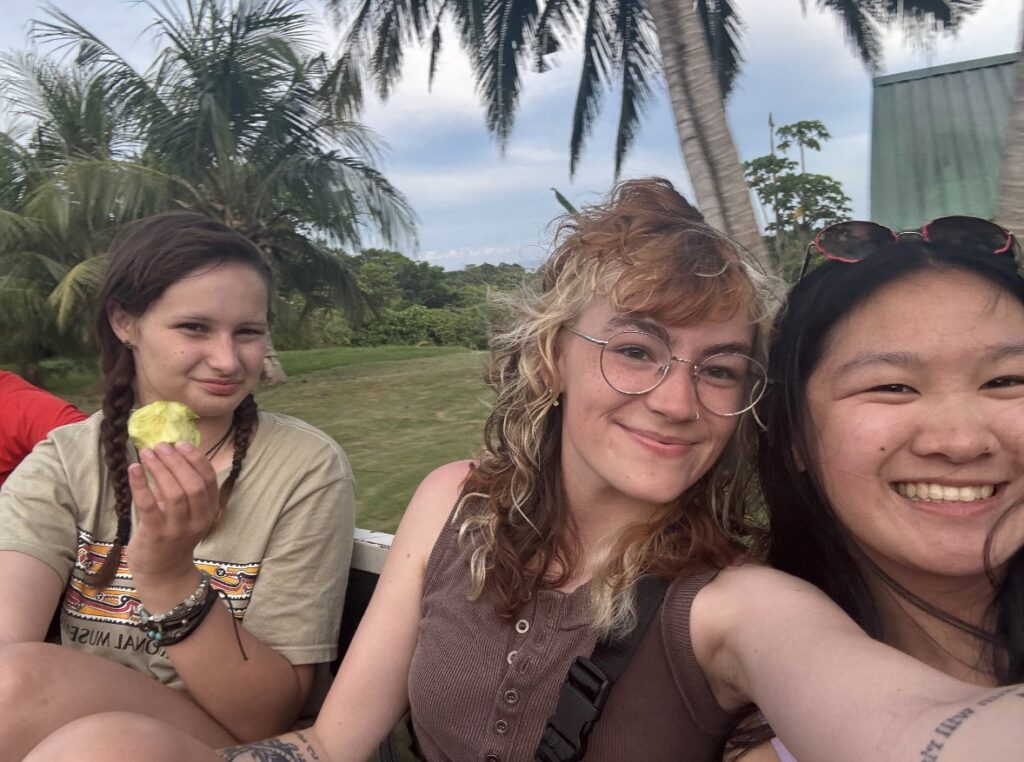
Jack: Before this trip, I had a lot expectations for what I’d see: incredible nature, fascinating culture, ways of life I’ve never imagined, etc. And I was definitely right about all of those things, but the reality of being here is so far beyond what I ever could’ve imagined. I’ll forever remember the amazing people I met here, the kindness they showed us, and the insane beauty of the nature here.
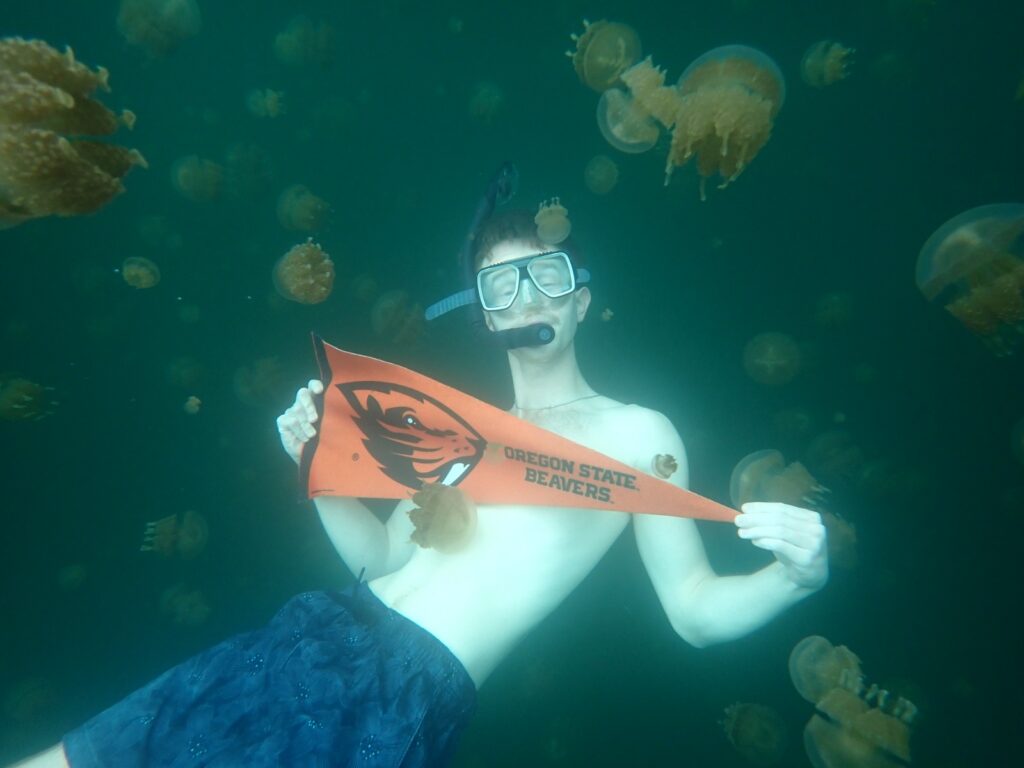
Lauren: At first I did not know what to expect and was hesitant about how “remote” we were going, but looking back I wouldn’t have changed anything about our experiences. My favorite moments were just taking in the beauty of the island, and appreciating those who have protected and preserved its nature.
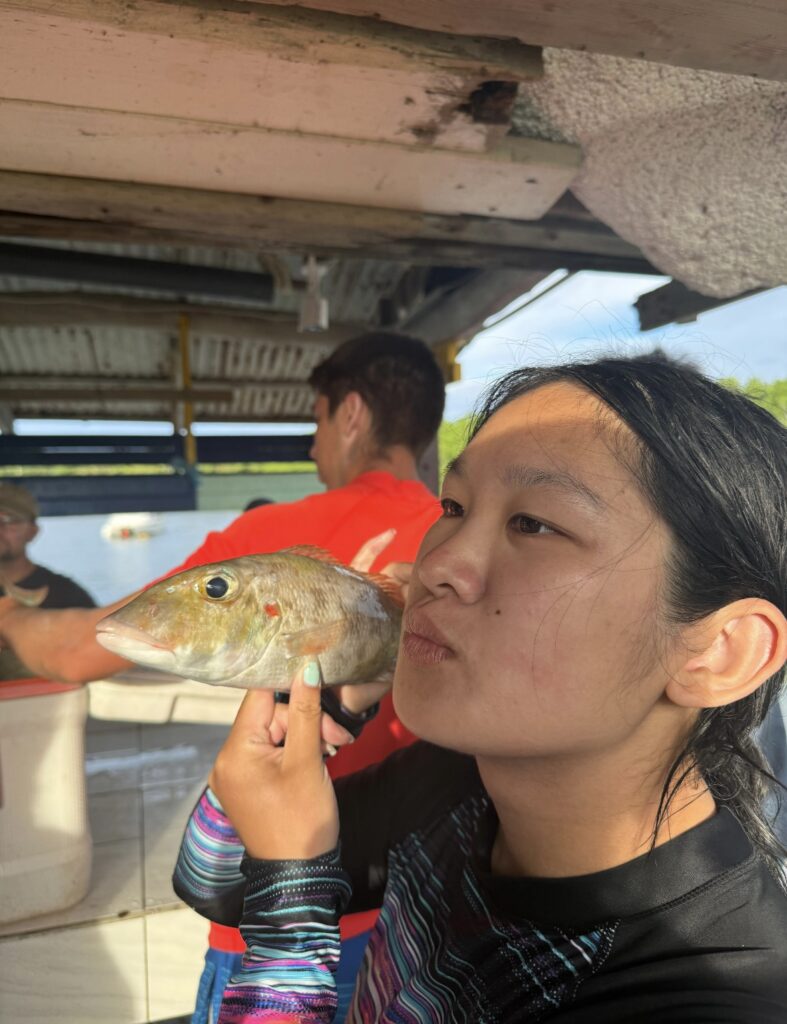
Savannah: This is a trip I will never forget. I’ve learned so much while being here and I’m excited to be able to apply all this new knowledge in my future career and personal life! I will always remeber the people I have met here and the impact they have left on me. Truly a once in a lifetime experience.
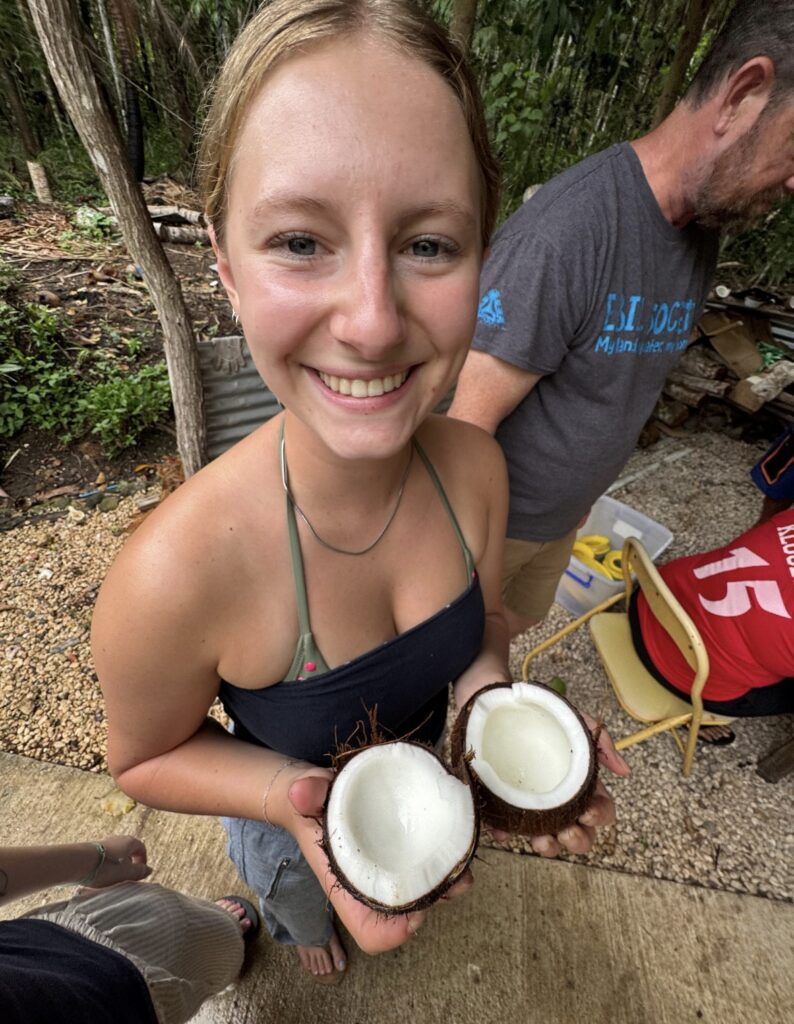
Angela: Before the trip I was scared I was going to accidentally say something culturally insensitive, but everyone was so welcoming and friendly and I was able to learn so much. Everyone had such different perspectives and midnsets from the US and it such a breath of fresh air!
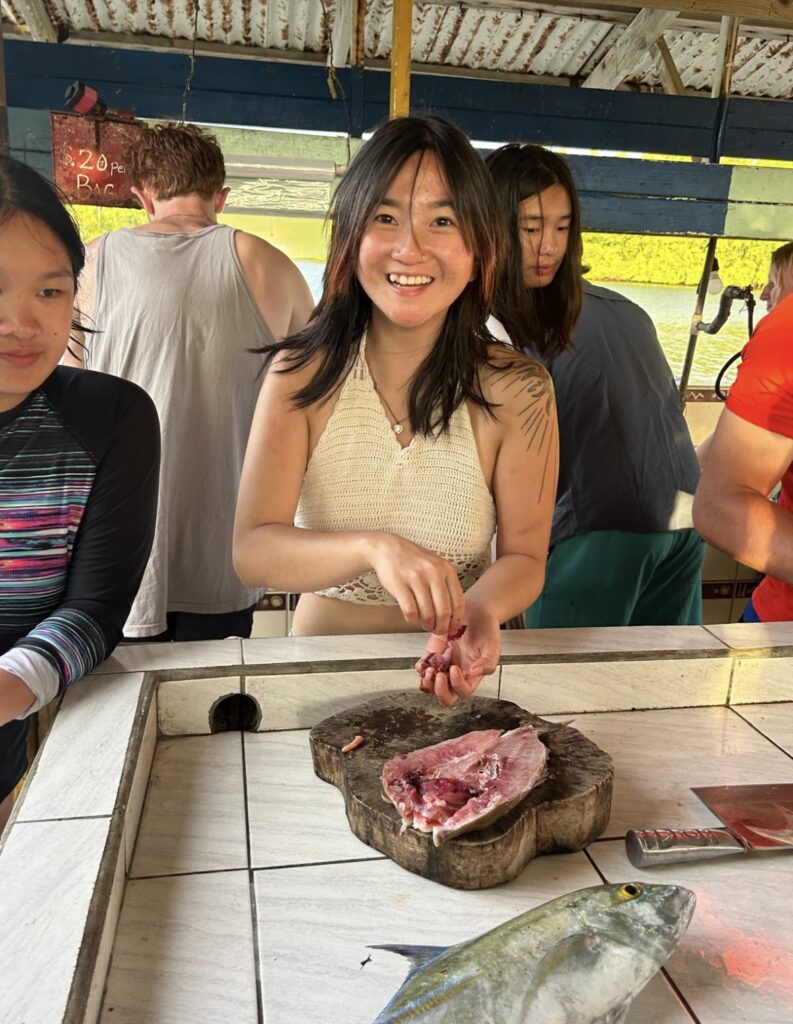
Anna: I was expecting this class to only focus on water, and it was very cool to learn about so many different aspects of the island and how they’re managed in comparison to management systems back in the US. I’ll miss the reefs and nature here so badly, but I’m thankful I can appreciate them because it makes me want to help protect them even more.
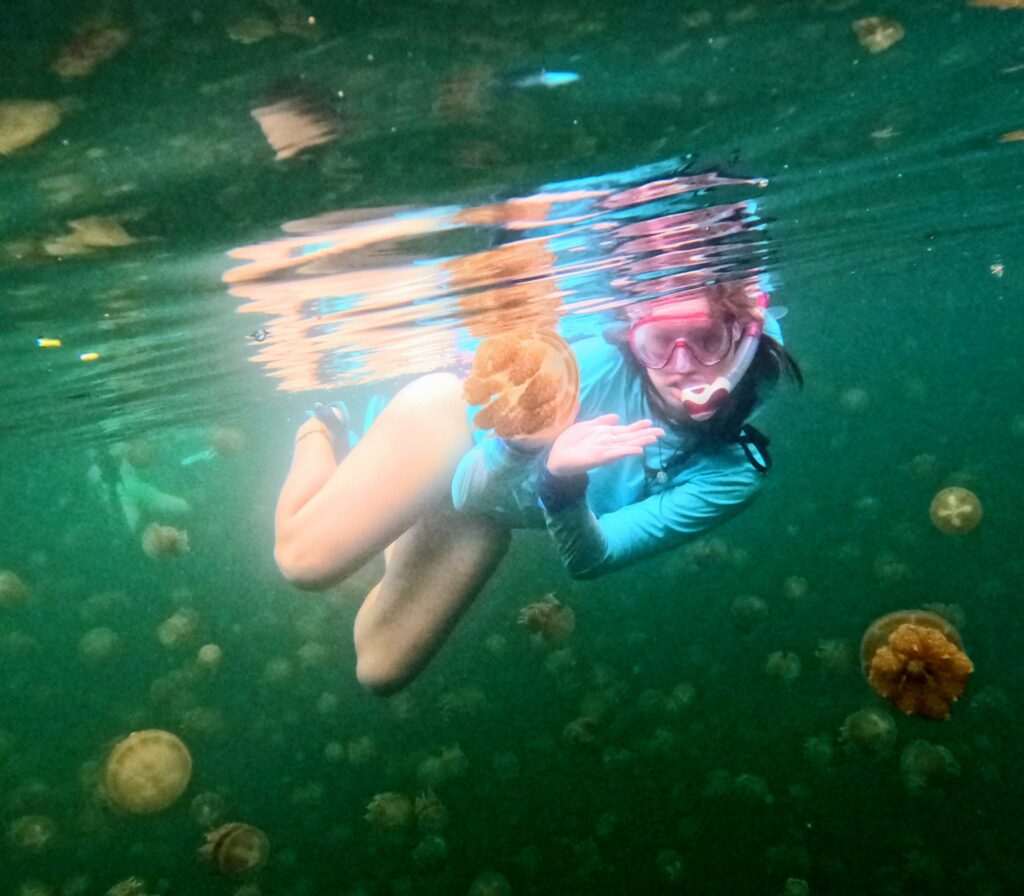
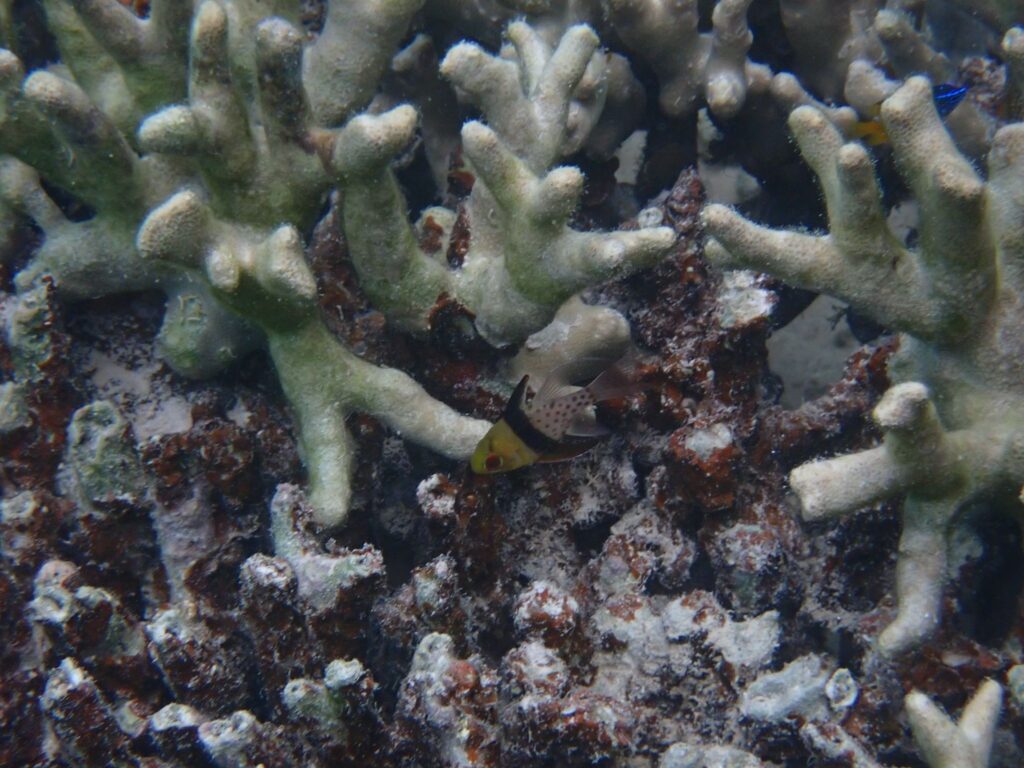
Raven: I came into the class without a lot of expectations but was excited to experience a new culture and see cool things in the water. In this class I was able to do that and more. Something I will remember is the beauty of this place that Palau has been able to protect and the hope it gives for our world’s oceans.
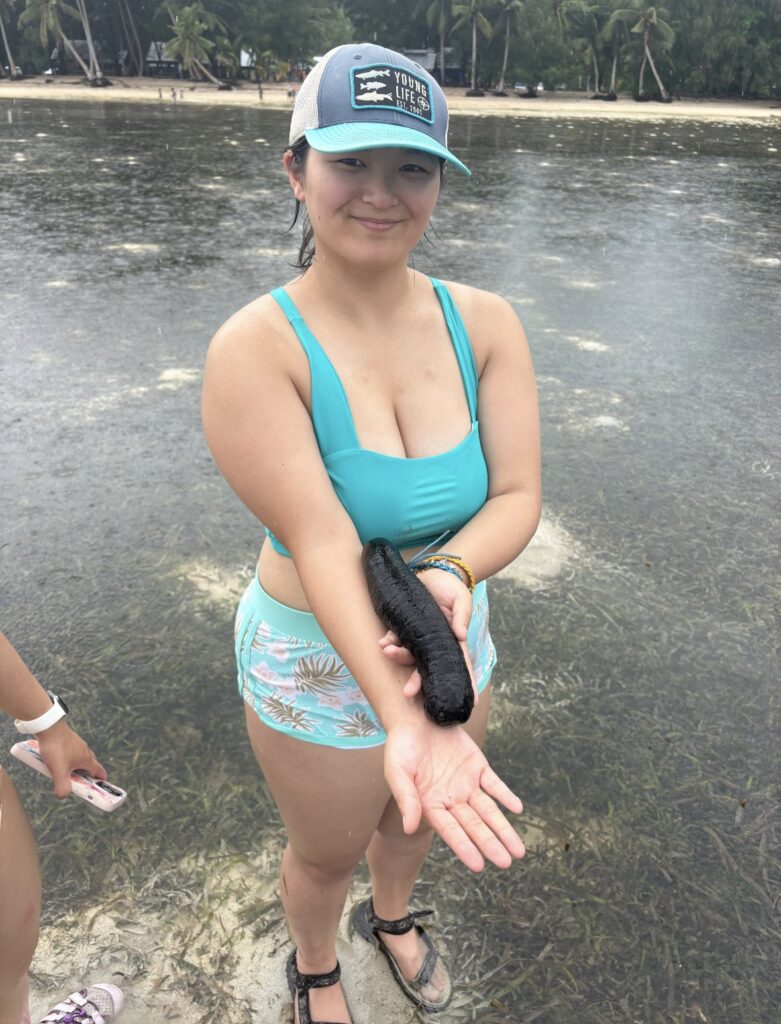
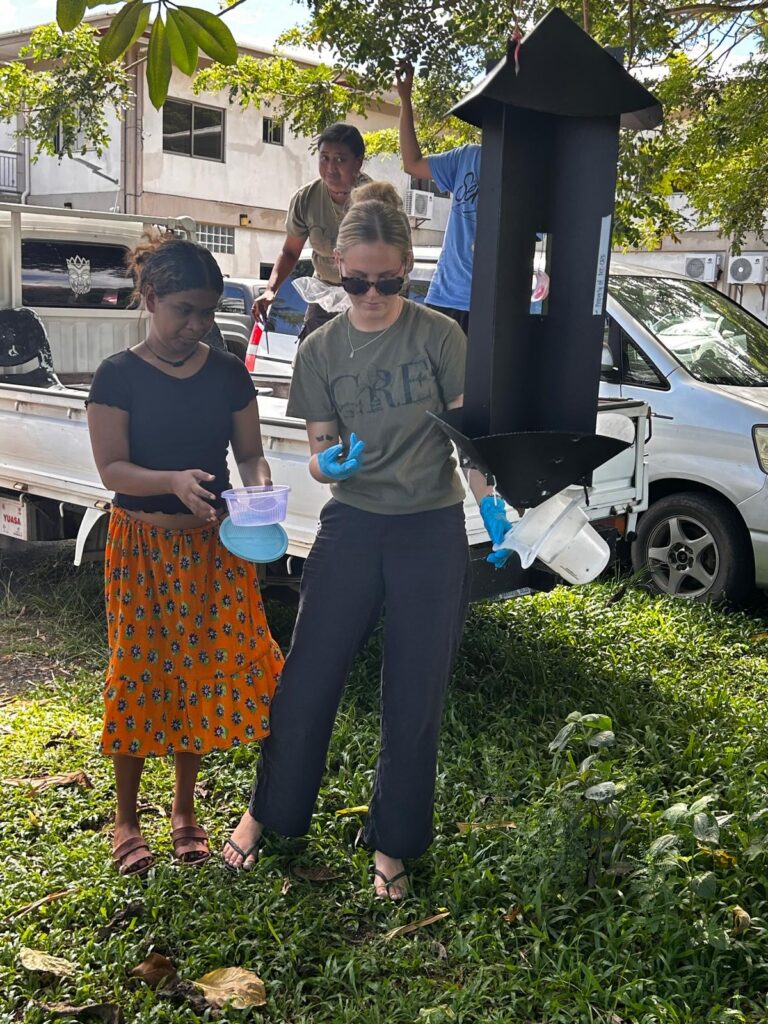
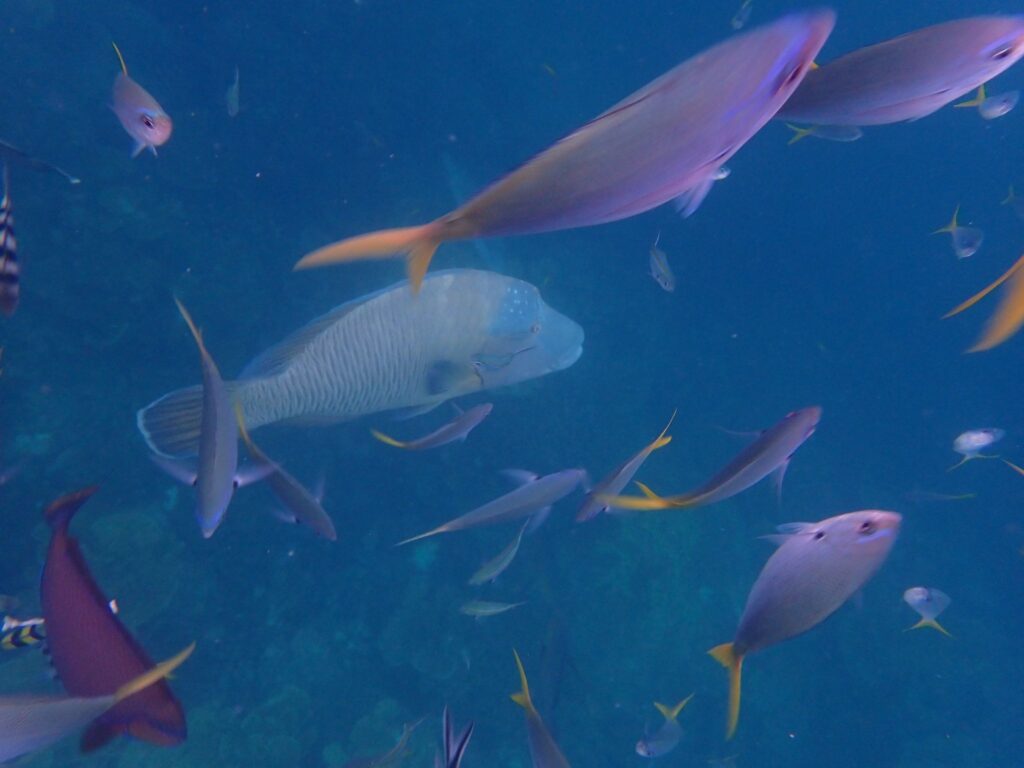
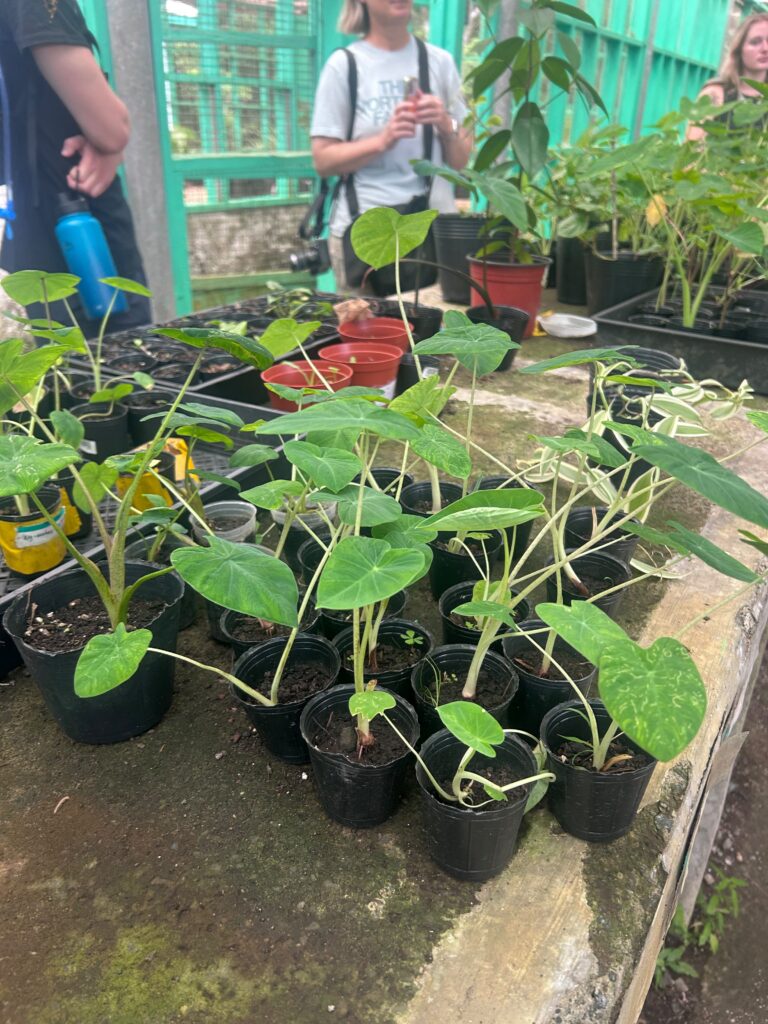
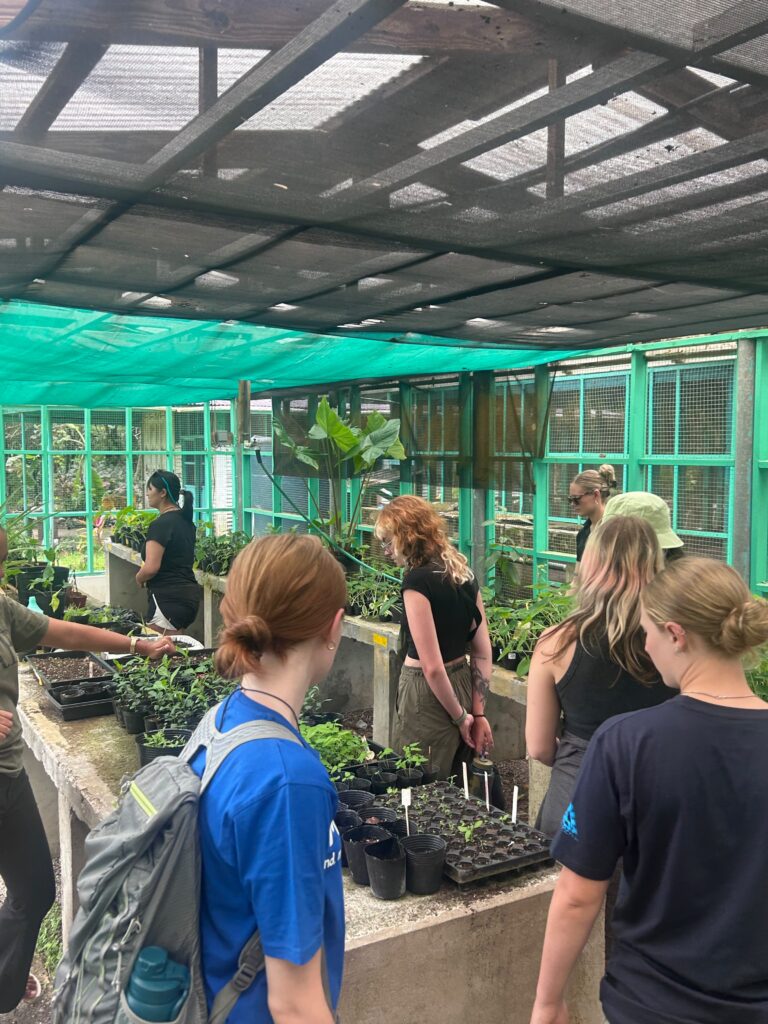
Paige: I have never been more grateful to be chosen to be here on this trip. I walked in with very little knowledge about Palau and I was met with so much grace and openness from the people here. What is there not to remember? We have driven the entire island learning everything from traditional knowledge passage, to looking at architecture, doing ecological restorations, planting taro, talking with our friends in Ebiil and within the government and got to go snorkeling in some of the most pristine coral reefs in the world. Walking away from this trip I am just incredibly grateful to be here with some amazing instructors and hosts and to have made connections that will last for life.
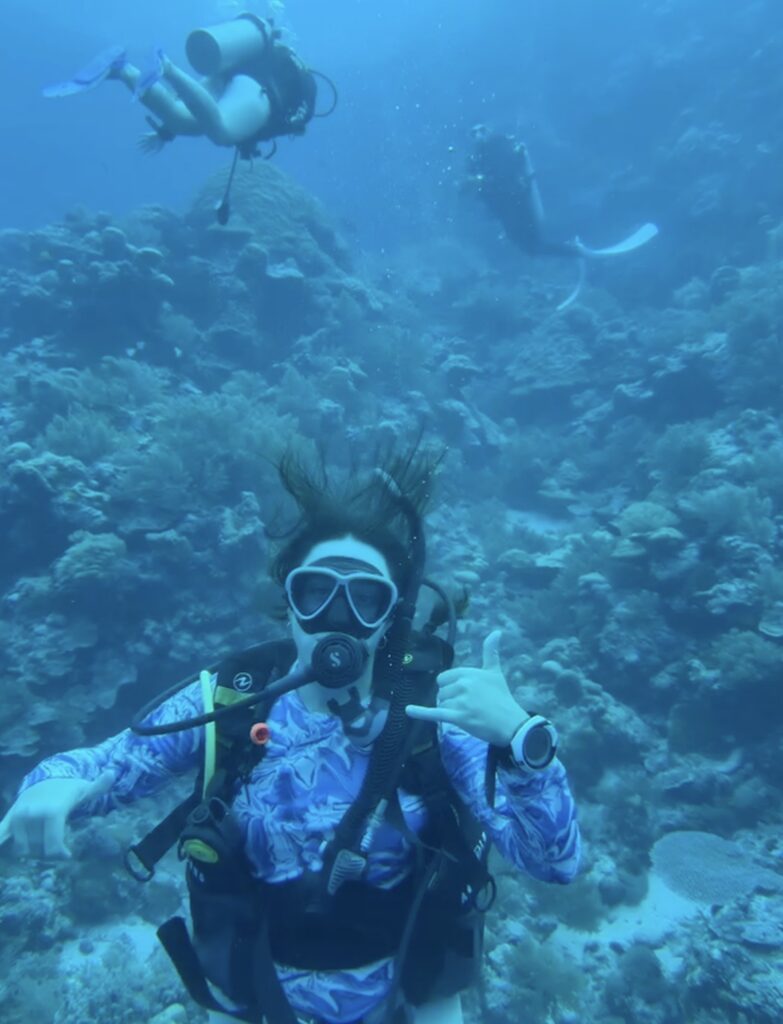
Adam: I was nervous. This was my first time crossing the Pacific and flying alone. I didn’t know what to expect, and if the 19 people I met in the next few hours would ever be friends in this strange place thousands of miles away. This place now feels like a home with the community I have built with my classmates, along with all of the people I met here and their kindness.
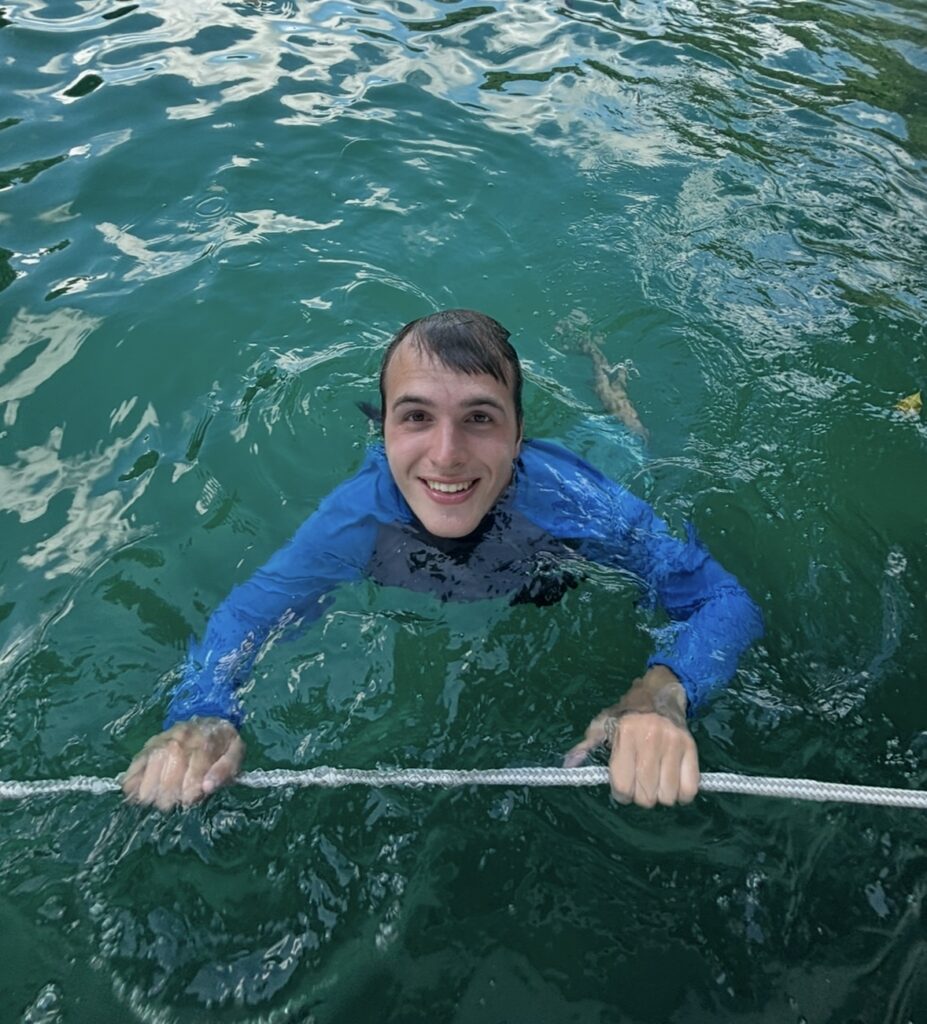
Susannah: Before this trip, I felt scared to travel alone, nervous to be somewhere new, but also curious and ecstatic about such a cool opportunity to learn in a beautiful place. I leave feeling not so scared anymore. The truth is, even being in a new place with no one you know, you can never be alone. The people I’ve met here and the Palauans I’ve learned from made this world feel not so big. What I’ll take from this experience is hope. Hope for healthier oceans, more collaborative conservation strategies, and a world of people who help eachother.
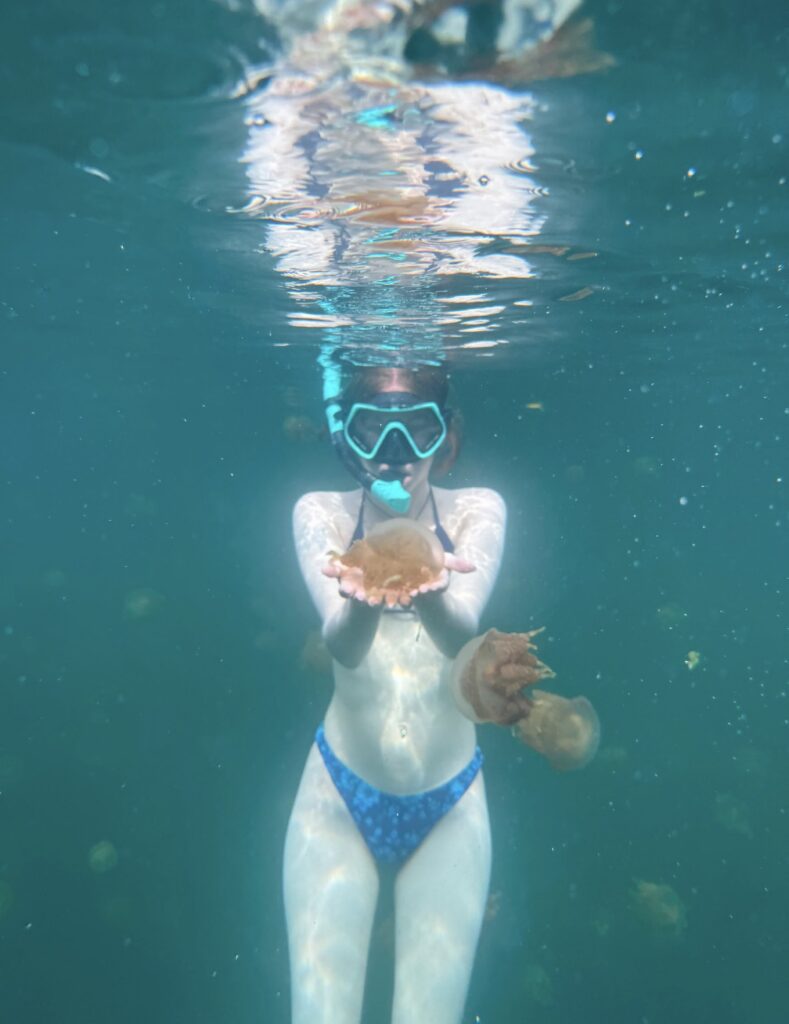
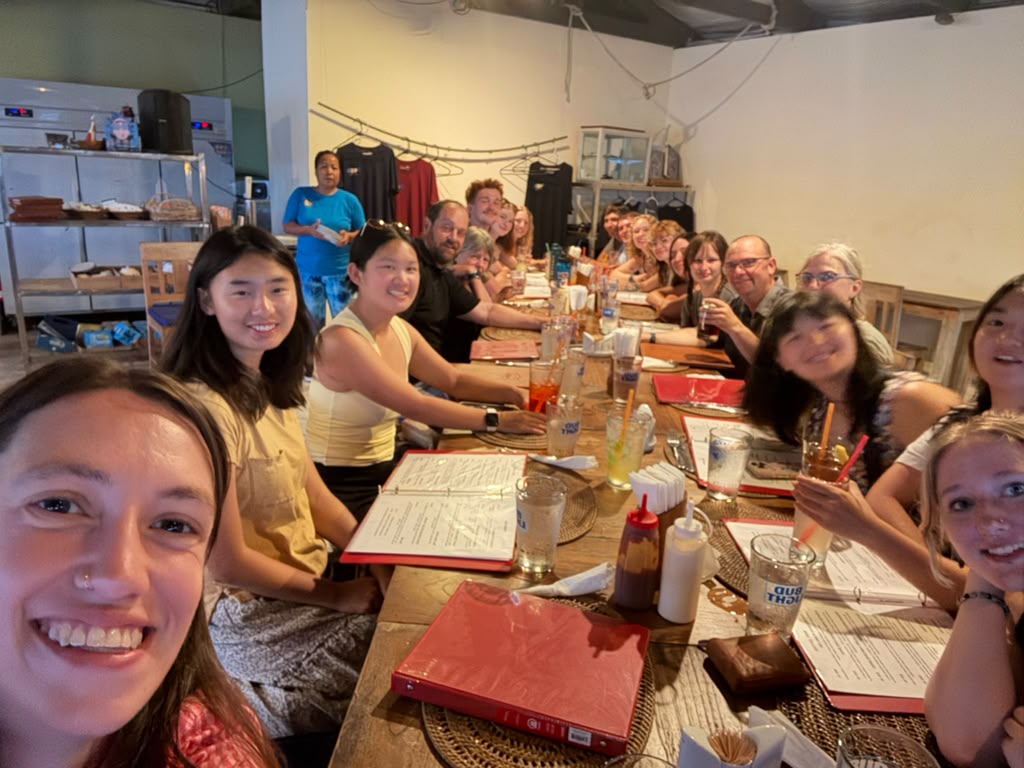
Issie: Initially with this trip I was unsure if I was enough because I was the youngest in the group but after the two weeks I’m confident in what my strengths and weaknesses are. One thing I’ll remember is the community in the class and the people around us since it was the first time where I saw people so tight knit even if they’re not related to each other!
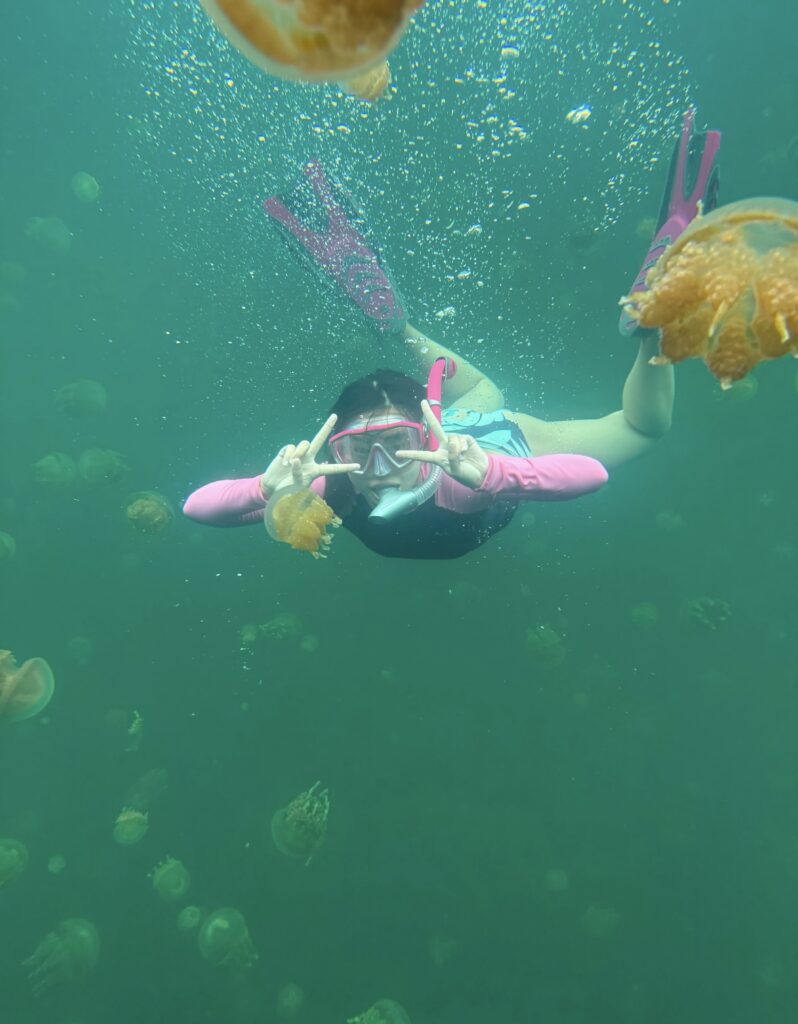
Noah: Before the trip I was feeling a little nervous about traveling abroad and being in a foreign country with people I didn’t know. However I’ve had an amazing time getting to know everybody on the trip. I’ve learned so much and it’s really changed my perspective on conservation and sustainability. I want to always remember the natural beauty and connections I made throughout the course.
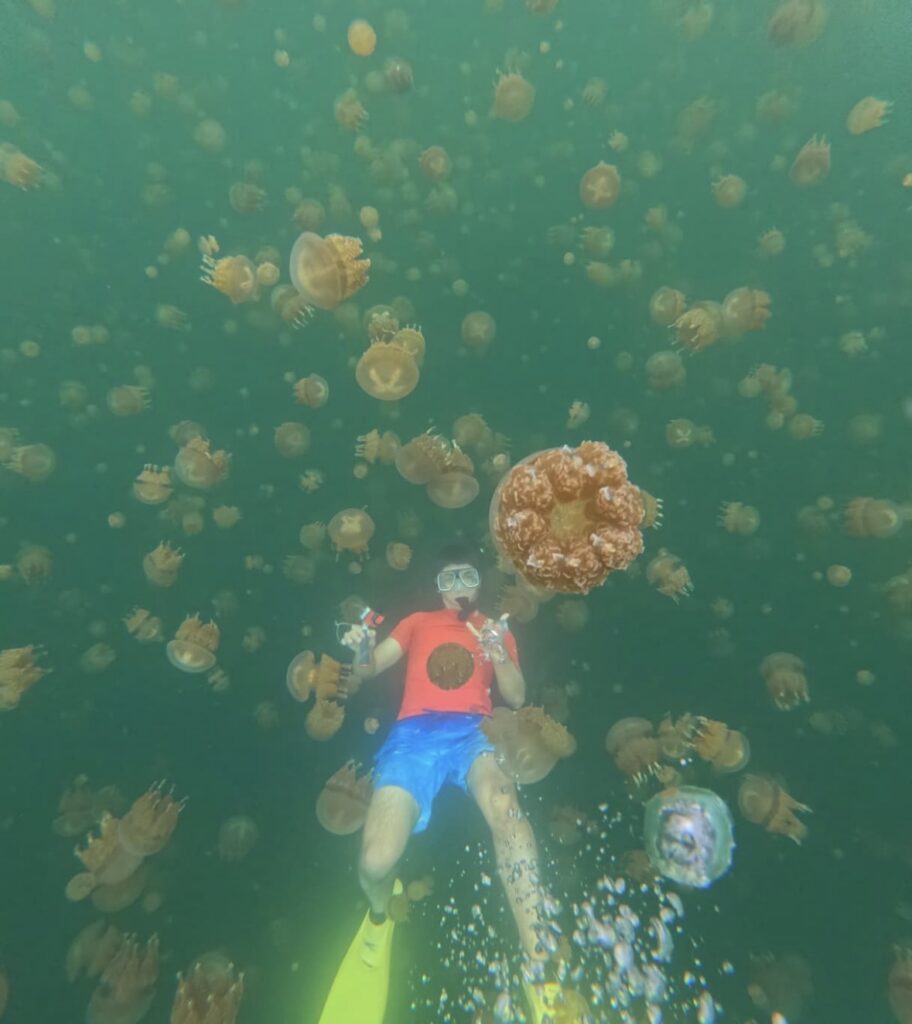
Now, on behalf of the Ridge to Reef class of 2026, we’d like to thank everyone who made this trip what it was.
Thank you to our families and friends for supporting us. We can’t wait to come home and tell you everything we’ve learned.
Thank you to the Ebiil Society for hosting us for a week and welcoming us into your home. You shared your knowledge with patience and openness, happy to answer our endless questions and share unique experiences with us. Whether it was preparing food together, learning about traditional practices, or simply sitting in conversation, every moment meant the world to us.
We would also like to thank all the guides and people we’ve met on this trip. Thank you to Paddling Palau and Palau Community College for spending your time with us. People like Anne, Joyce, Iseko, Ilima, Daemi, Chris, Mac, and everyone else inspire us with their committment to making a difference.
As we reflect on our time here, we are struck by a strong feeling of hope. In a world where environmental challenges can often feel overwhelming, Palau stands as a powerful example of resilience and responsibility. The commitment of Palauans to protecting their natural resources, while maintining cultural traditions and knowledge, reminds us that change is not only possible but already happening.
For a lot of us, this experience has strengthened our own sense of purpose. We all share a deep care for the oceans and our planet, and this trip has solidifed that even further. No matter how difficult things get, no matter who tells us something isn’t possible, we are reminded here why it is worth continuing to fight. We will continue to go out into the world with questions, curiosities, and endless wonder.
The resilience of Palau and its people will stay with us long after we leave. It is a reminder that hope is something built through dedication, community, and an unwavering belief in a better future. For that lesson, and for everything you’ve shared with us, we are endlessly grateful.
Thank you to Bryan, Scott, Maren, and Selina for your time, dedication, hard work, and mentorship throughout this incredible experience. Your passions for this place are what allowed all of us to one day come, and we will never forget these past few weeks you’ve shared with us.
And lastly, thank you to the Ridge to Reef classes of past years for paving the way for us. As Selina says, conservation is about people. Let’s keep being those people who, despite everything, continue to fight for this world.
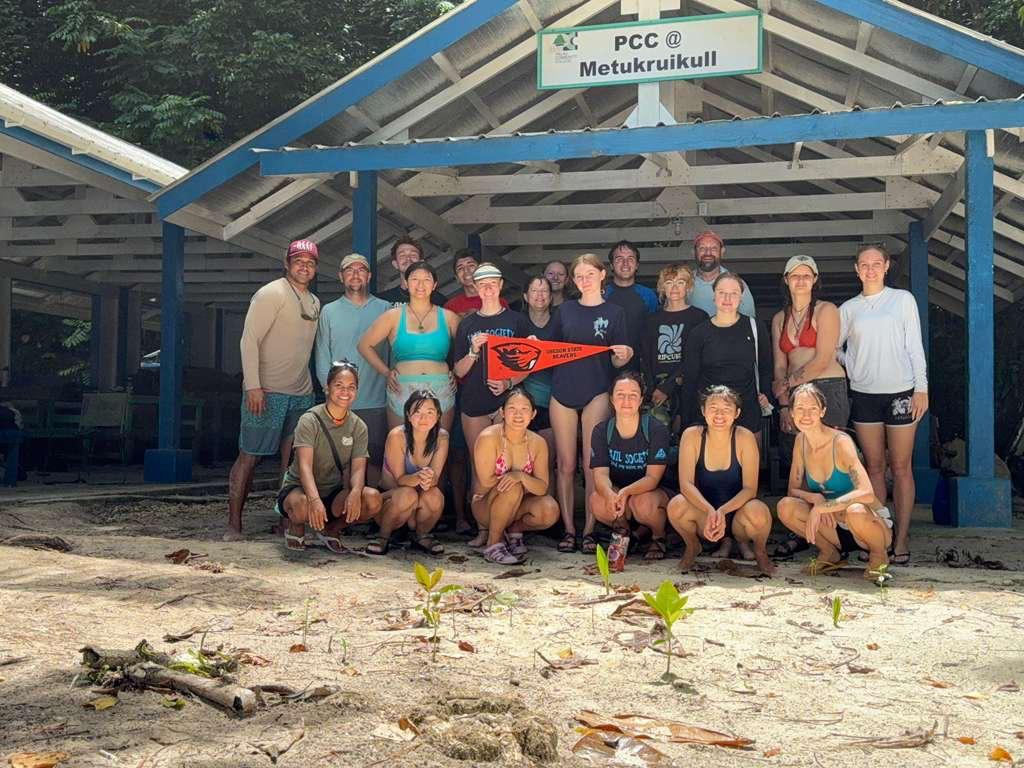
Ridge to Reef class of 2026, signing out.