Just an-“otter” pun…

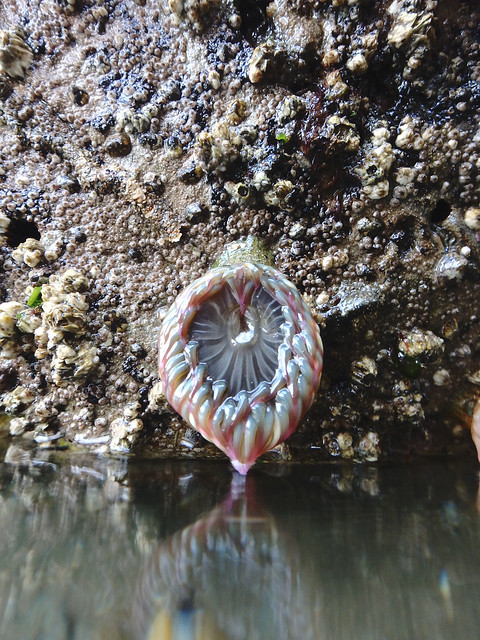
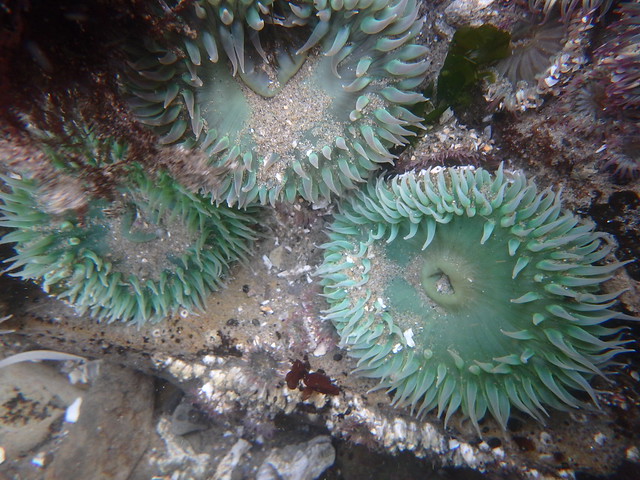
What a great week! Tons of field work in the mudflats last week and got to spend last Friday with all the fellow SeaGrant scholars at Beverly Beach. We went to the Newport Aquarium and I got to spend my birthday with friends while exploring Eugene. Bought my first wetsuit and plan on giving surfing a try this week! Please enjoy the photos below that show all the nifty native creatures of the Pacific Northwest coast. Also I highly recommend clicking on the Otter_Video link below. You won’t regret it!


Otter_Video

Big ole eel

Wolf eel being fed

Jellyfish tank

Hagfish are not exactly the best looking fish, but they are used as a fake eel skin in a lot of clothing

Baby Pacific octopus

Puffin’ puffin his chest

Week Five: Flats, Fishes, and Fires

We have hit the halfway point in the summer! This past week has also been super exciting! At work, I finished up searching for sea surface temperature values. I found a NOAA climate change portal where you can set the variable you want to look at (sea surface temperature), set the time period in which you want to see the change (2000 to 2100), set the RCP scenario (4.5 and 8.5) , and you can zoom in on the region you want. Although this map wasn’t interactive and I used approximate estimates based on the contours and legend, in the future we can extract the data and use ArcGIS to get the exact zonal mean for each ecoregion. Unfortunately, I do not have ArcGIS on my computer so I won’t be able to do that task. Instead, I have moved on to finding pH thresholds for decapods and pH and aragonite saturation thresholds for bivalves. My mentor, Henry, decided that in addition to using aragonite saturation as the variable for ocean acidification, we should use pH because the acidity can affect the chemistry of an organism, and this way we can also examine the impact of ocean acidification on non-calcifying organisms.

Also this week, I went on the mudflats with Austin, Dan (his mentor), and Anthony (the other intern working with me) and helped collect and measure juvenile crabs from pit traps and shell bags. We woke up at the crack of dawn and headed down to the middle Sally’s Bend. Within the first ten meters of the flats I got stuck and Dan had to help me get unstuck. Fortunately, I acclimated myself to the flats and never got fully stuck after that. We also visited Sawyer’s Landing and Sally’s Bend East where the mudflats weren’t as soft and the distance to the traps weren’t as far. After we were out of the field, Anthony and I helped Austin record all of the crabs that we couldn’t measure out in the field—we were in a hurry because the tide was coming in. It was an amazing experience and I saw so many different organisms! In addition to Dungeness and Hemigrabsis crabs of all sizes, I saw hermit crabs, mud and ghost shrimp, polychaetes, jellies, sculpins, cockles, and oysters—something that I would never experience sitting in the office.

Untitled

I also had an exciting social life this week! On Wednesday the Hatfield residents put on a potluck and there was so many delicious dishes! I brought a simple salad but I ate samosas, stuffed peppers, crab legs, beer cheese soup, banana bread, nachos, mashed potatoes, and a ton of other really delicious foods.

On Friday I didn’t have work because of the Sea Grant mid-summer check-in. We listened to Mariah explain how to communicate science and present properly. It was really helpful and will surely be useful in future presentations, especially our final symposium. We also listened to everyone give presentations about what they are doing this summer. We then got free passes to go to the aquarium! It was really cool seeing a lot of the species I have been reading about. We saw crabs, eels, anemones, jellies, sea stars, seals, sea lions, otters, sharks, rockfish, and a ton of other species.

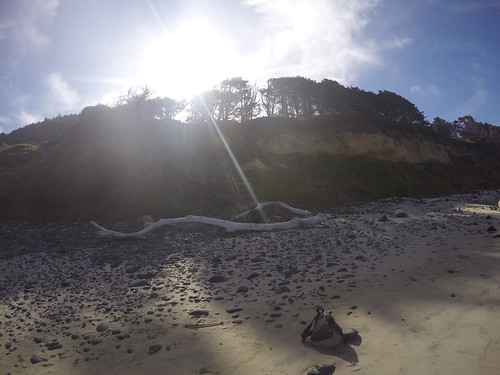
After the aquarium, we headed down to Beverly Beach for a barbeque and camping and saw some amazing sunsets.

The next day after the camping trip, some of the REU interns and Ron and I went to the beach and spent the 80˚ weather basking in the sun. We also went to Rogue to celebrate someone’s birthday and had a bonfire on the estuary.


It was a satisfying week and weekend and I can’t believe we only have five weeks left!

Weeks 4 & 5

Yikes – haven’t posted for the last week and a half, now! Things have been busy in the best way, though, and this week has seen an explosion of interviews after a long period of time spent emailing and scheduling. In the last two days, alone, I’ve had conversations with seven different people.

Speaking with research personnel has been interesting because I’ve identified a sort of spectrum pertaining to their interests in outreach and engagement. At one end lie the researchers whose work could be called “hard science” that isn’t motivated by public interests and for which outreach and engagement activities don’t come as naturally. On the other end lie researchers whose work is inherently driven by societal relevance and lends itself readily to outreach and engagement work. Talking to people along that spectrum has been interesting in that they have very different experiences to speak to.

In my interactions with people, there continues to be a lot of discussion about terminology. Last week, someone introduced me to the importance of collaboration versus cooperation in research planning processes with the “general public”. Additionally, someone else outlined the differences between outcomes and impacts, related to the products of engagement activity. And, of course, everyone keeps asking me what I mean when I introduce my project as an “engaged research evaluation” because of the breadth of that terminology. Some of this doesn’t come naturally to me in the way I speak with people, but those that have focused their energies on these subtleties and differences in their own work have helped me work through some of them and, in the end, try to make myself more clear when interacting with people across the board.

After a long week, I’m looking forward to our Summer Scholars Mid-Summer Check-In tomorrow in Newport! And then I think the rest of my weekend will be occupied playing transcription-catch-up seeing as we’re almost halfway through the summer–whoa!

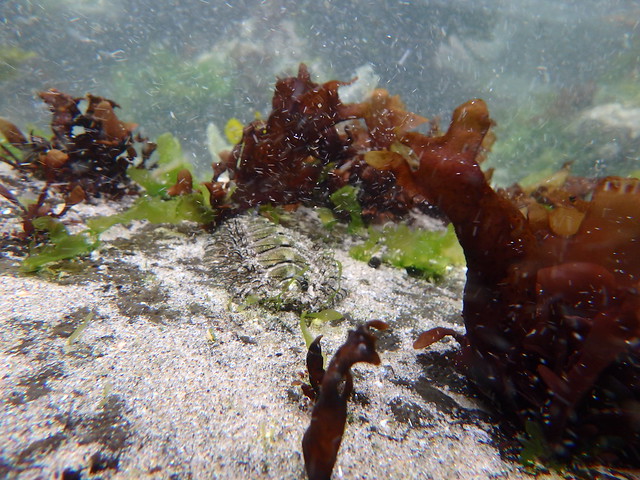
Finally, a quick note on Oregon life outside of work in the last week: I had the opportunity to go surfing for the first time and had a great day out at Otter Rock! I also met with the low tide at the end of the day and got to check out some of the marine gardens at that site. I was especially excited to see my first chiton, I don’t know that I ever saw any of those on the central California coast, growing up. It was a great day and I’m looking forward to future opportunities to explore the coast. The biologist in me has been missing some of that, but I’m armed with an identification guide for next time!

Untitled  Untitled

Untitled  Untitled

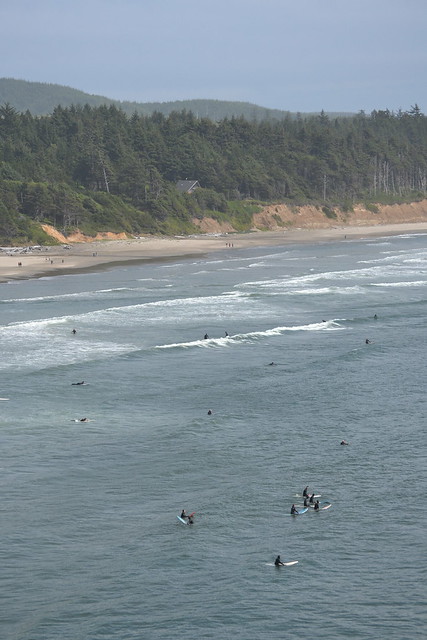
Surfs up at Oswald West

Anyone interested in surfing on the Oregon Coast should definitely hit up Oswald West State Park, specifically, Short Sands Beach (called Shorties by the locals). Every time we go down to this small stretch of sand and do visitor observation surveys we count almost 100 surfers in and out of the water! The waves here are great and the beach is generally super sunny and warm, and not too windy at all. I’ve even seen people get sunburned here, on the Oregon Coast if you can believe it! There is no longer camping at Oswald West due to unsafe natural conditions, but camping is available just a few minutes south in Nehalem or north in Ecola State Park. Bring your wetsuit and board and come join the party if you have a free weekend!

photo 2

A stream of consciousness postcard to another

I think about how the sky paints the sea purple and pink and orange, but only when it feels like it, on special days of warm nights and 9:00 sunsets. That sometimes it’s hard to find where the sea ends and the sky starts, but there’s beauty in continuity and some things are left for wonder. As we float away, ripples from the motor leave a trail behind– but this isn’t a lesson on impacts made or legacies left. Instead I want you to see the soft lines of the waves, how no one talks about how beautiful water is when both gently disturbed but also can be as powerful and encompassing as it crashes against overbearing cliffs, how easily it can take a life away but just as so give it. How it contributes to fluidity, as fluid as the blood in my limbs; the same red running current as what’s in you. The same soft lines on the surface of Anthropluera elegantissima, like water color paints– how water can spread and share and ignite hues of vastness and creativity. Or maybe more so those soft lines mimic a high school student trying oil paints for the first time– the intent is there but execution is anything but perfect. But that’s okay. Because the sea never waited for perfection; it never waited for coloring within the lines–or the sky. The sea does whatever the heck it wants. And it can not and should not ever be contained or described as a bathroom theme in an orange county beach house; the sea does not deserve that and water should never be taken for granted. But that sometimes colors should bleed from the sky onto everything we love.

Crustacean Examination

After successfully deploying 23 pit traps in the last week (one went missing), on the 7th we were able to check them after being open for 24 hours. The results were pleasing to see, as we did in fact have crabs of multiple species in all of our traps. Many sculpin were caught as well and were noted. The number of Hemigrapsus crabs seemed to increase as we got closer to shore and the number of Dungeness was less and more randomly distributed. We also found two strange looking crabs that turned out to be Pea crabs. As planned the size selection method worked in a fairly smooth manner. I say fairly, because the majority of the traps caught small crabs, but a few actually caught large crabs that we are unsure of as to how they managed to get in. (while molted soft enough to squeeze??). This will be repeated several more times as the summer continues on.

Here is a video of the Dungeness Crab GoPro footage that was shot a few weeks back. We believe the crab is exhibiting this behavior because he (it is a male) is trying to crack his own shell open so that he may begin molting. The video is sped up from 30fps to 120fps.

https://www.facebook.com/austin.r.prechtel/videos/10207203552717977/?l=3251973081910911355

Pit trap in action

Removing the zip ties on a trap to access the catch.

Staghorn sculpins that were caught in the traps


The panoramic camera work is taking a bit longer than expected, mostly because some equipment we were thought to of had by now, has not arrived so that testing our design is not possible yet. I have been working with a few video editing softwares that allow panoramas to be made via stitching.

This weekend a trip up to The Gorge is being made. Will post pictures!

Is this the new normal?

For my final blog post, I wanted to discuss a project I have been working on for the past 6 months about a topic that impacts not just ocean and coastal ecosystems but all ecosystems across the state of Oregon. This year, Oregon fresh water systems are seeing harmful algal blooms (HABs), which are toxic to animals and humans, earlier than normal. HABs in the marine environment for the first time caused a coast-wide shut down of the razor clam harvest. The fire season is already ramping up and is predicted to be more severe and last longer than the traditional season. Drought conditions are causing emergency drought declarations across the state. The list of unusual and severe climate conditions and their impacts to the state is growing. While climate is influenced by many factors, including El Niño and the Southern Oscillation, the Pacific Decadal Oscillation, and “the Blob”, some are asking if this is the new norm? Climate change research indicates that it will be. So how prepared is the state of Oregon to maintain economic and social systems in light of this changing environment?
In 2010, the state began to grapple with these changes by writing a Climate Change Adaptation Framework (the Framework) that Oregon natural resource agencies could use as a guide to put plans in place to prepare and manage our systems under changing climatic conditions. The Framework identified 11 risks associated with climate change, many of which we are currently experiencing in the state (table 1). As the state begins to experience the likely future in Oregon, natural resource managers are looking to this Framework to help the state adapt to this new normal. Over the past few months, I have been surveying state natural resource agencies to synthesize their efforts for climate change adaptation since the Framework was created. This status report of adaptation efforts will provide the informational groundwork for moving forward with adaptation work in a more coordinated and strategic manner.


Risk Key
1Increase in average annual air temperatures and likelihood of extreme heat events
2Changes in hydrology and water supply; reduced snowpack and water availability in some basins; changes in water quality and timing of water availability
3Increase in wildfire frequency and intensity
4Increase in ocean temperatures, with potential for changes in ocean chemistry and increased ocean acidification
5Increased incidence of drought
6Increased coastal erosion and risk of inundation from increasing sea levels and increasing wave heights and storm surges
7Changes in the abundance and geographical distributions of plant species and habitats for aquatic and terrestrial wildlife
8Increase in diseases, invasive species, and insect, animal and plant pests
9Loss of wetland ecosystems and services
10Increased frequency of extreme precipitation events and incidence and magnitude of damaging floods
11Increased incidence of landslides

Table 1

Summary of risks identified in The Climate Change Adaptation Framework


From the momentum and direction established by the 2010 Framework, I have seen that many initiatives and efforts have taken place to address climate change adaptation. The North Coastal Climate Adaptation project is one notable project conducted by the Oregon Department of Land Conservation and Development’s Coastal Management Program and Oregon Sea Grant. This proof of concept project seeks to establish an effective suite of landscape-scale objectives as a foundation for decisions to improve community adaptation. The project has brought together a variety of state and federal agencies, local managers, and NGOs to address climate change adaptation at the landscape scale in Tillamook and Clatsop counties. If this proves a success, a similar format can be used in other communities in the state to address climate change adaptation. I was fortunate to participate in the 3rd of 3 meetings in this project. It was exciting to see such a range of individuals and entities represented at this meeting, and to talk in very practical terms about addressing climate change adaptation in these two counties. Much work remains to implement the strategies established during these meetings, but I am optimistic that this project can have an impact in adaptation efforts at the landscape-scale.
Many other state agencies have taken significant steps toward climate change adaptation. A Department of Environmental Quality (DEQ) Regional Adaptation Framework is scheduled to come out early next year. This document will guide DEQ efforts to better integrate climate change adaptation into existing programs. In 2010, Oregon Parks and Recreation Department (OPRD) produced a Climate Change Response and Preparedness Action Plan. Oregon Department of Forestry (ODF) staff have developed a Climate Change Workplan for the Board of Forestry to generate recommendations for climate change adaptation. Oregon Water Resource Department (OWRD) led development of the state’s first Integrated Water Resources Strategy, adopted in August 2012. This Strategy includes two recommended actions aimed at supporting continued basin-scale climate change research efforts, and helping assist water users with climate change adaptation and resiliency strategies. Oregon Department of Fish and Wildlife (ODFW) completed “Preparing Oregon’s Fish, Wildlife, and Habitats for Future Climate Change: A Guide for State Adaptation Efforts” in 2008. This Guide has outlined a set of basic guiding principles for managing fish, wildlife, and habitats in a changing climate. Oregon Department of Transportation (ODOT) developed an Adaptation Strategy, a high level assessment of risks and opportunities, in 2012. Oregon Health Authority (OHA) published a statewide report about the connections between climate change and health, the Climate and Health Profile Report, and works within their Climate and Health Program to better understand how Oregon can prepare for new health risks associated with a changing climate. The Department of Geology and Mineral Industries (DOGAMI) created Coastal Erosion Hazard Maps for Lincoln, Tillamook, and Clatsop County as well as for Gold Beach, Nesika Beach, and Alsea Bay. These are just a few of the state adaptation efforts that have taken place since the establishment of the Framework in 2010 and included in my full synthesis report of Oregon adaptation efforts.
With several adaptation plans completed and many projects planned for the future, there were 2 common themes that emerged regarding climate change adaptation across state agencies. Research and monitoring are critical to decrease uncertainties about specific impacts from climate change for continued adaptation planning. Monitoring has been key in developing adaptation plans in the state. For example, the Coastal Beach Monitoring Network has monitored several locations since 2004 for coastal hazards, like erosion, to use the data and understand changes taking place on the coast and develop trends on the more rigorously monitored sites. The beaches are an integrated indicator of sea level rise, storm increase, and shoreline retreat. There is a need for more monitoring information through the coming decades to continue adaptation planning for all climate related risks. The other theme that emerged was the need to align adaptation efforts across natural resource agencies. Not only was this clear in the projects taking place, but also in the conversations I had. Natural resource managers want to learn about other state agency climate change adaptation efforts and work with other agencies to leverage resources and create comprehensive actions that address the climate change risks impacting a given landscape.
Ultimately, climate change adaptation efforts should and will continue to evolve in the state in the coming years. There is abundant scientific and anecdotal evidence that Oregon is already experiencing the effects of climate change (State of Oregon 2010). The Oregon Climate Assessment Report documents these effects and describes the more pronounced changes that are expected to occur in the coming decades (Oregon Climate Change Research Institute 2010). Climate change will affect all Oregonians, our communities, our natural resources, and our businesses. Adaptation is the Oregon tool for creating resilient and strong communities now and into the future that can withstand changing climate conditions.

References:
Oregon Climate Change Research Institute (2010), Oregon Climate Assessment Report, K.D. Dello and P.W. Mote (eds). College of Oceanic and Atmospheric Sciences, Oregon State University, Corvallis, OR
State of Oregon (2010) The Oregon Climate Change Adaptation Framework. http://www.oregon.gov/ENERGY/GBLWRM/docs/Framework_Final_DLCD.pdf

A little staff bonding

This week has been great being back in the office with our mentor, Tommy. We have been catching up on data entry from all of the data that we have been collecting up at Cape Falcon Marine Reserve the past few weeks. We’re headed back up there this coming weekend for our first weekend trip, so we’re excited to see the crowds mobbing to the beach for some surf time! Being back in Newport has provided us with opportunities to engage in a little staff bonding. Theo and I decided to donate blood with the Red Cross together yesterday; the donation site was located right outside of Rogue brewery! A quick walk from Hatfield. We were gifted $7 giftcards to Rogue for our donation, which we promptly used immediately after our donation was finished. It feels great to be more a part of the Newport community!

Cores, Chlorophyll, Canada

It’s really awesome not being in 90+ degree weather.
IMG_20150703_185851

Exhibit A

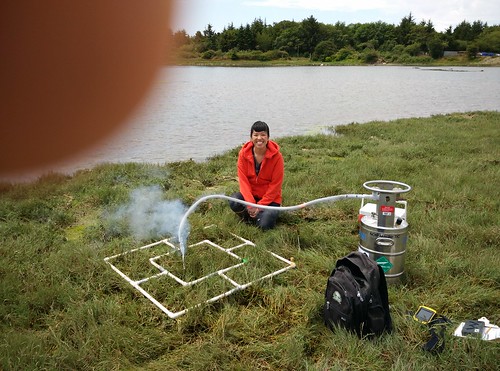
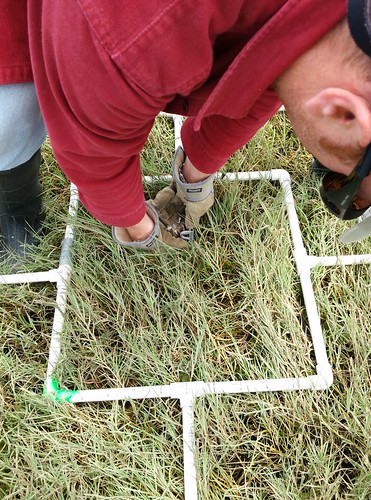
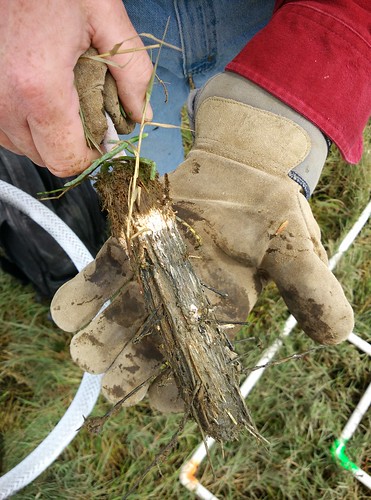
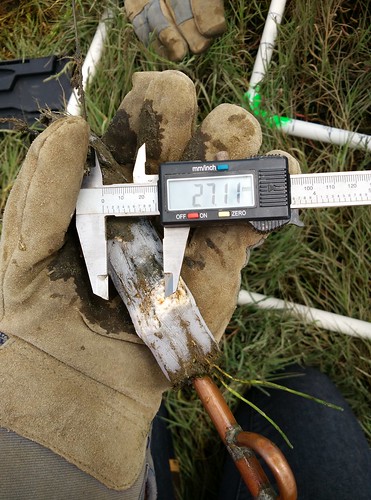
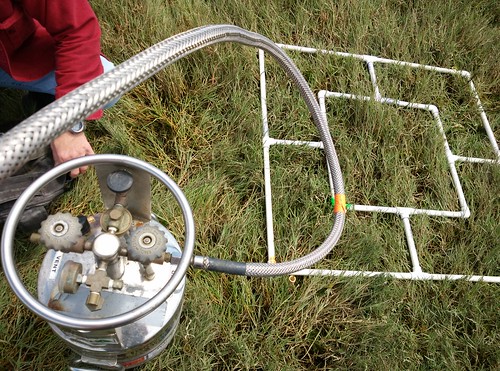
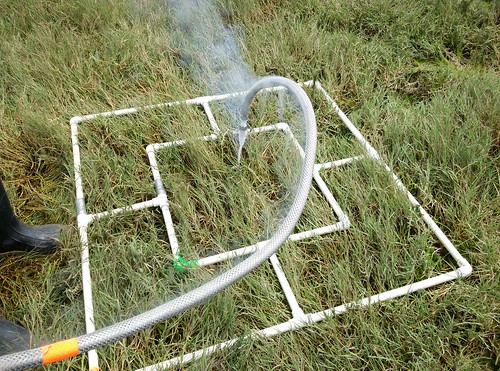
On Monday, some VIP EPA folks came down to the Newport office to poke around to see what our office has been up to (and to escape the heat too, I’m sure). Prior to my involvement/arrival, my mentor had developed a method for testing whether Oregon marshes were “keeping up” with rising tides by looking at marsh accretion. In eight different Oregonian estuaries, marker horizon method sites were implemented. By pouring on feldspar clay onto plots, an initial baseline is set. From then on, any time in the short or long term future a sediment core sample is taken, based on the distance of sediment accretion from the feldspar layer initially laid down, would tell you the amount of accretion happened in that period of time. To showcase the methodology, we drew a sample core from the marsh outside our office to show our visitors. Sediment cores are extracted using liquid nitrogen.
IMG_20150629_121442

IMG_20150629_122015
IMG_20150629_122049

IMG_20150629_122252

IMG_20150629_122307

IMG_20150629_122752

IMG_20150629_122939

By measuring soil accretion, we can quantify how much marshlands (which are critical habitats for wildlife, responsible for nutrient removal, and other ecosystem services) are being affected by sea level rise. Current estimates suggest a 2-3 mm annual rise. Based on our sample core, we exceeded that estimate– which suggests, the sea level rise is happening and affecting marshlands at a faster rate than predicted.

Something this visual is really valuable in showing those who might not have a science background the kind of issues we’re dealing with. I really liked this method of marshland accretion measurement because it is 1) simple 2) easy 3) effective 4) very visual 5) consistent, which I feel are good characteristics every good study and design should have.

I was only involved with the prep for the core sample demo, and instead, was a part of another demo happening in the lab. A study a post-doc working with Cheryl (my mentor) is working on, is the effects of macroalgae mats on cockle behaviors. It was super cool seeing another visual demonstration. We had a tank set up with a layer of sand and a few cockles doing what they do best– burrowing. While we had the cockles chilling and hanging out, we placed macroalgae mats on the surface of the water, and by inducing a psuedo low-tide (by slowly draining the water from the tank), we were able to observe the cockles’ behavior.

When macroalgae mats descend (!!!!) on cockles, the pressure from the weight of the mats induce the cockles to use their foot to essentially, “escape” and try to push themselves out of the sediment and out of the mats. The study they were presenting was super cool and proved that this behavior was due to pressure changes detected by the cockles, instead of chemical cues or any other factor.

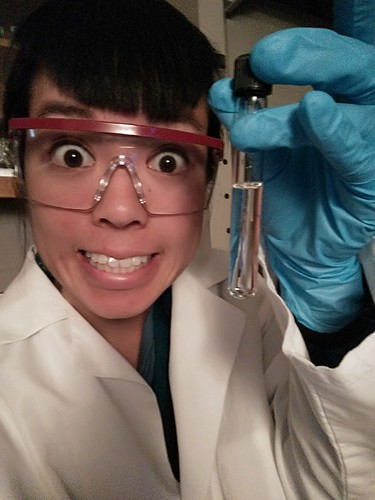
For the rest of the day and the day after, I proceeded to finish my chlorophyll extractions in the fume hood. It’s always disorienting working in a fume hood in subdued/dark settings for a majority of the day and then emerge out of the lab caves and realize it’s still day time. But I love it– lab work is my calling. I hope I’m realizing it’s my calling instead of me going crazy under dark room settings.
IMG_20150630_105001

Note: crazy scientist eyes

We got to go out to the field this week as well ! Siuslaw estuary is officially my favorite system. Working out in estuaries and seeing the gorgeous never-ending forest landscapes of the PNW, has really convinced me to buy a house boat and live on the waters with my dog.
IMG_20150701_140622

The night before fieldwork, the interns and I watched Bourne Identity, and I proceeded to have a uncannily similar nightmare soon after. I dreamt I was a fisherwoman on a boat in the Bering Sea and the boat capsized. The next thing I knew I was being pulled out of the waters and rescued with two of my crew. Looking down at my knuckles, I noticed stitches in the shape of an X. I freaked out and my crewmates told me to check the rest of my body. I lifted up my shirt and my crewmates exclaimed there was a branding on my back (Bourne-esque stuff here) and yelled, “DID THEY TAKE YOUR KIDNEYS?!” I then woke up to reality, in a sweat.

Why am I telling you about my weird nightmare?

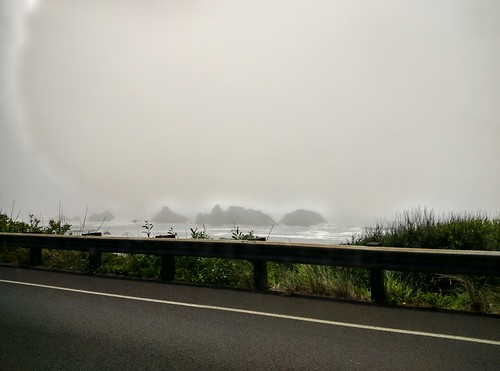
The beginning of the Siuslaw sample sets were in the marine layer and was very similar to an episode of Deadliest Catch. Except, maybe without all the storms….and the crabs…and the general fishing…and the extreme weathers in general. Maybe it’s wrong for me to compare my not-so-fair weather conditions with one of the riskiest occupations on the waters. But anyhow, there was wind and salt water spraying on my face and the boat was rocking and I was loving it. It was definitely one of the most intense fieldwork I’ve had thus far. It calmed down as we went upriver, so I didn’t have to endure for too long.
IMG_20150701_151319_HDR

en route to Siuslaw

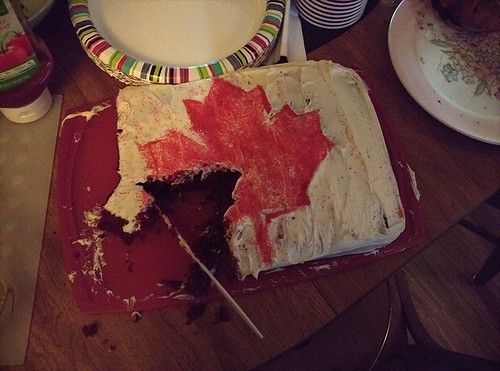
After fieldwork, the post-doc I work with back home (whom I’ve become super close friends with) ended up moving to Canada this past month, and she surprised me with a phone call to catch up! I thought it was such a coincidence since shortly after the phone call, the interns and I attended a Canada Day get together put on by one of the grad students at Hatfield. It was only appropriate for this cake to make an appearance:
IMG_20150701_213813_HHT

I learned a lot about poutine, Canadian hospitality, and the other grad students at Hatfield. Also, the ratio of dogs to people at this Canada celebration was amazingly high. If Canada is as fun as our Canada Day celebration, I wouldn’t mind spending some time there.

On Thursday, the EPA employees got to leave 2 hours early! Yay federal holidays! Yay working for the feds! Yaaaay!

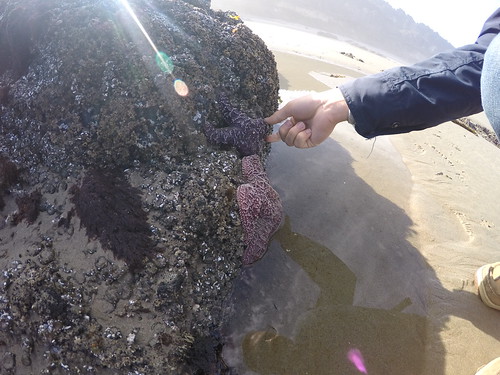
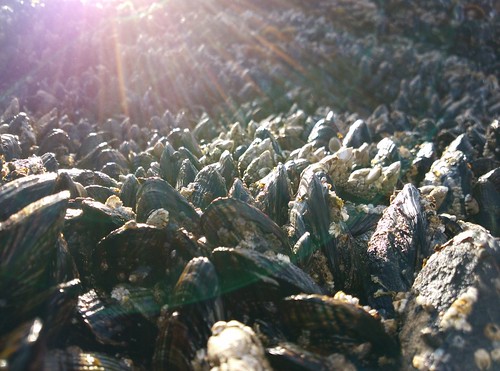
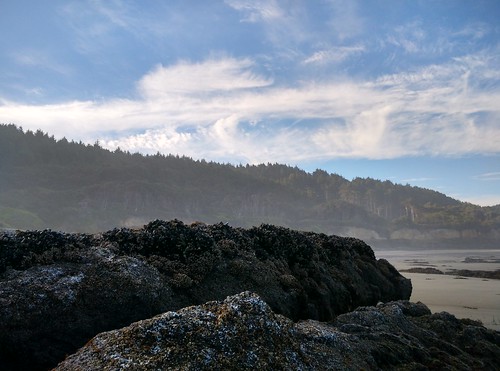
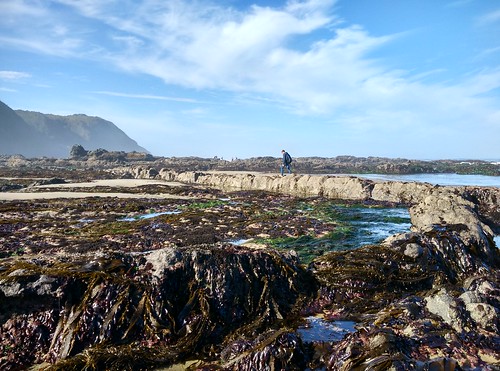
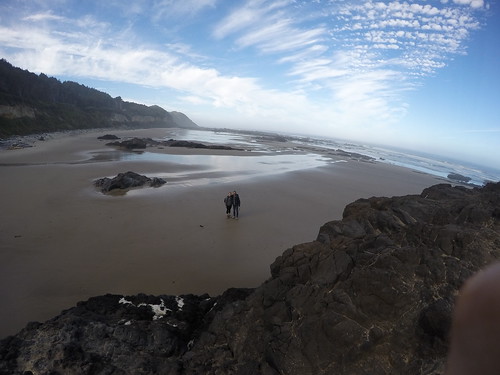
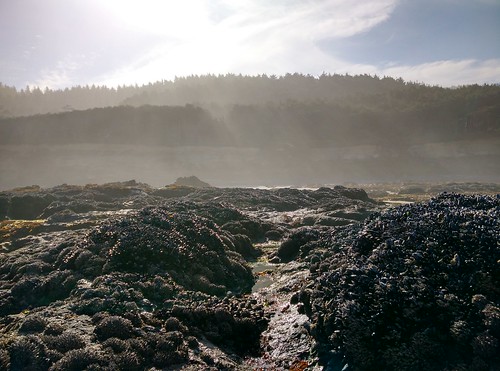
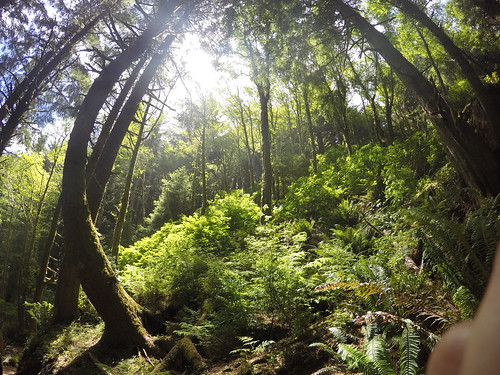
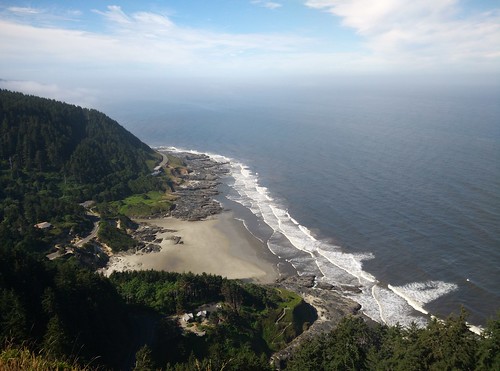
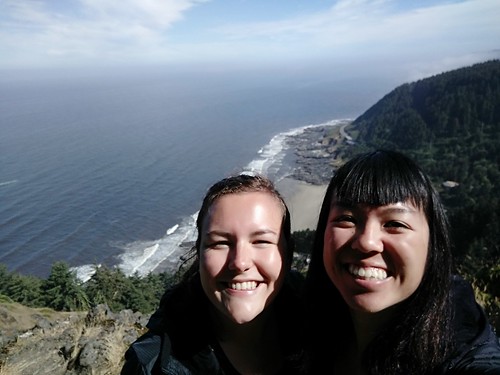
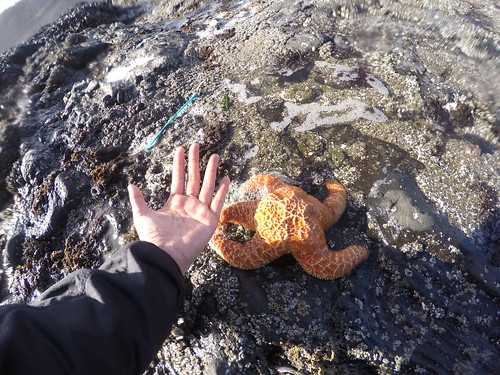
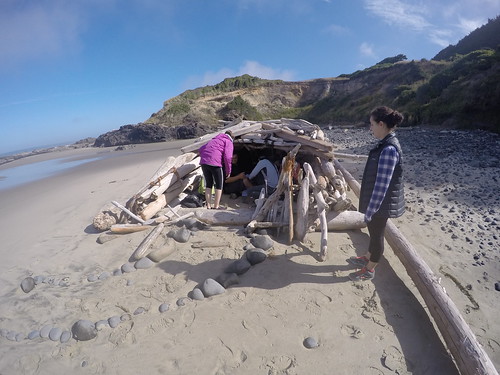
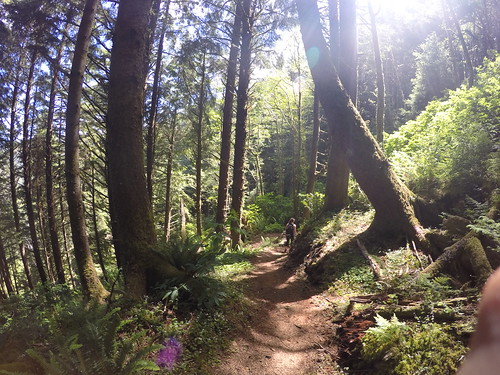
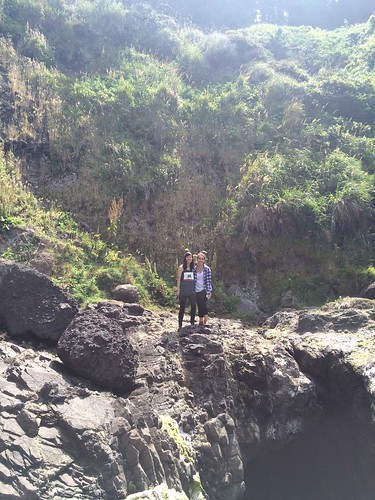
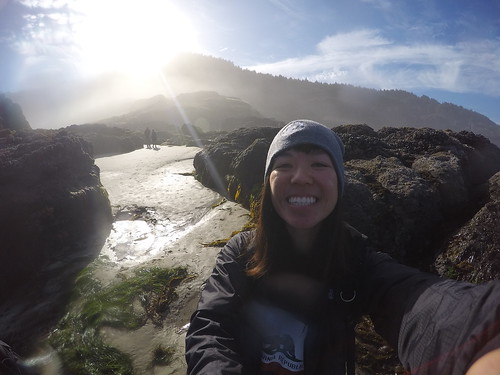
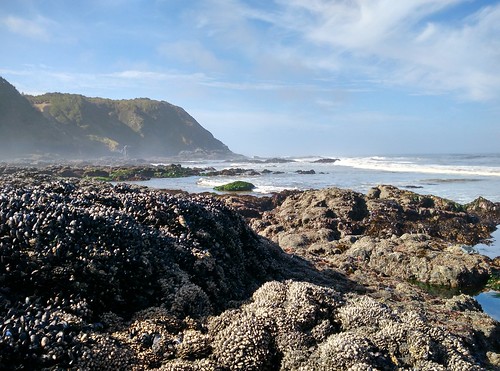
For the Fourth, the interns had the opportunity to go tide pooling (real verb, y’all) and hiking around Cape Perpetua! Listening to country while driving up a mountain, instead of hiking up to see the view was real American of us. But, we were able to hike on several trails at the top, so I got to soak in some good PNW forest-ness.

Here’s me being a dork on the Oregon coast:
GOPR1128

GOPR1122

IMG_20150704_081412

IMG_20150704_080955_HDR

IMG_20150704_083907_HDR

GOPR1115

IMG_20150704_085008_HDR

GOPR1169

IMG_20150704_081020

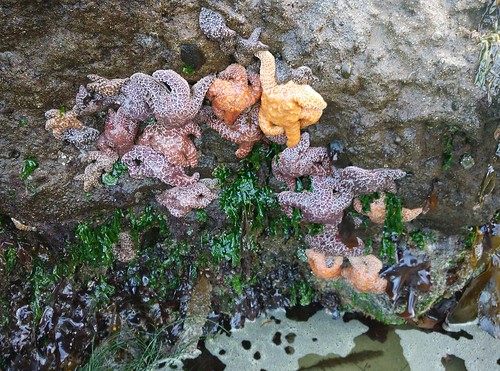
Adding Pisaster ochraceus to my goal list of species
IMG_20150704_085020_HDR (2)

IMG_20150704_095228

IMG_20150704_095257

GOPR1149

GOPR1156

GOPR1157

IMG_20150704_101122_HDR

GOPR1171

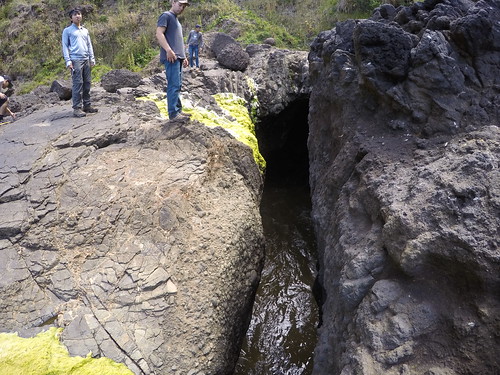
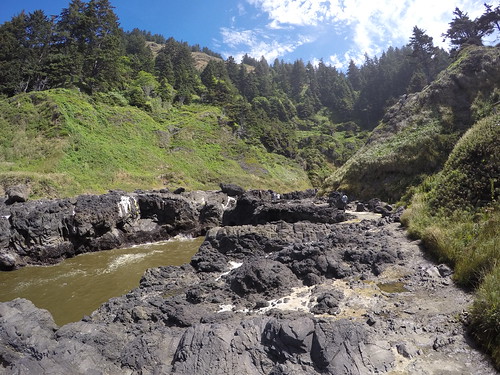
Then we got to visit Devil’s Churn on the way back…
GOPR1190

GOPR1194

SAVE_20150704_153819

IMG_20150704_211329_HDR

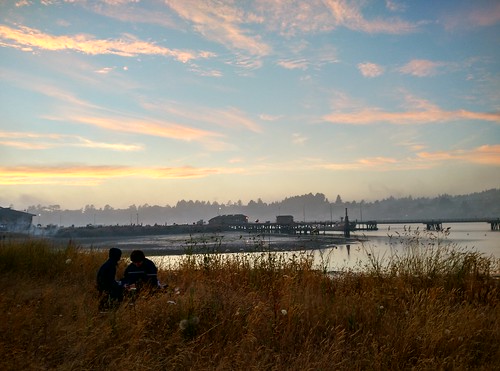
Waiting for the fireworks to start over the bay

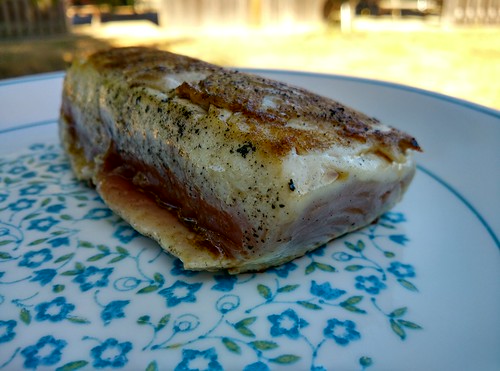
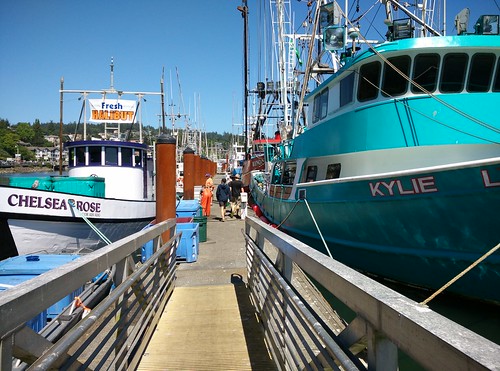
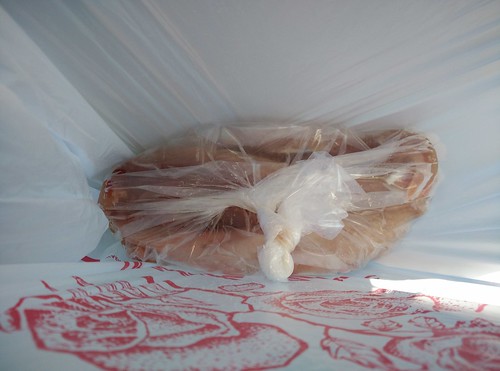
Thanks to the Chelsea Rose (pictured below) and some well-weathered fishermen, we bought the freshest albacore tuna, right off the dock. I try my best to strive to obtain all my food as locally as possible, with the least food miles tacked on– but I’ve never had the opportunity to buy fish, the freshest possible way. We’re definitely spoiled around these parts.
IMG_20150703_152223

IMG_20150703_153754

Before

IMG_20150703_165722_HDR

After

Mmmmm… seared to perfection.

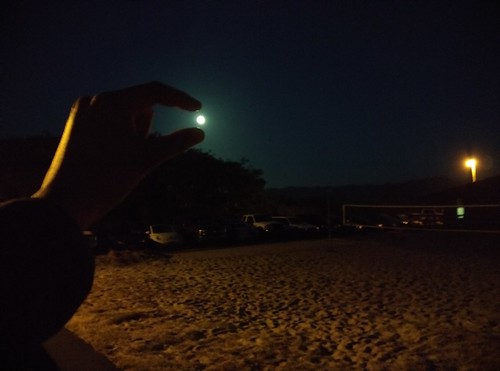
Enjoy a couple more photos of life at HMSC:
IMG_20150701_220334_HHT

IMG_20150702_204554_HDR (2)

Until next time…