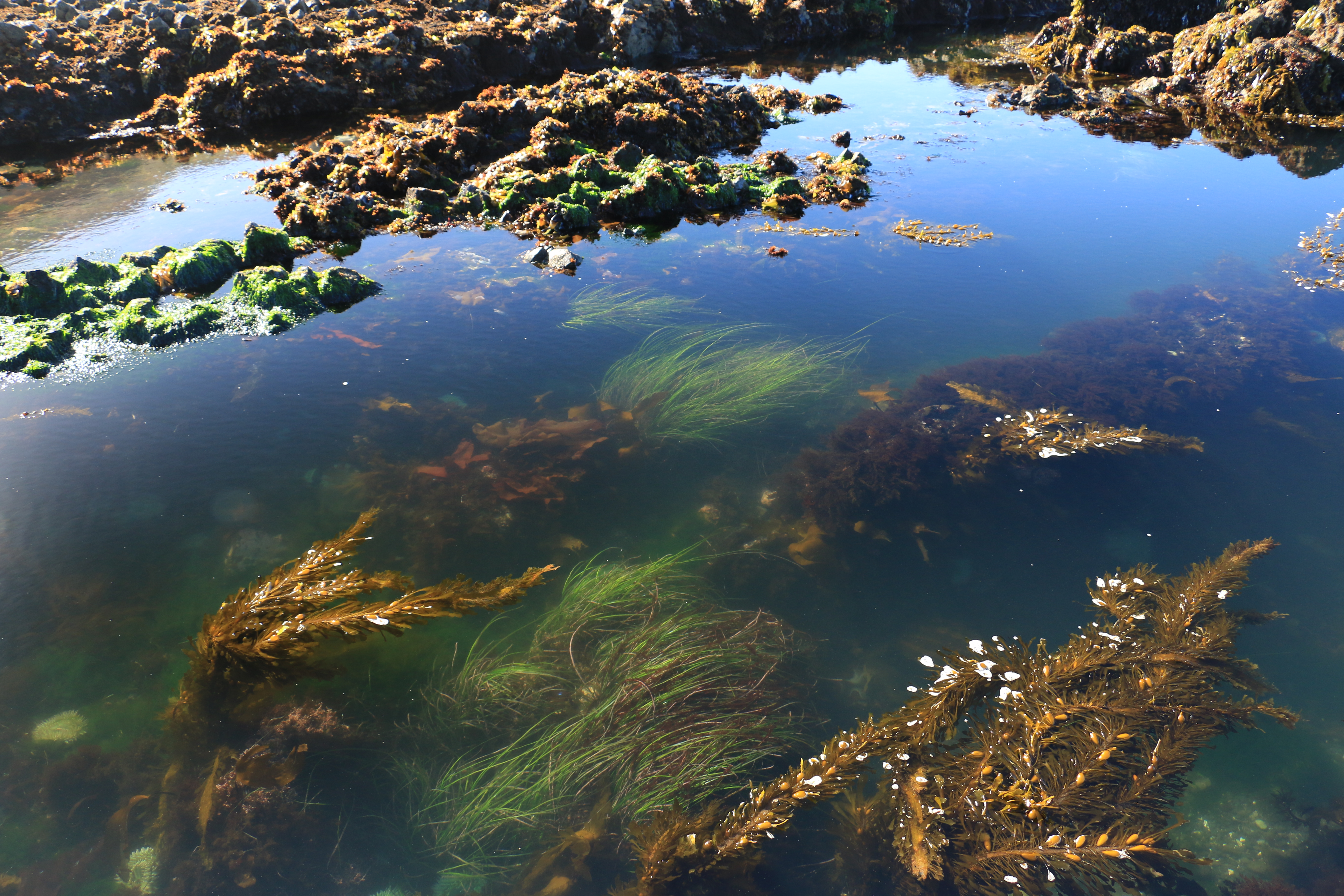
Tide Poolers

Tide pools are the wildflower bloom of the marine world. If you time it right, the colorful array of life is revealed from beneath the ocean cover for a brief, yet exciting period of time. Some of the marine life in tide-pools lives between two worlds, spending half of their time fully submerged under seawater and the other half in the air we breathe. I think tide pools are one of the most intriguing ecosystems that exist on this planet.
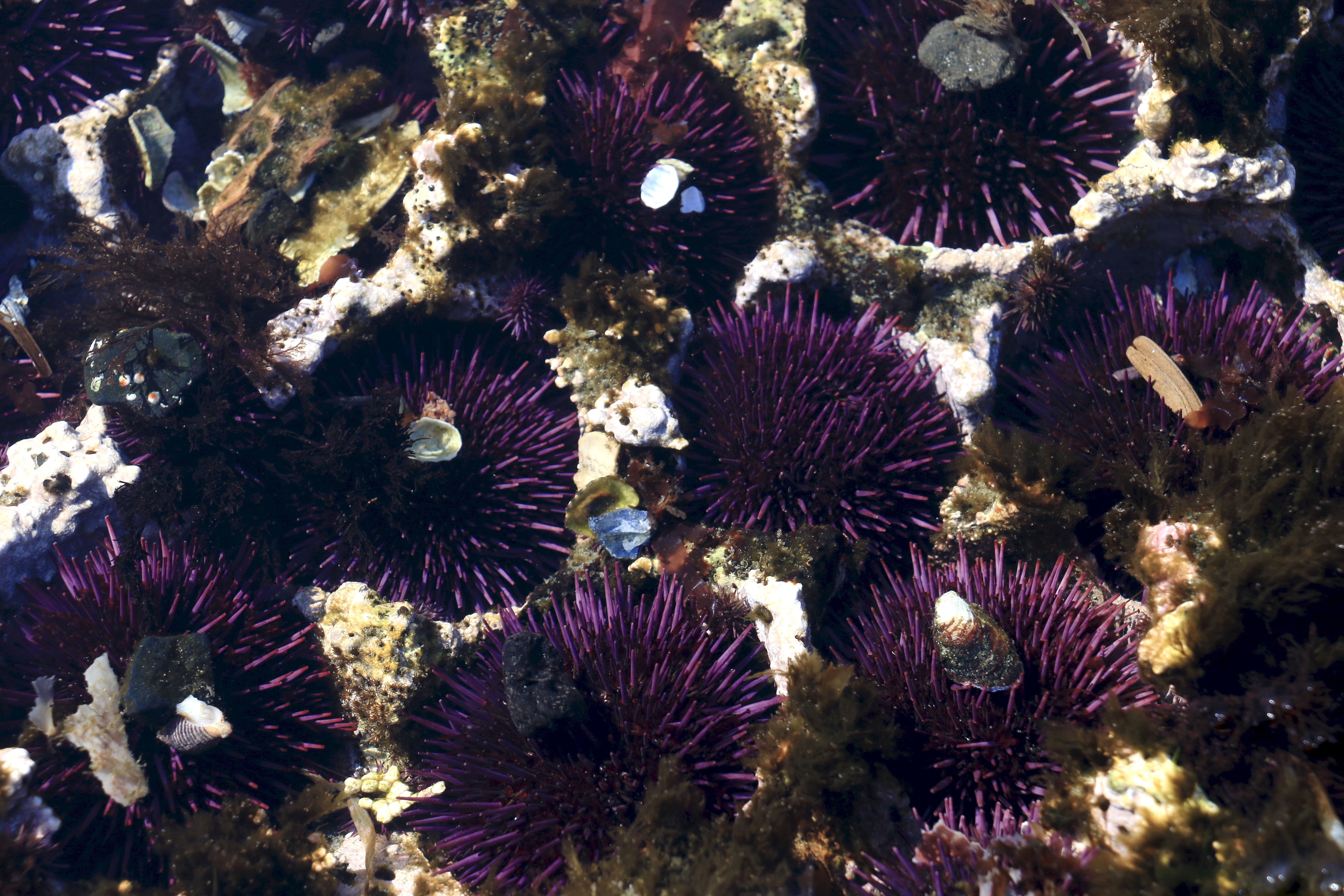
purple urchins in the tide pools at Yaquina Head

Why is it that these creatures, that become exposed when the tide goes out, can flaunt such vibrant colors and shapes? Wouldn’t they all want to camouflage themselves as rocks to avoid getting eaten? The sun-orange sea stars, huckleberry-purple urchins, seafoam-green anemones, and assorted hermit crabs (to name a few) sport their colors loud and proud. For some of these organisms, it is still not known for certain what the purpose of their vivid coloration is, but one thing is known for certain: this attractive marine life display draws eyes from across the globe to the coast of the Pacific Northwest.
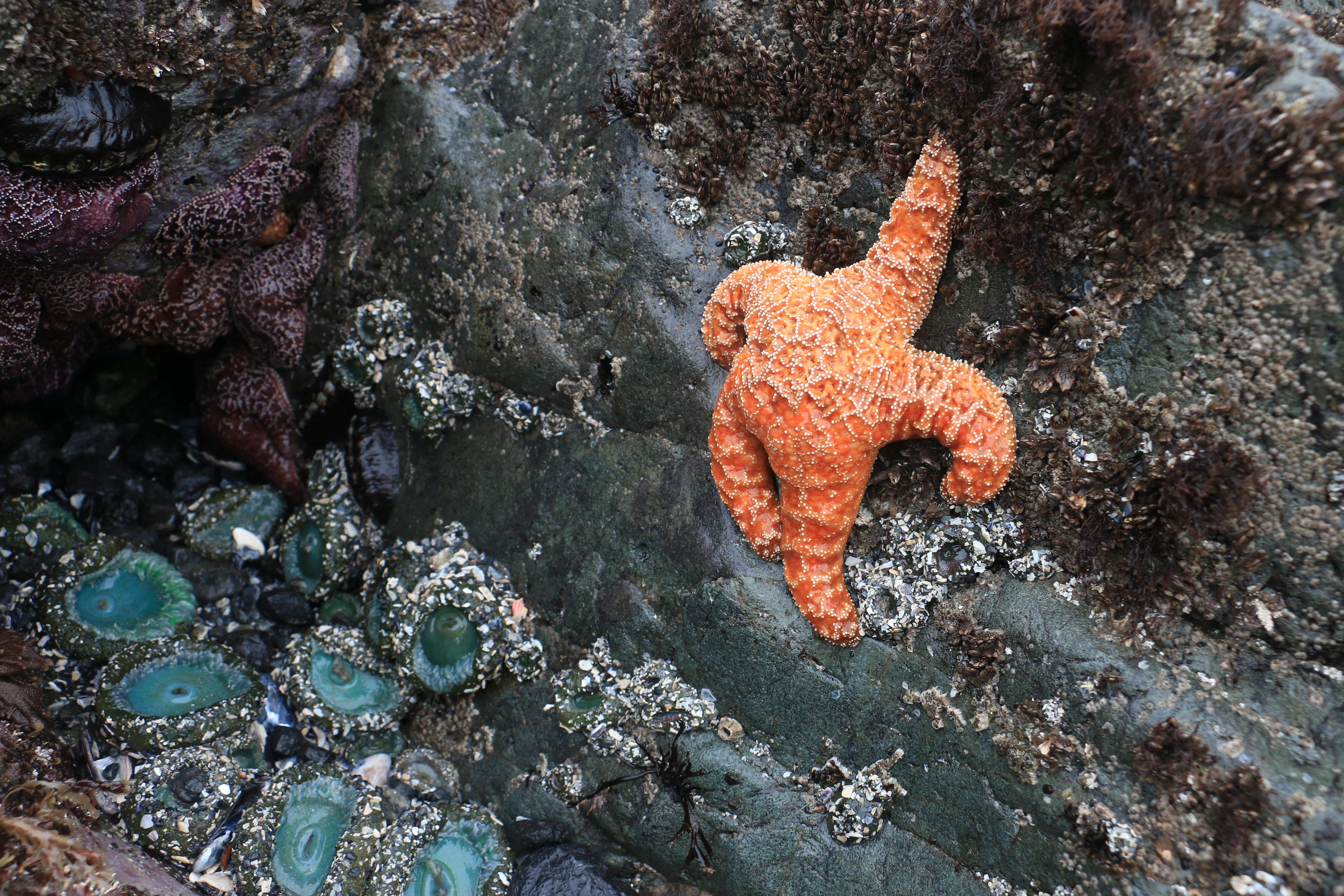
Sea stars and anemones at low tide

This past Saturday, June 25th, we were lucky enough to have a negative-low tide, which (as the name implies) means the lowest tide retreats to a negative number of feet relative to average sea level. For tide-poolers, that means there is a very good chance of seeing the unique marine life that resides at the farthest edge of the low-tide water line. Of course, I am just one of many tide-pool chasers. For many coastal residents and marine enthusiasts alike, tide-pools are an important place. A recent study in 2013 found that exploring tide-pools was among the top three most common activities for Oregon’s marine reserve visitors. While it is encouraging to a conservationist for there to be so much interest in this natural resource, too many visitors can be harmful to such a fragile environment. I’m sure the tide pool residents wouldn’t be pleased to have an army of land-dwelling visitors tromping all over their property.
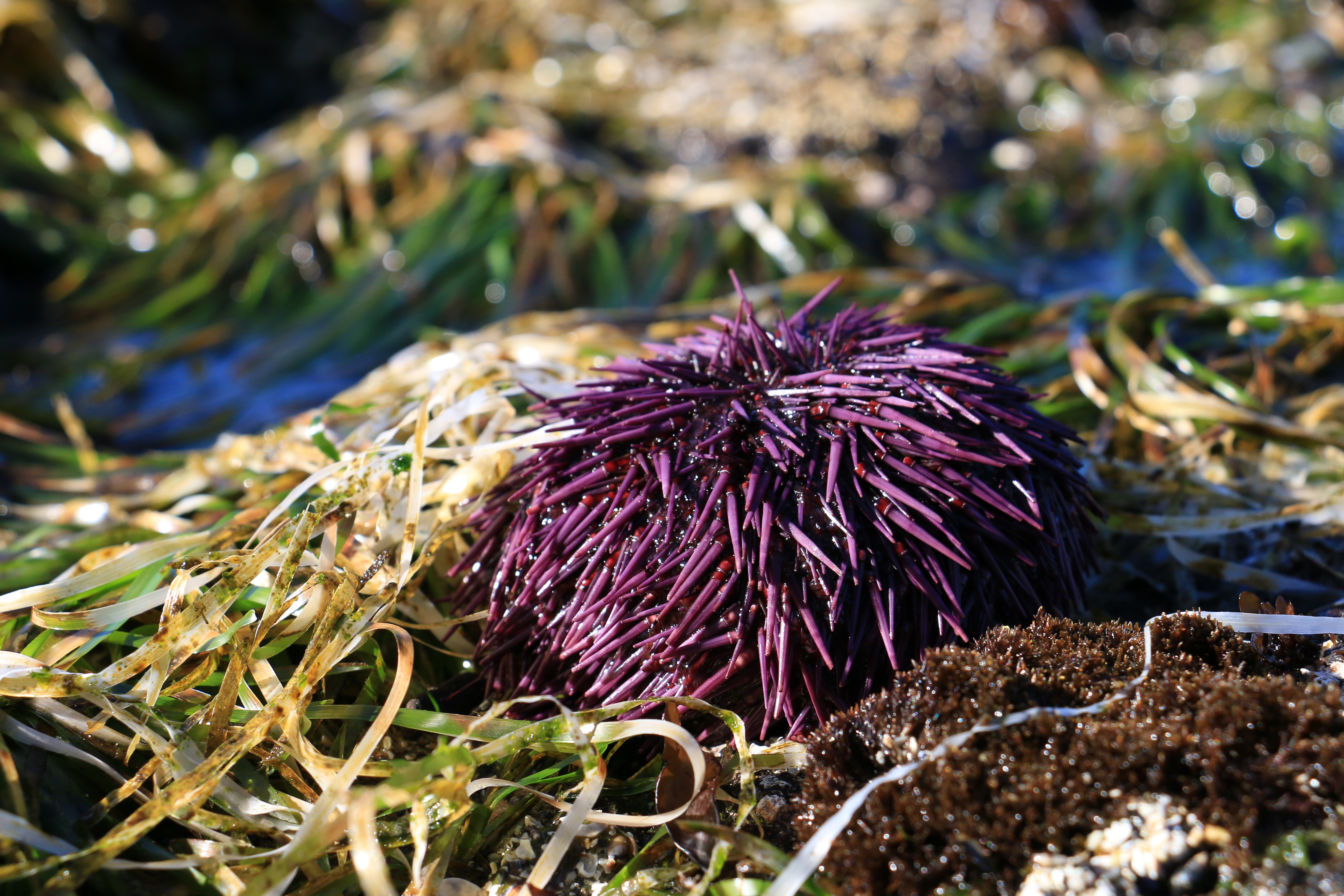
Purple urchin at negative low tide

In the coming weeks, as I finish up some prep work and solidify my work schedule, I look forward to exploring more of the unique places along the coast, but also learning about the people who use them. As part of my work this summer, I hope to find out how informed coastal visitors feel about issues related to marine areas in order to better inform ocean managers about any potential knowledge gaps or concerns from the general public about our oceans. While I haven’t been able to immediately work out in the field, the work I will eventually be doing along the coast is a crucial element to bettering our understanding of marine reserves. Until then, I’ll continue to familiarize myself with new places in Oregon during my free time!
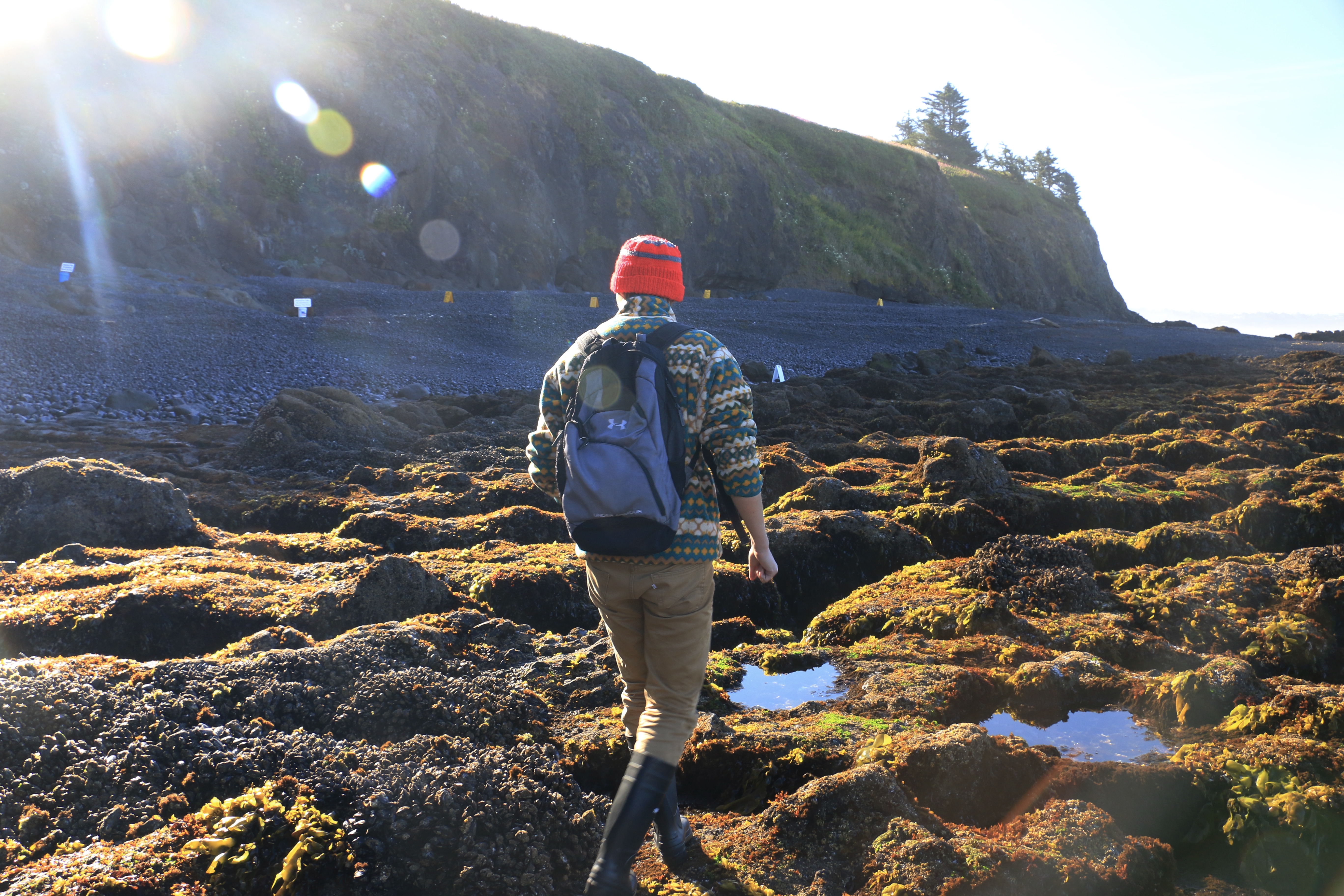
Angus exploring the tide pools

Taking advantage of fellowship benefits

Howdy folks. I’m now about 5 months into my SeaGrant fellowship and lately I’ve been taking advantage of all the perks of being a Fellow. Supported by Oregon SeaGrant and ODFW, I recently attended the 17th Western Groudfish Conference (WGC) in Seattle. My Natural Resources Policy fellowship includes a handy educational budget good for travel to conferences, and the folks organizing the WGC were also hugely supportive of my attendance.

 As I’ve been working with ODFW’s Marine Reserves program and spending a lot of time thinking about groundfish (marine reserves are expected to benefit rockfish, lingcod, flatfish and other “groundfish” and a host of other marine species), I decided to attend the WGC. I was particularly interested in learning about how other groups were approaching the monitoring of fish relative to their research or management questions and accompanying complications. At ODFW, we’ve been wrestling with how to approach monitoring of Oregon’s marine reserves in the near-term and long-term and recently held a workshop in Corvallis to solicit expert advise. The workshop featured over 30 scientists from west coast universities, non-profits, and agencies, and provided ODFW with valuable suggestions on future monitoring. A summary of the workshop can be found at www.oregonocean.info

I helped to plan and design materials for this meeting and found it to integrate nicely with WGC. I was able to build on workshop introductions at the WGC and connected with a wide variety of people interested in west coast fish. Having spent the better parts of the last two years thinking about marine invertebrates (oysters!), the WGC was a great crash course in west coast fish management and research issues. Some of my favorite talks included ones on the use of a jetski (with a giant aircraft-style propellor on the back) to map areas of the coastal ocean inaccessible to boats (R. Kvitek); seasonal habitat use by copper rockfish in coastal BC (J. Marliave); constraints on sandlance burrowing (J. Bizarro); innovative reduction in halibut bycatch (M. Lomeli); and a nostalgia-inducing talk on correlating haddock sound production and reproductive maturity  (I once worked as a deckhand on New England fishing boats; F. Juanes;). My friend Tom included a good presentation on his project studying home ranges and movement behaviors of fishes of Redfish Rocks Marine Reserve (http://www.fishtracker.org) and another talk has ODFW Marine Reserves wondering if some sandy areas punctuated with large scour depressions might be valuable juvenile fish habitat (Oregon marine reserves have lots of sandy bottom).

The WGC was relevant to what I’ve been working on and was hugely informative. Plus, it was fun–I ran along Puget Sound with a view of the Olympics every day and met dozens of interesting people. I’m looking forward to pursuing other educational opportunities before my time here is up, and in the meantime, ODFW is keeping me busy. Between analyzing video data, providing GIS services, an ongoing community profile, and pending field work, I’ve got plenty to do and its great to be working in the field I just finished studying 5 short months ago.

Howdy!

I’m Chris Eardley, a Natural Resources Policy Fellow for Oregon SeaGrant. I’ve been paired up with Oregon Department of Fish and Wildlife’s Marine Reserves program, and I’m excited to be gaining agency experience in management of marine resources. I’ll be putting the inter-disciplinary training I received from OSU’s Marine Resource Management to work on both the biological and social sides of management. On the social side, I’ll be developing a socio-cultural profile of a local fishing community that will seek to inform future ocean management discussions (not just marine reserves).

With the biological side, I’ll be contributing to the development of pre-reserves baselines by analyzing footage gathered using a variety of underwater video survey techniques. This includes supporting field deployment of video equipment such as ROVS and video sleds, reviewing video footage, and helping to develop protocols. I’ll focus largely on invertebrates and I’ll also be supporting GIS work. Hopefully, I’ll even get one of those cool ODFW winter hats.

In a nutshell, I’m going to be busy and I’m learning a ton–including what sideways rain looks like and how many types of precipitation are possible in the span of an hour on the Oregon coast.

Should make for an interesting winter!

Cheers,

Chris