Smooth Sailing

Happy Wednesday!

At this point, the Shop at the Dock crew (we even have matching jackets) has gotten the routine down pretty well. We set up camp, explain the program to passersby, ogle at the cute dogs on the dock, runs tours, and pack up. Every time, the event passes by more quickly than I expect!

shopatthedock

This vessel catches hagfish, which is an eel-like fish that produces sticky slime to defend itself from predators.

Last week’s wind left many fishermen unable to fish, due to unsafe waters. As a result, fewer vessels were able participate in Shop at the Dock and sell over the weekend. We still had a couple of vessels selling though, but hopefully next week will bring smoother sailing.

I went out on one of the tours with my mentor and while I’ve gone with her on several dock walks with her before, I feel like I learn something new every time. The tours are generally broken up into two distinct parts, beginning with information about commercial fisheries. Often times, tour guides will walk the group to different vessels and explain what it’s rigged to catch. It’s then followed by a section on how to actually purchase the fish- how to look for a vessel that sells off their boat, what questions to ask, what to look for in a good, fresh fish. And if we’re lucky, one of the fishermen will come out and answer questions, which brings out a more personal side of the industry. During this specific tour, I learned that one of the vessels was used to transport criminals to Alcatraz, including Al Capone.

oceanladym

Vessels, like Ocean Lady ‘M’, will often post signs or banners to let people know they are selling seafood.

The Comment of the Week comes from a survey questions asking if there was anything else participants would hope to learn more about. One respondent answered “fleet perceptions of direction of their industry”. I think this comment was particularly striking to me because it examines the livelihood of the whole industry and touches on a more personal side of the future of fishermen. There seems to be a real interest and concern for the fishermen. In fact, many participants have expressed the desire to know more about the fishermen themselves and the history of their boats, which is really great.

There are three Shop at the Dock events left for the summer and I’m excited to see what else lies ahead. Thanks for reading!

Have a Goal in Sight? Throw Yourself at it.

I don’t want to resort to the old cliché, “the mountains are calling and I must go,” but I answered that call this weekend. It’s been a while since I’ve spent much time rolling ankles over stubborn roots and scrambling over precarious rocks. Despite the fact that I couldn’t find a hiking buddy, I still found it easy to justify a weekend among the peaks where John Muir felt most at home.

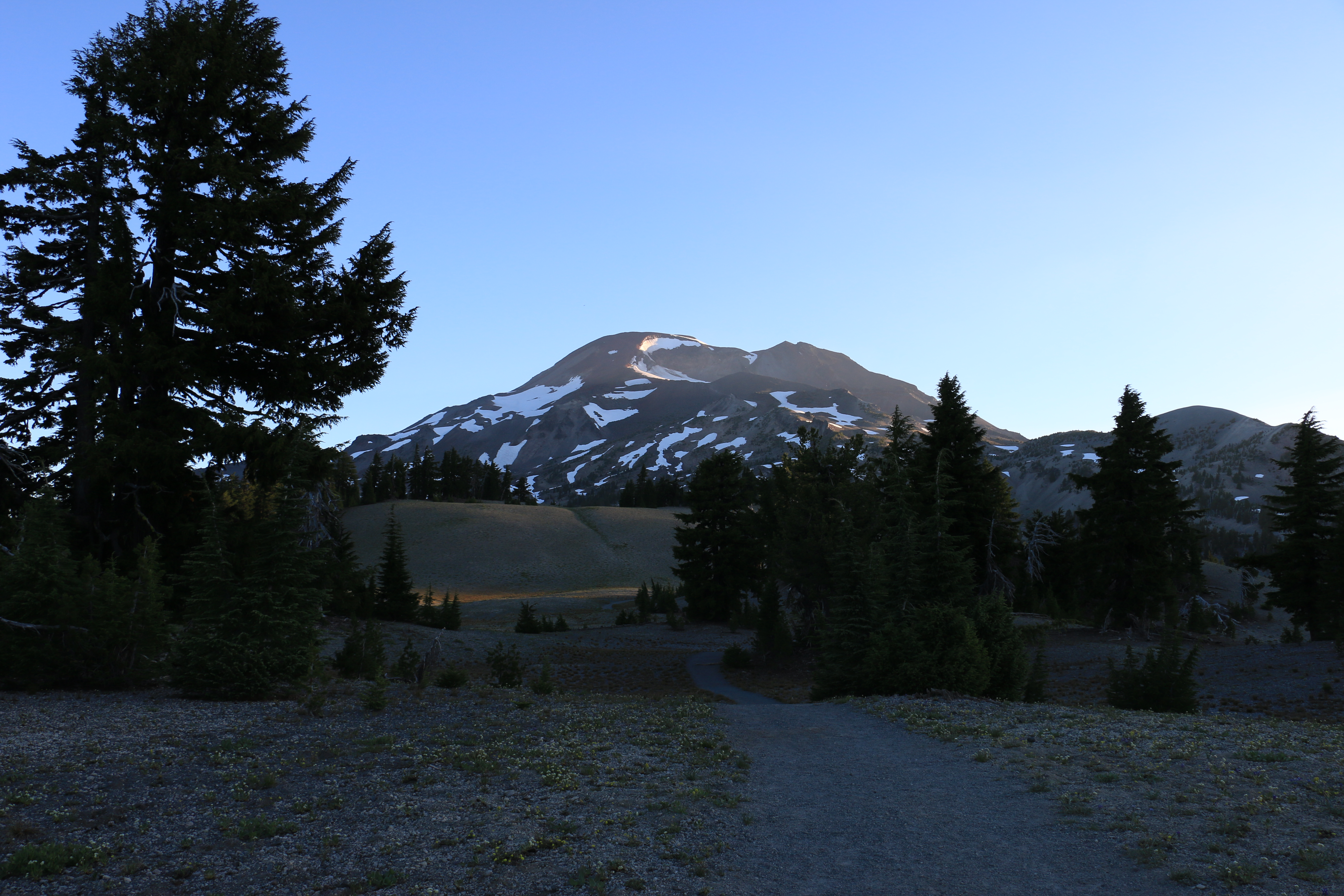
Hitting the trail early with a goal in view.

Back in the East, I tackled mountains every weekend I could. I come from the foothills of the Adirondack Mountains, where a two-hour drive to the highest peaks in New York State coupled with a breakfast of gas station coffee and a banana is a regular Saturday routine. I wouldn’t go so far as to say that I live for the 4am mornings, finding my way on the trail under headlamp, but I’ve become so accustomed to that groggy early-morning feeling that it’s almost nostalgic.

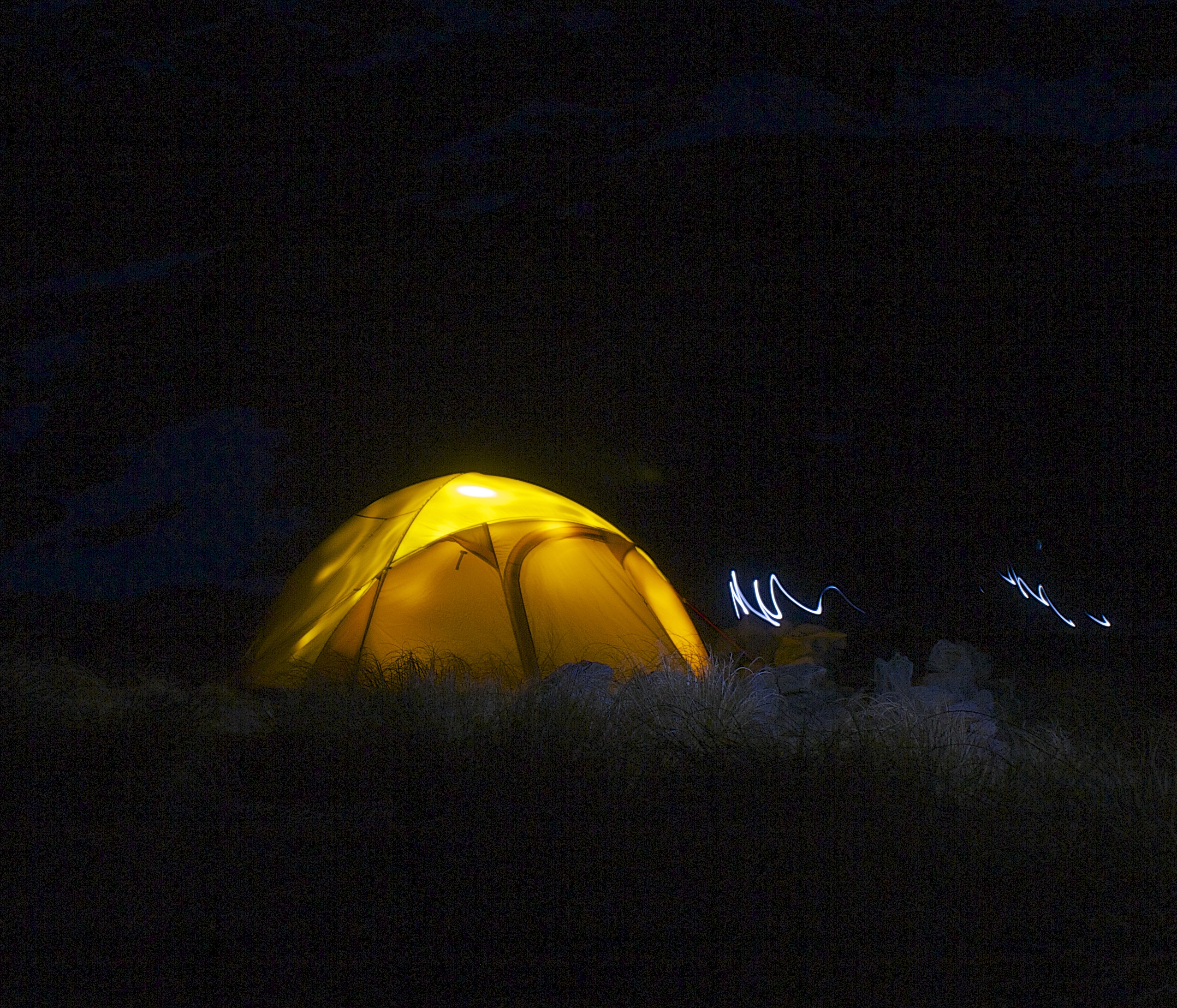
Early morning wake up with headlamp.

Once I did some research on the Cascades of Oregon and heard you could summit Oregon’s third highest peak in a day, I was up for the challenge. My tent was already in my car so I smeared some peanut butter and jelly on bread, called it a dinner and hit the road. That night, I tossed and turned on my inflatable sleeping pad, anxiously going over the hike in my mind as if it were a documentary film.

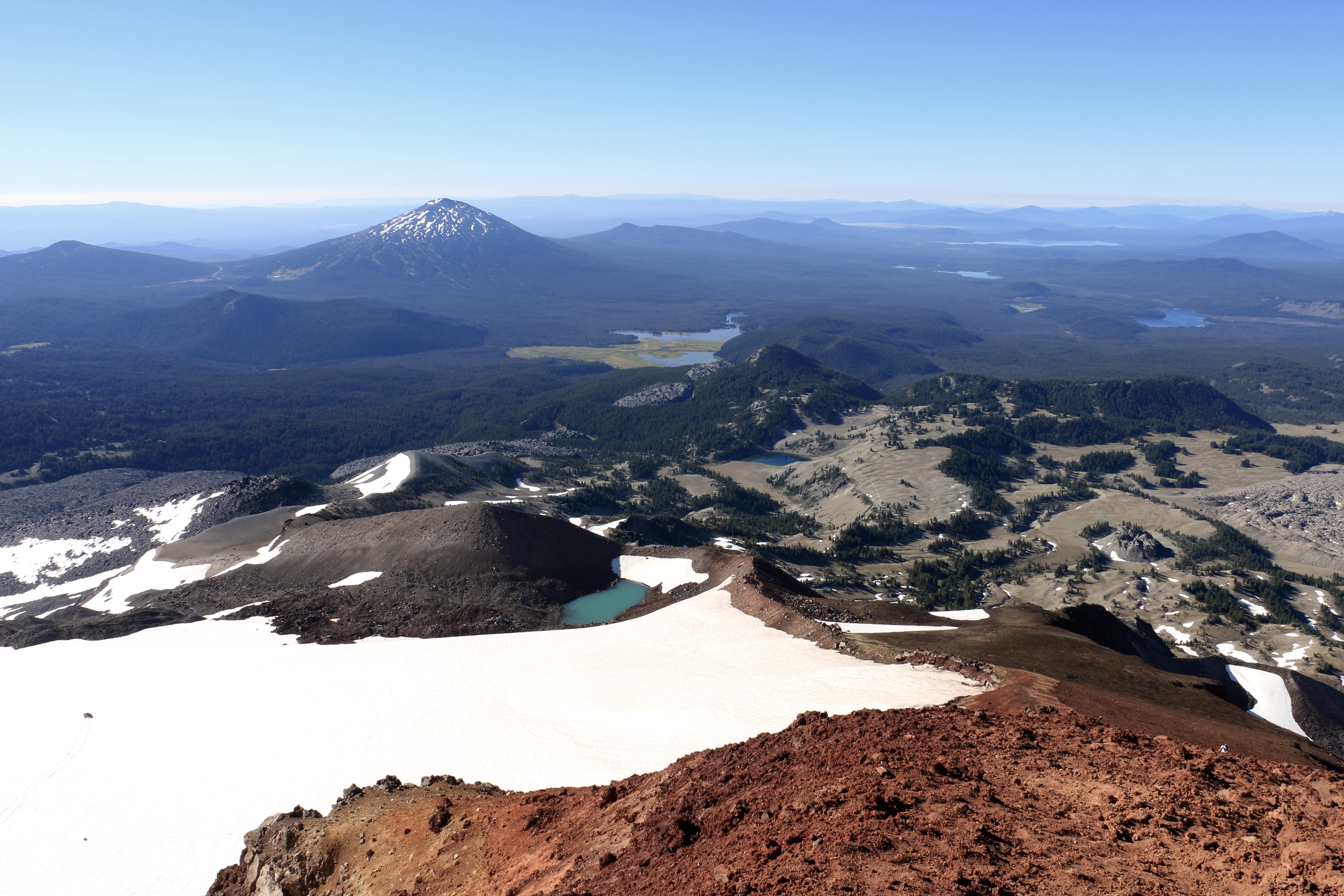
Looking down of Teardrop pool, Oregon’s highest lake, from the loose rock trail.

Now is probably a good time to acknowledge the fact that this is my first time ascending to 10,000 plus feet of elevation on-foot, not to mention that I drove from sea-level. I’ve hiked a similar prominence before, but never to an altitude this high. My body wasn’t exactly thanking me for the elevation change as my lungs panted for air and my head pounded with an unforeseen headache.

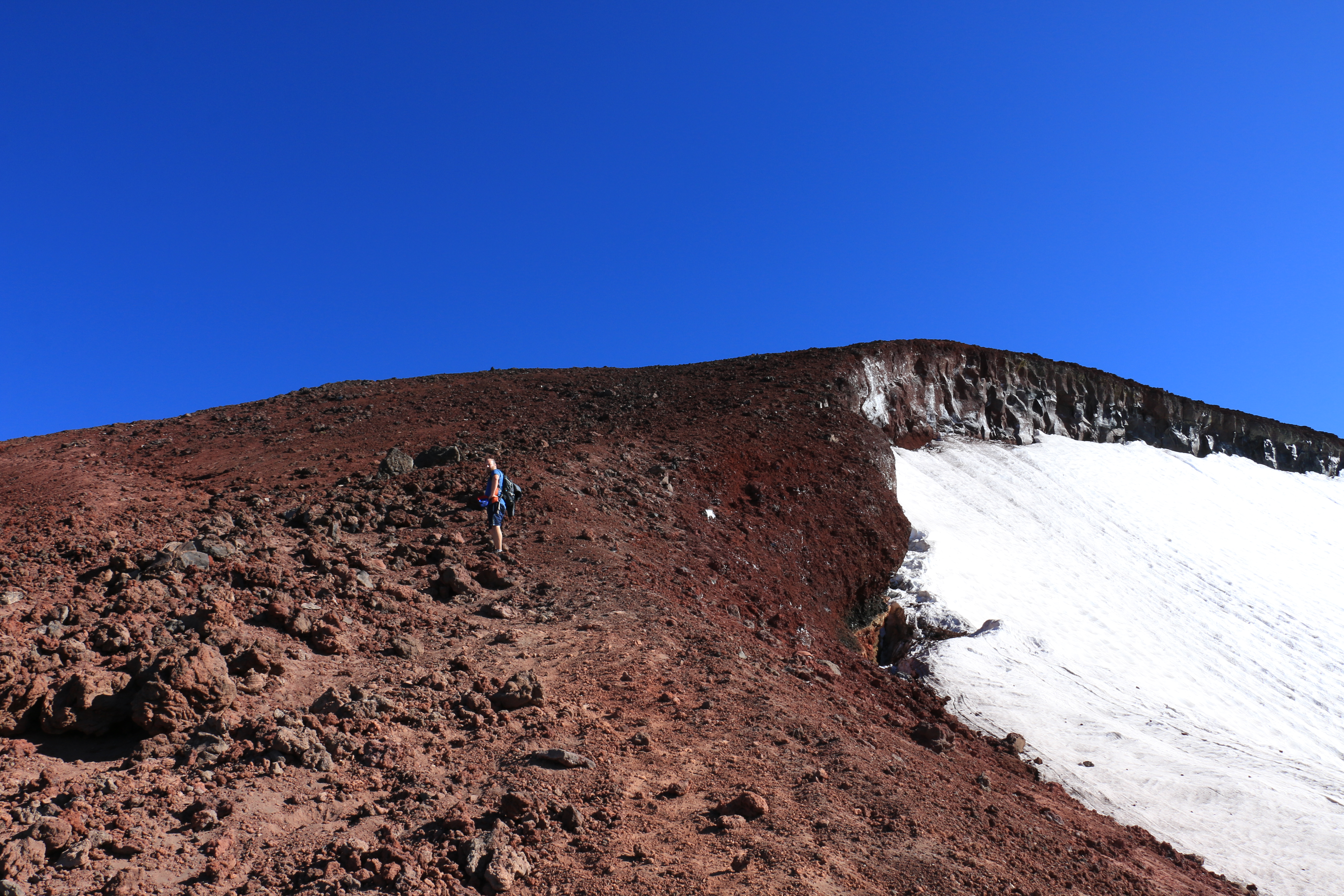
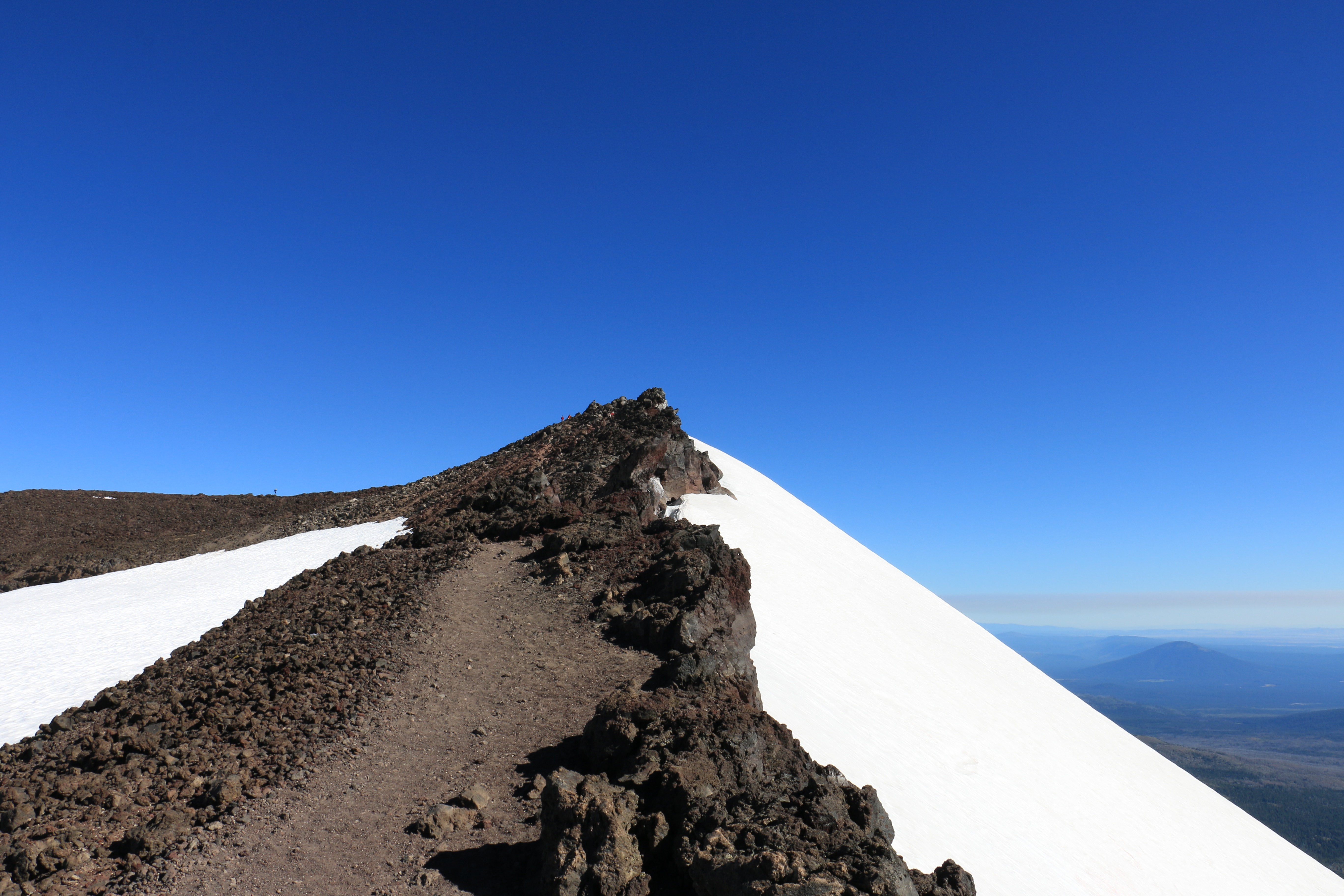
Farther than it looks, the summit looms over this steep scramble.

Like most hikes, I had reached that low feeling on the climb where I questioned if I could persist to the summit. The strangest part for me was that I could see where I was headed throughout the entire hike, but never really had a sense of how long it would take me to get there. I’m so acquainted with hiking through dense forest until the trail spits you out above the tree line just a few hundred yards from the summit. This was different.

The final steps to the summit of South Sister.

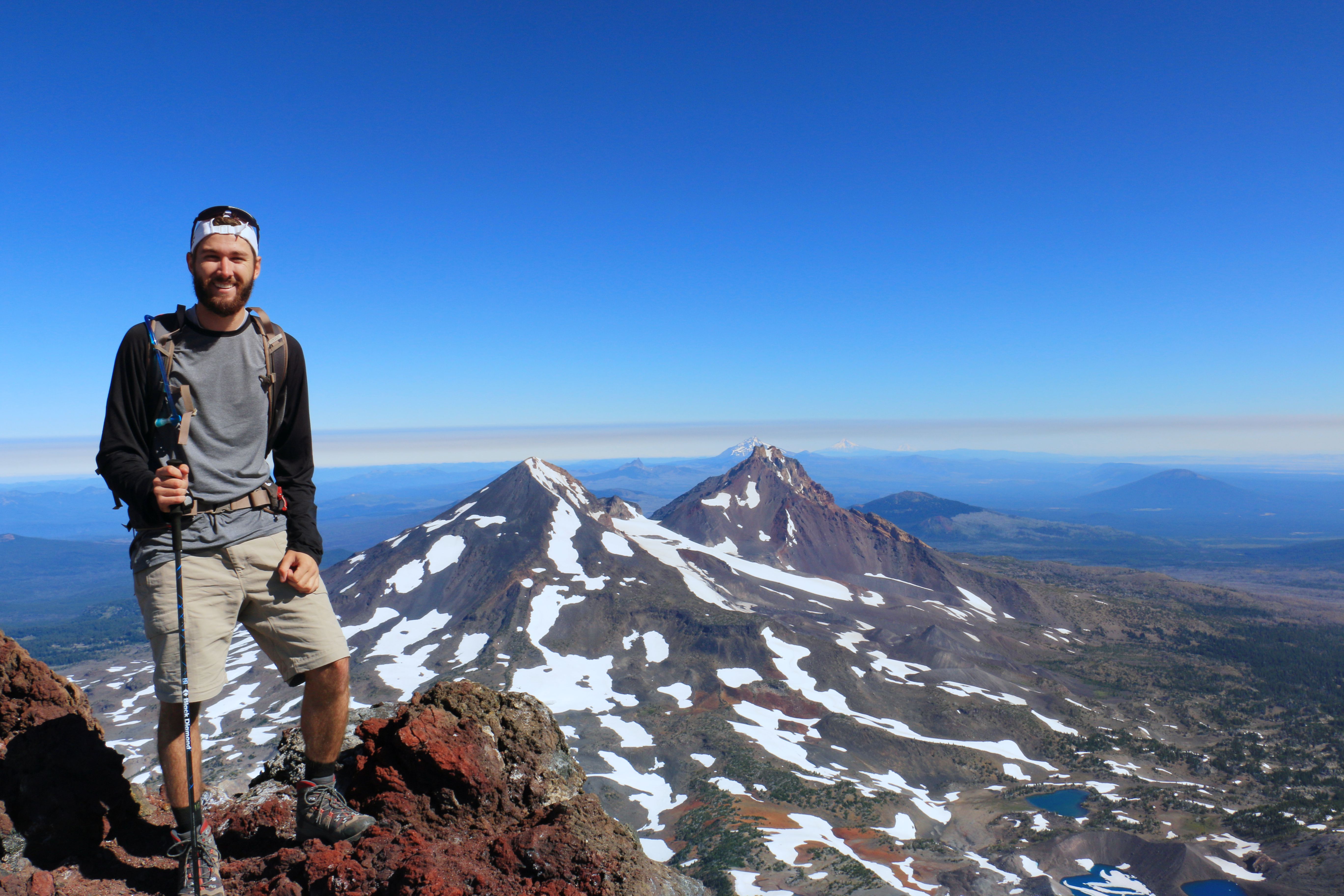
Perception is a funny thing. On a mountain, it can take your senses for a wild ride. Unsure of when the steep, scree-scrambling climb would end, I focused my eyes on my feet, switched to autopilot and let faith take me the rest of the undetermined distance to the summit. Then, as quickly as the questionable feelings set in, I was confident and pulsing with adrenaline as I lifted my eyes. The summit view was indescribable and clear enough to see as far as Mount Rainier. My head was clear too and I questioned why I even questioned myself in the first place.

Mission accomplished!

In that moment, the summit is the quite literally the peak of the experience. But in the end, it’s about the journey and the people you meet. I was fortunate enough to make friends with a couple from Australia who became my hiking buddies as we followed the loose-cinder trail back down the south side of the volcanic peak. There’s something to be said about a cooperative crew of people on the same path with the same goal in mind.

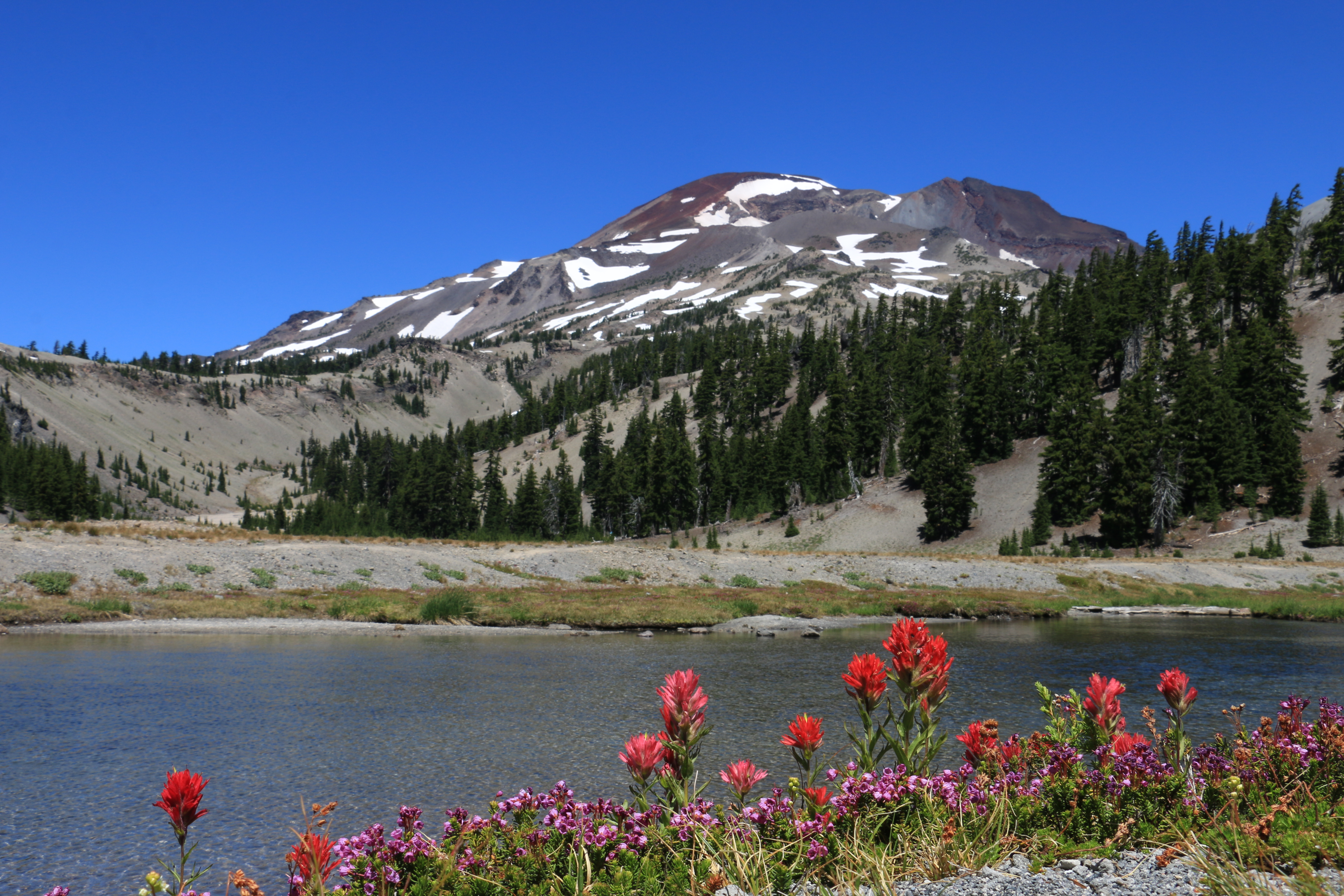
Stopped for a swim at Moraine Lake after descending.

Week 7 – Dead in the Water: When Catch and Release Isn’t Enough

Every so often at the ODFW office, we get email updates from the different fisheries sectors in the state. Most of the time these are just the standard sport fishing estimates or public workshop announcements, but sometimes I’ll see a subject line that warrants a closer read. Something like “Fishing for groundfish closes beyond 20 fathoms to protect yelloweye rockfish” usually does the trick.

Yelloweye rockfish are a bottom-dwelling species that has been under a harvest moratorium since 2002 due to overfishing. Oregon’s population is well on its way to recovering, but this doesn’t mean that they’re completely out of the line of fire.

The recent depth closure notice is in response to a two-part problem. The first is increased bycatch as boats target other species that inhabit the same areas. As yelloweyes are a deepwater fish, moving the groundfish fishery to within 20 fathoms (120 feet) should reduce these incidental encounters. The second is a drop in the use of descenders – devices that lower the bloated fish that are caught accidentally back down to depths where the effects of barotrauma are reversed.

If you’ve ever done any deep water diving, chances are you’re familiar with this concept as “the bends.” In humans, this painful phenomenon occurs as gases dissolved in the body expand rapidly when resurfacing too quickly. Many species of fish can get a form of the bends too – yelloweyes included.

The aftermath of barotrauma isn’t exactly a pleasant scene, and certainly not a pleasant experience for the fish itself. A gas-filled sac called the swim bladder (used to control buoyancy) swells in size as the fish ascends the water column, turning the stomach inside-out and forcing it out the mouth. Simultaneously, its eyes bulge and pop out the side of its head. It’s a seemingly cartoonish sight save for the fact that this is a very real predicament for the fish. Released as is, the swim bladder will remain inflated and the fish will flounder and eventually die at the surface.

Yelloweye rockfish displaying classic signs of barotrauma. For more info on barotrauma and descenders, visit the ODFW’s Marine Resources site. Photo courtesy of ODFW.

It may seem tempting to just toss back in the water what looks to be, for all intents and purposes, a lifeless fish. But research has shown excellent survival and recovery from barotrauma in rockfish, emphasizing the underutilized potential of descenders. Frustratingly enough, these devices aren’t difficult to use at all; the typical descender consists of a clip to attach to the fish’s jaw and a weight to take it down. The ODFW is and has been actively distributing thousands of these for free to the public, but limited participation has forced the ODFW to take action.

The restriction was officially put in place on July 15. And of course, as with any potentially controversial action, there is almost assuredly controversy that follows. I took the time to conduct some informal reconnaissance on an online fishing forum, where I found quite a few varied opinions.

From supportive.

To skeptical.

With some understanding folks mixed in.

And a couple of real gems just for good measure.

The fishermen both in these online communities and all throughout Oregon have a right to be mad – but not at the ODFW. The projected increase in mortality from declining usage of descenders is what prompted this closure; had usage remained the same, yelloweye mortality would have been sufficiently low to keep the fishery open past 20 fathoms. And to be fair, I saw a good amount of support for the ODFW and read of people who would willingly volunteer their time to help give away these devices.

It’s times like this that I sit back and reflect on what I wrote back in my first post on the tragedy of the commons. The commons in reality can only exist if everyone buys into the notion of a shared resource. As a recovering stock, each and every individual yelloweye is important, making every person instrumental in maintaining the yelloweye commons. Unfortunately, the select few who overlooked this and the descenders, whether it be unintentionally or otherwise, contributed to the shutdown of the groundfish fishery for all.

I write this not to point fingers, but as an example that fishermen should be more than just people who take from the ocean – they must be the active stewards of it. The ODFW doesn’t work to prevent fishermen from catching fish, it works to protect them from themselves. The painful reality now that many don’t see is a tenuous relationship between humans and fish, one where 80% of commercially fished species are already overexploited, yet still viewed as “fishable” because the populations are somehow miraculously, albeit barely, maintaining themselves.

The mentality must change. In a perfect world, there is no ODFW, the fishermen police themselves and the resource, and at the end of the day, everyone goes home with fish in the cooler. In an imperfect world, situations like the yelloweye depth limit serve as resentful but necessary reminders of the responsibility that we all bear in looking after our natural resources.

I’ll end with a quote that I saw attached underneath one of the forum member’s comments, one who was adamantly supportive of ODFW’s mission.

A society grows great when old men plant trees whose shade they know they shall never sit in.

Ensuring the fisheries of the future exist starts not by adding increasingly stringent restrictions, but by teaching the community to start taking care of them now, even if there is no immediate reward. As with the yelloweye rockfish, it could be years before we see much progress, and perhaps a great many more before we see full recovery. But even if it’s just using a descender to send back that one lone yelloweye you caught today, the ocean will thank you. Otherwise, our hopes for a sustainable future are as long gone as a blown-up rockfish bobbing away on the waves.

Barriers to Problem-Solving

This week I was able to complete the first draft of my second project – an executive summary of the Rural Tourism Studio. I talked more in detail about the program in my post last week, but it is basically a workshop series that is provided by Travel Oregon to help promote tourism in rural Oregonian communities. The Wild Rivers Coast (a region from Bandon to Brookings) had their own workshop series and quite a few products have come about since the workshops. I summarized the program and its results as a sort of reassessment to help to move the project forward and continue developing tourism.
There were quite a few documents to sift through, but throughout my research and reading many meeting minutes, I noticed a few common themes that came up, that are also reminiscent of some of my experiences in on-campus organizations at Drury University. One that struck-home was how important it is to make note of everyone’s contributions in meetings, and how necessary it is to take time to reflect on the ideas that arise. I noticed a few times that ideas and questions had been repeated, like “What indicators can we use to make sure that our efforts are increasing tourism?”

At my college I serve as the head of sustainability for the Student Government Association, and I’ve been a member of the organization since my freshmen year, so I also hear concerns that are continuously repeated, like “Why is the Wi-Fi so slow?” or “Can we get a Starbucks on campus?” Going through the meeting minutes, I couldn’t help but think that perhaps there’s a similarity between our two organizations, and underlying common factors that inhibit the necessary action to address difficult problems. A few thoughts based on my own experiences that could shed some light:
First, I think that as students at a university, we can often feel helpless when it comes to big issues like fixing the Wi-Fi or trying to have better food. We can feel like our voice or concern is isolated, or that administration won’t listen because “everyone in every college thinks the food can get better” and that our thoughts will be diminished and we’re scared that we’ll be shut down. So a lack of confidence to believe that the concern is large enough to be addressed is likely the first initial barrier to solving problems.
To overcome this, one solution may be that one person or some people should have the courage to realize that their thoughts and opinions have value, and that they should be recognized and reflected upon. In lines with this, I’ve also noticed in SGA that some people are reluctant to be that person, as they feel that the burden of completing the task in its entirety will fall solely upon them. Committees can help to share the work so that the task load doesn’t seem to be so heavy, but it still takes one person to say, “Hey, this is a big problem that ought to be addressed, we ought to form a committee” and divvy up the tasks accordingly.
Another reoccurring problem I noticed throughout the minutes, and is definitely reflected in a student organization is the high turnover rate of members. Organizations find themselves starting anew with each new board, or progress can be slowed while trying to transition in new members. A potential solution may be to have a person in that organization that keeps up with products or processes, similar to the “our work” link often found on organizational websites. Alternatively, someone could go through a reassessment, similar to my work with RTS. This could decrease the needed transition time for new members by letting them know where the progress on current projects.
I also read in a few minutes how a few members would bring up a potential solution to a problem, but it was never delved into, and was glossed over within the tasks of the larger meeting agenda. A few moments of exploration within the meeting could also help to resolve ongoing concerns.

Most on-campus organizations usually have a secretary that is responsible for note taking at meetings and/or sending out emails about the meetings and events, but perhaps there is room for a person that actively goes through records to determine ongoing problems, as well as all relative discussion surrounding that particular issue. I’m not exactly sure that this position would look like, but I think it would definitely help with some of the student concerns that we hear in Student Government.
I’m sure that there are tons of books written on organizational structures and effective communication for productive problem-solving, but these are just a few similarities that I’ve seen throughout my variety of experiences that I have reflected upon to improve my own organizational management throughout my career.

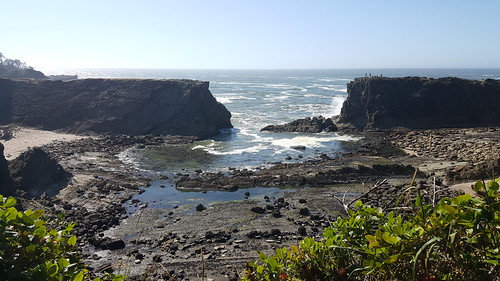
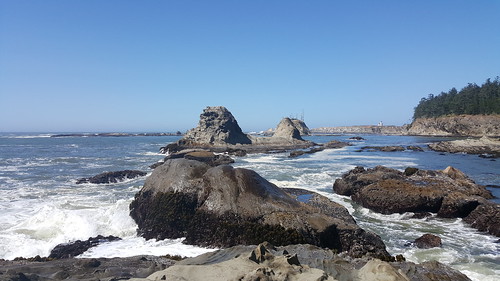
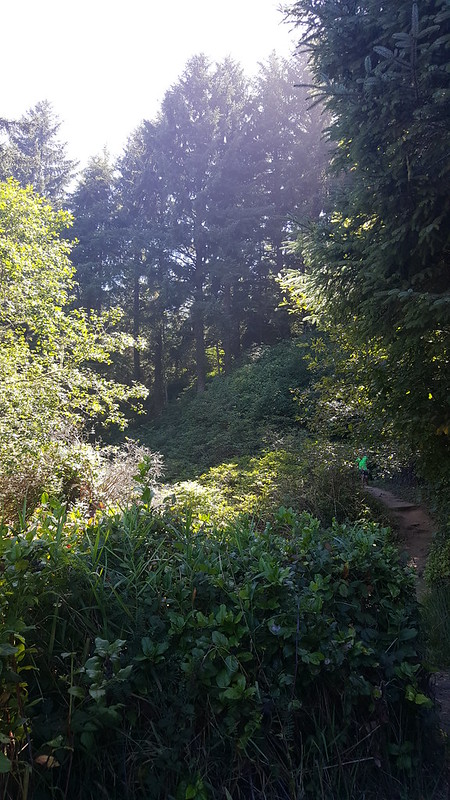
This week’s post was mostly reflective in nature, but I did go hiking at Sunset Bay yesterday, so here are some pretty neat pictures:

20160731_163417

20160731_154217

20160731_152717

20160731_151325

Thanks for reading!

Skyler’s Weekly Review – Week 7

The Buzz: UAV Updates, Garibaldi Days, Time Away From Computers

UAV Updates: Rendering thousands of images into single, usable datasets takes an enormous amount of time; a task that is difficult even with specialized, high-end computers or servers designed for hashing out mosaics and 3D models. As these processes slowly complete, I continue to refine the procedures (complete with hours of “lessons learned”) SEACOR will utilize for future UAV flights and imagery. I don’t have much to show for it yet, but I will soon!

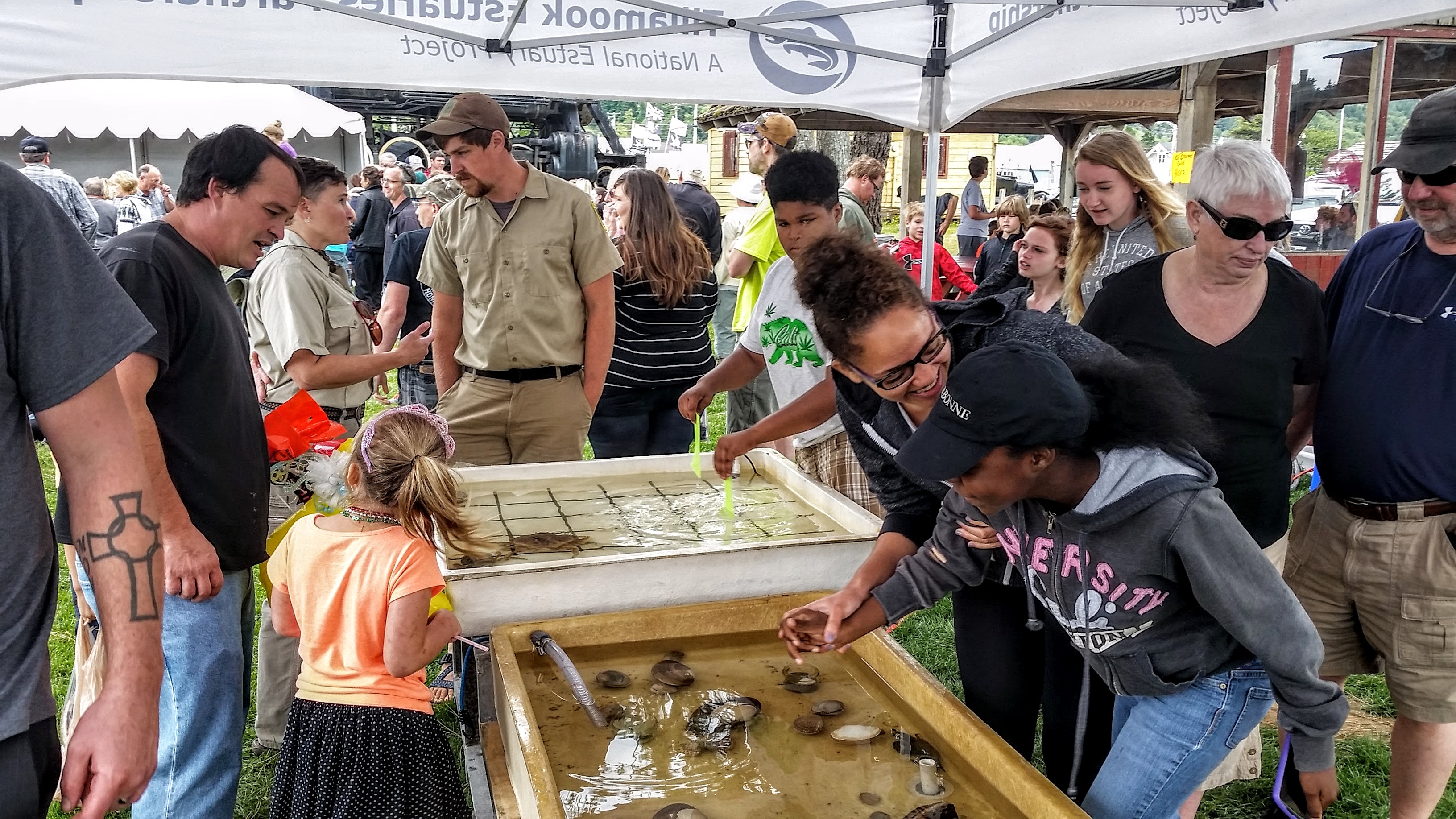
Garibaldi Days Touch Tank Setup

Garibaldi Days: As state and federal budgets are squeezed, education and outreach programs are often the first to be cut from spending plans. Although budgets are tight, SEACOR has made it a priority to coordinate several outreach events throughout the year. Our touch tanks are always a big draw for kids and adults alike. Having contributed hours towards two of these events now, I can say they are worth conducting. In both Garibaldi and Coos Bay, several misconceptions were shockingly common. Here are a couple (with corrections in red):

Red Rock Crab. ODFW.

Red Rock crabs are (not) invasive:  Cancer productus, more commonly known as Red Rock crab, are frequently labeled by the general public as an invasive species when in fact they are not. Red Rock crab have been observed in Oregon fossil records and have a native range along most of the West Coast from Southern California to Alaska. Their claws are particularly adept at crushing hard-shell animals such as clams, oysters, and even other crabs. In large abundance, Red Rock crabs can be a problem for commercial shellfish businesses but this occurrence is rare and there are control strategies for dealing with them. For more information on Oregon crab identification, ODFW has compiled a simple list here with further resources.

Pacific halibut resting on a bed of eelgrass. NOAA photo by Adam Obaza.

Eelgrass is (not) invasive/What is eelgrass?: Commonly mislabeled as a seaweed, eelgrass is a flowering seagrass that provides massive benefits to shellfish, fish such as salmon and rockfish, and many other types of wildlife. Eelgrass beds support the health of a variety of commercially targeted and environmentally important species, particularly during spawning and juvenile stages of their lifecycles. Eelgrass is federally protected under several congressional mandates such as the Clean Water Act (section 404) and the Fisheries Act of 1996 in addition to several Oregon State administered levels of protection. Recent studies suggest commercial oyster farming have particularly damaging effects on eelgrass beds. More information from NOAA can be found here and here. Conflicts between government regulations and commercial and recreational bay users flare up frequently. A good example from the LA times can be read here.

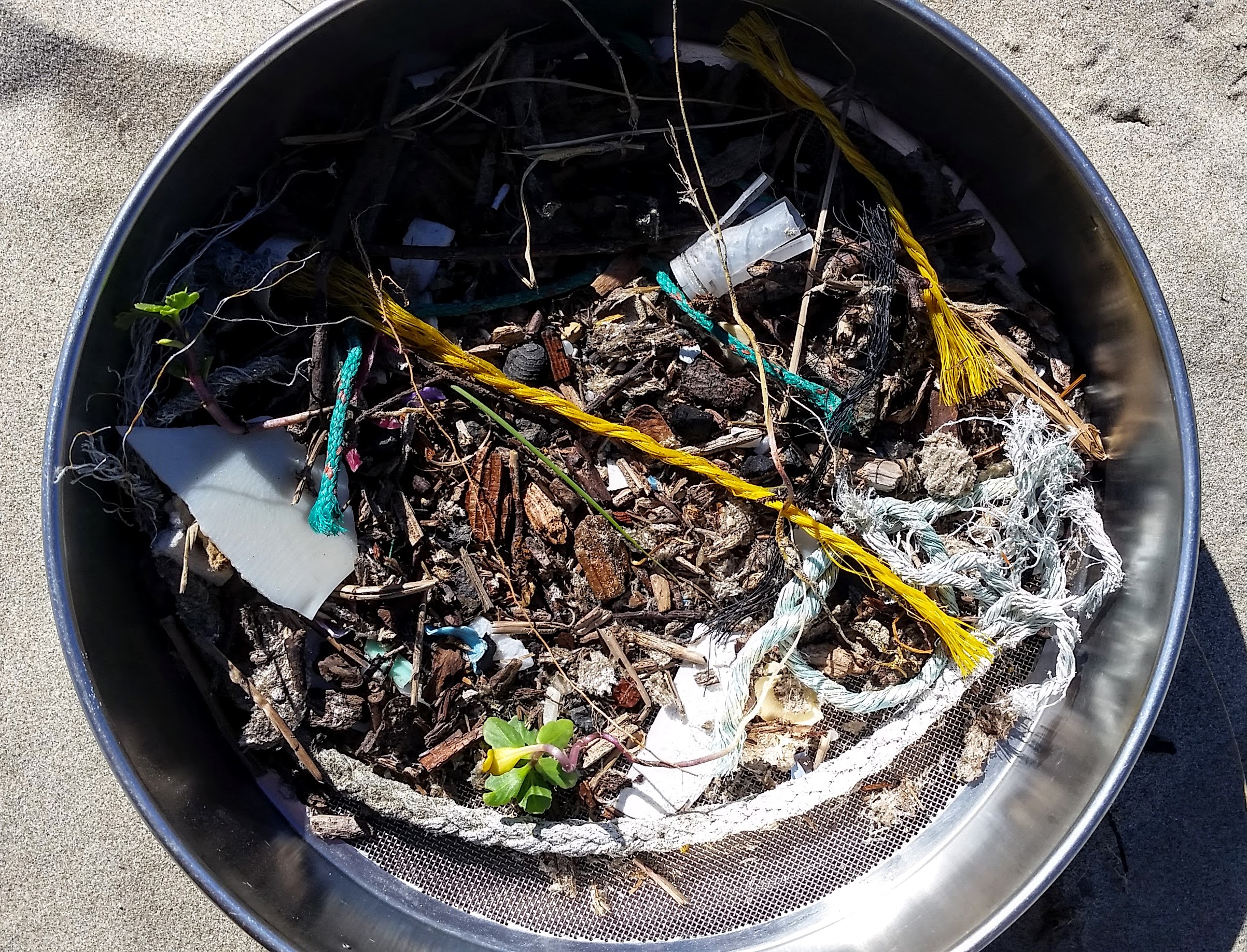
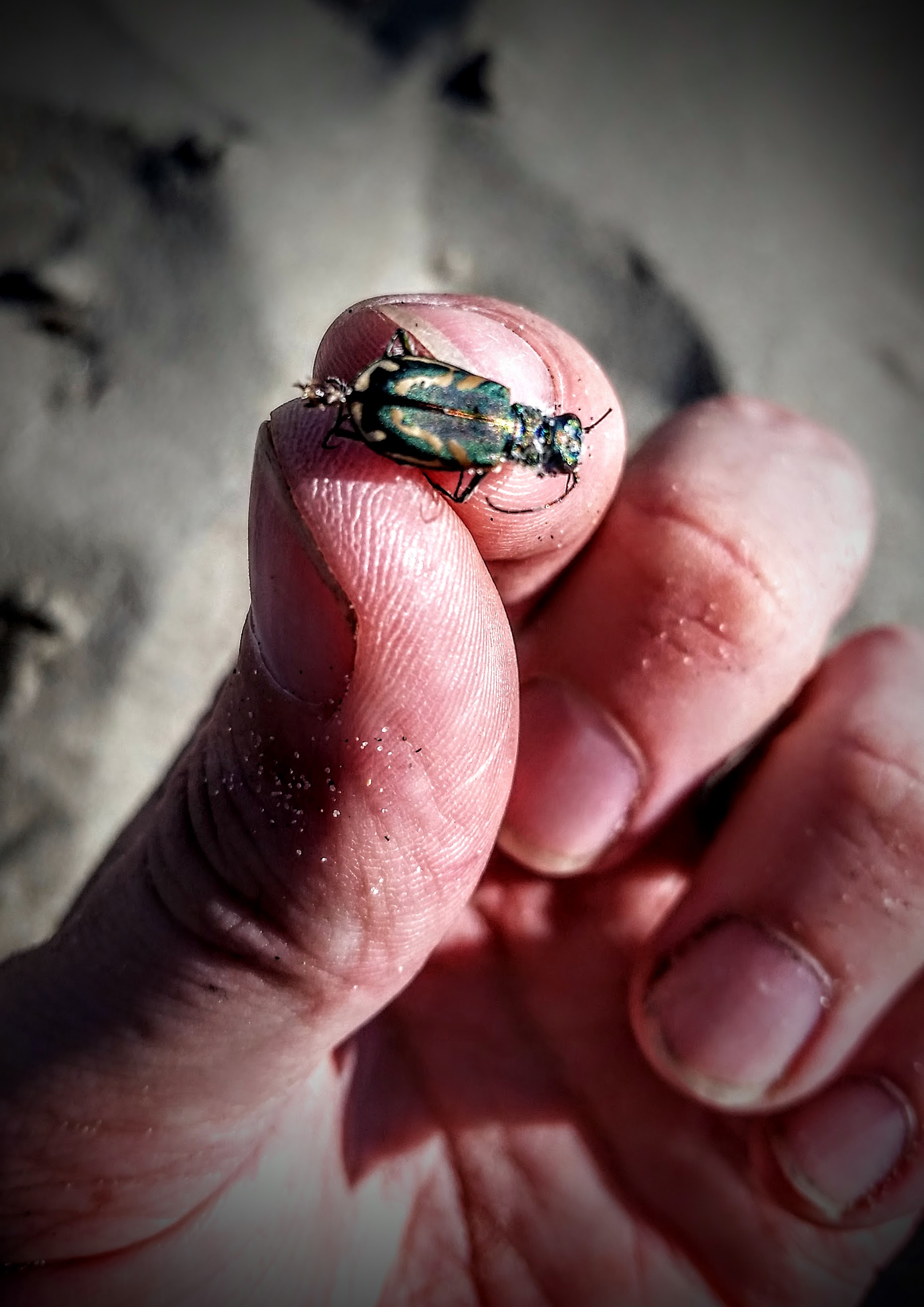
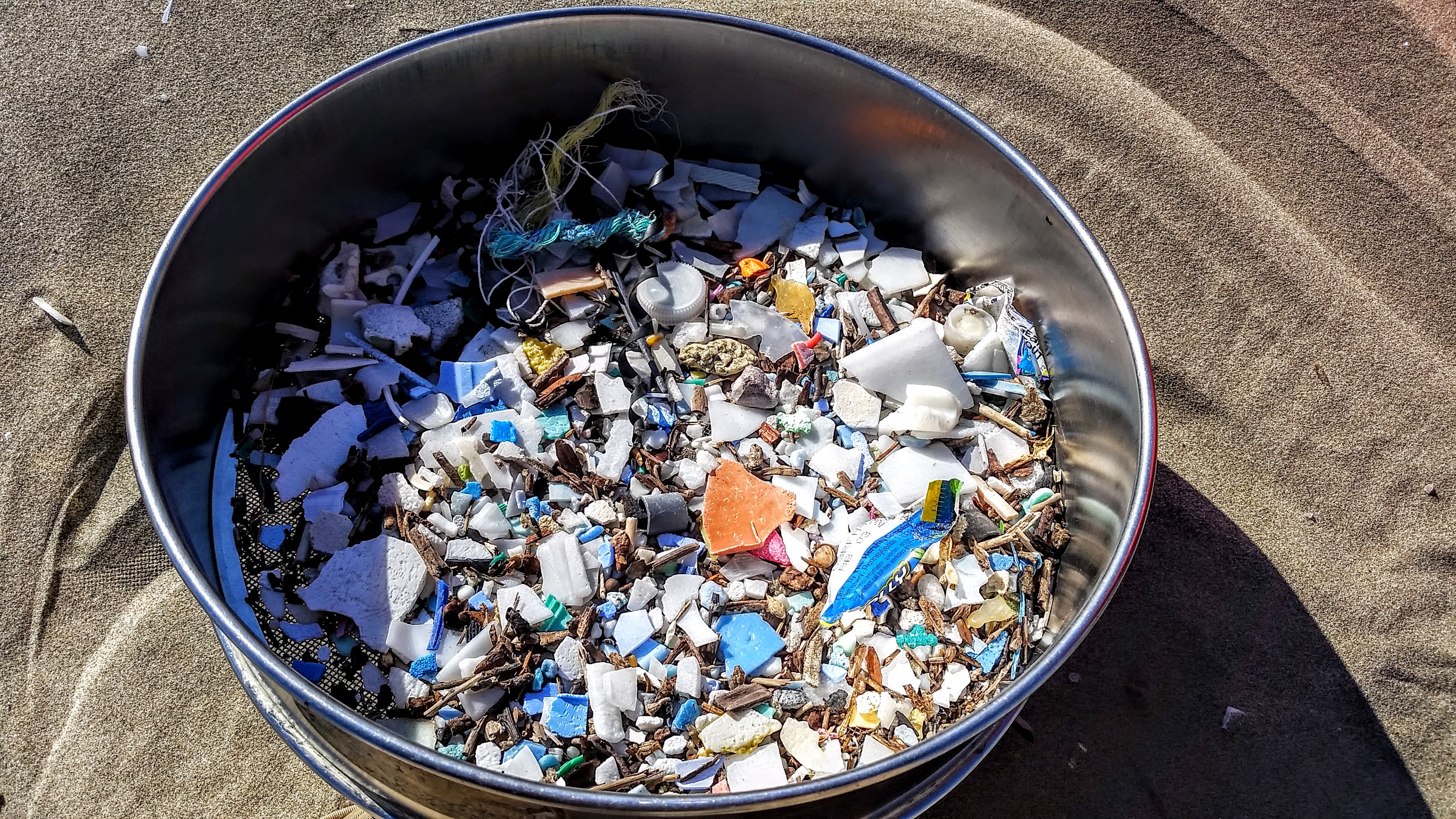
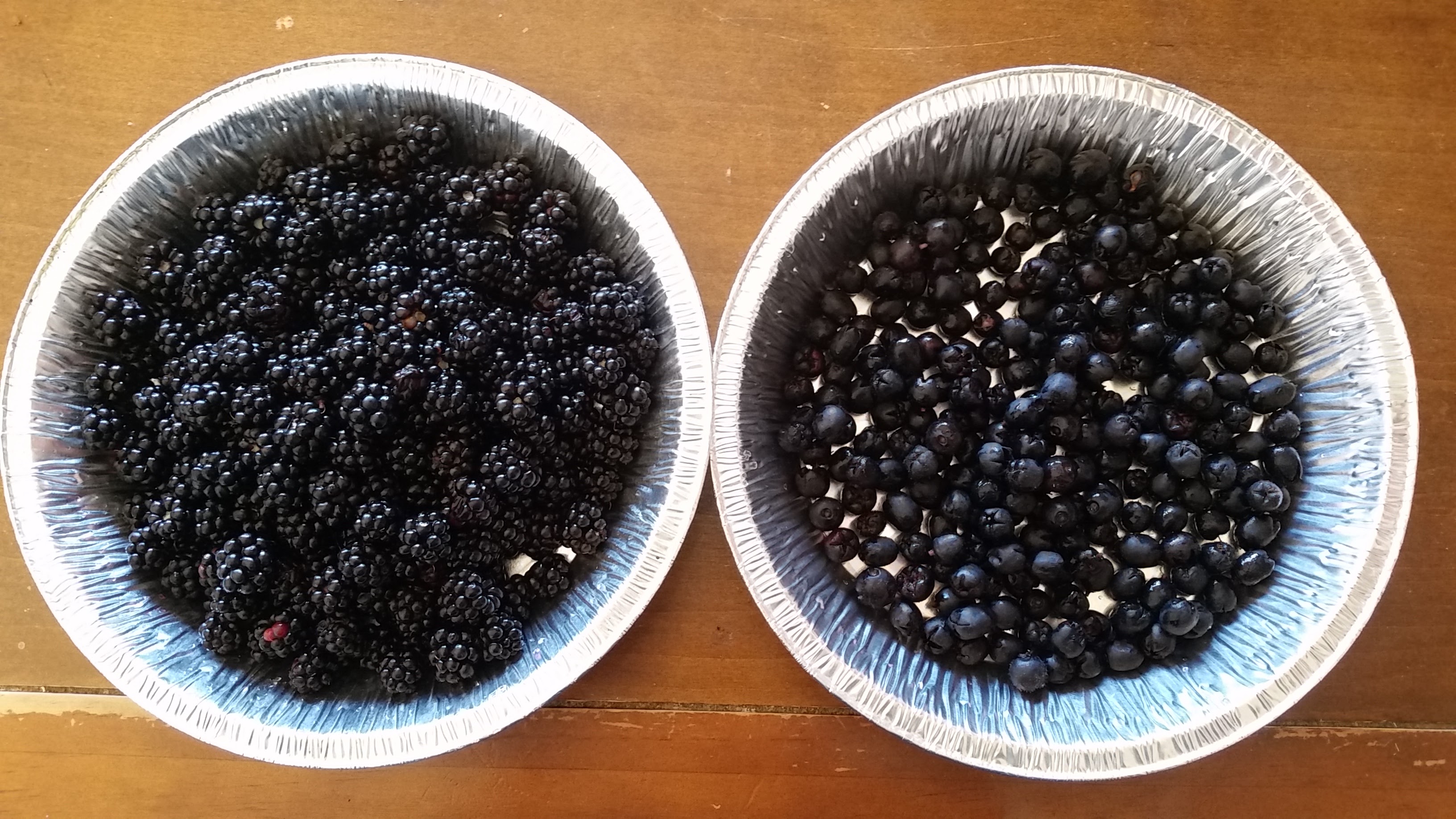
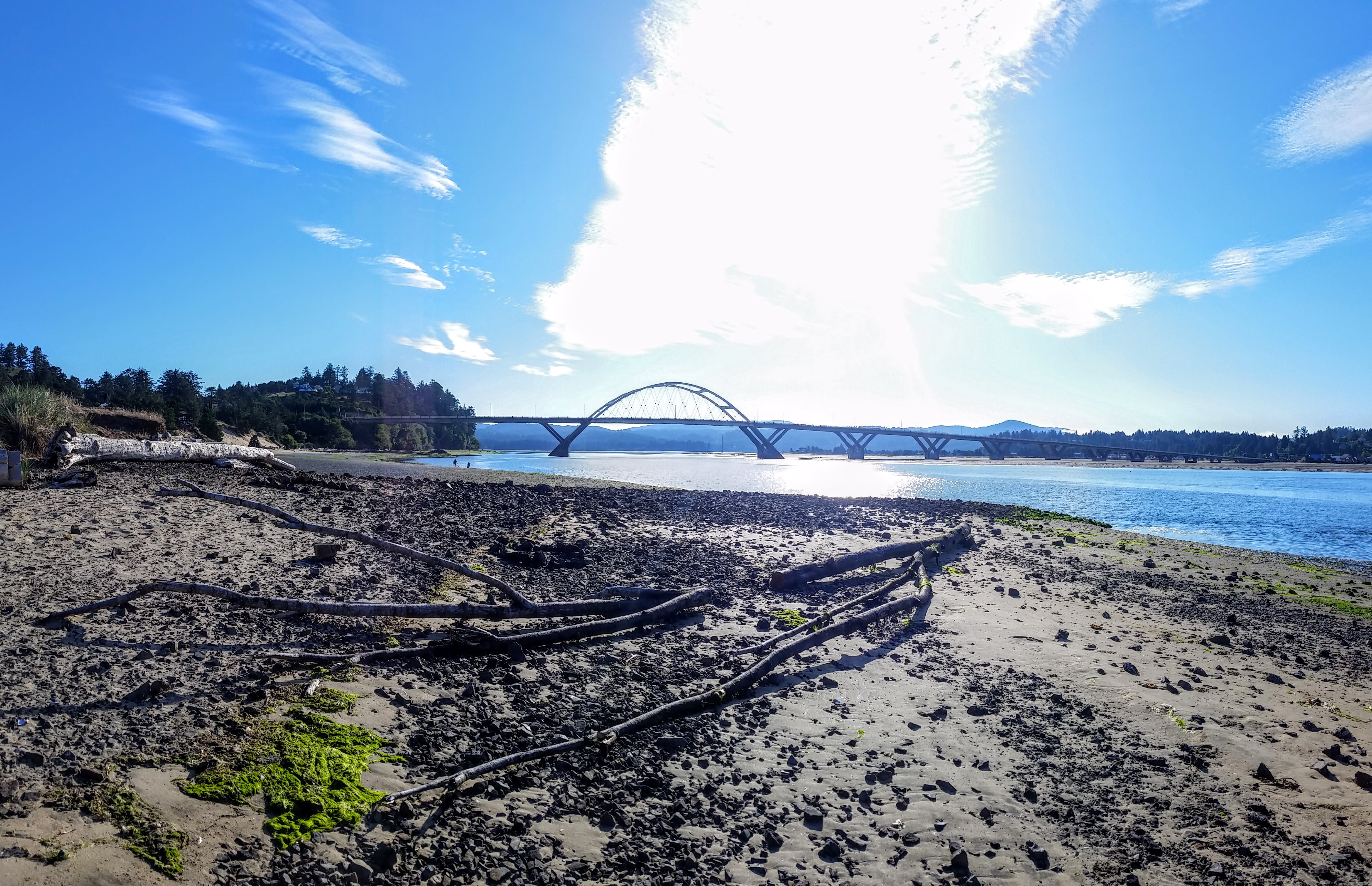
Time Away From Computers: Between the blog, online classes, cheap entertainment, and work, I spend a lot of time behind a screen. Every spare chance I have (and some that I don’t that I make time for…) I like to get out and explore. My spare time usually ends up with collections of things too large to carry, projects that are secret even to me, and few more freckles that appear to have replaced my ability to tan in the sun. With only a few weeks remaining, it is time to figure out what all this stuff is for! Here are a few clues for my SEACOR-it (secret) project:

Sieves and Ocean Debris

My yet-to-be identified scarab-esque splender

Ocean Plastic…

Local Berries!

Week 5 (with a dash of Week 6 and a hint of Week 7)

Hello again, friends. Sorry I’m a smidge behind on the posting, but I promise to get you all caught up soon. With this workweek almost complete, there are only three weeks left in the program…and I have even slightly less time left. Our presentations are about two weeks away, and I fly home the following Thursday so I can spend a couple days [frantically packing] at home before I rush back to start school the following Monday. I am saddened thinking about the end of the summer, but by the time I head home, it will have been ten weeks since I’ve seen my family and eight months since I’ve seen my roommates, friends, and beautiful college campus. So I am excited for this next “era” as well.

The weekend before last was probably one of the most eventful of the summer. We had our mid-summer check-in where we all gave short presentations about our projects and participated in a couple of workshops about communication. It was great to hear about what the other scholars are up to in a more formal way (rather than giving each other a one-sentence rundown while lying around our apartment in our pajamas).

One portion of the science communication workshop, given by Liz Cerny-Chipman, particularly caught my attention. I’ve included a picture of the slide below. It depicts the category and risk level of different types of scientific engagement.IMG_2815 (1)

Looking at this slide got me thinking about my place on this graph. I love to communicate with people – not in a constant, steady stream, but in a speech or report where I am able to provide important or useful information to a group. I love being the person to relay that information, whose job it is to both share knowledge (or make a convincing argument) and captivate an audience. I am not fantastic with children, and social media makes me nervous. The minute someone classifies something as “a challenge” or “high risk,” my desire to do it increases by about 1000%. Thinking about all of these characteristics, I can’t help but think that I might be right at home in the High Risk, Political Engagement Zone in the top right.

I’ll let you know in about ten years.

After the check-in, we went camping at Trout Creek campground (near the town of Sweet Home in the Willamette National Forest). I haven’t been camping since I stopped going to summer camp at 16, and I enjoyed myself immensely. Rare/cool experiences from the weekend include: swimming in 37-degree, crystal-clear water; hiking to Moraine Lake, located above the tree line on South Sister; and remembering what 80 degrees feels like.

IMG_2843

IMG_2882               IMG_2928

Crater Lake (!!!) happened this past weekend. More to come about that next post. Hope you all had wonderful weeks.

Survey Results and Weekend Updates

Another successful week for Shop at the Dock! The day started off with a heavy drizzle and for a bit, we didn’t expect anyone to show up. But the drizzle subsided and we had even more people show up than last week. Getting the surveys filled out has been a bit of a struggle, but we’ve started following up with an email, which has been really helpful.

orca

F/V Orca sharing stories with a tour group

triggerfish

F/V Triggerfish showing off a nice tuna


I’m completely floored by the positive feedback we’ve gotten from both surveys and in person. According the the surveys so far, almost 70% of participants bought seafood at Shop at the Dock and nearly 75% of participants spent money on other activities in the area. It’s amazing that this one educational program has brought an economic boost to both commercial fisheries and local businesses. Being a part of the Shop at the Dock events (along with the pressing matter of real adulthood) has had me thinking about what I want to do in the future. It’s really great seeing what a powerful tool education can be and I can definitely see myself working at the intersection of science and education.

This week, I came across an article about global fish production. According to a 2016 study by the UN Food and Agriculture Organization, global fish production is approaching its sustainable limit.

Around 90% of the world’s stocks are now fully or overfished and production is set to increase further by 2025

As I mentioned in a previous blog post, sustainability issues can arise due to the lack of transparency in the supply chain and inadequate inspections, which makes efforts to find sustainably caught fish ever more important.

As for non-work related updates, this past weekend, some of the other summer scholars and I went to Crater Lake. The color and clarity of the lake was absolutely stunning and almost unreal. We also visited Toketee Falls and Hot Springs, which were lovely and warm and definitely worth a visit!

craterlake

Crater Lake, you are unreal

hotspring

Toketee Hot Springs


Thanks as always for keeping up. More updates next week! As we’re already halfway through our 7th week, I’ll finish this post with a song by Flaming Lips- “let them know you realize that life goes fast; it’s hard to make the good things last”.

Skyler’s Weekly Review – Week 6

The Buzz: Alsea Bay, Razor Clams in Astoria

Good Morning, Alsea Bay

Alsea Bay: With every UAV flight, SEACOR gets faster, more efficient, and apparently more repulsive (to seagulls). Despite the incessant whine of gullible gulls and their defensive attacks, we made several successful flights over clam and eelgrass beds along the north coast of Alsea Bay. The culmination of our experience thus far will hopefully yield our best results. Unfortunately, these were the last flights I will get to experience with SEACOR for the summer. Fortunately for the seagulls, it may be the last time we disturb the otherwise undisturbed shore of Alsea Bay with our buzzing predator-esque flying things.


ODFW Razor Clam Population Assessment

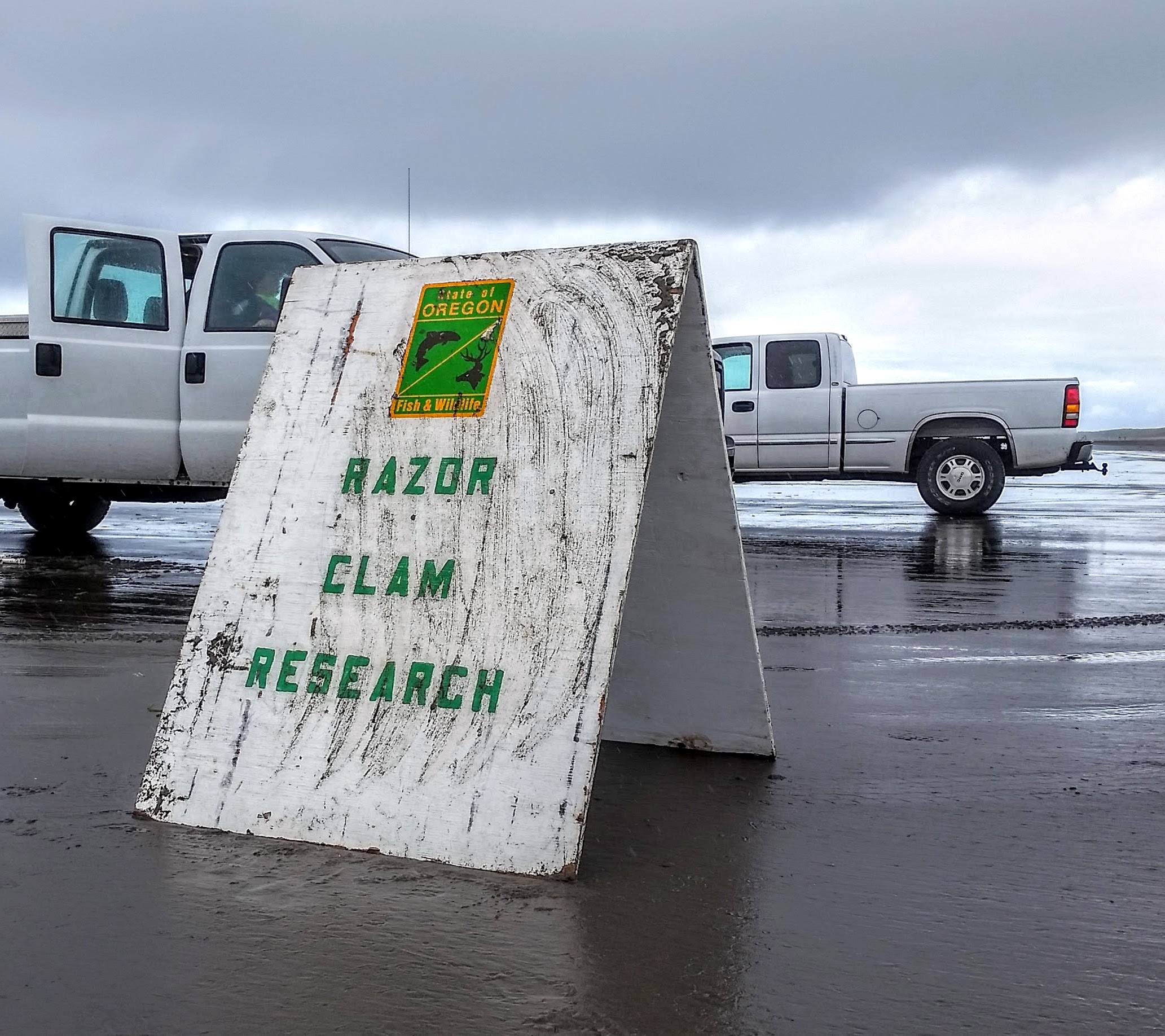
Razor Clams in Astoria: Some of the best beaches in America for harvesting razor clams are found in Northern Clatsop county, Oregon. The stable, sandy beaches between the Tillamook river head to the Columbia river jetty west of Astoria are well known for harvests of  over 2 million razor clams. A resource like this gets a lot of attention. To encourage recruitment (or the settling of offspring and immigrating adults) of future generations of clams, the State of Oregon at the behest of the ODFW close the beaches during mid-to-late summer to all recreational harvesting. Once the beaches are closed, its time for biologists to get to work. The monitoring site we offered to assist with was along Fort Stevens beach (south of Astoria near Warrenton). Trudging along the beach with a handcart full of hoses and an engine seems familiar… SEACOR’s megacoring work in clam beds is similar, except we have a boat, dry suits, and a vacuum instead of a pump. Working with exceptionally fatty clams (razors) that float instead of sink in water sounds like easy work, but you’d be mistaken to think it was. Pulling around heavy fire-hoses full of water up and down the beach for 5 hours bestowed us with a special brand of tiredness.


The Oregon coast and the varied weather that occurs here probably causes many to shy away from being outside for too long. Sand, mud, rain, sun, wind, and the experience of all of them simultaneously during field work reveals another side of the Northwest coast. For those who are patient (or for those who are forced to stick around) and for those that understand the region (or for those that find love living in it), the Pacific Northwest is unique and stunningly beautiful everyday. As quickly as you can drive 10 miles, you will find completely different conditions. You might drive from hot sun to stormy rain. You might find another reason to stick around or to love the liquid sun rays or fog and mud. Like a filter, a change in the weather simply adds another perspective.

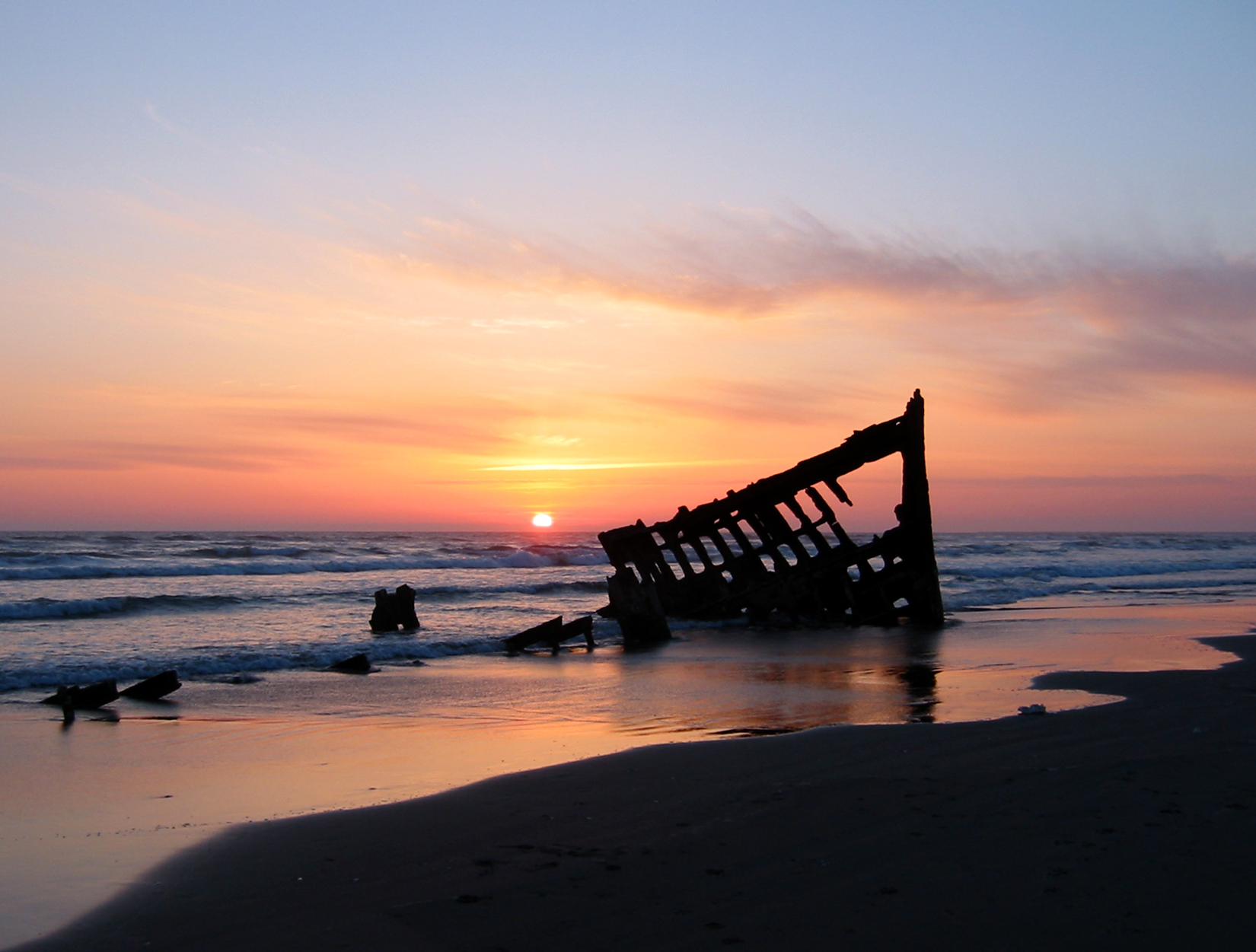
Good Night, from the Peter Iredale Shipwreck at Fort Stevens, OR. Photo by Robert Bradshaw

Next Week: Garibaldi Days, Tillamook Field Work, SEACOR-et Project Pt. 1


Mid-Summer Check-in

The week leading up to the check-in was pretty exciting, culminating in the much-anticipated mid-summer presentations in Newport and preceding camping trip.

I compiled all of my research on the Oregon Coast Trail (OCT), which I’ve spent most of the summer researching. The OCT, as the name suggests, is a trail that runs all along the 360ish miles of the Oregon Coast. This is made possible by Oregon’s “Beach Bill” which made all beaches, all the way up to the vegetation line, public access, so anyone could theoretically walk the entire coast. However, there are some portions of the coast where walking is impossible, as cliffs jut into the sea and there is no walkable coast. My first project concerned researching all of the areas where this occurred, along with areas where pedestrians have to come inland to cross bridges (due to rivers and bays), and any other reason that would take coast-walkers off of the coast. I’m excited to see how the trail progresses from the information of my summary.

Map of the current Oregon Coast Trail, created by Oregon Department of Parks and Recreation

Map of the current Oregon Coast Trail, created by Oregon Department of Parks and Recreation

Thursday afternoon I was able to ride up with another summer scholar up the South Coast to Newport. Since my first project for Wild Rivers Coast Alliance (my host for this summer) concerned researching the OCT, I was excited to see a lot of the places that I’ve seen throughout my research as we drove along highway 101.This also helped me to spot out a few of the areas on the OCT that are problematic, such as the Newport Bridge below, which crosses Yaquina Bay. If hikers are unable to get a ferry across the bay, the only passage is the bridge, which has a narrow pedestrian crossing.

20160715_141815

Friday morning we had our mid-summer presentations, I was a bit nervous for mine, since there was a bit more background that needed to be explained before I actually discussed my projects (how a golf course, Bandon Dunes, fit in with sustainability for example). I felt much better after spotting these amazing artistic puns, however.

20160715_122904

Big thanks to whoever drew those. I tried to incorporate more marine puns into my normal talking over the course of the check-in, but I didn’t do very whale…

Then we went camping! After some of the best curry I’ve had a long time at the cute little Thai restaurant on the port in Newport, we drove into the Willamette National Forest. I could go on and on about how much I love the trees of the Pacific Northwest, but I’ll show some photos instead.

20160716_094458

20160716_105101

We were also to enjoy these arboreal giants on our hike to Tamolitch (Blue) Pool, about a 5 mile hike along the McKenzie River, ending where the river escapes under a cliff. The (amazing) coloration of the river is caused by its subterranean passage before we see the water peak back out at the pool. The cold temperatures (about 38 degrees F) and the lack of sunlight is pretty inhabitable for most organisms, leaving behind crystal clear water. What do you do when you run across icy-cold water in the middle of the forest? Well, you jump in, of course!

20160716_122223_009

The water chills you to the bones, but it’s extremely refreshing, and a very cool experience. Thanks so much to Haley, our coordinator, for planning this out and taking us there! Leaving the hike Saturday, I rode back to Corvallis with Haley, Ed, and Skyler, just in time to catch a shuttle to my flight back home for the next week (a way better alternative than the 2 buses and taxis mentioned in my first blog post). Thanks for reading, and stay tuned!

Don’t Be Shellfish

Eat local. That’s a phrase we hear fairly often these days, especially with the Locavore movement and all its counterparts. After learning throughout my college years how to be a more conscious consumer of food, I’ve always found it both challenging and exciting to eat locally and seasonally.

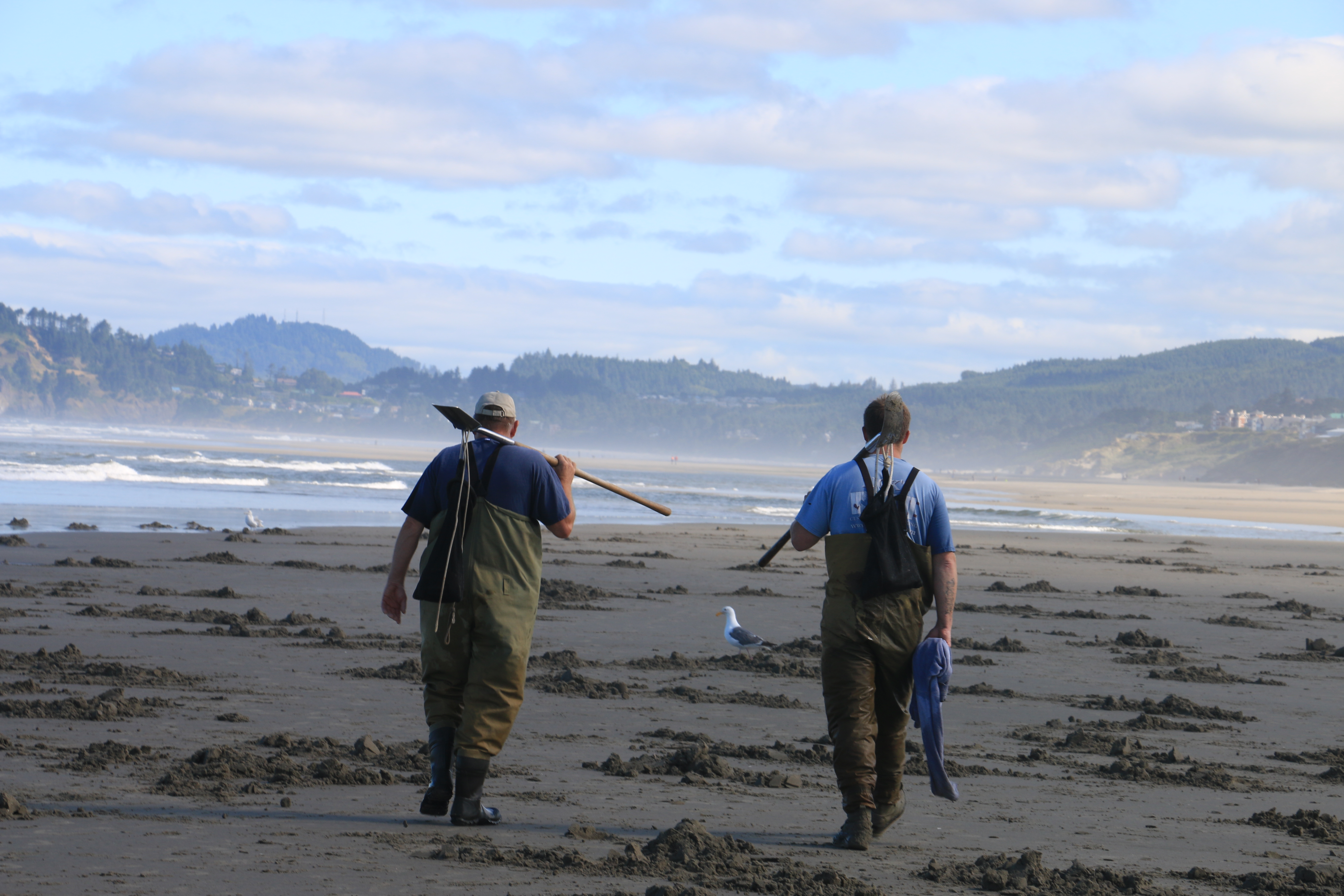
Two locals harvest their dinner at North Beach, Newport OR.

Here on the Oregon coast, seafood is what’s in season, but of course there are many challenges to being a conscious consumer of seafood. A large part of this is due to a disconnect between consumers and where their seafood is coming from. So how do you ensure the food you’re eating is local, in season and sustainable? One solution (and a fun one at that) is to harvest for yourself!

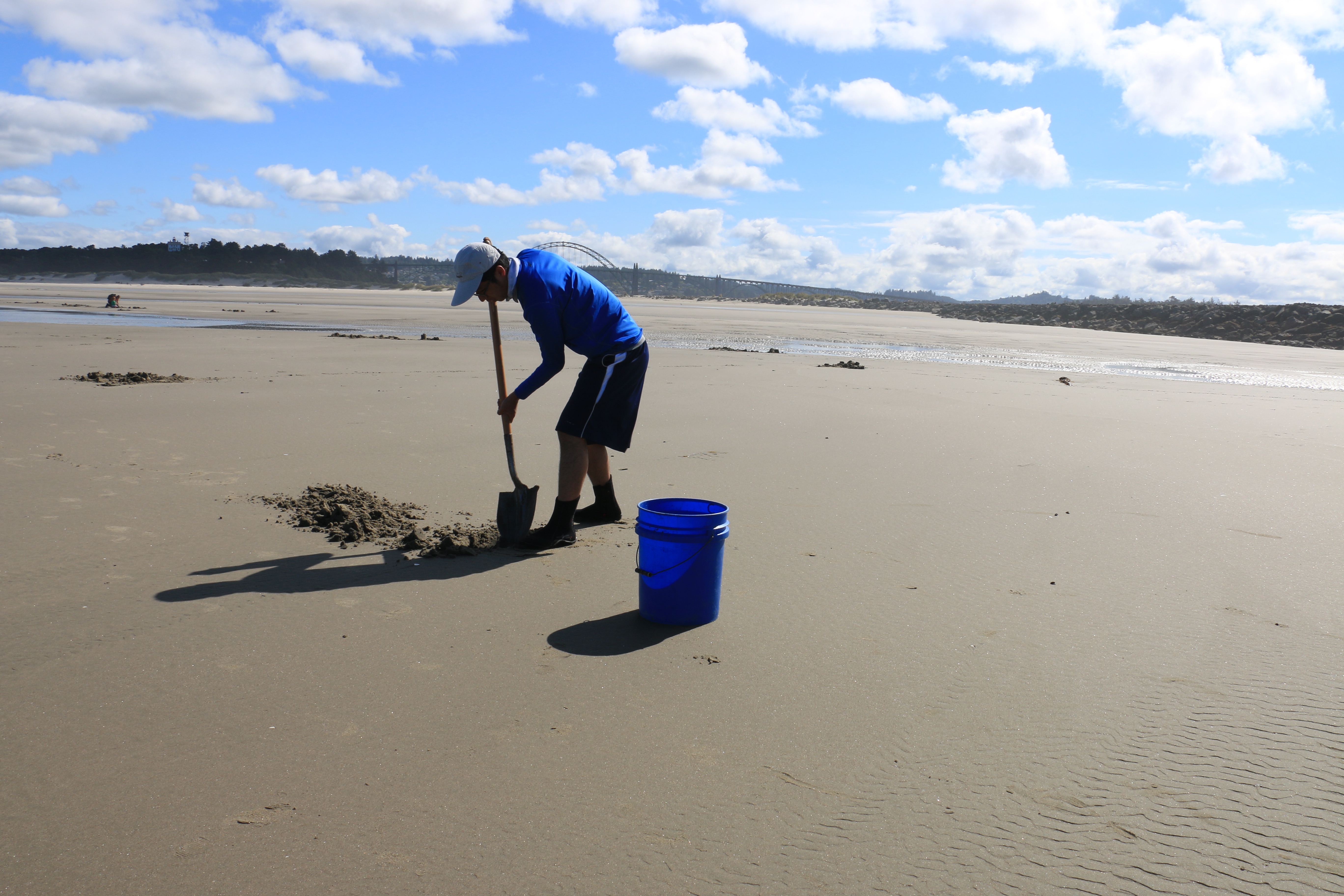
My roommate Ed digs for razor clams near the North Jetty in Newport, OR.

I have to admit, one of the most exciting outings so far in Oregon has been right across the bay. As the tide goes out at the beach, there is a whole community of marine organisms living right beneath your feet. Some of them might make a tasty meal if you’re lucky enough and know what to look for. Razor clams are not the easiest clams to pursue if you’re an amateur, but certainly worth the effort.

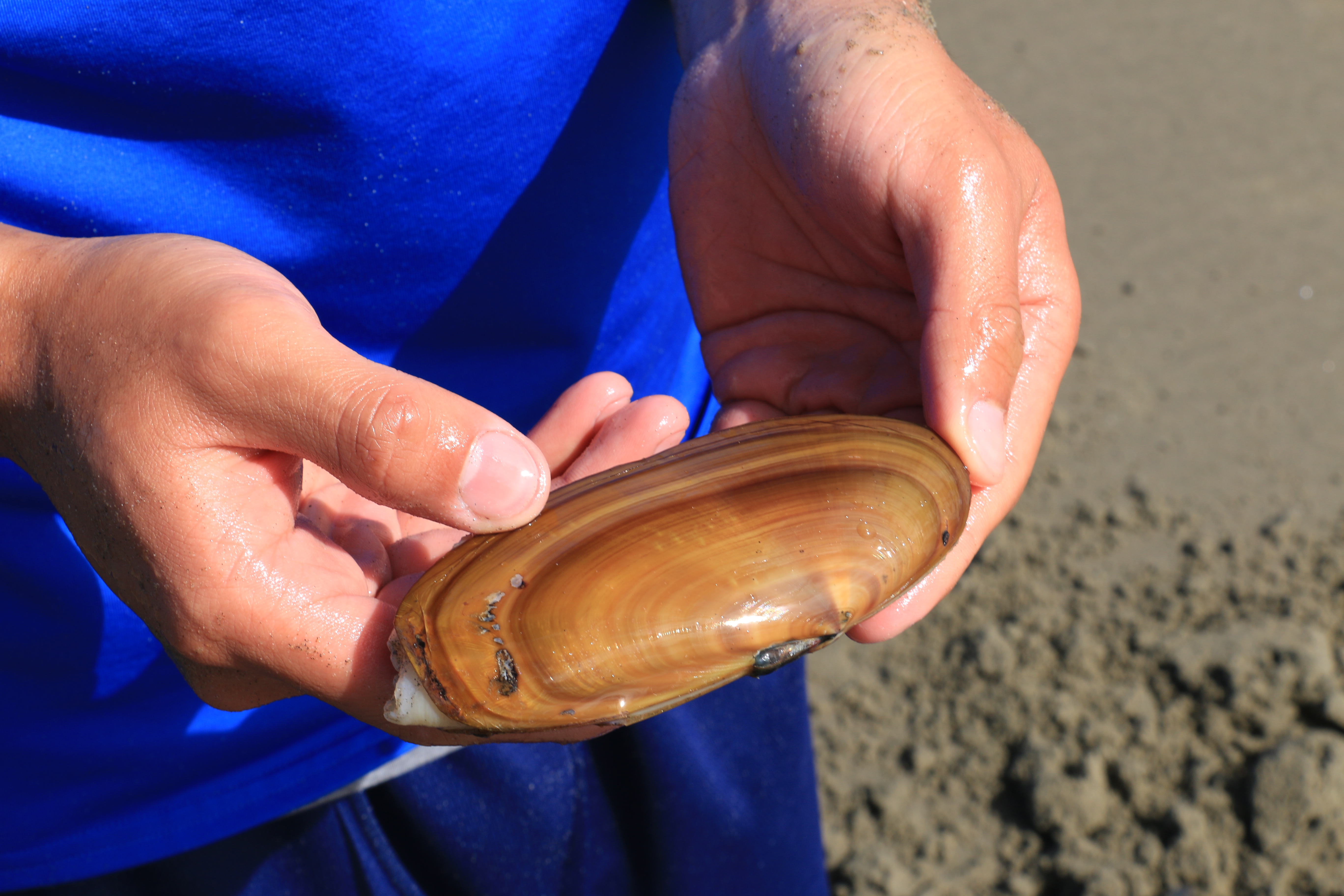
Pacific Razor Clam.

For those of you who may be unfamiliar with catching a razor clam, it goes a little something like this:

  • Step 1: Acquire shovel and bucket
  • Step 2: Find a beach where razor clams may live and wait for a minus low tide
  • Step 3: Run around stomping your feet and look for a tiny depression to form in the sand around you
  • Step 4: Start digging faster than the clam can burrow

Of course that’s not exactly how everyone does it, but it’s sort of a cool excuse to stomp around on the beach and dig holes in the sand just like we all did as a kid. Not to mention, you really have to be sharp with your vision to spot a razor clam (pun intended). A “show,” as they call it, is the little dimple that forms when the clam feels you stomping and starts to dig toward safety. As you can imagine, with an entire community of burrowing organisms (snails, shrimp, crabs, etc) making their own holes and mounds of sand, it can be quite confusing to know what you’re looking for.

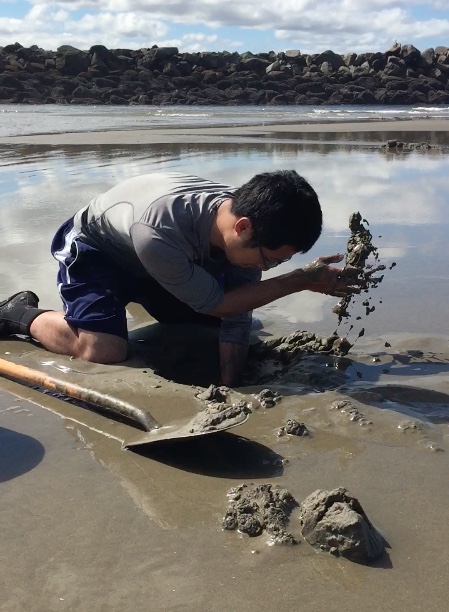
Ed digs through a wet slurry of sand and seawater to catch a razor clam.

Once you find a promising show, that’s when the real fun starts. Razor clams can dig fast, and they go deep. These efficient diggers extend their feet downward, while mixing water with sand to make a quicksand mixture that allows them to escape quickly. If you’re an amateur, like my roommate and myself, you may sometimes find dinner slipping away from your fingers after wrestling with a thick slurry of wet sand.

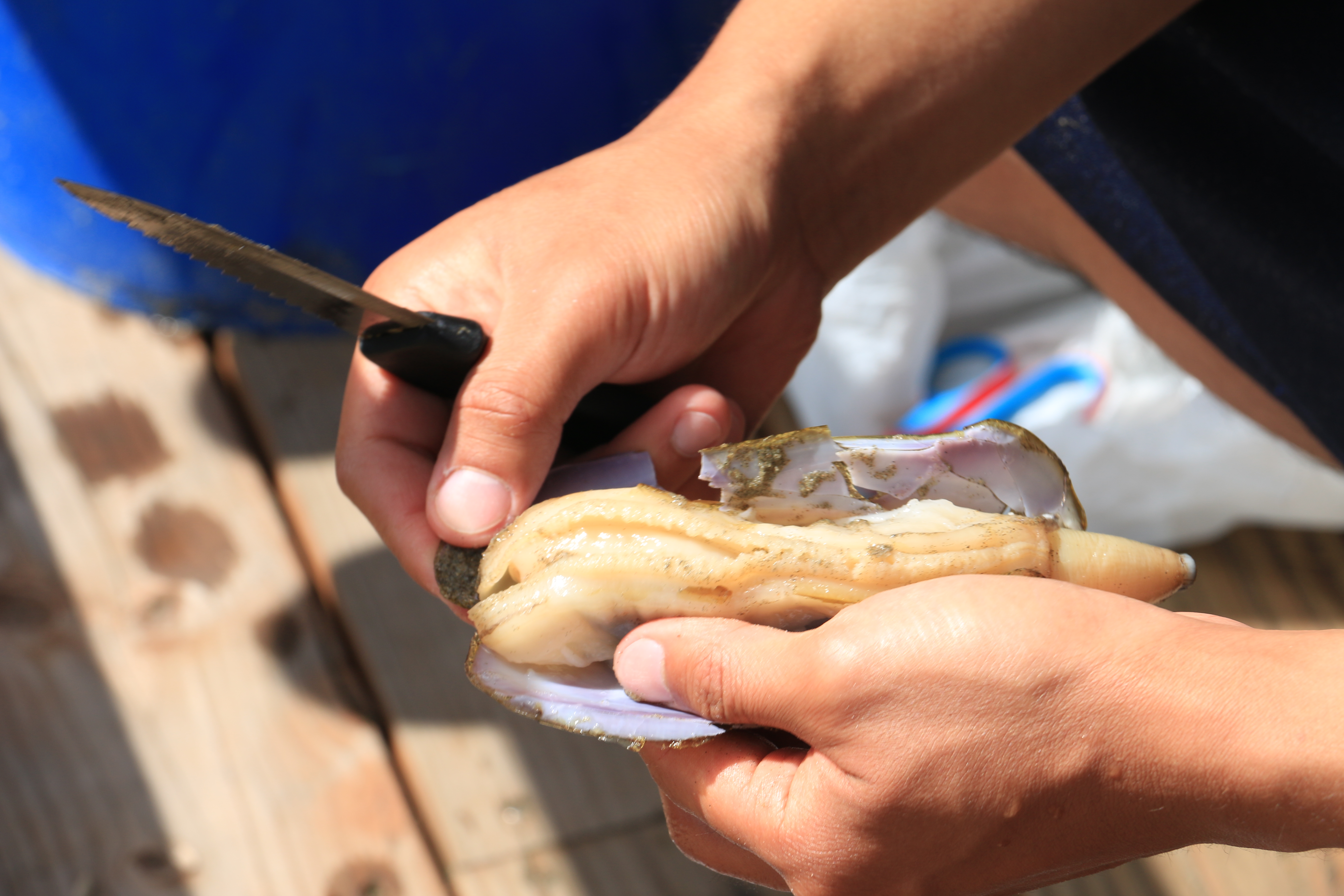
Ed cleans a razor clam to prepare for dinner.

After a morning of chasing razor clams into the sand, Ed and I were able to replace the calories burned digging with a fulfilling meal from local catch. Additionally, I must add that the limit for Pacific Razor Clams is 15 per person per day, but just a few fillets can make a satisfying dinner for one. Catching your limit will definitely help you feed your friends and family, but with sustainability in mind, I might suggest only taking what you need, from different areas of the beach in order to let populations recover. As much fun as it can be to chase razor clams, I think it’s important that we do let some get away, for their sake and for the promise of local, healthy food for generations to come.

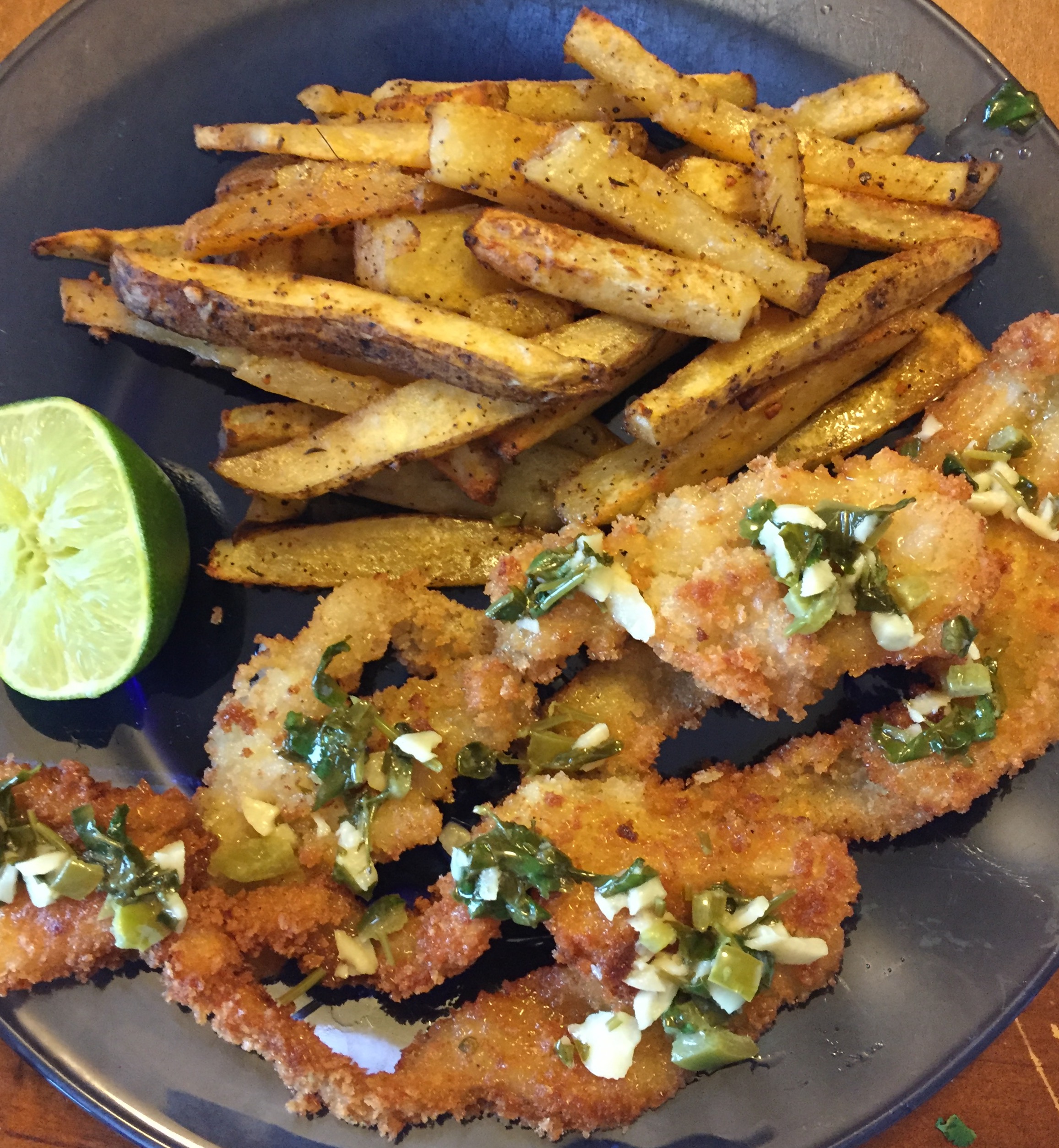
A hearty meal of three oven-fried razor clam filets.