Research area
Plant–microbe interactions
How fungi shape the future of forests
We study how beneficial and harmful fungi influence tree survival, forest diversity and resilience as environments become hotter, drier and less fertile.
Collaborative research: This work is conducted in collaboration with Joe LaManna at Marquette University and Posy Busby at Oregon State University with support from the National Science Foundation.
Central question
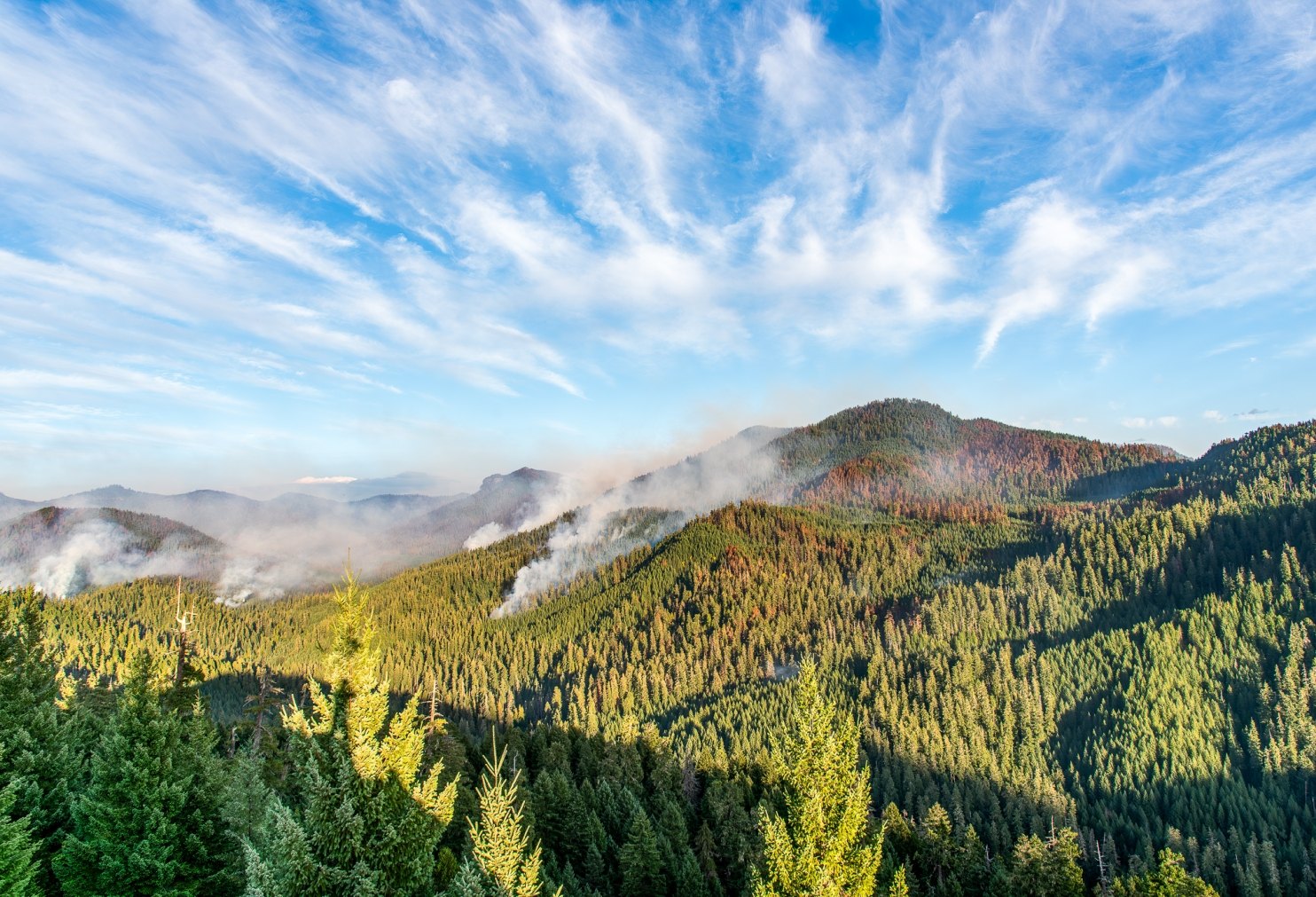
When do fungi help trees—and when do they hold them back?
Fungi can act as mutualists that help trees acquire water and nutrients, or as pathogens that reduce survival. We ask how drought and nutrient stress change the balance between these opposing effects.
Plant–fungal interactions across stress gradients
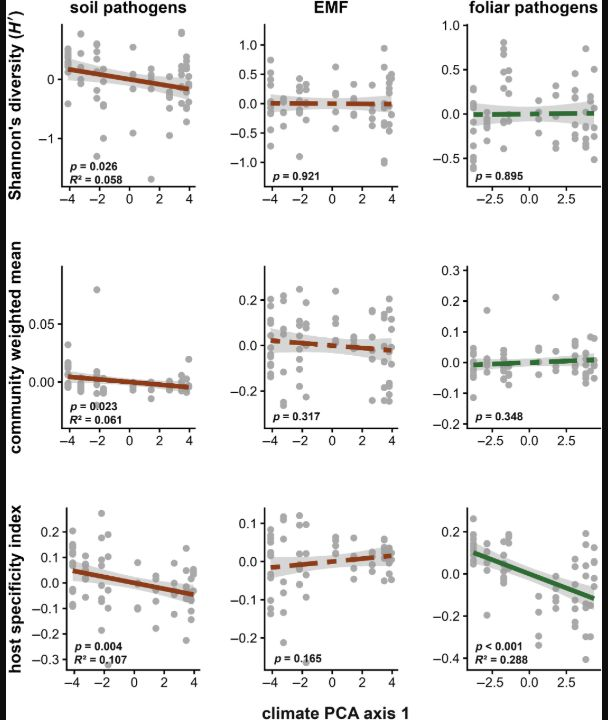
Stress changes the relationship
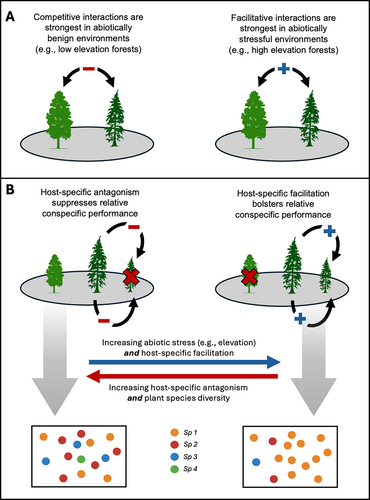
In favorable conditions
Competition and host-specific pathogens may create negative feedback, preventing common tree species from dominating and helping maintain diversity.
Under greater stress
Mycorrhizal fungi and leaf endophytes may become more important allies, helping trees withstand drought and nutrient limitation and shifting feedback in a positive direction.
From seedlings to forest futures
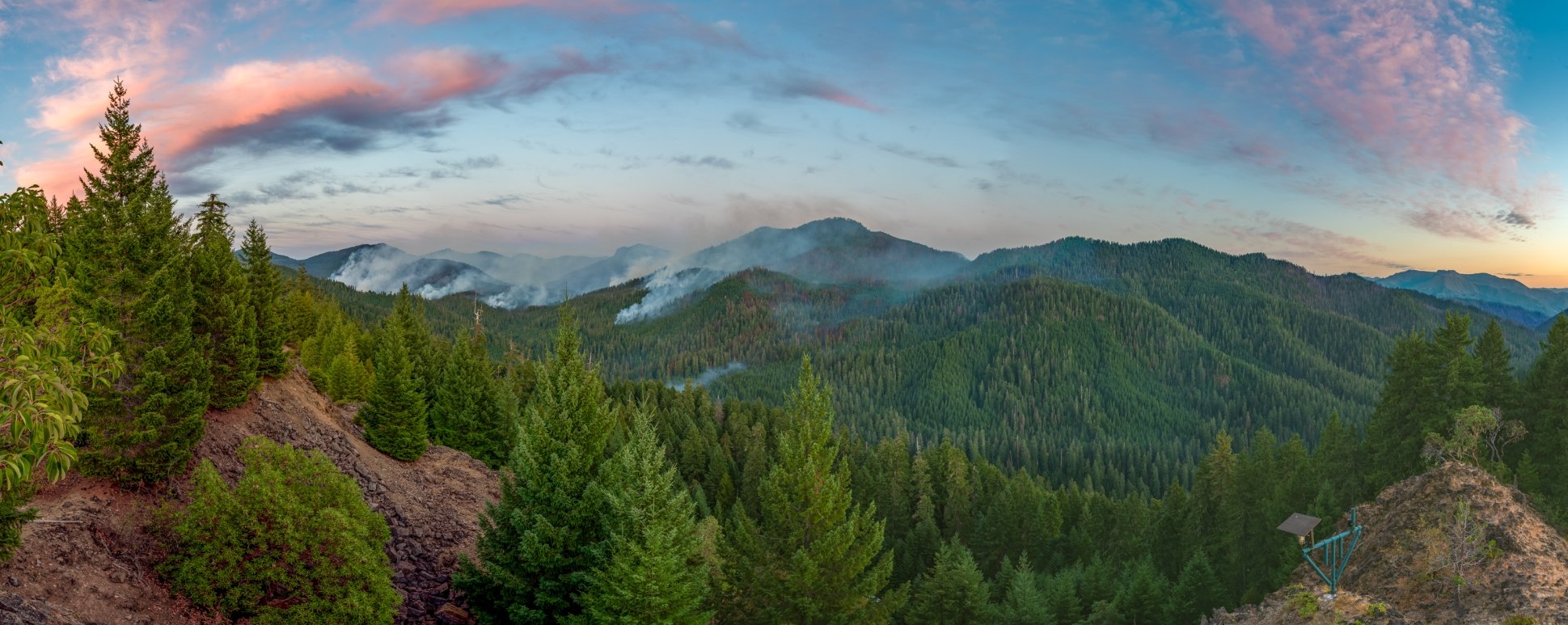
At the H.J. Andrews Experimental Forest, field observations, reciprocal transplants and greenhouse experiments reveal how trees and fungal communities respond to moisture and nutrient gradients. Long-term forest data then help us ask how these interactions may alter tree abundance and diversity across the Pacific Northwest.
Why it matters
Understanding when microbes affect tree growth and survival can improve forecasts of forest change and inform restoration and reforestation as climate stress intensifies.
Selected plant–microbe publications
Research on fungal pathogens, oomycetes, belowground communities and the environmental drivers of plant–microbe interactions.
- Host specificity of fungal pathogens covaries with climate: Implications for intraspecific plant interactions (2026)
- A New Oomycete Metabarcoding Method Using the rps10 Gene (2022)
- Co-occurring Fungal Functional Groups Respond Differently to Tree Neighborhoods and Soil Properties Across Three Tropical Rainforests in Panama (2020)
- Contrasting patterns of plant and microbial diversity during long‐term ecosystem development (2019)
- The role of soil chemistry and plant neighbourhoods in structuring fungal communities in three Panamanian rainforests (2017)
- Relating belowground microbial composition to the taxonomic, phylogenetic, and functional trait distributions of trees in a tropical forest (2015)