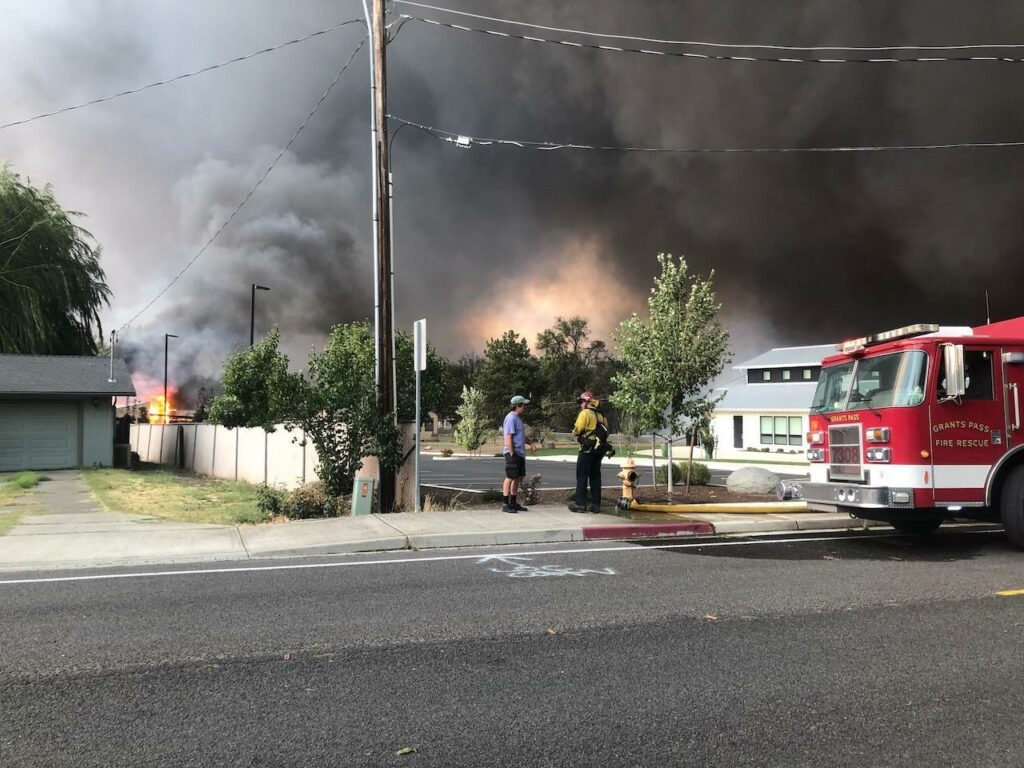
Hello, readers! Luke Brockman here, and it’s now the middle of August. My position as an intern with Extension’s Forestry and Natural Resources Fire Program is soon coming to an end. Oregon’s fire season, however, is in full swing. Just about all of the Pacific Northwest is in historic drought conditions, and more than 18 wildfires are still burning in our state. Incredibly, and thanks to the collaborative efforts of so many people fighting to contain them, a few major fires including the Bootleg Fire in Southern Oregon, are close to 100% contained. Working for the Fire Program has been hugely informative for me, not only in my understanding of the work that goes into forest management and fire education but also by awakening me to the hugely diverse array of geographic areas that make up our state, each of which requires collaboration between many different agencies in order to properly manage.
Working for Extension has also been an amazing professional experience. I’ve learned more fully the importance of teamwork, communication, and creative problem solving, in a refreshingly professional setting. Something that surprised me about my supervisor (who holds the title Regional Fire Specialist for the Coast Range) was the spectrum of different groups he collaborates with, and his ability to lead and provide appropriate input no matter the situation. Much of the work of the regional fire specialists involves doing planning, meeting with other specialists and partners, and doing a ton of technical writing. In the classroom, doing such planning and collaborating (especially via Zoom) can feel sort of dull, when questions are posed and sit lingering in the air waiting to be answered.
My experiences this summer in the myriad of collaborative group settings allowed me to witness the ability that Extension professionals have to provide guidance, information, and problem-solving relative to their specialty areas. It was especially refreshing to see this sort of collaboration and problem-solving applied to a field with obvious, and growing importance and sensitivity: Oregon’s forests, and the people who inhabit the land and play important roles in the use of our natural resources.
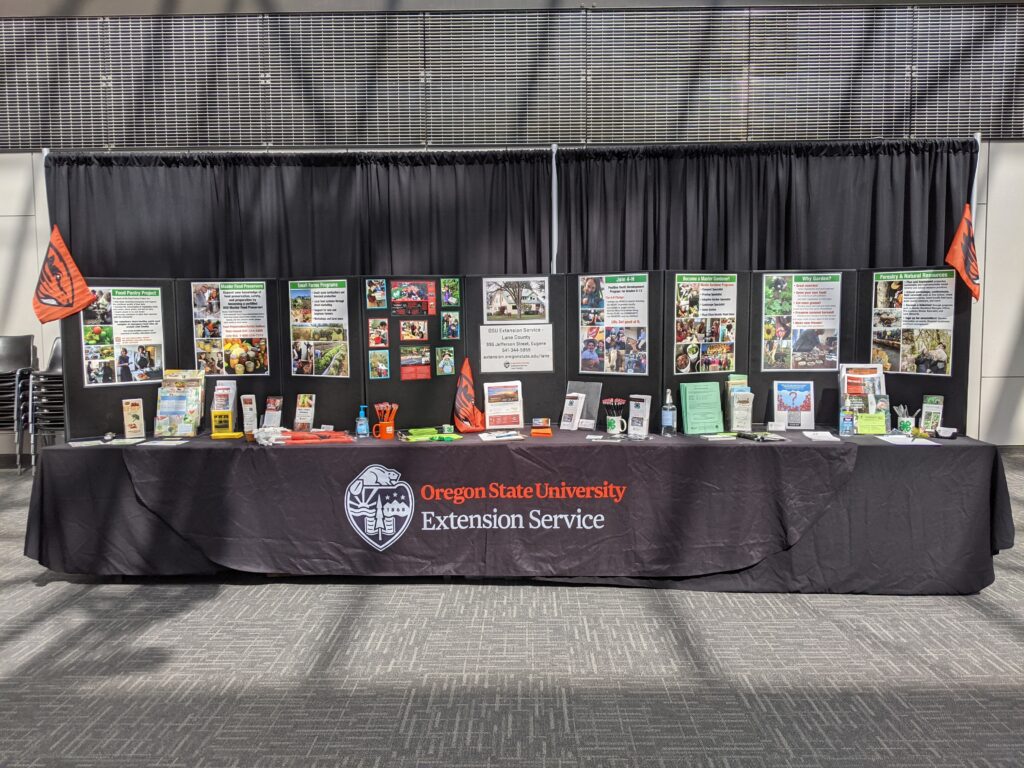
What I wish for you all to know about Extension is that it’s really, truly, a resource for the benefit of your community. The people who inhabit the Extension office in your county are very knowledgeable and inspiring, and the work they’re doing behind the scenes is important and impactful. The challenges we face in our changing environment are vast and complicated, but if there’s one thing I’ve learned from my experience in Extension, it’s that there are so many people working on solutions, right here in our state!

 Since beginning my internship, I have been able to learn so much about Extension and how Extension is represented through social media. One project I worked on is helping launch the OSU Extension service Instagram account. The process of starting the account involved meeting with other faculty and staff from other Extension programs. I was able to meet with the social media managers for the OSU Master Gardeners, the OSU College of Public Health and Human Sciences, and the social media strategist for the Mississippi State University Extension Service. Speaking with other social media coordinators was very helpful and gave me insight into the goals and planning tools other programs use in order to share their resources with their audiences. I realized how important online media can be to share the story of Extension and how it can positively influence the lives of many Oregonians.
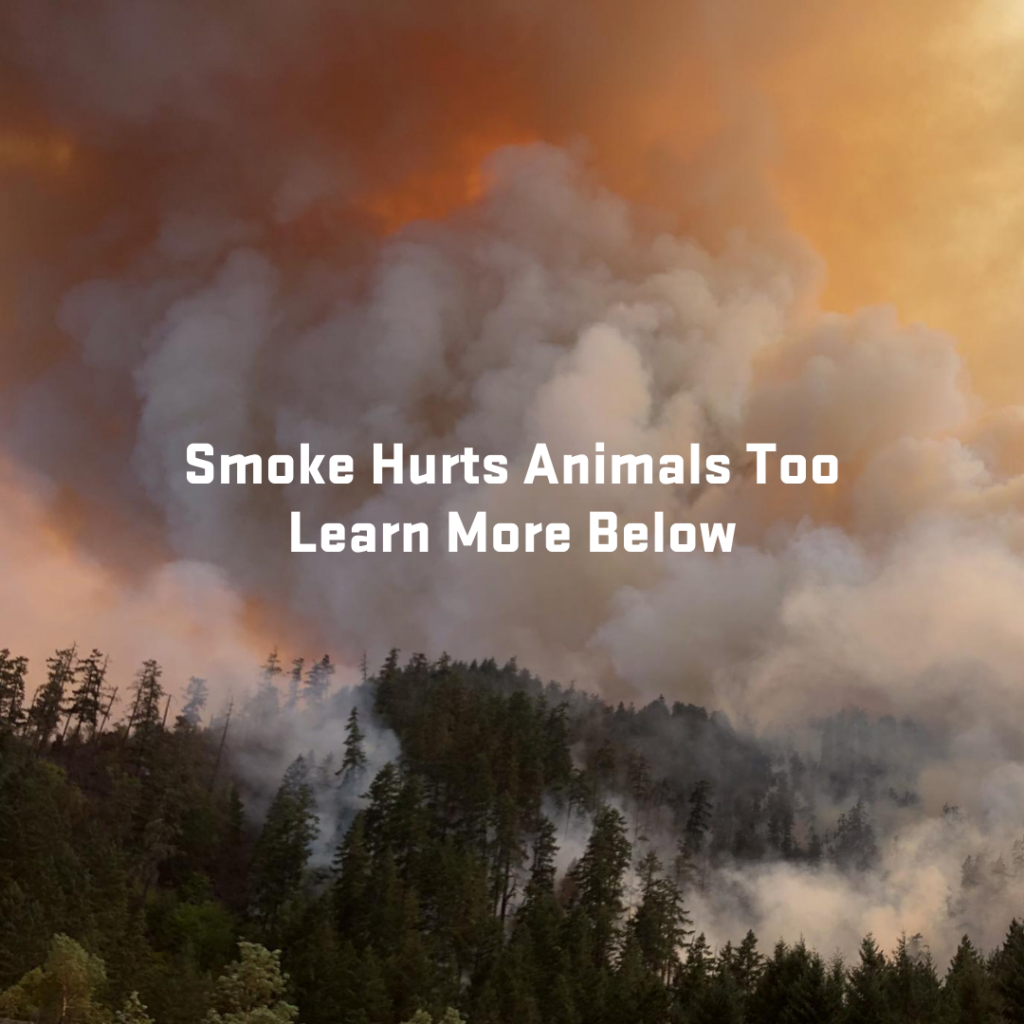
  To prepare for the launch of the OSU Extension Instagram I designed graphics, including an infographic about what farmers can do make to prevent fires and a graphic about how wildfire smoke can affect animals.


 Hi all!