Cores, Chlorophyll, Canada

It’s really awesome not being in 90+ degree weather.
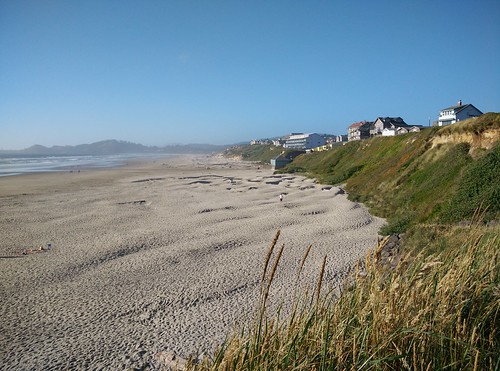
IMG_20150703_185851

Exhibit A

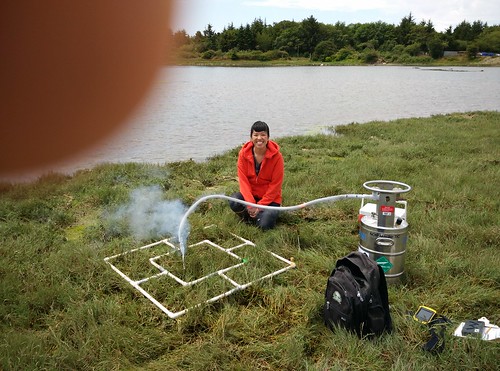
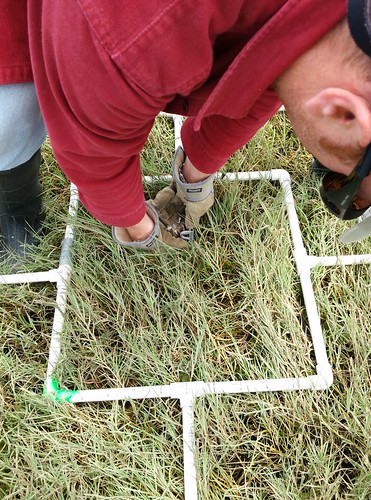
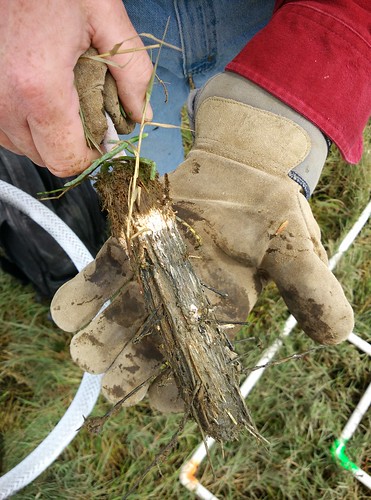
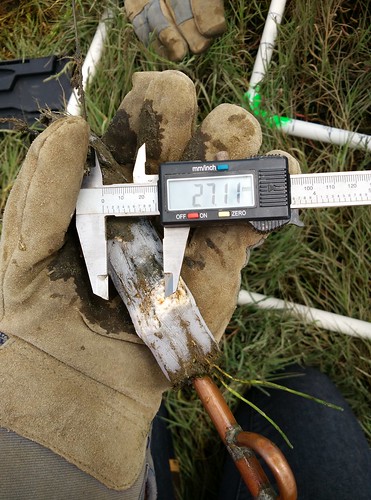
On Monday, some VIP EPA folks came down to the Newport office to poke around to see what our office has been up to (and to escape the heat too, I’m sure). Prior to my involvement/arrival, my mentor had developed a method for testing whether Oregon marshes were “keeping up” with rising tides by looking at marsh accretion. In eight different Oregonian estuaries, marker horizon method sites were implemented. By pouring on feldspar clay onto plots, an initial baseline is set. From then on, any time in the short or long term future a sediment core sample is taken, based on the distance of sediment accretion from the feldspar layer initially laid down, would tell you the amount of accretion happened in that period of time. To showcase the methodology, we drew a sample core from the marsh outside our office to show our visitors. Sediment cores are extracted using liquid nitrogen.
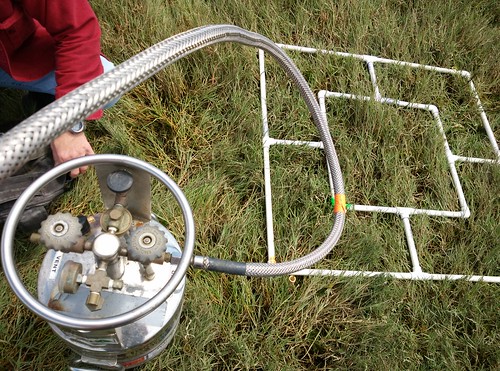
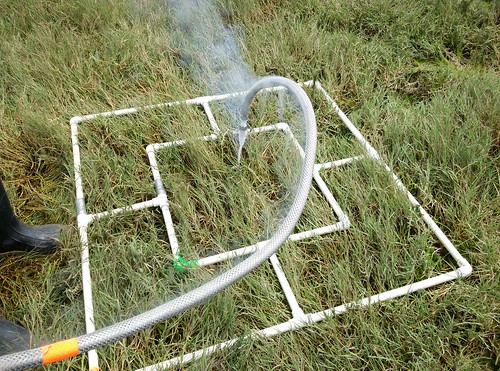
IMG_20150629_121442

IMG_20150629_122015
IMG_20150629_122049

IMG_20150629_122252

IMG_20150629_122307

IMG_20150629_122752

IMG_20150629_122939

By measuring soil accretion, we can quantify how much marshlands (which are critical habitats for wildlife, responsible for nutrient removal, and other ecosystem services) are being affected by sea level rise. Current estimates suggest a 2-3 mm annual rise. Based on our sample core, we exceeded that estimate– which suggests, the sea level rise is happening and affecting marshlands at a faster rate than predicted.

Something this visual is really valuable in showing those who might not have a science background the kind of issues we’re dealing with. I really liked this method of marshland accretion measurement because it is 1) simple 2) easy 3) effective 4) very visual 5) consistent, which I feel are good characteristics every good study and design should have.

I was only involved with the prep for the core sample demo, and instead, was a part of another demo happening in the lab. A study a post-doc working with Cheryl (my mentor) is working on, is the effects of macroalgae mats on cockle behaviors. It was super cool seeing another visual demonstration. We had a tank set up with a layer of sand and a few cockles doing what they do best– burrowing. While we had the cockles chilling and hanging out, we placed macroalgae mats on the surface of the water, and by inducing a psuedo low-tide (by slowly draining the water from the tank), we were able to observe the cockles’ behavior.

When macroalgae mats descend (!!!!) on cockles, the pressure from the weight of the mats induce the cockles to use their foot to essentially, “escape” and try to push themselves out of the sediment and out of the mats. The study they were presenting was super cool and proved that this behavior was due to pressure changes detected by the cockles, instead of chemical cues or any other factor.

For the rest of the day and the day after, I proceeded to finish my chlorophyll extractions in the fume hood. It’s always disorienting working in a fume hood in subdued/dark settings for a majority of the day and then emerge out of the lab caves and realize it’s still day time. But I love it– lab work is my calling. I hope I’m realizing it’s my calling instead of me going crazy under dark room settings.
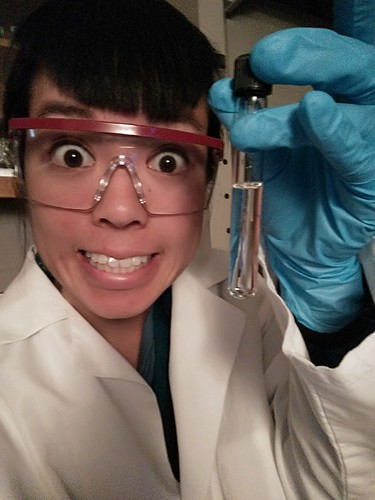
IMG_20150630_105001

Note: crazy scientist eyes

We got to go out to the field this week as well ! Siuslaw estuary is officially my favorite system. Working out in estuaries and seeing the gorgeous never-ending forest landscapes of the PNW, has really convinced me to buy a house boat and live on the waters with my dog.
IMG_20150701_140622

The night before fieldwork, the interns and I watched Bourne Identity, and I proceeded to have a uncannily similar nightmare soon after. I dreamt I was a fisherwoman on a boat in the Bering Sea and the boat capsized. The next thing I knew I was being pulled out of the waters and rescued with two of my crew. Looking down at my knuckles, I noticed stitches in the shape of an X. I freaked out and my crewmates told me to check the rest of my body. I lifted up my shirt and my crewmates exclaimed there was a branding on my back (Bourne-esque stuff here) and yelled, “DID THEY TAKE YOUR KIDNEYS?!” I then woke up to reality, in a sweat.

Why am I telling you about my weird nightmare?

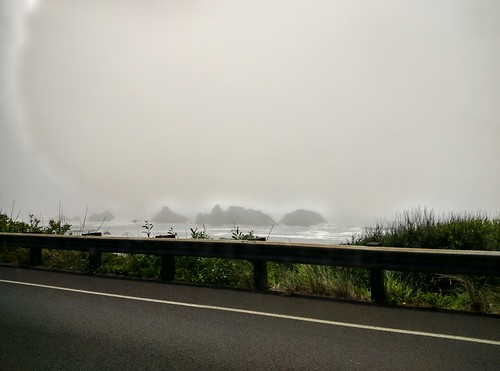
The beginning of the Siuslaw sample sets were in the marine layer and was very similar to an episode of Deadliest Catch. Except, maybe without all the storms….and the crabs…and the general fishing…and the extreme weathers in general. Maybe it’s wrong for me to compare my not-so-fair weather conditions with one of the riskiest occupations on the waters. But anyhow, there was wind and salt water spraying on my face and the boat was rocking and I was loving it. It was definitely one of the most intense fieldwork I’ve had thus far. It calmed down as we went upriver, so I didn’t have to endure for too long.
IMG_20150701_151319_HDR

en route to Siuslaw

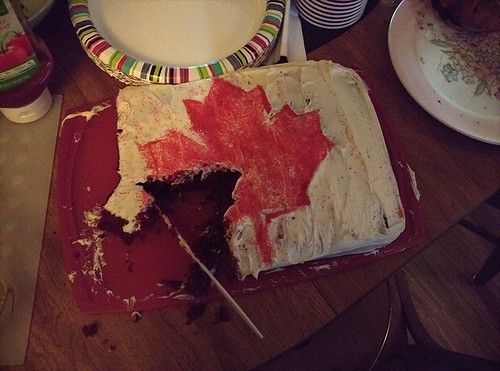
After fieldwork, the post-doc I work with back home (whom I’ve become super close friends with) ended up moving to Canada this past month, and she surprised me with a phone call to catch up! I thought it was such a coincidence since shortly after the phone call, the interns and I attended a Canada Day get together put on by one of the grad students at Hatfield. It was only appropriate for this cake to make an appearance:
IMG_20150701_213813_HHT

I learned a lot about poutine, Canadian hospitality, and the other grad students at Hatfield. Also, the ratio of dogs to people at this Canada celebration was amazingly high. If Canada is as fun as our Canada Day celebration, I wouldn’t mind spending some time there.

On Thursday, the EPA employees got to leave 2 hours early! Yay federal holidays! Yay working for the feds! Yaaaay!

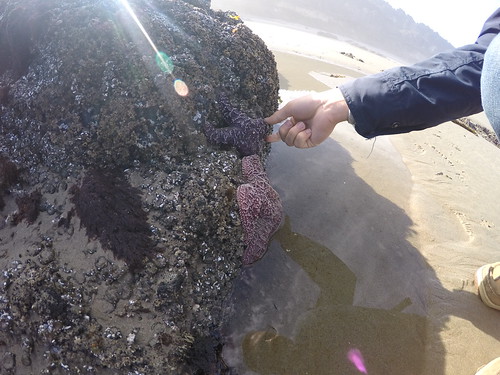
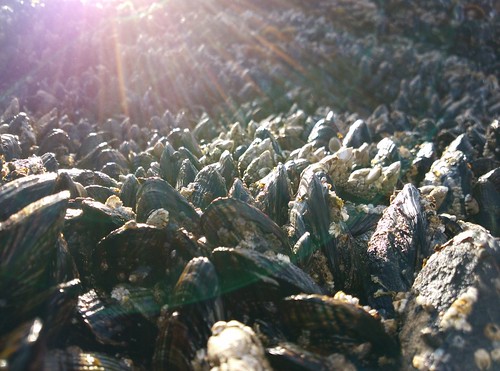
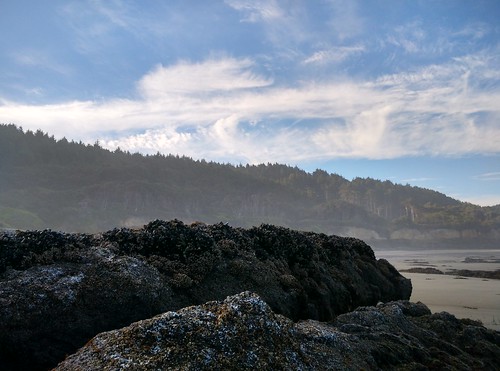
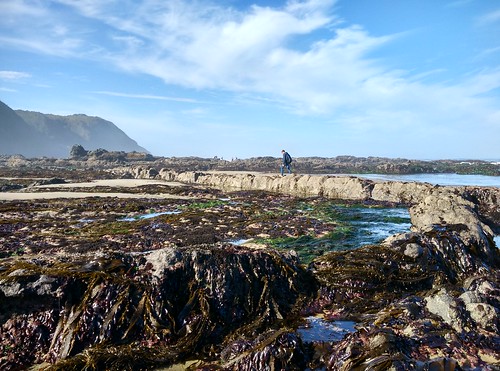
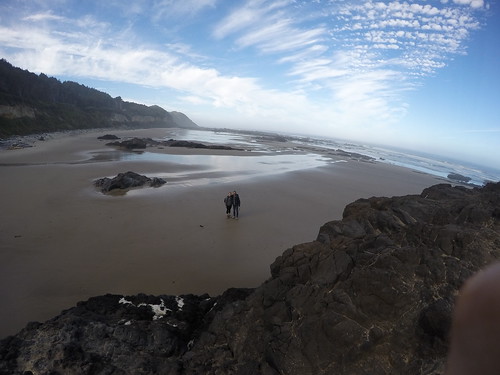
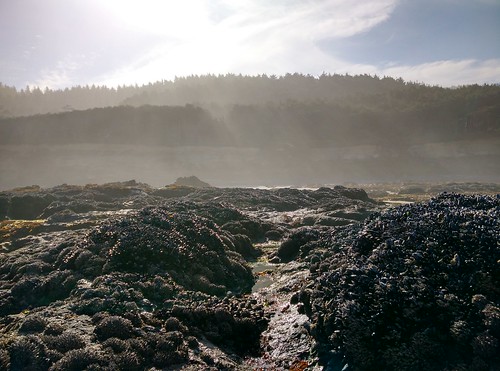
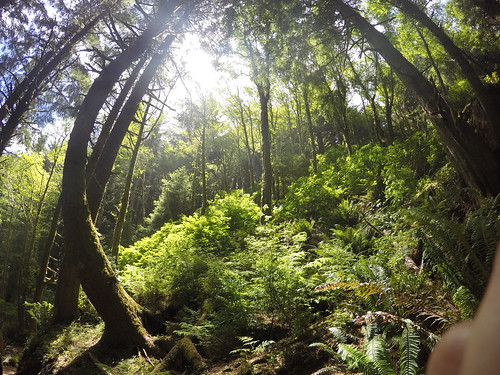
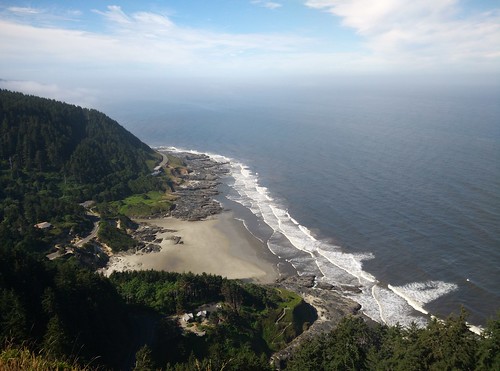
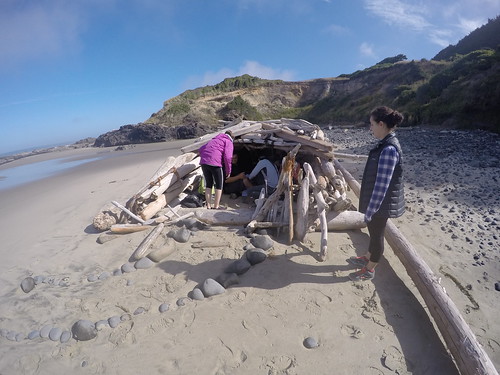
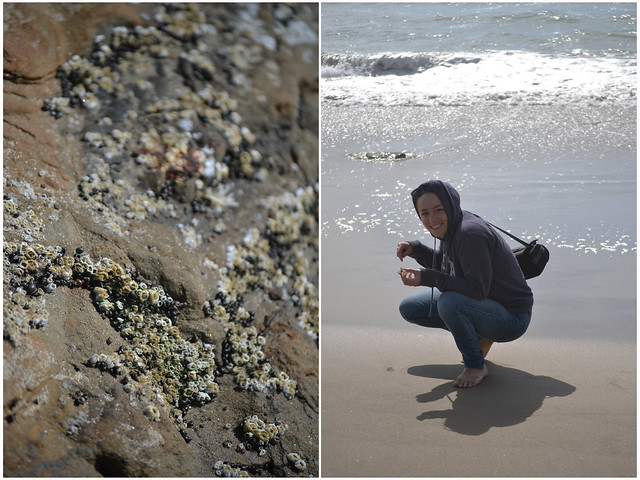
For the Fourth, the interns had the opportunity to go tide pooling (real verb, y’all) and hiking around Cape Perpetua! Listening to country while driving up a mountain, instead of hiking up to see the view was real American of us. But, we were able to hike on several trails at the top, so I got to soak in some good PNW forest-ness.

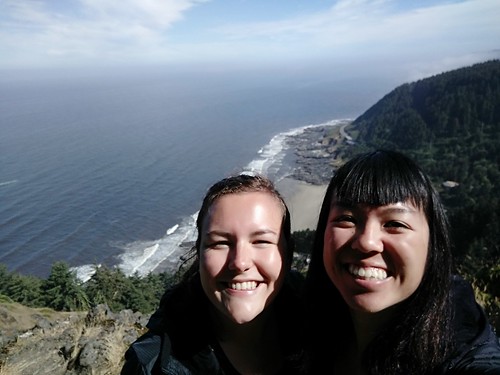
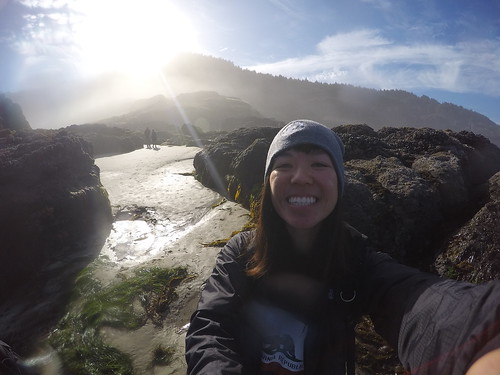
Here’s me being a dork on the Oregon coast:
GOPR1128

GOPR1122

IMG_20150704_081412

IMG_20150704_080955_HDR

IMG_20150704_083907_HDR

GOPR1115

IMG_20150704_085008_HDR

GOPR1169

IMG_20150704_081020

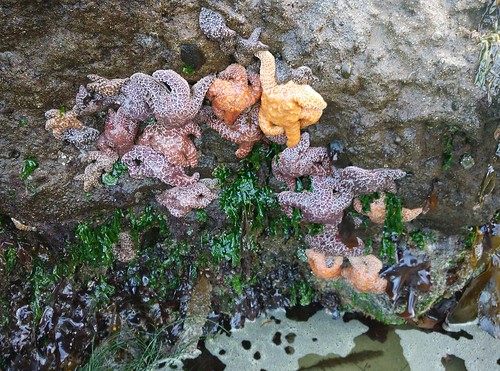
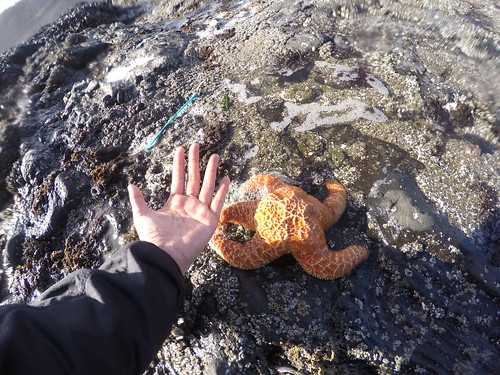
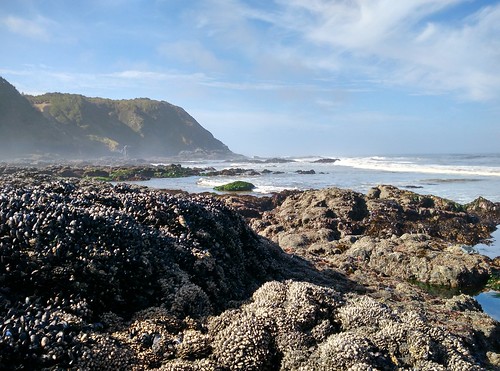
Adding Pisaster ochraceus to my goal list of species
IMG_20150704_085020_HDR (2)

IMG_20150704_095228

IMG_20150704_095257

GOPR1149

GOPR1156

GOPR1157

IMG_20150704_101122_HDR

GOPR1171

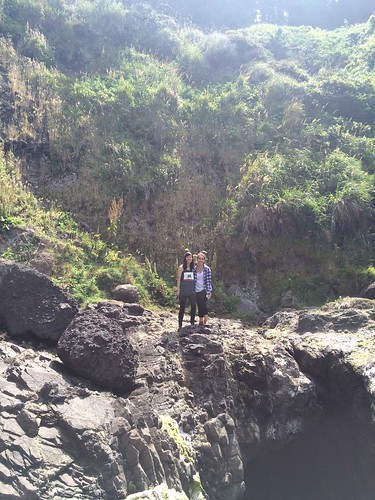
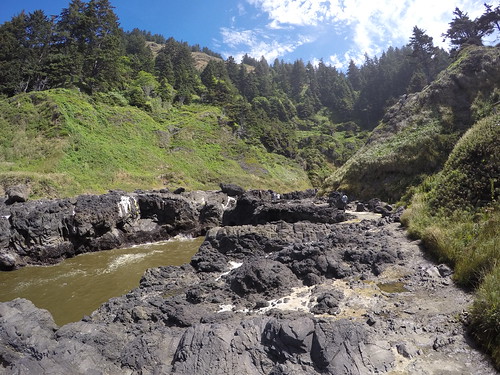
Then we got to visit Devil’s Churn on the way back…
GOPR1190

GOPR1194

SAVE_20150704_153819

IMG_20150704_211329_HDR

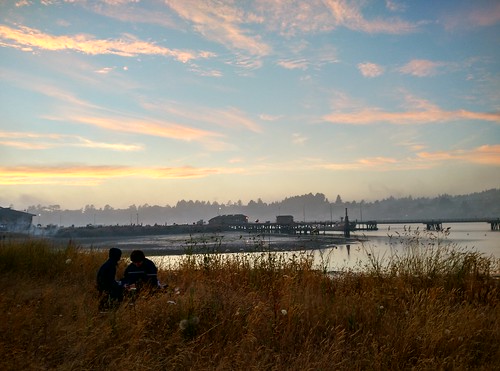
Waiting for the fireworks to start over the bay

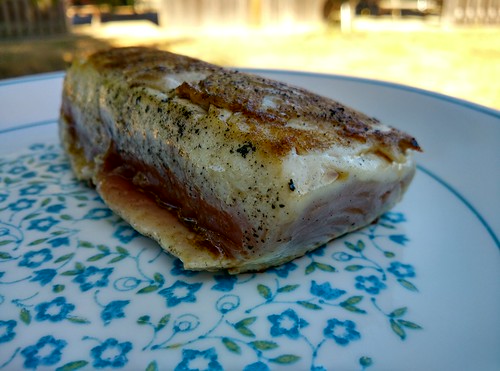
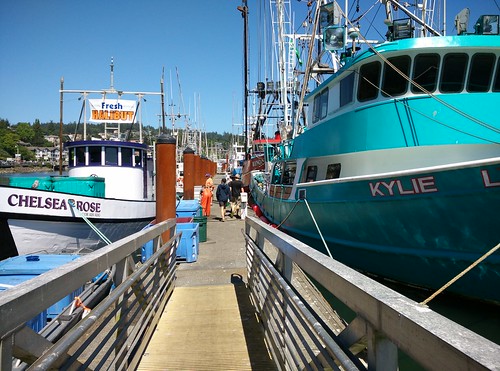
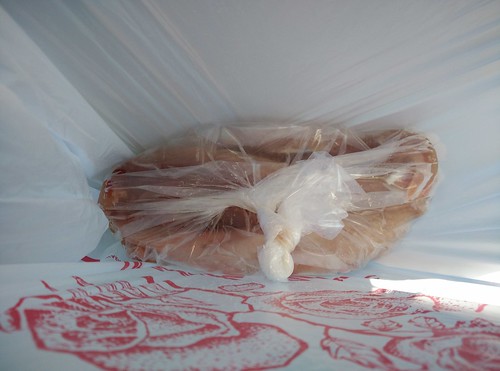
Thanks to the Chelsea Rose (pictured below) and some well-weathered fishermen, we bought the freshest albacore tuna, right off the dock. I try my best to strive to obtain all my food as locally as possible, with the least food miles tacked on– but I’ve never had the opportunity to buy fish, the freshest possible way. We’re definitely spoiled around these parts.
IMG_20150703_152223

IMG_20150703_153754

Before

IMG_20150703_165722_HDR

After

Mmmmm… seared to perfection.

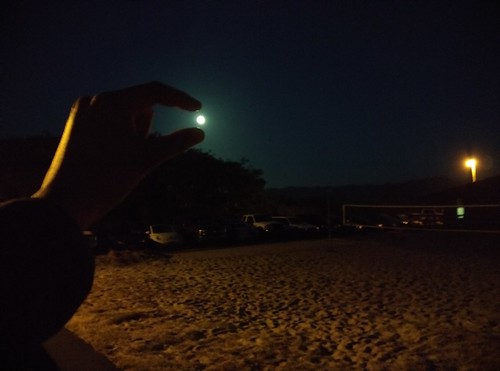
Enjoy a couple more photos of life at HMSC:
IMG_20150701_220334_HHT

IMG_20150702_204554_HDR (2)

Until next time…


Do you have a moment?

Would you help us improve our customer service by completing a short survey?

How many times have you been asked this question? How many times have you been the one asking it? The number of times I have asked someone to complete a survey has increased considerably in the last three months.

In May I asked all participants in the science-stakeholder engagement portion of the Willamette Water 2100 (WW2100) research at OSU to complete an online questionnaire about their participation in, expectations of, experiences with, and outcomes from WW2100. After inviting all 238 members of the WW2100 listserv to participate in my survey, reminding them, and then reminding them again, 137 WW2100 participants took the time (approximately 30 minutes) to thoughtfully respond to my questions. 137 respondents out of 238 invited is a respectable response rate of 48%. The questionnaire was about 30 questions long and looked something like this:

Qualtrics

In my last post I shared about conducting interviews of select participants in WW2100. Using more than one method to gather data is called a ‘mixed methods approach’ and can deliver more robust results because they were found by more than one way. That is what I intend to do with my qualitative interview data and now my quantitative survey data.

Qualitative data analysis can be done in several ways but I have chosen to use a ‘fancy highlighting program’ called MaxQDA (description credit to Sarah Calhoun, MRM, OSU). This program allows a researcher to identify relevant text and organize it according to codes, or repeating ideas, which can then be displayed together on request. I have just completed my second pass of coding (identifying repeating ideas and organizing them into themes) so that now when I open MaxQDA on my computer, it looks something like this:

Concepts that emerged in the qualitative data can be assessed quantitatively using the survey data. I would like to share some (very) preliminary results from my analyses with you. One challenge that consistently emerged in the interviews was that participants held different expectations for the roles that stakeholders and research team members would play throughout the process. However, although the survey results indicate that stakeholders and research team members were expected to fulfill different roles, stakeholders and research team members did not differ in their expectations for each other. That is, albeit preliminarily, there was not a quantitative difference in expectations for the role of stakeholders and research team members. I’ll have to explore this challenge more.

Another aspect of stakeholder engagement that my survey can really illuminate involves the outcomes of having participated in such a process. My survey measured participant concepts of model utility (the scientific results), process utility (was it worth the time?), feeling heard, and understanding. I then correlated these concepts with a participant’s participation in the project. All four concepts were significantly positively correlated with participation. This means that individuals who reported greater participation also reported greater perception of model utility, process utility, feeling heard, and understanding. How neat is that?!

There is still a lot of work to be done but the data are in and now all that is left is to make sense of them. I split my time between the words of my interviewees and the numbers from my survey. Together they will tell a complete story of the WW2100 science-stakeholder engagement process which can then be read as an example for future engagement projects. Stay tuned for the final results and presentation!

Getting Started

It’s Monday morning of Week 4, already! Last week was cut short by the three-day weekend that came with Independence Day, but it was productive nonetheless. On Thursday, I hooked a ride to Newport and spent the afternoon on my first interview, at a CV workshop, and attending the weekly seminar at HMSC. It was a great day, all around, and I was happy to see a few of the other scholars, again, and to be able to attend the afternoon talk from Laurie Weitkamp on salmon in the Pacific Northwest. Today, I’ll be spending some time listening to and transcribing portions of the conversation I had on Friday, and trying to figure out what I can do to improve my next interview. I’m waiting to hear back from a number of people I emailed at the end of last week, so my calendar should continue filling up!

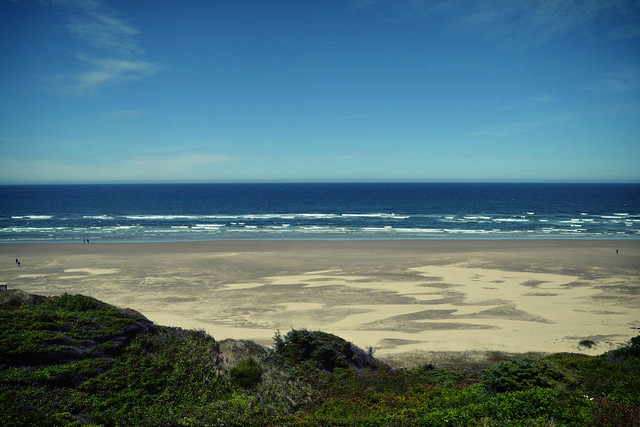
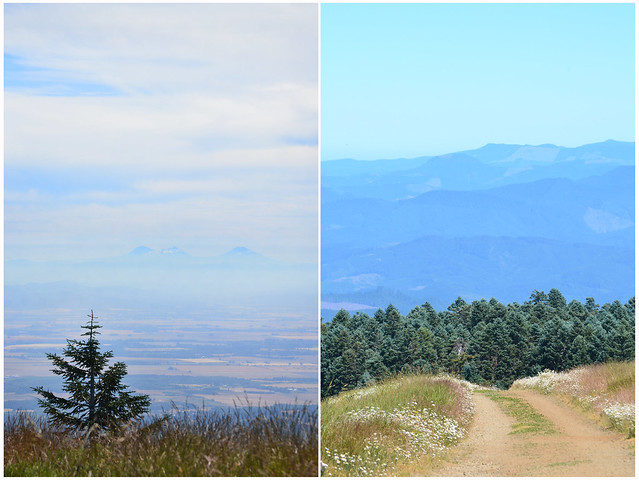
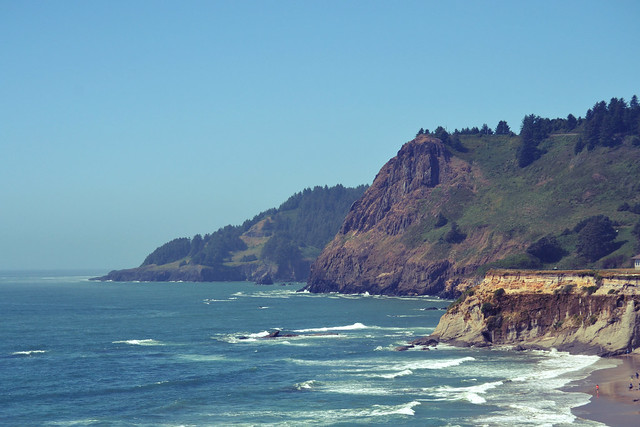
NewportAlthough I’ve been over to Newport three times, already, it has always been for work and I haven’t seen much outside of HMSC. I finally got the chance to explore the coast a bit more this weekend when my family came up from California for Independence Day! We went up to the top of Mary’s Peak–the highest point of the Coast Range, at 4,097 feet–and then spent the afternoon just north of Newport, exploring the beach and some impressive geological features at Devil’s Punchbowl State Park. Agate Beach was incredible that evening, as well, with its dunes on the upper beach and the flats sloping off into infinity at low tide. One of my goals for the summer is to read two natural history books on the Oregon Coast; seeing more of the coast this weekend got me excited, and I’m hoping to find some good reads at the library this week. Mary's Peak Devil's Punchbowl State Park

Devil's Punchbowl State Park


Week Three: (Sea)stars and Stripes

This past week has been very exciting! A new intern came to work in my office and it has been a lot more interesting having someone to share my eight-hour day with. Anthony is a pathways intern from California and it’s his first time in Oregon, so we have been showing him around. This past week I have been finding aragonite saturation thresholds for decapods (i.e. crabs, lobsters, shrimp). I needed to find low, moderate, and high values. So a low aragonite saturation value, would have a high impact on calcifying organisms, and a high aragonite saturation value would have a lesser impact. The less aragonite in the ocean, the harder it is for organisms to calcify, so they have to devote more energy to calcifying and less to other things, such as growth. Thus, if an organism has trouble growing because the aragonite saturation state, the impact would be less than if the aragonite saturation state has caused the organism mortality. Based on the literature, we decided 1.5 would be an appropriate low-impact threshold and 0.9 would be a high-impact threshold. We could not find anything that supported a moderate-impact threshold, so we just averaged the low and high numbers and used 1.2 as a moderate-impact threshold.

In addition to working all week, the interns went on many adventures. We had another bonfire on the beach on Thursday night and spent our day off on Friday relaxing at the Bayfront. On the fourth of July, we got up early to see the tide pools during low tide at Strawberry Hill. We saw starfish, urchins, anemones, fish, crabs, and seals! It was so amazing to see all of the marine life in the wild!

Untitled

Afterwards, we went hiking near Cape Perpetua, went to Devil’s Churn, and stopped by a flea market in Yachats. We got back to Hatfield by 1 and got all showered and fed for the small Independence Day party we had. The day was completed with fireworks overlooking the bay.

Untitled

We worked during the week and played during the weekend, a week that was perfectly balanced.

Pit Traps for the Mudflats

This week was great for field experience. I spent a majority of the time working in the mudflats deploying pit traps (24 in total). Multiple field days, waking up at the early hours, and trekking through the mud has been both tiring and rewarding. I have learned about capture methods for crabs and also have been looking into new methods for panoramic/stereoscopic filming (will have more information next blog). Also it has been long awaited, but in the middle of this coming week I will have some video footage of the crabs from the experimental pit traps from last week. Found some very interesting footage of a crab which, from what we believe, is trying to crack open his shell to molt. Spending the 4th of July in Oregon was wonderful as well. The fireworks show may not have been an Indiana show, but it was definitely enjoyable.

Example of pit trap for size selection of Dungeness crabs

Endless Oppor”TUNA’ties

Week three is officially over and I can very confidently say that this has been my favorite week of working for the Marine Reserves Program, hands down. The week consisted of three days of field work and stability and deadlines for some of the goals that I want to achieve while here in Newport.

As I talked about the previous week in my blog post, I was able to go out SMURFing on Monday morning. This turned out to be a lot of fun even though we had an early wake up. During this excursion, my job was to replace each of these larval recruitment nets (SMURFS as they call them), and bring the ones that were already deployed back in to sample. When the nets come up on the boat, they water is dumped on them and they are shaken to attempt to retrieve juvenile fish from them. From there the fish are measured and counted. It is a way of monitoring the recruitment of fish in the marine reserves and the comparison areas. There were a total of eight SMURFS to retrieve and replace, four in the comparison area (Cape Foulweather) and one in the Otter Rock Marine Reserve. We were done by ten in the morning and the process is very straight forward so it didn’t take long.

The week continued to get better and on Tuesday, Sarah (the other Marine Reserves intern , Christian (our supervisor) and I were able to go to the aquarium and snorkel in the tanks. I cannot get over how amazing this was and the fact that as a kid this was my lifelong dream whenever I went to the aquarium….besides meeting Keiko.  For the most part, our reasoning for going was to help us identify the rockfish species that live off the coast so when we score videos, we will be more confident in the fish we are identifying. I also think they just wanted us to have some fun. :)

11665835_1111062602240965_734369212_o

But wait, there’s more. Thursday we went sea star sampling at Otter Rock Marine Reserve! During this time, we looked for sea stars in the intertidal area of the reserve and categorized them as either healthy or diseased with sea star wasting disease. The amount of sea stars in the area has decreased dramatically due to this, yet during the time monitoring, we found one that could be categorized with the disease. In the long run, I realize that office work will be a big part of the job as well, but for now, I am really enjoying being able to go out in the field so much!

11665975_1111062682240957_593509890_o

One of the best things that I enjoy about this job is the fact that on Wednesdays they have soccer! For an hour during lunch for the past two weeks, I’ve gotten to play pick up outside on the lawn by the dorms. It’s been fun and definitely a good way to get out of the office for a bit, plus I LOVE playing soccer. The only downer is a lot of the World Cup woman’s soccer matches have been at four so I haven’t been able to watch them as much as I’d like. Although right now I am currently watching the final and the US is doing work. Hopefully when I write next week I will be able to say that I watched a US win!

11717141_1111062712240954_838999504_n


Prepwork

Week two effectively started to push me outside my comfort zone. After a week of background reading to get myself acquainted with the history, organization, and workings of Sea Grant, I found it was time to jump into the task at hand. That is, I needed to start figuring out who to talk to this summer, what information I’m interested in, and how to effectively compile that data.

I say that this has pushed me outside of my comfort zone because my background and undergraduate training is in natural science from the academic perspective. The type of reading I’ve done is biological primary literature, and the type of work I’ve done is field monitoring and lab research. To plunge into the matter of collecting qualitative information through interviews and grapple with evaluating that data to produce an evaluative report is a totally new endeavor for me. I feel both excited and terrified (don’t worry, the terror is wearing off with each work day).

In my reading this week, I have found the literature on engaged scholarship and evaluation to be both interesting and helpful. Some of the conceptual flow charts and evaluation matrices I’ve come across are helping me build a framework for moving forward. Additionally, I had a long conversation with a friend of mine who has a background in anthropology, ethnography, and the collection of information through oral interviews. Her perspective, advice, and excitement was really helpful and gave me a big boost in confidence!

I’m feeling ready to sit down for some conversations! I’m excited about the opportunity I have to talk to a wide range of people this summer–researchers, extension agents, Sea Grant staff, OSU outreach and engagement personnel, and perhaps some community stakeholders. The experiences and perspectives people will share should be varied and fascinating. I’ve already sent out my first batch of emails and am prepared to fill up my calendar and hit the road (whether on foot across campus, or by car to the coast)! I’ve got one meeting set up so far, and lots to go.

Apologies for the lack of media this week–the inside of my office hasn’t changed much since the last post, but I’m sure I’ll have more beautiful things to share in due time. Stay tuned.

A Sea Grant Update from C-MORE

Hello Sea Grant community! This is a blog update from the Center for Microbial Oceanographic Research and Education (C-MORE) at the University of Hawaii at Manoa, where I’ve been participating in a summer training program for the last five weeks. The course, “Microbial Oceanography: Genomes to Biomes,” is offered to graduate students and postdoctoral scholars with interests in marine microbiology and biological oceanography. As an Oregon-based zooplankton ecologist, I felt like a bit of an odd duck in a microbial oceanography training program in the oligotrophic North Pacific subtropical gyre. But, since I study predator-prey interactions, and my study organisms (appendicularians) feed on microbes, I decided I would benefit from a more comprehensive perspective of the prey. The C-MORE summer program provided the idyllic introduction to microbes, including a weeklong research cruise aboard the R/V Kilo Moana, during which we measured processes such as bacterial production using tritium-labeled leucine incorporation, primary production using 14C, cell types and abundances using flow cytometry, and particulate carbon and nitrogen flux using sediment traps.

IMG_1930

Preparing to deploy sediment traps aboard the R/V Kilo Moana at Station ALOHA in the Pacific Ocean north of Hawaii.

I’m excited that my work with microbes will continue in Oregon through the support of a Julie and Rocky Dixon Graduate Innovation Award, a fellowship designed to support Oregon doctoral students who are interested in pursuing innovative, “nontraditional” career development experiences. I received the fellowship to extend my collaboration with Oregon Sea Grant to develop an educational exhibit on marine microbes. Through my research, I plan to produce a collection of microscopy images of the ocean’s more abundant microbes (e.g. Synechococcus, Prochlorococcus, Pelagibacter, Ostreococcus), which can then be an educational tool, promoting public understanding of the critical role of bacteria in marine food webs.

One of the microscopes I plan to use to produce such images is an Atomic Force Microscope. I just began training on our instrument at the University of Oregon.

AFM

The Atomic Force Microscope at the University of Oregon

The microscope is rather finicky, and I’m still working on the best technique for immobilizing cells, but if you squint hard enough at my first image, you can detect the spherical outline of a microalga cell.

First AFM image

My first Atomic Force Microscopy image of microalgae cells (less squinting required in future iterations)

For the love of science…

(marine) Science isn’t always about going out and exploring new environments, seeking out new samples and data or boldly going where no marine scientist has gone before. A large part of science is what we call “meta-analyses.” That essentially means taking data others have already collected (usually from many other studies, and conducting analyses (usually statistical) to draw new conclusions. It’s a valuable part of modern science because it cheaply and effectively synthesizes a large amount of information (sometimes hundreds of papers) on a given topic and allows other researchers to more quickly push in new directions. My research this summer, while not quite a meta-analysis, involves reading a large amount of research on what is called “Blue carbon,”  or the carbon stored by marine ecosystems (i.e. mangroves, marshes, and seagrass) and compiling data from the papers I read. My first week of mild confusion gave way to a second week with a more direct goal. We’ve finally (most likely) decided to focus my case study on seagrass blue carbon and the transferability of those particular ecosystem service estimates. Right now we are “playing” with a massive 3660 row spreadsheet and we are going to see where that takes us…more on that next week.

In other news, I visited my first West Coast capital this weekend with a few of the other scholars. Portland has a lot to offer no matter what your interests: it’s a foodie paradise (from Blue Star Donuts to the plethora of food trucks), its a hipster homeland (Toms’ store, Saturday market, Buffalo Exchange), and perfect for the all-around character (Saturday market, Powell’s books, the naked bike ride). We also were sure to visit the Tigard farmer’s market before returning to Newport.

As for the Hatfield Community–I’ve definitely settled in comfortably, besides the imminent threat of tsunami-induced annihilation. Actually, on that note, this past Friday the Hatfielders participated in a “Run for the Hills” Tsunami drill. I’m proud to say my mentor (Melissa) and I were the first ones at the top of the hill in just 10:30. That bodes well if the mega-earthquake, caused by the Cascadian Subduction Zone, were to occur…but I’m hoping it waits at least 8 more weeks. On a more positive note, each week has a lot  of engaging activities including Wednesday donuts, Thursday lectures, pick-up games of ultimate frisbee after work, not-so-infrequent trips to the crab shack down the road, and soon-to-begin workshops focusing on CVs, cover letters, etc.

The summer is shifting into gear and I’m looking forward to Fourth of July weekend in Newport…although a Rodeo in the valley could also be a possibility…