Hello!
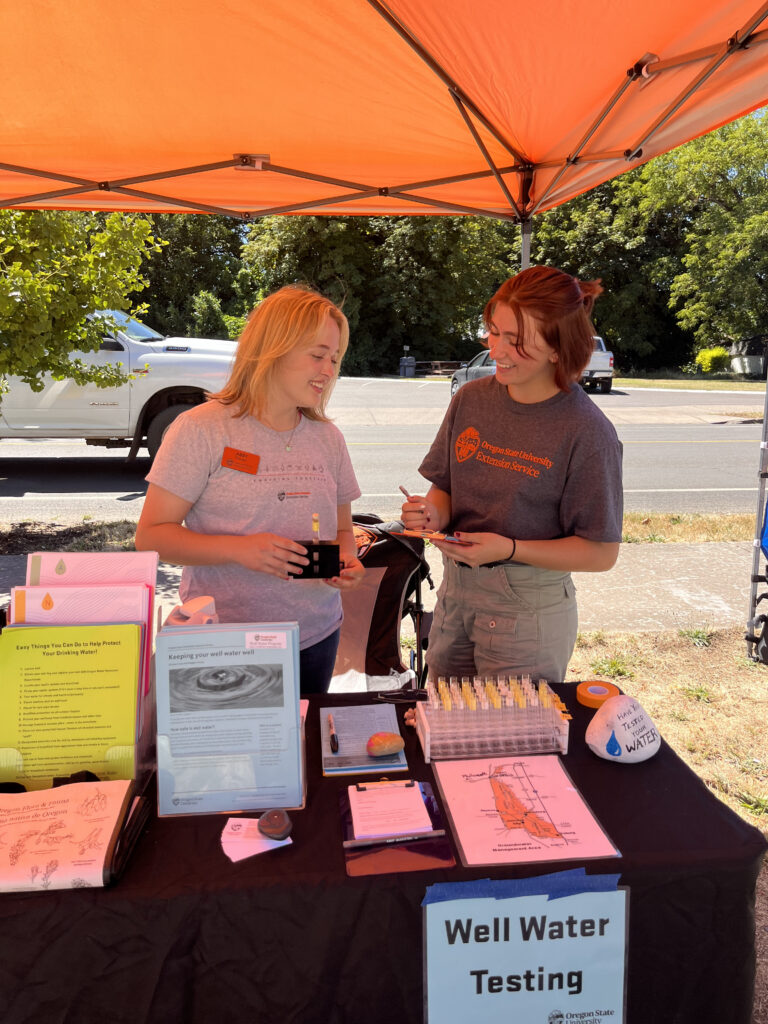
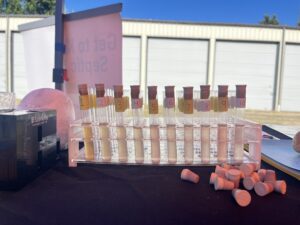
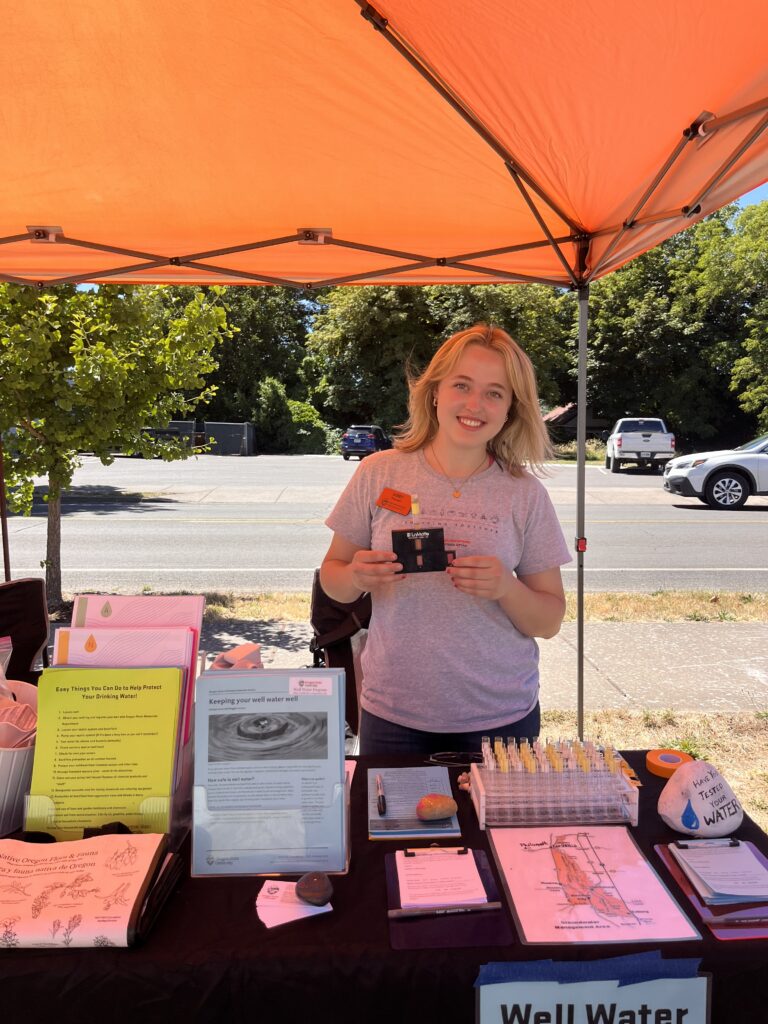
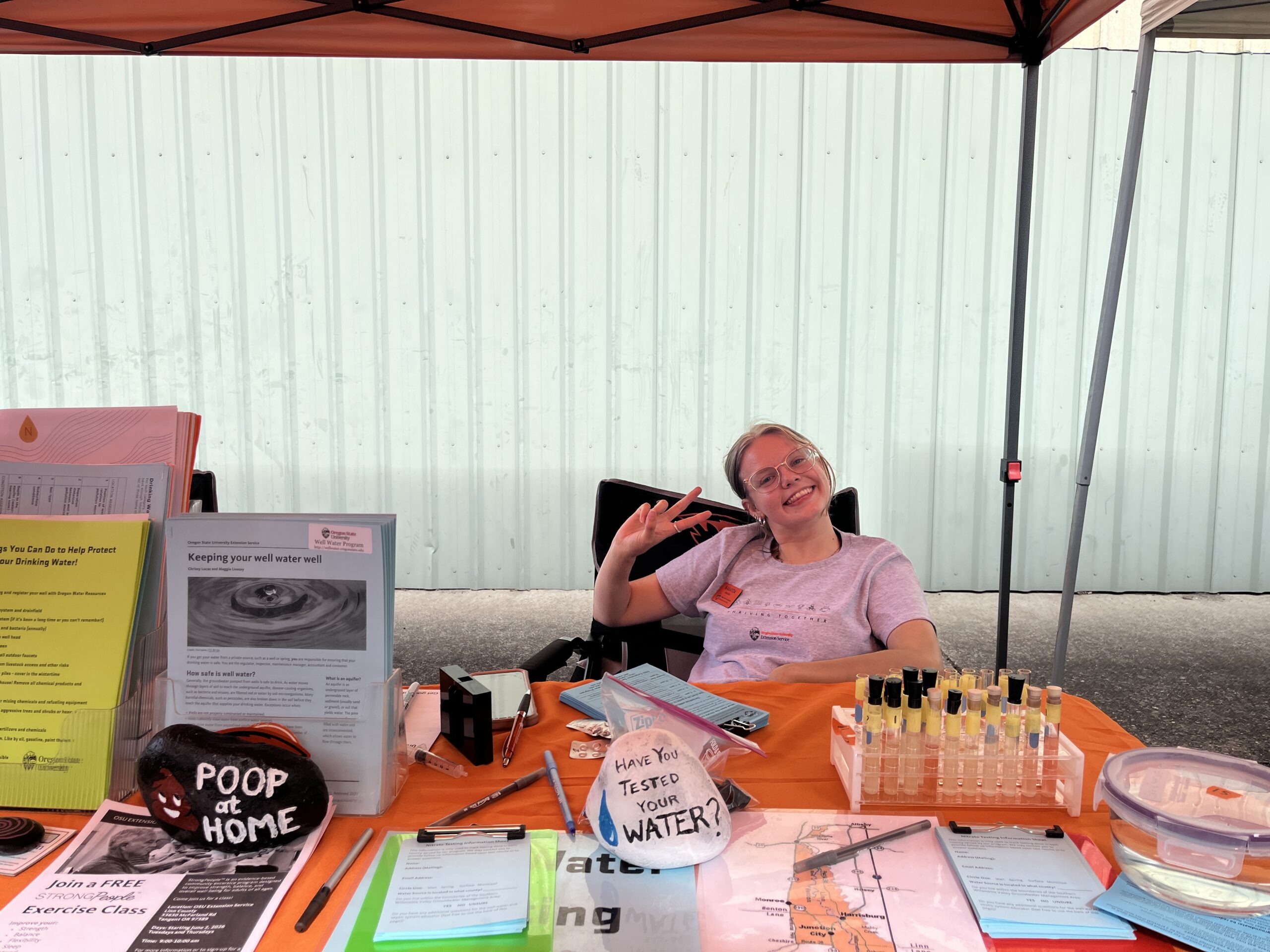
As summer comes to an end, I want to reflect on my experience testing well water for nitrate as part of the Groundwater Protection Program. When I started this internship, I knew it would be a great opportunity to engage with the public on critical water issues. I expected my main takeaway to be learning how to communicate scientific information to non-experts. While I gained plenty of experience in that area, I learned an even more valuable lesson: how to deliver bad news with empathy and optimism.
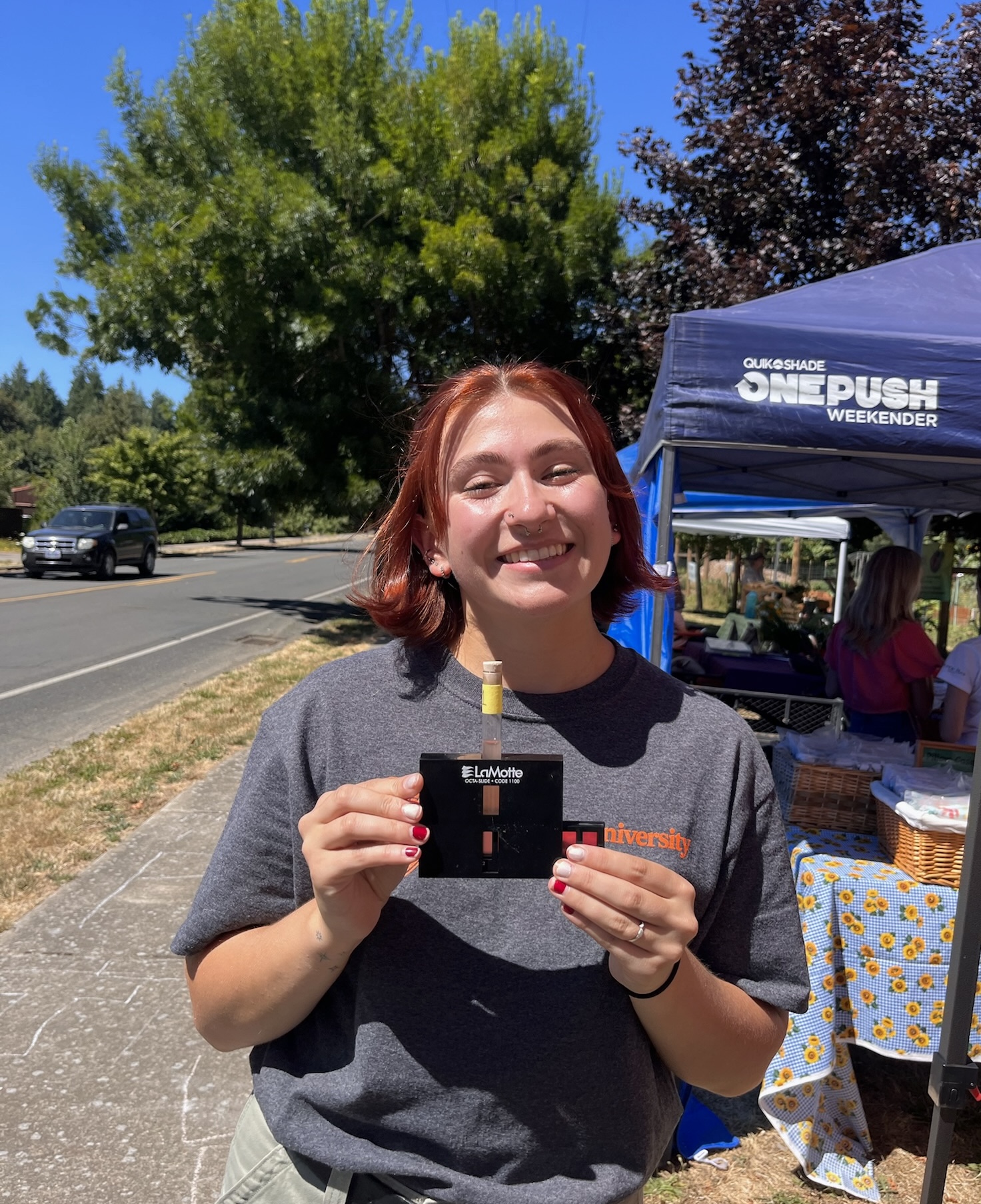
At nitrate testing clinics, I am not just sharing data; I’m communicating science that affects people’s health, family, finances, and quality of life. I learned to discuss difficult findings in a clear and evidence-based way while also acknowledging individual situations and struggles. This can be challenging, but is also immensely rewarding.
Mixed in with the hard conversations, I also witnessed the legacy of the Groundwater Protection Program. One person who had tested high for nitrate at a previous clinic came in this year with two new water samples. One was taken before filtration and one after. I tested the samples, and the difference was striking. The pre-filtered water still showed high nitrate levels while the filtered sample had no detectable nitrate. Because of our clinic, they learned about the issue, followed treatment recommendations, and now have safer water for themselves and their family.
Balancing the difficult news of high nitrate levels with the relief of a clean test result is hard, and I learned that the good and the bad often go together in community engagement. The lessons I took from this summer will stay with me throughout my future career. I am grateful to OSU Extension for creating space for me to grow into a more thoughtful, well-rounded science communicator.
- Colleen Lovdokken