Cross-kingdom nutrient transfer
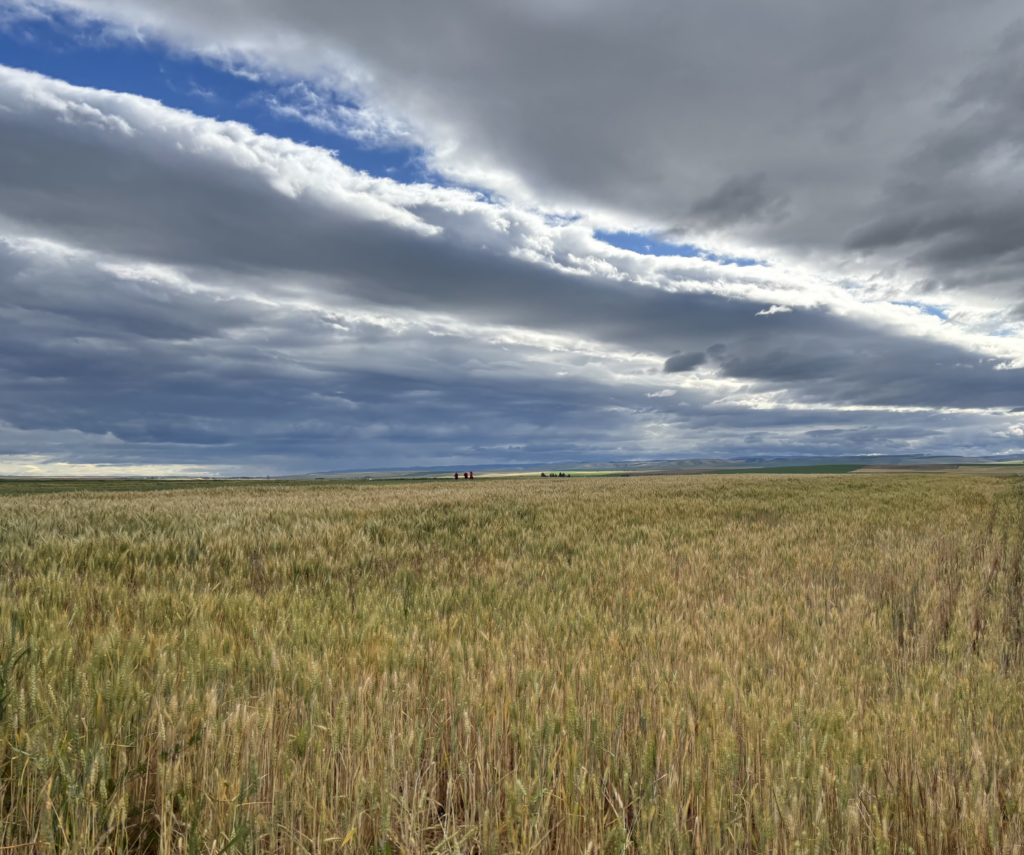
Current research in our lab investigates carbon transfer between the fungal pathogen Verticillium dahliae and soil bacteria during early infection of potato. This project leverages DNA stable isotope probing in a controlled greenhouse environment to identify facultative or putatively antagonistic interactions between V. dahliae and bacterial taxa associated with diverse management regimes, including fumigation, organic amendments, or diverse 3-year crop rotations.
We are grateful to the Northwest Potato Research Consortium for supporting this work.
Root-microbial dynamics in perennial agroecosystems
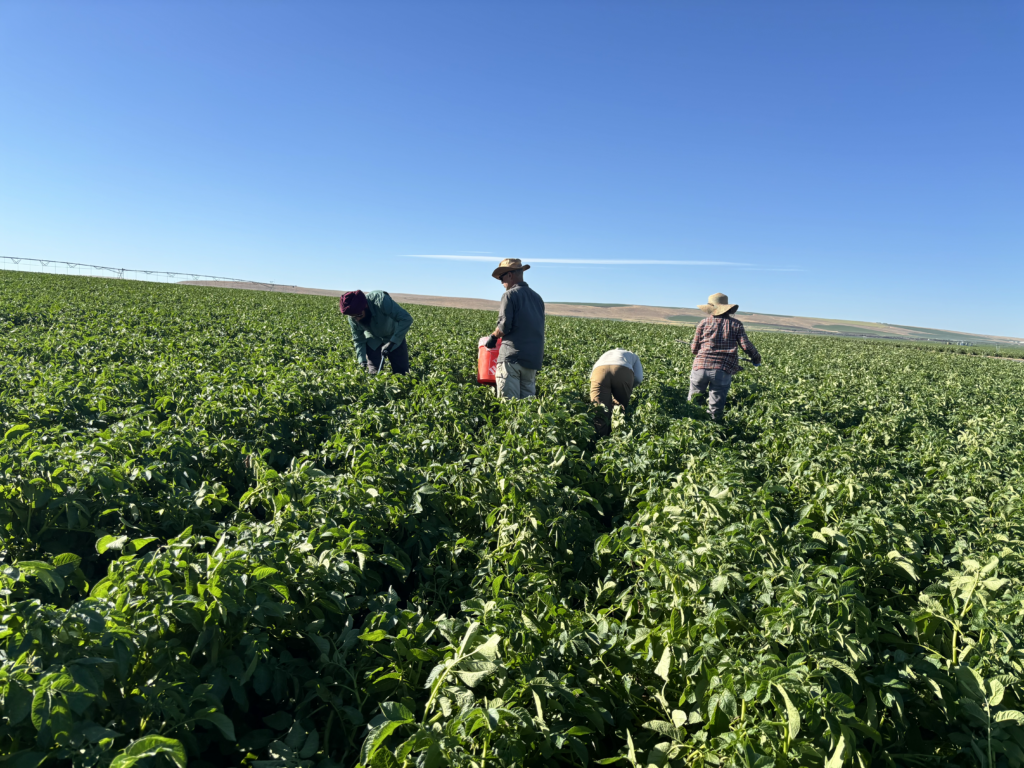
This research investigates how root-microbial associations develop and shift across the lifespan of long-lived perennial crops, contrasting these dynamics with the comparatively transient partnerships formed by annual plants. Emergent work in our group seeks to understand how the temporal dimension of perennial root systems structures microbial communities to support more efficient and sustainable nutrient cycling. We are particularly excited about using this understanding to integrate Kernza into existing PNW food systems.
Predictive AI leveraging microbial signatures
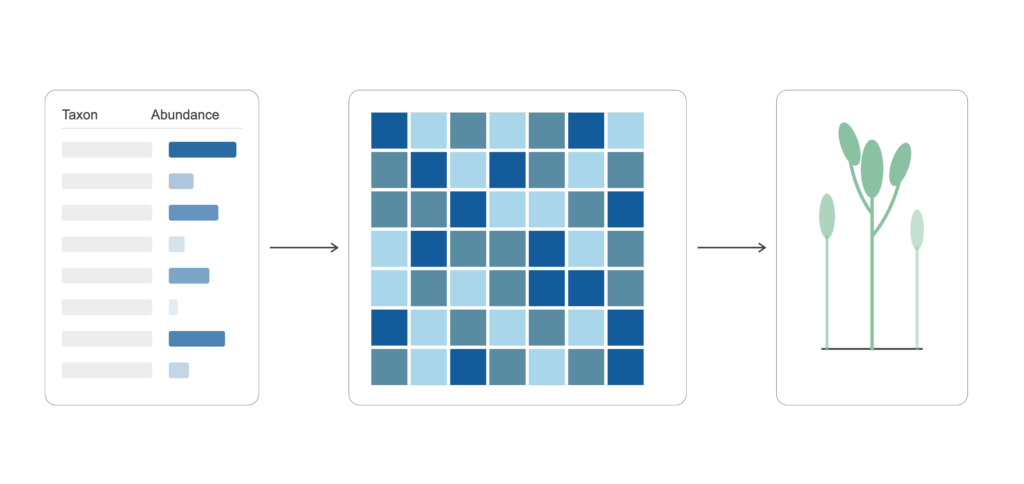
In collaboration with the Precision Agriculture Innovation Center at OSU, we are investigating novel methods to transform microbial community profiles into a data format amenable to advanced AI models. Our ultimate goal is to build a statewide microbiome database for predictive modeling applications to guide grower decision-making in irrigated and dryland wheat production.
Soil health
Mechanistic relationships between microbial diversity and ecosystem function are poorly understood. Leveraging long-term research experiments located at the Columbia Basin Agricultural Research Center, emergent research in our lab seeks to understand legacy impacts of management on microbial food webs, with implications for carbon stabilization and nitrogen use efficiency.