By: Michelle Le
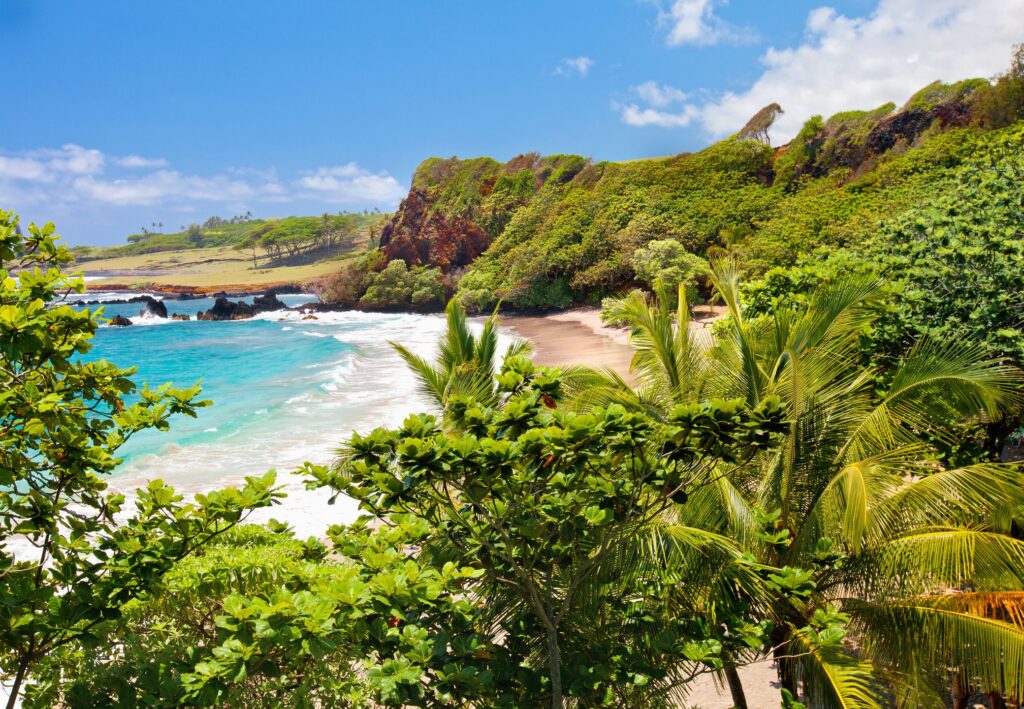
Tourism brings people into direct contact with Maui’s natural environments, which can lead to adverse environmental impacts. Below are three key environmental issues linked to tourism activity, including how they happened, what causes them, and who is affected.
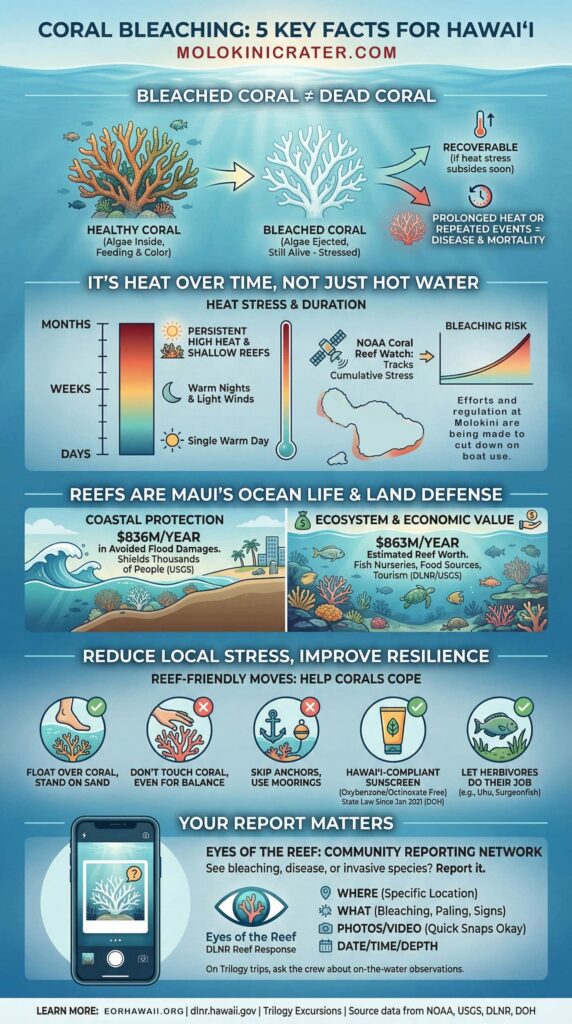
Coral reefs around Maui are under increasing stress, and tourism activities are one of the main contributing factors. These reefs are extremely important ecosystems that provide habitat for many other marine species and help protect coastlines from erosion, yet they are highly sensitive to disturbance. Tourism activities like snorkeling, diving, and recreational boating bring visitors into close contact with reef environments, where people may accidentally kick or step on coral while moving around. These activities can also introduce harmful chemicals from sunscreen into the water. Boat anchors dropped near reefs can scrape and break fragile coral structures. The ecological consequences include coral breakage, reduced reef growth, and coral bleaching, which can lead to declining biodiversity in reef ecosystems. As reefs become degraded, they also are less resilient to other stressors like climate change and ocean warming. The impacts extend beyond marine life, affecting local economies and fish populations that heavily rely on health reefs for fishing and tourism, while also threatening ecosystems that hold cultural importance for Native Hawaiian communities (Lin, Zeng, Asner, & Wilcove, 2023).
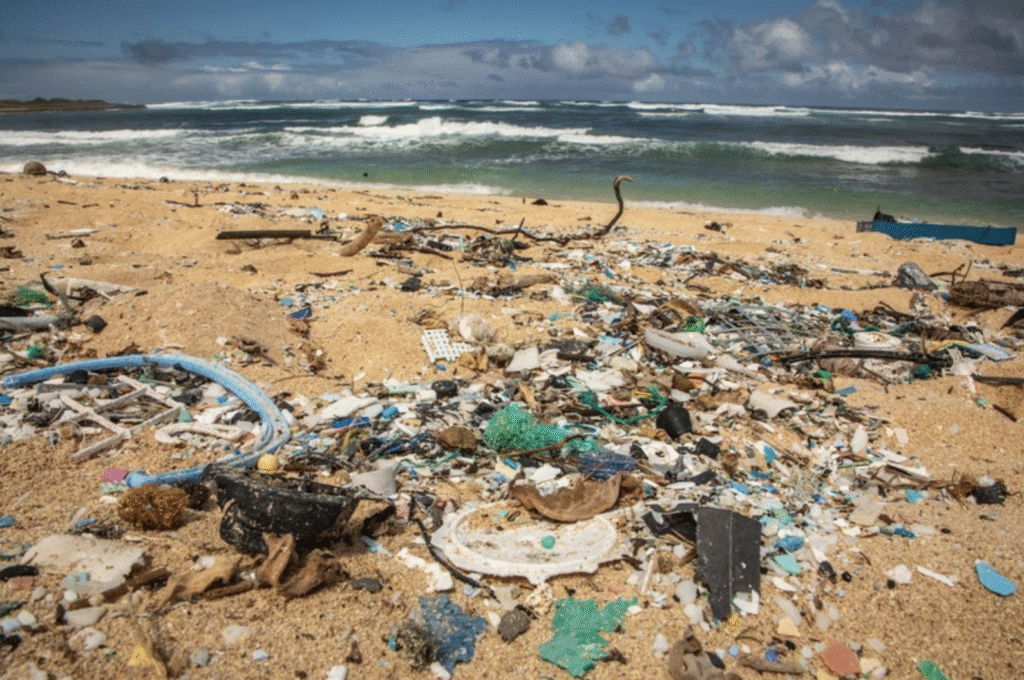
Many beaches in Maui experience increased litter and waste, specifically during tourist seasons when large numbers of visitors are along the coastline. Tourism contributes to these problems through activities involving plastic bottles, food packaging, and other single-use items that may be left behind or not disposed of properly. Over time, these materials accumulate on the sand or get carried by wind and waves into the ocean. This pollution harms wildlife like seabirds and sea turtles, which may ingest plastic or become entangled in debris. In addition, beach litter degrades coastal habitats and contributes to marine pollution that spreads through ocean currents and persists in ecosystems for long periods of time. Polluted beaches can also affect the tourism experience and the well-being of local residents who rely on clean coastal environments for cultural practices and recreation. (Vieira & Costa, 2022).
Tourism development can also contribute to habitat loss and environmental degradation on Maui. The main cause of this is the construction of resorts, roads, hotels, and other infrastructure needed to support increasing visitor numbers. The pressure pathway occurs when land is cleared to make space for these developments, which removes native vegetation and disturbs natural landscapes. This can increase soil erosion and cause sediment runoff into nearby streams and coastal waters. The ecological consequences include loss of habitat for native plants and animals and increased sediment pollution in the ocean, harming coral reefs by blocking sunlight and smothering coral organisms. NativeHawaiian ecosystems are particularly vulnerable since many species are already endangered or have limited habitats. These environmental impacts affect marine ecosystems, wildlife, and local communities that heavily depend on healthy natural environments for recreation, cultural traditions, and tourism livelihoods (Hawai‘i Tourism Authority, 2024).
References
Hawaii Department of Business, Economic Development and Tourism. (n.d.). Sustainable tourism project. https://dbedt.hawaii.gov/economic/sustainable-tourism-project
Hawai‘i Tourism Authority. (2024). Environmental impacts report.
Lin, B., Zeng, Y., Asner, G. P., & Wilcove, D. S. (2023). Coral reefs and coastal tourism in Hawaii. Nature Sustainability. https://doi.org/10.1038/s41893-022-01021-4
Molokini Crater. (2026, January 8). 5 things you didn’t know about coral bleaching in Hawaii & globally. https://molokinicrater.com/5-things-about-coral-bleaching/
Newsweek. (2020). Hawaii plans to cut visitors to Honolua Bay to protect coral. https://www.newsweek.com/hawaii-plan-cut-visitors-honolua-bay-by-two-thirds-10981423
Vieira, D. N., & Costa, E. (2022). Beach debris and tourism pressure in Hawaii. Marine Pollution Bulletin.