Welcome & Destination Introduction
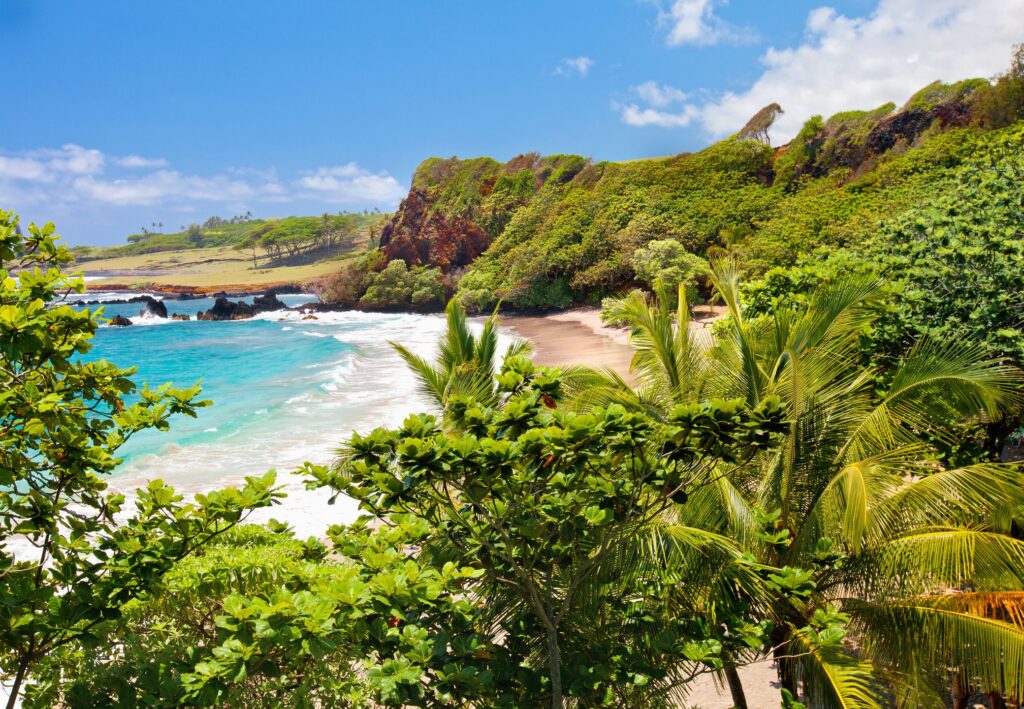
Welcome to our blog about tourism sustainability in Maui, Hawai’i – one of the most beautiful nature-based destinations in the world. Maui is famous for its tropical beaches, coral reefs, scenic hiking trails, and lush valleys. Every year, millions of visitors come from all around the globe to snorkel, hike, surf, and enjoy the island’s natural beauty.
Tourism is extremely important to the local economy, supporting tour and transportation companies, jobs in hotels, and restaurants. Even so, the large number of tourists also creates serious sustainability concerns. The natural environment that many come to see- beaches, coral reefs, forests, and coastal waters- is fragile and can be harmed by too much human activity (Hawaii Department of Business, Economic Development and Tourism [DBEDT], n.d.; Lin, Zeng, Asner, & Wilcove, 2023). At the same time, local communities can face crowded public spaces, cultural tensions, and increases in housing costs.This blog will explore the negative impacts of tourism in Maui through the lens of the Sustainable Tourism Framework, which considers environmental, socio-cultural, economic, and governance dimensions. In addition to examining environmental effects such as coral reef degradation, habitat loss, and beach pollution, we will also highlight adverse socio-cultural impacts on local communities, adverse environmental impacts, economic challenges and inequities, and potential solutions that will balance tourism benefits with ecosystem and community protection.
Finally, I will also share strategies for public engagement, encouraging visitors, policymakers, and residents to participate in sustainable tourism practices. Our goal is to inform and spread awareness about how Maui can remain a paradise for both nature and people.
Sustainable Tourism Framework
Before we evaluate tourism’s impacts, it is important to define what we mean by sustainable tourism. Sustainable Tourism Framework is a way of thinking about tourism that considers environmental, economic, socio-cultural, and governance aspects simultaneously. Instead of just focusing only on how many visitors come or how much money tourism makes, sustainable tourism also asks:
- Are local cultures and lifestyles respected?
- Does tourism damage local ecosystems?
- Do economic benefits reach residents and not just big corporations?
- Are there policies and management strategies that protect people and nature?
The four dimensions of this framework are:
- Environmental- How tourism affects ecosystems like forests, water quality, coral reefs, and wildlife.
- Socio-Cultural- How tourism influences local communities, cultural traditions, and quality of life.
- Economic- How financial gains from tourism are distributed and if they support long-term economic health .
- Governance- How well governments, community organizations, and businesses manage tourism’s effect.
This blog will use the Sustainable Tourism Framework to evaluate environmental, socio-cultural, and economic impacts that occur in Maui due to tourism, and propose solutions that help balance tourism benefits with environmental protection (Hawaii Department of Business, Economic Development and Tourism [DBEDT], n.d.; Lin, Zeng, Asner, & Wilcove, 2023).