By Diana Gorman
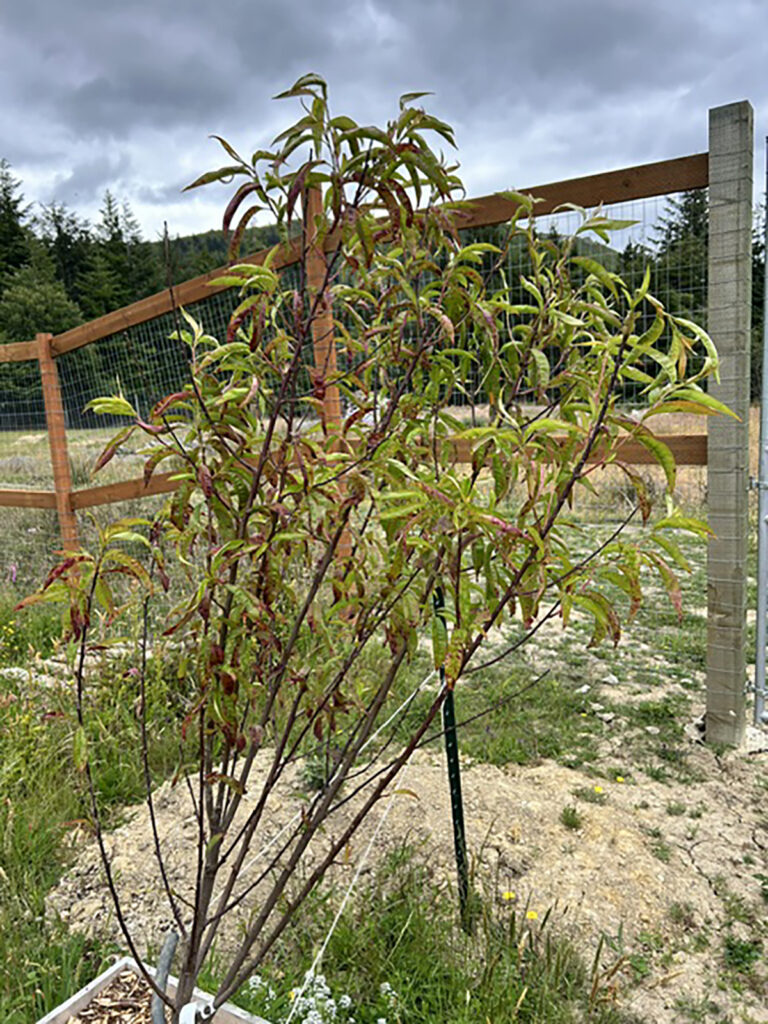
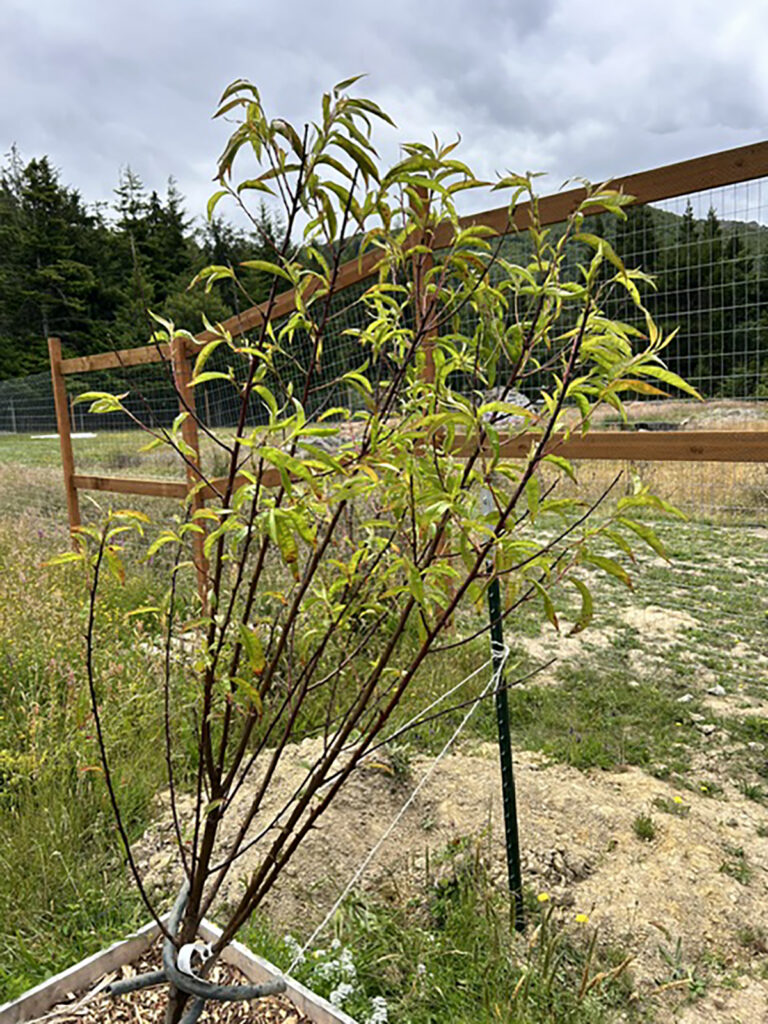
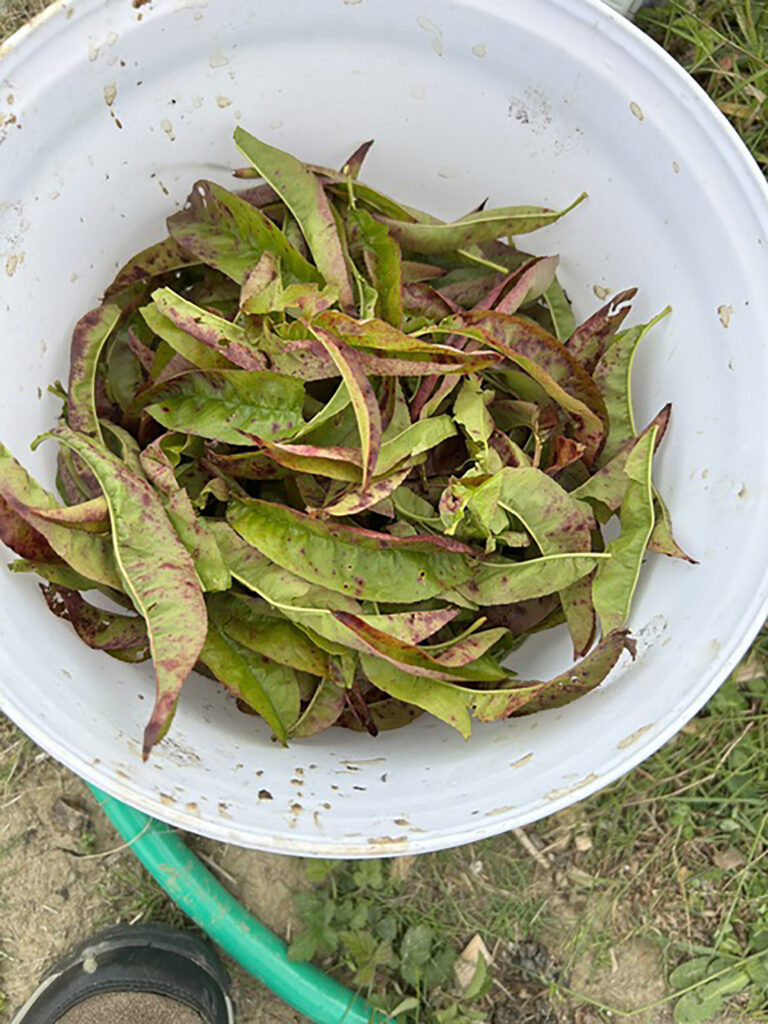
Master Gardener volunteer and Horticulture Instructor at Pacific High School Wendy Tomko noticed the peach trees at the school weren’t doing well. She researched it and discovered they had come down with Peach Tree Leaf Curl.
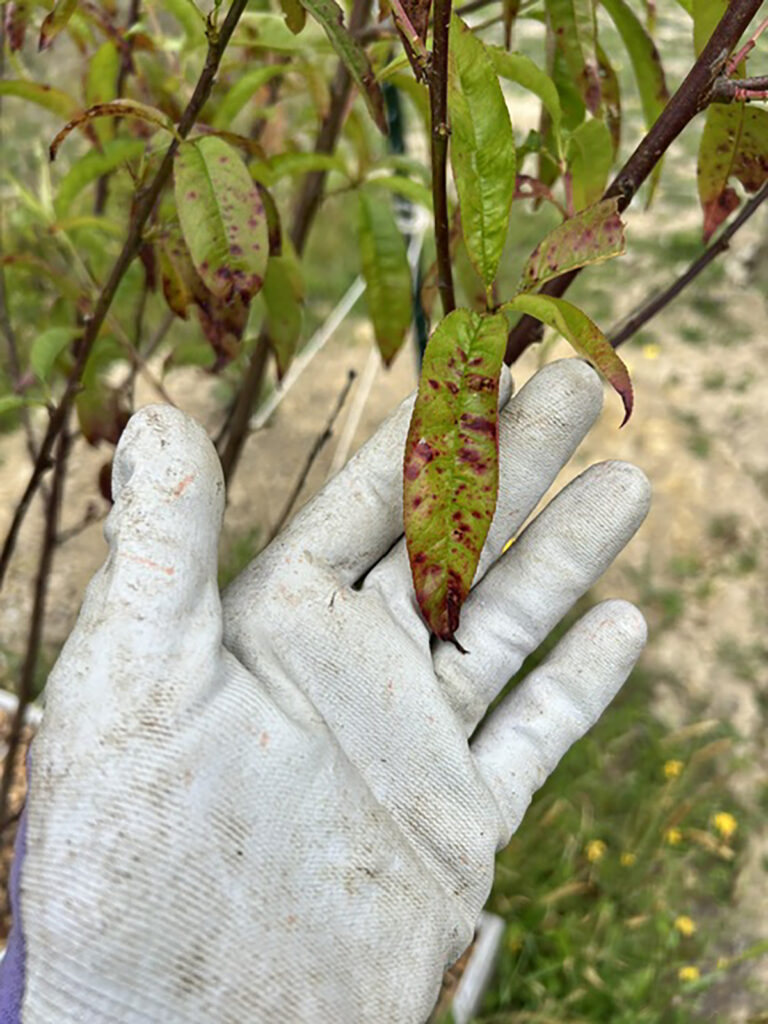
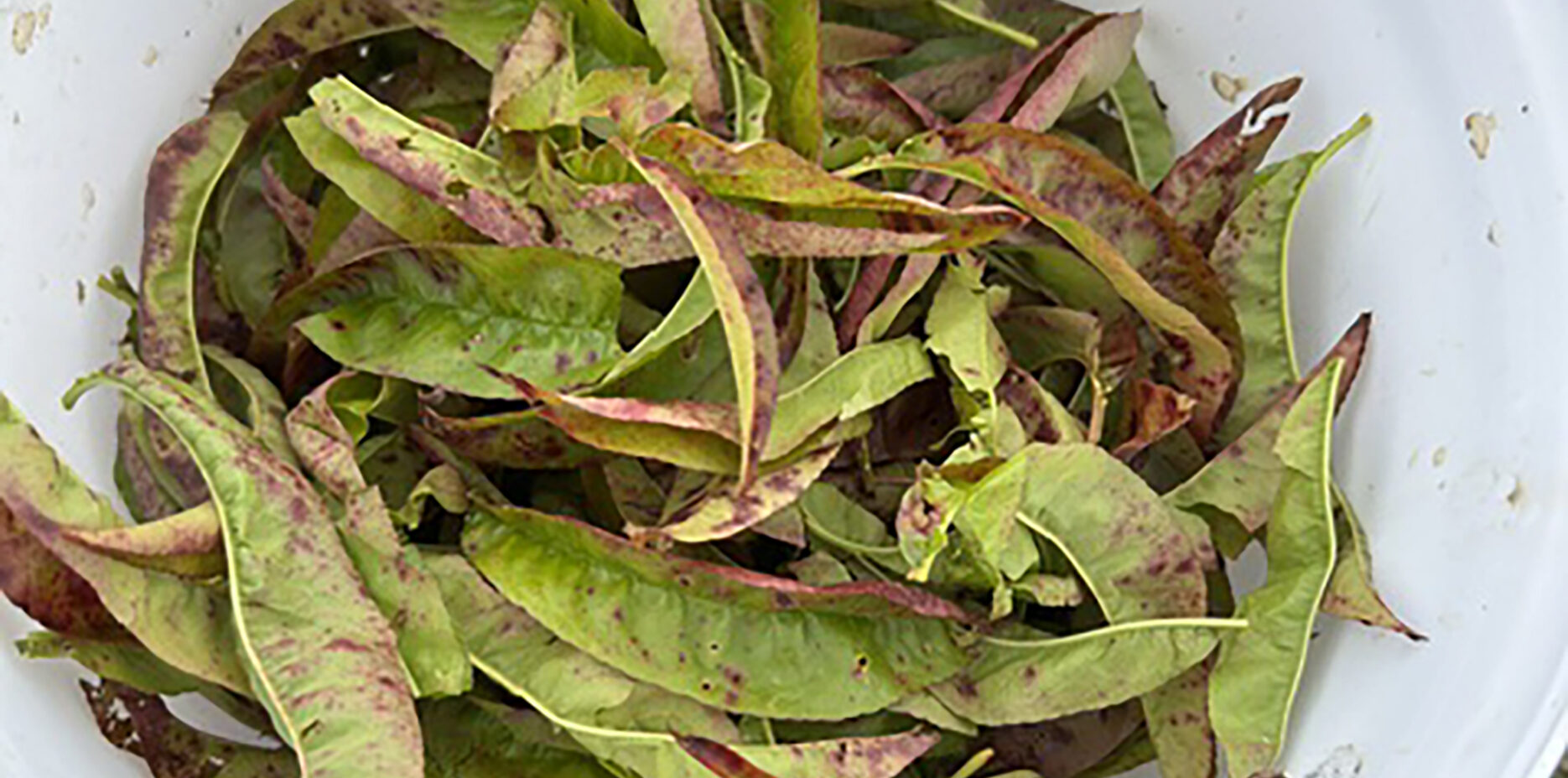
Peach leaf curl is a fungus that causes peach and nectarine leaves to turn reddish and become thickened, curled, and puckered. It can also affect stems and fruit, causing stunting and distortion. This disease is a major problem of peaches in western Oregon. Peach leaf curl mostly develops during cool and wet growing seasons. In the Pacific Northwest, symptoms appear on the new leaves starting in spring. It gets worse over the season. Peach leaf curl can greatly reduce fruit production. Uncontrolled, repeated leaf loss can cause the tree to decline. It reduces the tree’s ability to produce energy. The tree can even die in as few as 2-3 years.
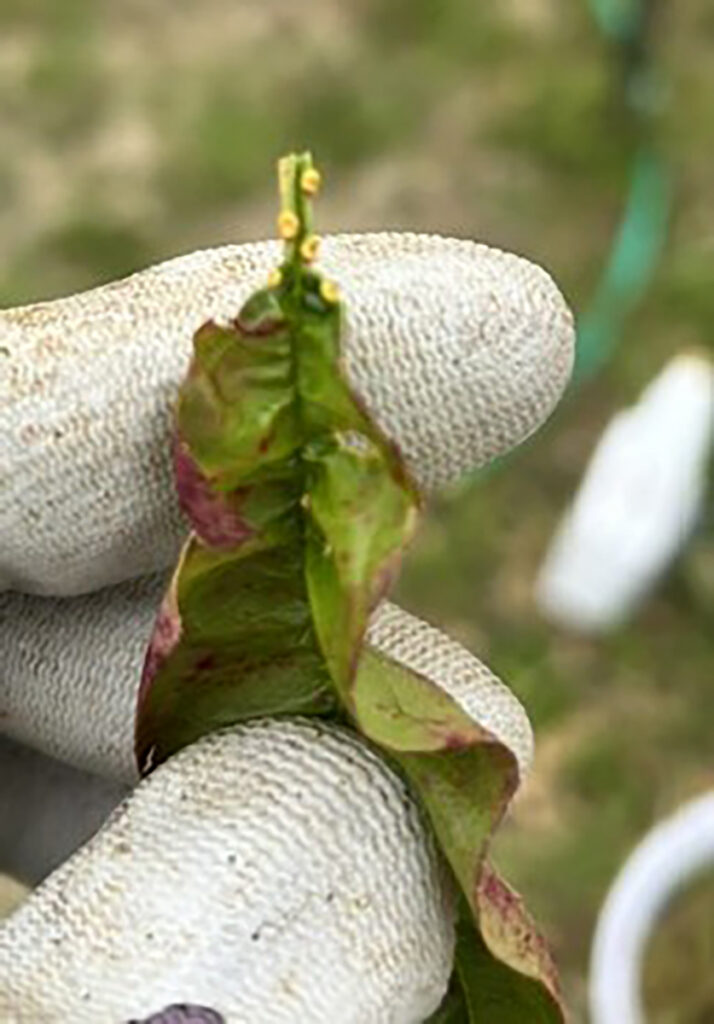
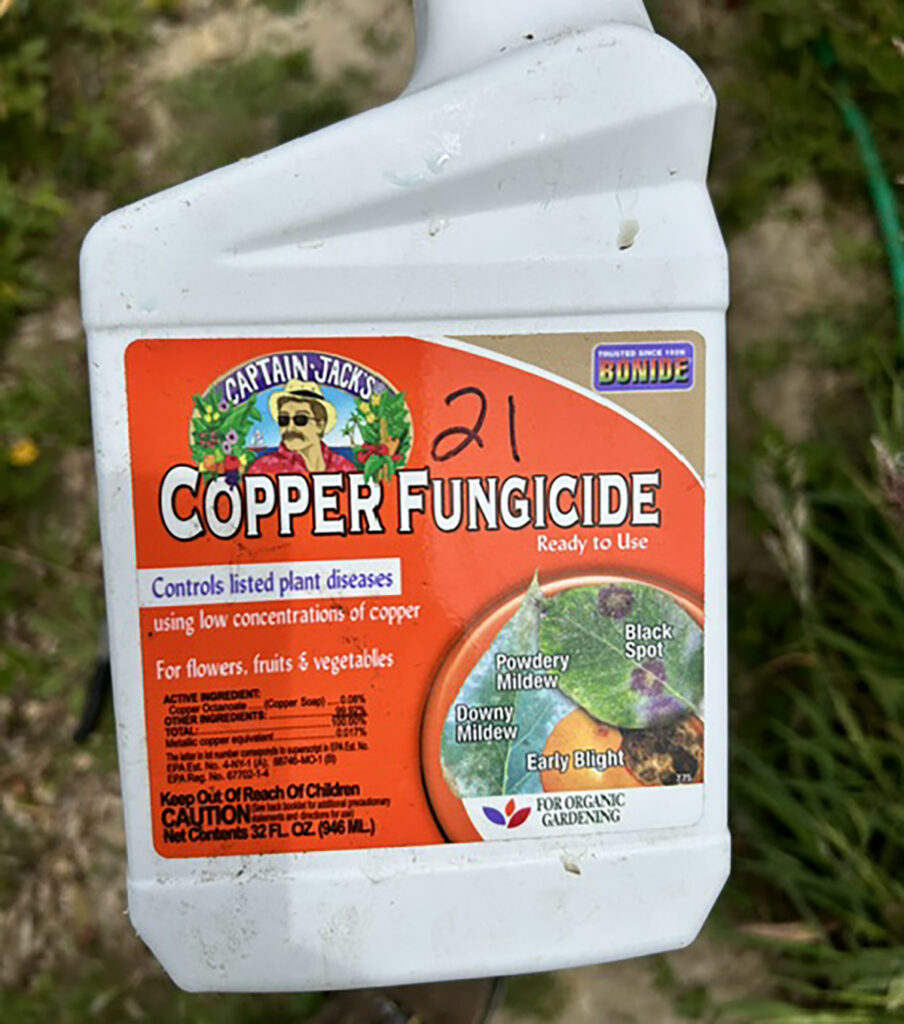
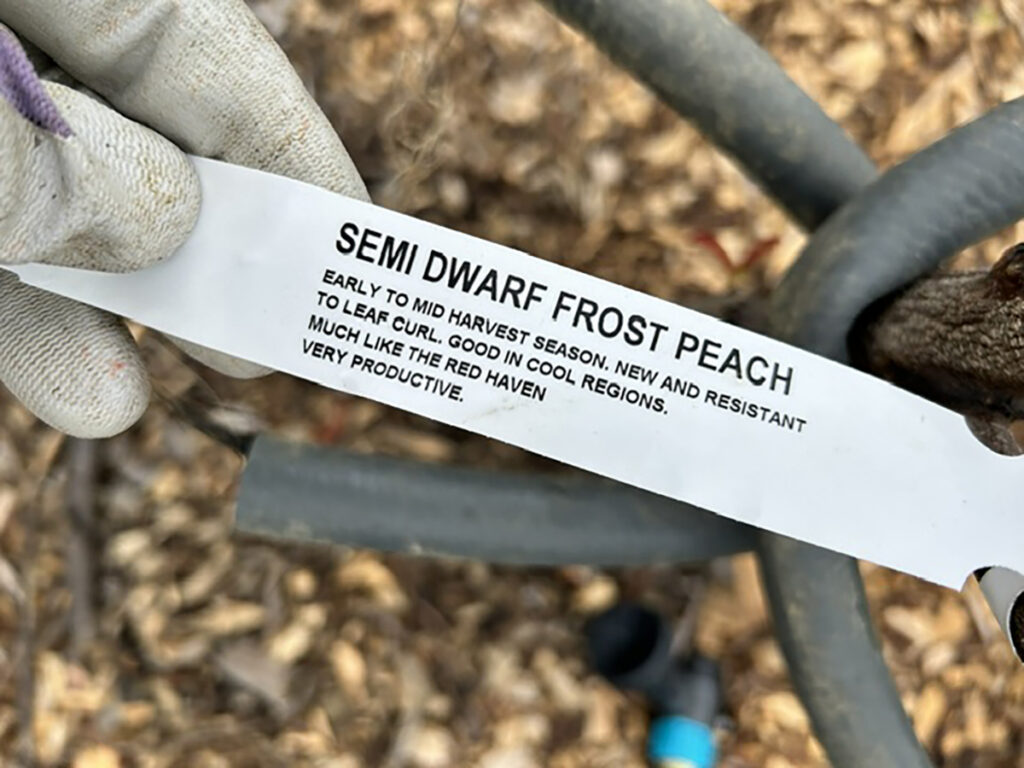
Wendy noted the leaves were extremely red and curled. She wasn’t able to treat the trees in February before the first leaves bloomed, which is the best time to treat. So, she went into action as soon as possible. Wendy asked me, at that time a Master Gardener Trainee, to remove all of the severely infected leaves and spray the entire tree with copper fungicide. Unfortunately, if all of the infected leaves had been removed the tree would have been completely bare. I noticed yellow nodules at the base of each leaf and researched it. This is a sign of peach tree leaf curl. I also noticed the leaves felt rather leathery when being removed. Wendy and I intend to spray the trees in February and keep a close eye on them throughout the year. It should be noted that this variety of peach tree is considered to be leaf curl resistant yet had a very bad infection none the less.
What can you do to help avoid this fungus?
Plant Peach Leaf Curl-Resistant Varieties
- These resistant peach or nectarine cultivars are offered by a variety of west coast nurseries. Autumn Rose, August Etter, Avalon, Avalon Pride, Charlotte, Early Charlotte, Early Crawford, Frost, Indian Free, Kreibich, Muir, Nanaimo, Oregon Curl Free, and Q-1-8.
- For the highest chance of success, treat with fungicide every year. Treat them consistently with organic or conventional materials. Using fungicides comes with real risks. ALWAYS read the entire label front to back. Review instructions even for brands you know.
Good Air Movement and Dry Leaves
- Plant peaches in a sunny spot with good air movement.
- Careful monitoring and spraying may still be required.
- Small and household-scale growers may protect dwarf or espaliered peach trees from spring rains with a plastic cover or umbrella. They can also use a greenhouse or tunnel.
Resource Links:
How to manage Peach Leaf Curl OSU
Pest Management Guide for Peaches OSU