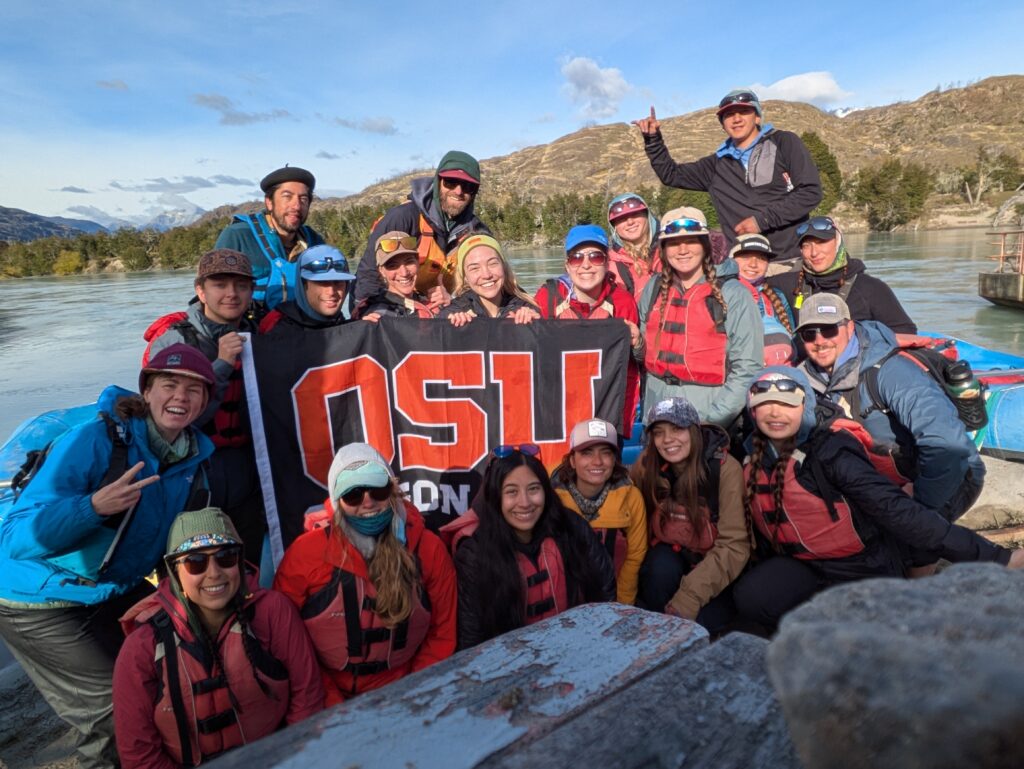
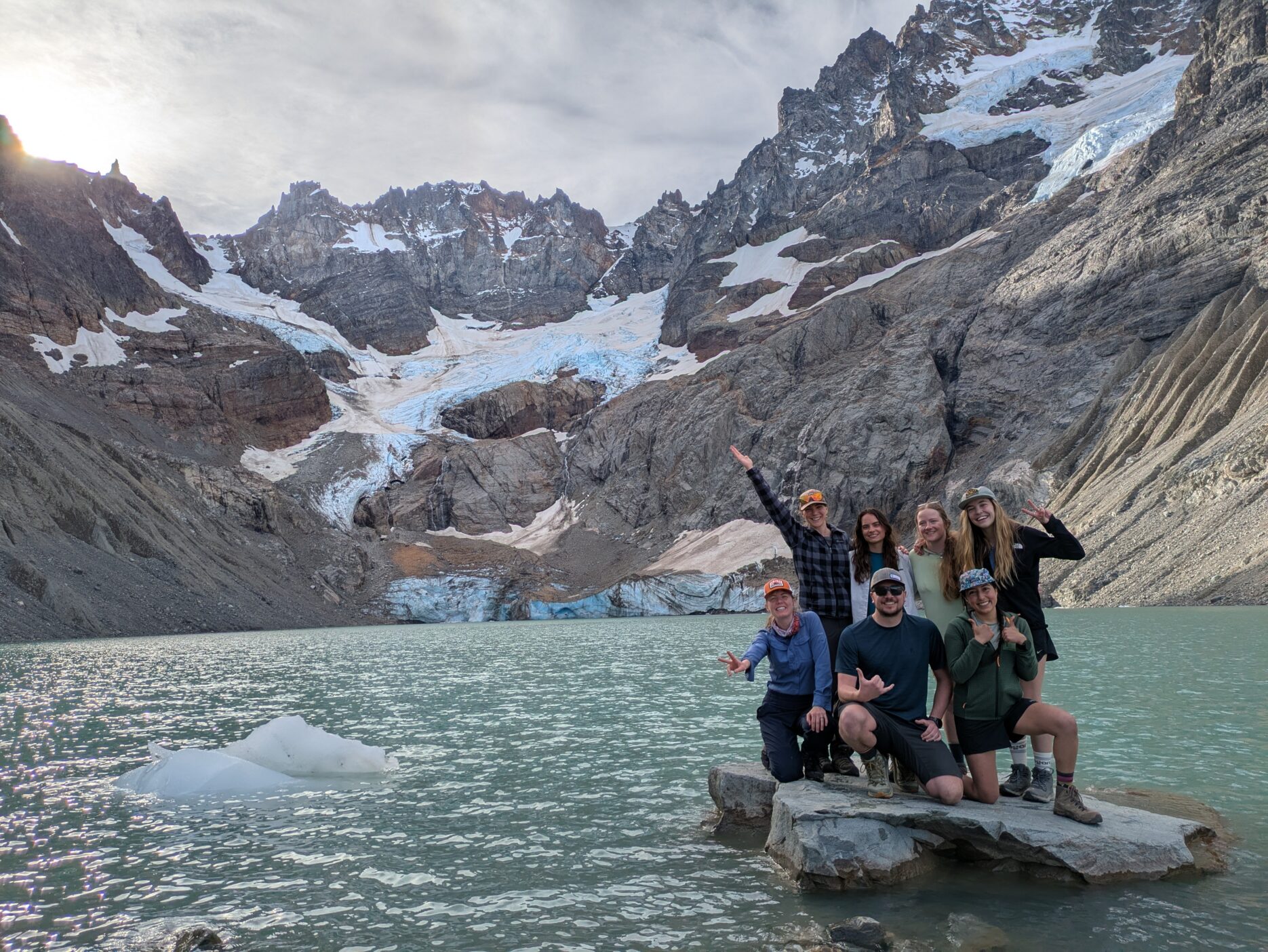
Taylor, one of our participants on our faculty-led program Parks and Protected Areas of Patagonia Chile, is a TRAL major interested in Outdoor Recreation Management. Based upon their experience in Patagonia, they share their perspective on water rights in Chile.
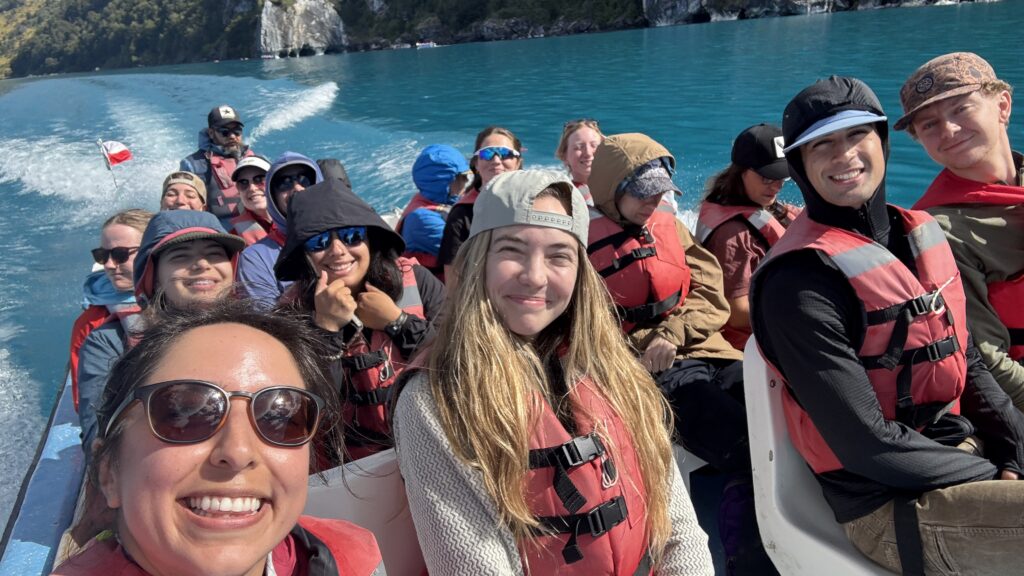
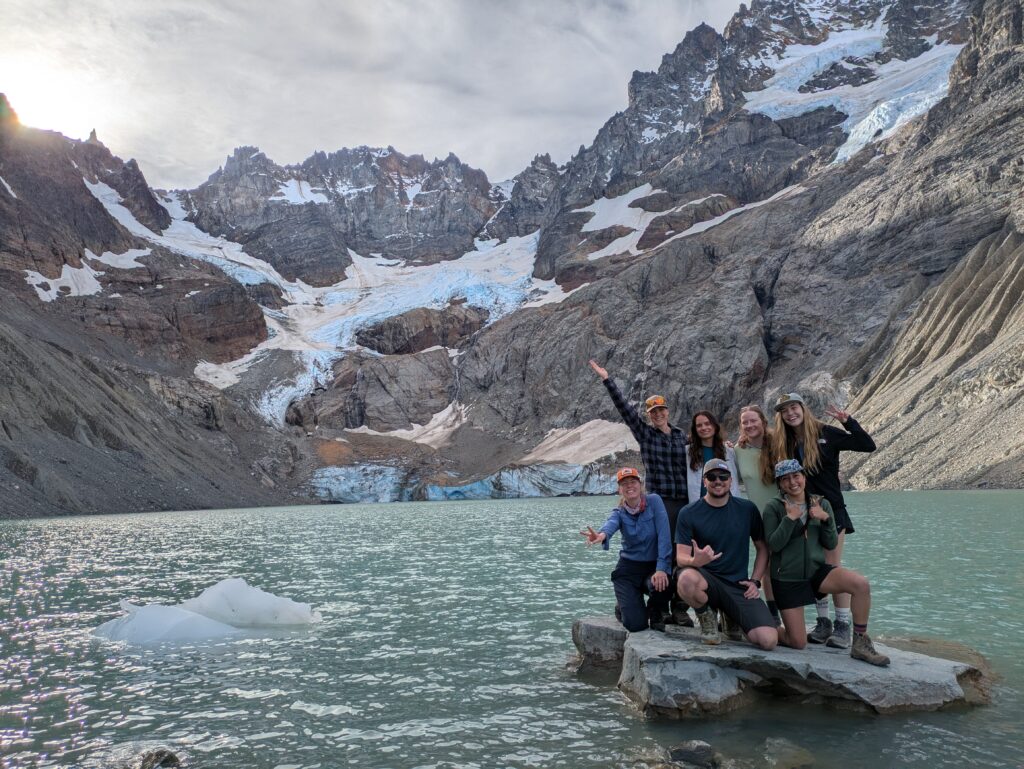
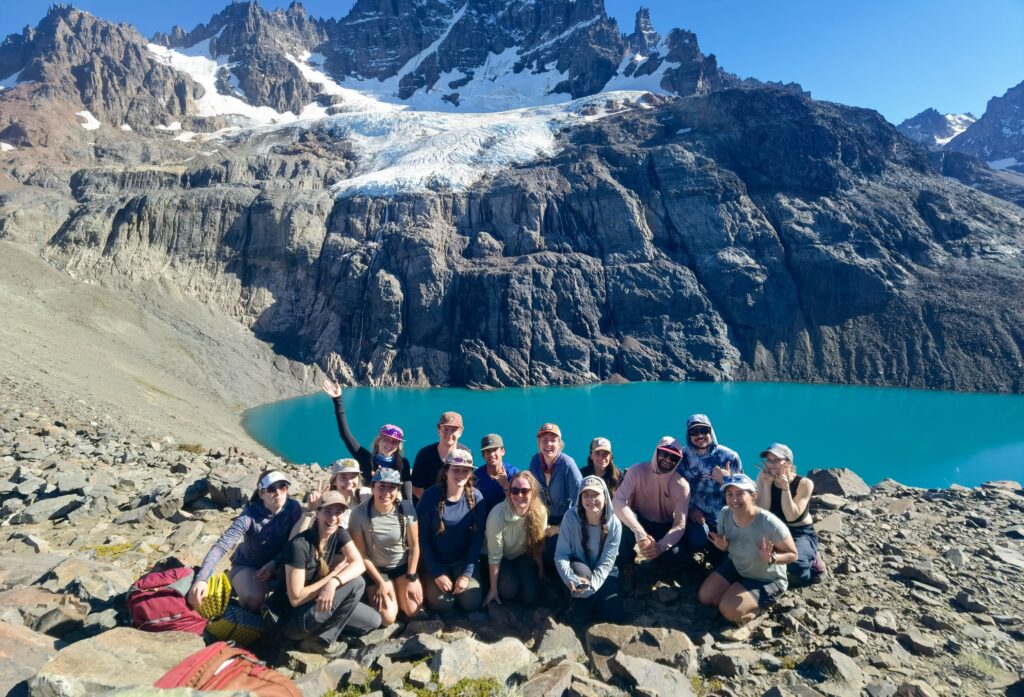
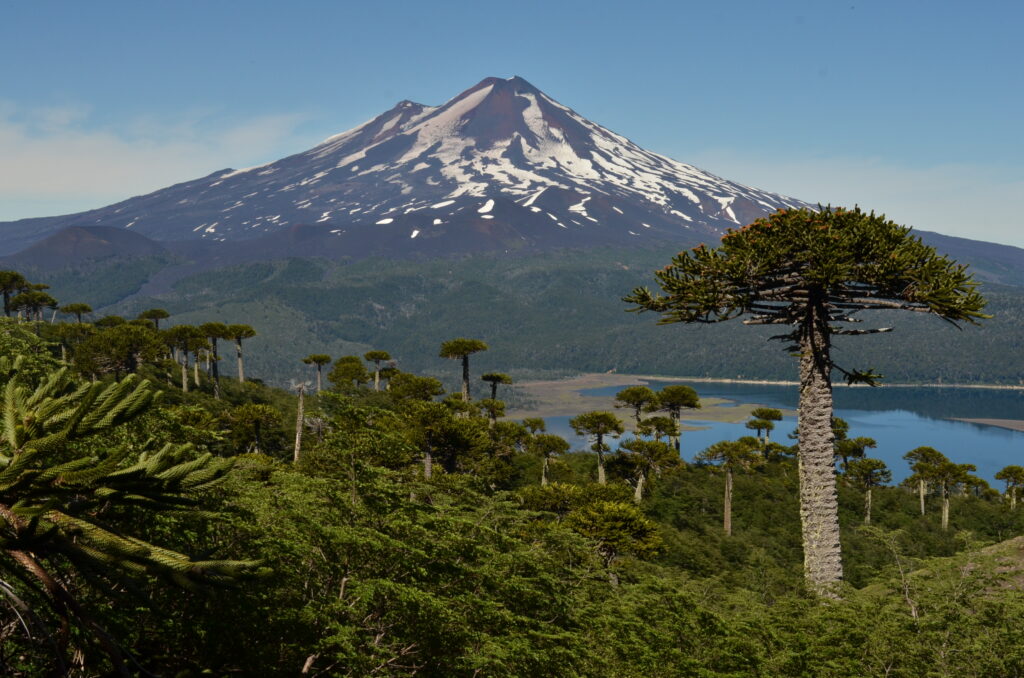
We often don’t take water for granted here in the United States, we are privileged to be able to have water for drinking, recreation, and is an essential need for our environment. Water rights are a privilege but should also be a human right and something that everyone should have access to. In Chile water rights are privatized as well as the access to water for sustaining life and recreation tourism occurs, but at the mercy of private companies. Before Augusto Pinchot took office Chile was a socially progressive nation where water among many resources was considered a public good. Once Pinchot assumed office a new constitution was created which among other things categorized water as a state right before they sold it off to private ownership. Now water and water rights are privatized and although it is used and recreated on, it is a private commodity for sale. In 1990 when Pinchot was voted out of power there were two constitutional referendums where Chileans worked to ensure that water would no longer be privatized but Chileans voted no.
Water is important to the people of Chile, in Patagonia de Aysen region of Chile water is where the Rio Baker is and it runs through streams in the Cerro Castillo National Park. Not only these locations but it was central to the entire region of Patagonia. Due to the fact that water was still privatized one of the large private power companies Hydro Asyen came in and wanted to build hydroelectric power dams in the region to get energy throughout the region and up to Santiago since much of Chile is reliant on a few main power sources. This construction was allowed because the water rights were privatized but Patagonia didn’t want the dams or power plants or destruction of their land and culture. Another right that Chileans are still fighting to protect is the beautiful rivers in Patagonia. Even after HidroAysen abandoned production of the dam and stopped paying water rights to location, that still left the fight to protect Chile’s rivers. Protecting rivers was part of the constitutional referendums that were up for vote which didn’t pass. It wasn’t until recently in 2022 and 2023 when executive orders were passed to ensure protection of water, rivers, and their ecosystems along with protecting a certain amount of the water volume but just in specific zones that were designated.
These executive orders and legal protections are just the start of what will hopefully be more protection and more permanent protection and regulation in the future. Earlier than 2022 in 2019 the Puelo River was given protection designation status and then in 2025 just now there was an act that was passed to protect four rivers but not the Rio Baker. The Rio Baker is the largest river in length but also in volume and amount of water. The Rio Baker, like many of the rivers, is the backbone of Patagonia and campo life in the Asyen region. Along the rivers like families and livestock, birds and geese fly overhead. It is where the river meets the northern Patagonia ice fields in Chile and it could be taken away at any moment, by volume per square meter because the water is a private good.