
Much of Bernard Daly’s life seems to have happened despite great odds. He was only five when he and his family left Ireland, landing in Selma, Alabama during the Civil War. When his parents died, he lived with siblings in different parts of the country and somehow found his way into college and medical school before he finally found his home in Lakeview, Oregon where he would spend the rest of his life.
It’s tempting to call Bernard Daly’s life a rags-to-riches story, but to do so would be an incomplete description of his remarkable life and legacy. Daly did come to America as a poor immigrant, and over the course of his life, he became successful and prosperous. However, it is not his financial success that defines his life; instead, it is what he did with his wealth – he invested in the future of youth he would never meet.
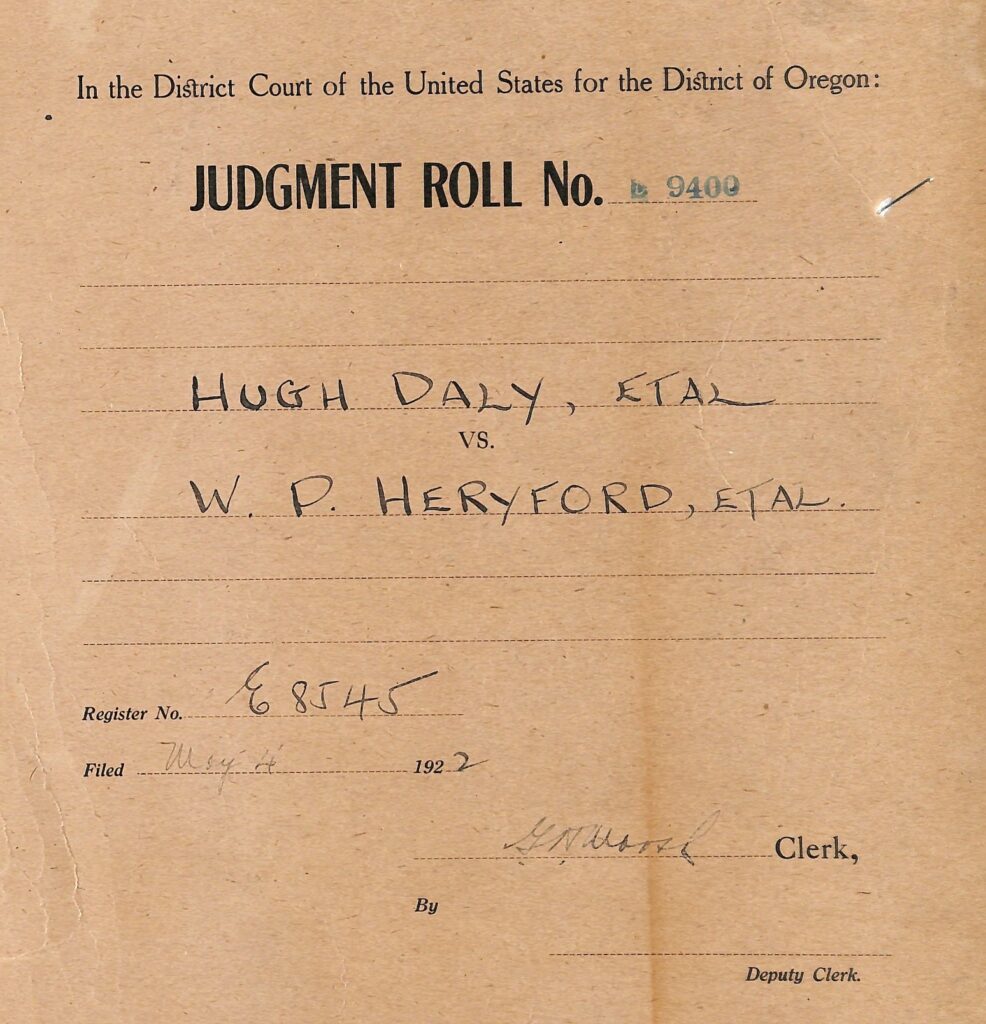
As his life seemed to be against all odds, so was the start of the scholarship. Following his death, Daly’s relatives challenged his will and then the state wanted to tax the estate even though it was going toward a charitable purpose. The challenge to the will was overturned in federal court and the state legislature overturned the governor’s veto so that the estate was not taxed, and all the funds could be used for the scholarship. Seemingly against all odds, the scholarship was first awarded in 1922 and has been awarded each year ever since.
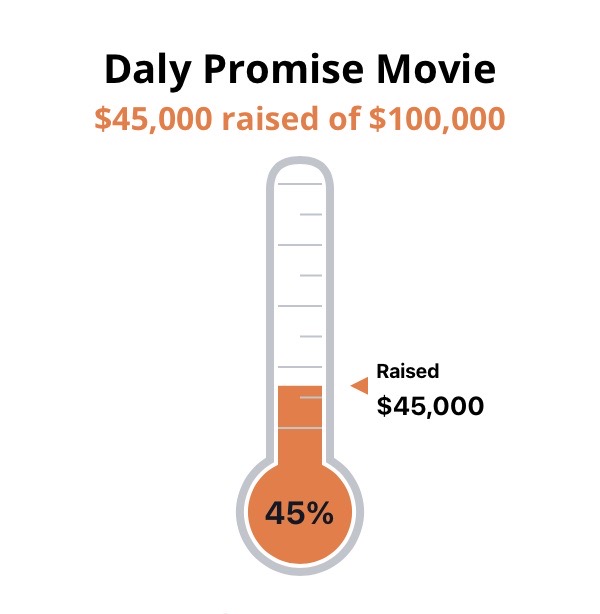
And, though it also seems to be against the odds, we’re making a movie about Bernard Daly and his remarkable scholarship. To stay on schedule and do on location filming in Lakeview in May, we need to raise at least 80% of our goal by April 1st. With two months till our deadline, we’re almost halfway to our goal but still have a way to go. Here’s how you can help.
- Make a donation through our GoFundMe web site.
- Donate by sending a check made out to: Daly Fund Movie LLC. The check should be mailed to Kathy Boespflug, 10416 W. Rockwood, Boise, ID 83704.
- Consider being an investor in the film (minimum $10K). If the film is profitable, investors will receive their initial investment plus a 20% premium and share of profits in proportion to their investment. Please contact me (sam.stern@oregonstate.edu) if you are interested in becoming an investor in the project.
Note: If the film is profitable, 10% of the profits will be given to the Daly Scholarship Fund.
I’m a Daly Scholar and an Oregon State graduate. I’d love to hear from Oregon State about the tuition revenue the university has received from this scholarship over its lifetime. What are the total numbers? Does OSU have that number? How have the percentages or Daly scholars at OSU ebbed and flowed over time? How does OSU’s revenue from the fund compare to other colleges and universities in the state? Is OSU aware of the unique needs of students from Lake County who arrive on campus? I don’t know the answers, I’m asking because I’m genuinely curious. I’m sure the Daly Fund trustees have kept accurate records and know how much is paid to each school each year and overall, but do the individual schools track that revenue as well? Do they care? Just curious.
Not sure that anyone has the answer but the importance of those students and the revenue from their tuition and fees were never as important as they were in the beginning years of the scholarship. In the 1920s, Oregon’s public colleges (Oregon Agricultural College (OSU), University of Oregon, and Oregon State Normal) were more like a “start up” than the established universities they are today. It was a struggle to get students to go to college; professional positions that required college preparation were not well established and less than 20% of youth completed high school. It was a hard sell. To have all expenses paid for fifteen students to attend an Oregon college was unprecedented. There was no scholarship like that anywhere in Oregon or perhaps the entire country. To get a sense of just how extraordinary it was, the 1922-23 University of Oregon catalog identified only two scholarship funds available to students. One as the Mary Spiller Scholarship, which covered room and board for one student for one year. The other was the new Daly Fund that provided full funding each year for four years to at least fifteen students from Lake County. Truly extraordinary — big impact on the youth from Lake County, Oregon colleges, and the communities where those Daly scholars went.