Our Research Approach and Interests
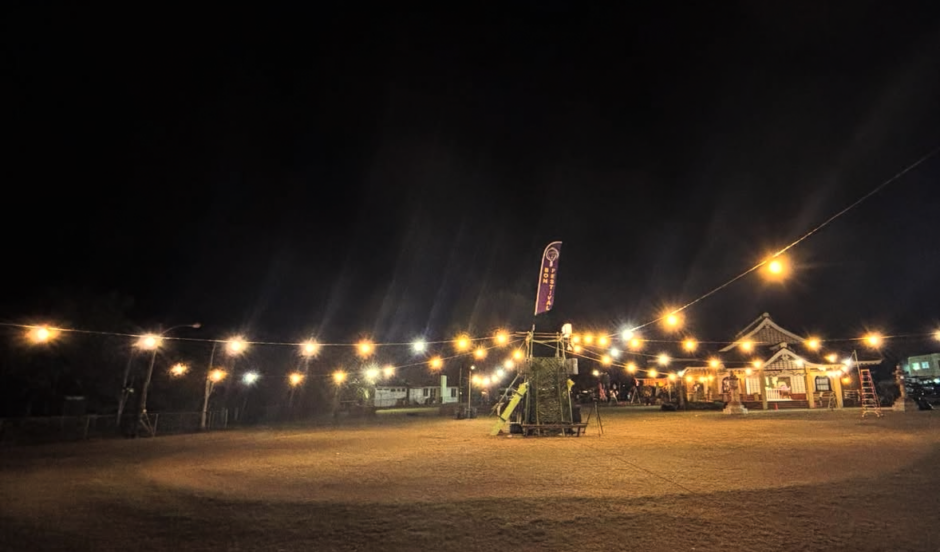
We are a transdisciplinary research team investigating life systems through integrated scientific and contemplative approaches. Our lab cultivates paths of inquiry at the intersection of biological and Buddhist thought. We study evolution, symbiosis, and natural variation in diverse life systems. Our research integrates field work in local and overseas locations, controlled experiments in lab settings, population-genetic and phylogenetic analysis, contemplative approaches, and philosophical inquiry. Our team is developing and applying biological investigation approaches rooted in Buddhist philosophy and ethics. We perform our research in the context of and guided by shared lab values.
Bodhi Trees
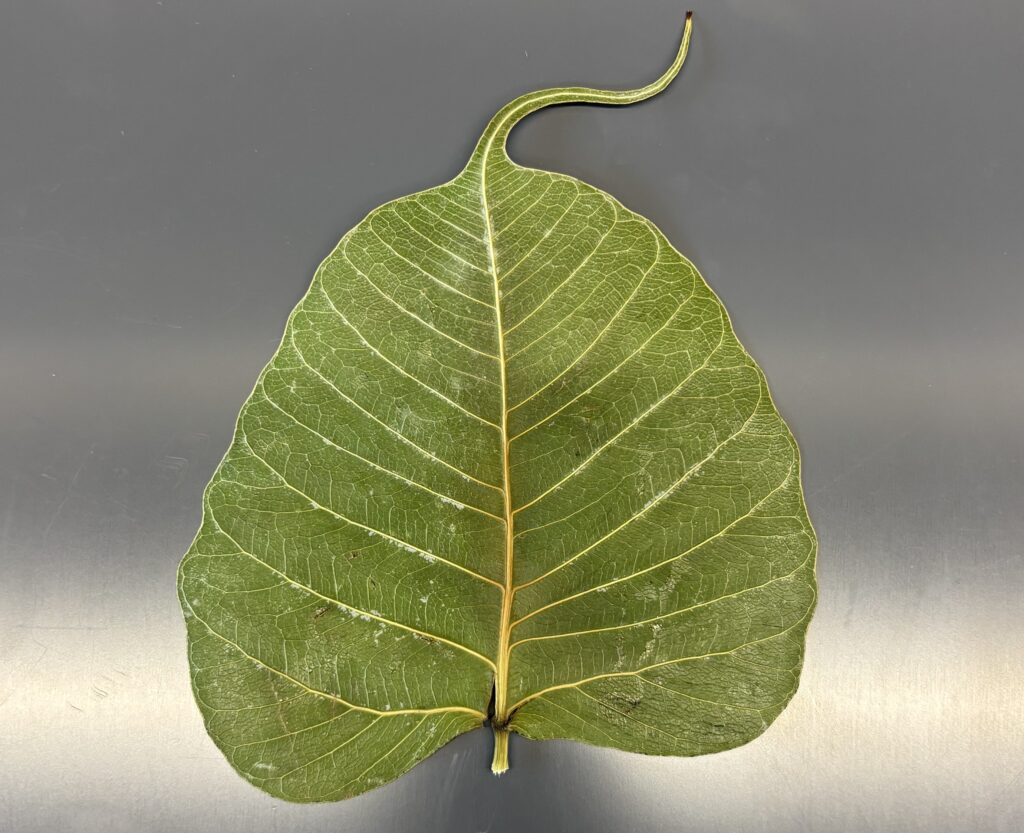
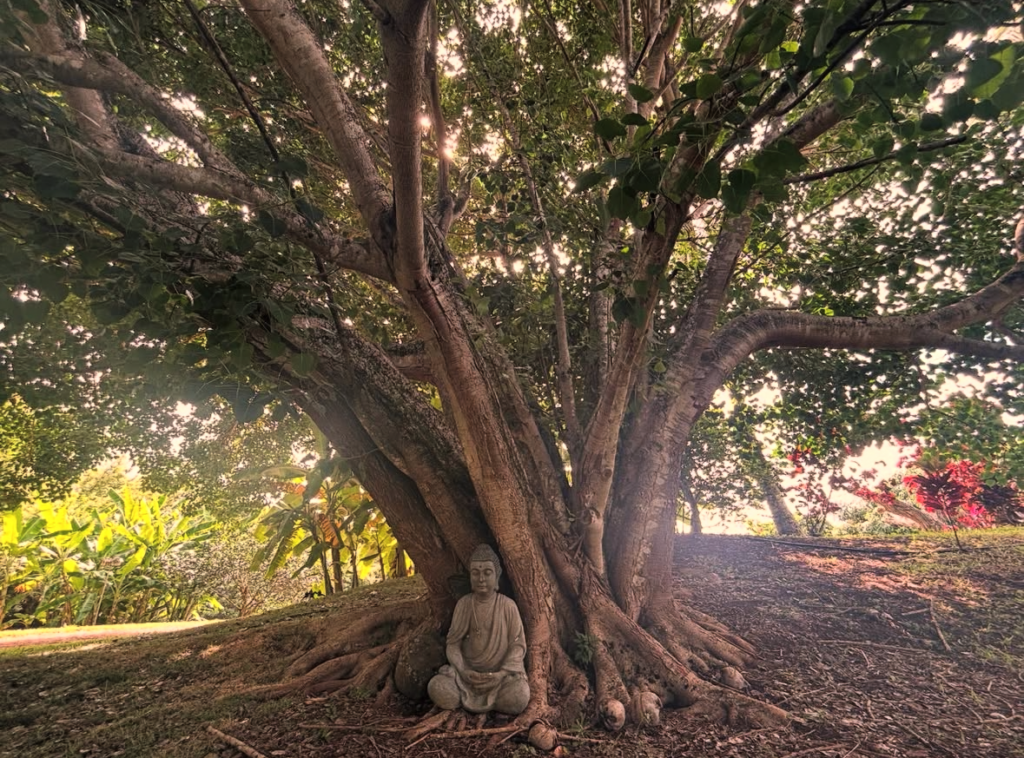
Ficus religiosa – commonly known as Bodhi tree, Bo trees, and peepal trees – are considered sacred to Buddhist, Hindu, and Jain traditions. As the Buddha’s teachings spread across Asia and then other parts of the world over the last two millennia, saplings derived from the original tree under which the Buddha sat during his enlightenment followed. As Buddhism spread into places such as Hawai’i, some have raised conservation concerns about the potential for Bodhi trees to become invasive. We recently completed a population-genetic analysis of F. religiosa samples from diverse global locations and sources to help understand patterns of global Bodhi tree migrations and develop genetic tools for assessing the origins of specific trees. Plans are underway to conduct research on symbiosis dynamics between Bodhi trees and pollinator wasps, and potential impacts on invasivity. We also investigate Bodhi trees from historical, artistic, and philosophical perspectives. We meditate with our Bodhi trees in the lab.
Learn more about PhD student Jazlee Crowley’s research on Bodhi trees in her Contemplative Currents essay, The Bodhi Trees of Kaua‘i: Piloting a Transdisciplinary Approach to Understanding the Impacts of an Introduced Sacred Species.
Nematodes and Gastropods
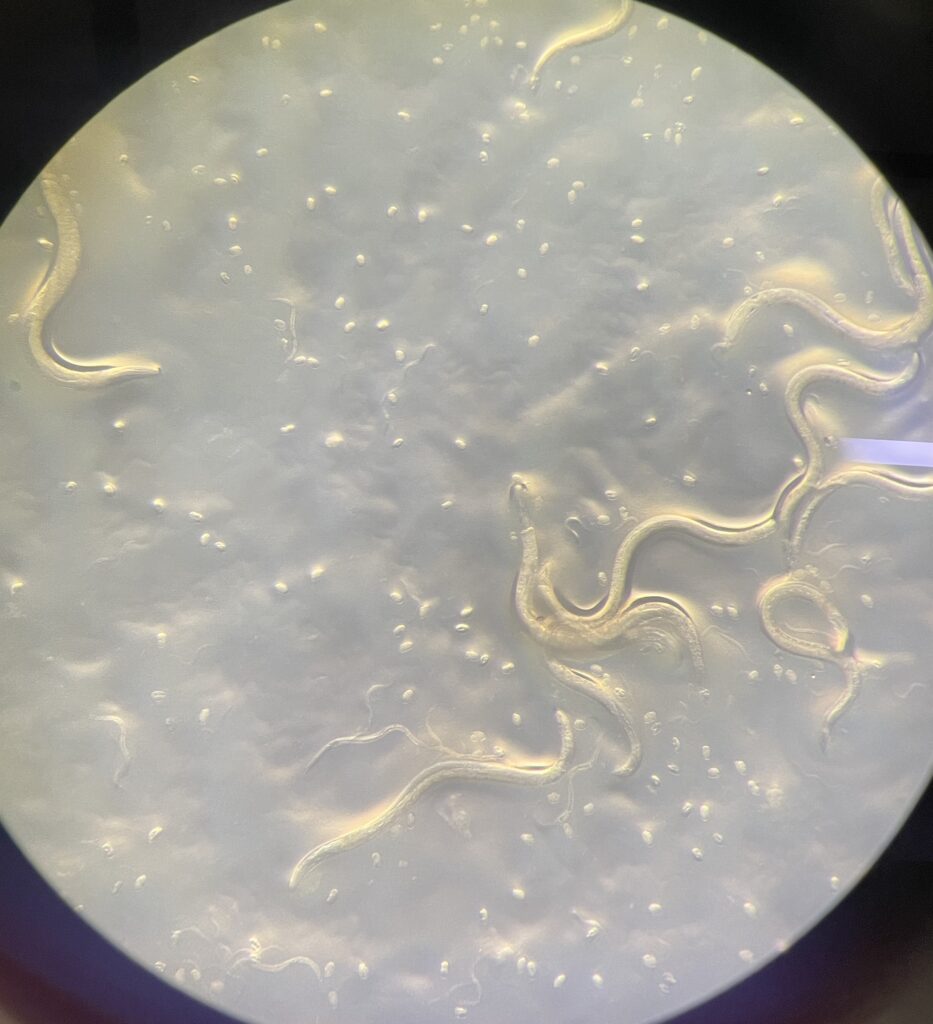
Nematodes are considered the most abundant and diverse forms of animal life on the planet, and engage in diverse kinds of symbioses with different species. Our team has investigated these symbioses for many years, with special focus on plant-parasitic nematodes and their bacterial symbionts (in collaboration with Inga Zasada and her team), and slug- and snail-parasitic nematodes (in collaboration with Rory Mc Donnell and his Invertebrate Crop Pest Lab team). Current research focuses on nematode lineages (Pellioditis spp.) that have been commercialized as biocontrol products intended to kill grey field slugs (Deroceras spp.) and other agricultural pests, with a special focus on potential impacts on non-target gastropod species such as the Pacific Sideband snail. As a consequence, our interests have expanded to the population genetics and biodiversity of snails and slugs. We recently completed a population-genetic analysis of Pacific Banana Slug (Ariolimax columbianus) diversity, and developed a non-lethal approach to extracting DNA for this project, motivated by compassion for the slugs. Buddhist philosophy is integrated into our conversations and decisions regarding approaches and motivations in this research, especially in relation to the ethics of biological control strategies.
Learn more about our work on slug-nematode interactions in this 2024 PLOS One publication by Denver et al.
Fungi

Our team also explores fungal biodiversity, and connections with other forms of life and human cultures. Current research centers on Reishi mushrooms, members of the Ganoderma complex. Reishi has been used in traditional medicine for more than two millennia in Asia, and is increasingly prominent in global commercial wellness products. We investigate species boundaries and concepts in Ganoderma spp., with focus on lineages endemic to the Pacific Northwest and those resident in Nepal. We also explore the role of fungi in the history of Buddhism-science intersections; for example, we are inspired and motivated by the work of Minakata Kumagusu, a mycologist and Buddhist philosopher from 19th-20th century Japan.
Learn more about PhD student Brenna Prevelige’s research on mushrooms in Nepal in her Contemplative Currents essay, Mushrooms in Nepal: Piloting Transdisciplinary Research at the Intersections of Mycology and Buddhist Philosophy.