Tasks Accomplished: Week 6
| Technical Tasks | Art Tasks |
| Tweaking project partner’s scripts to work on different editor platforms (namely Windows vs. Mac) | Construction and testing of 3D environment |
| Setting up test character for the Midpoint Archive demo | |
| Starting NPC focus script: stops the player from leaving a conversation rudely ;] |
So, Ever Heard of Lospec Art?
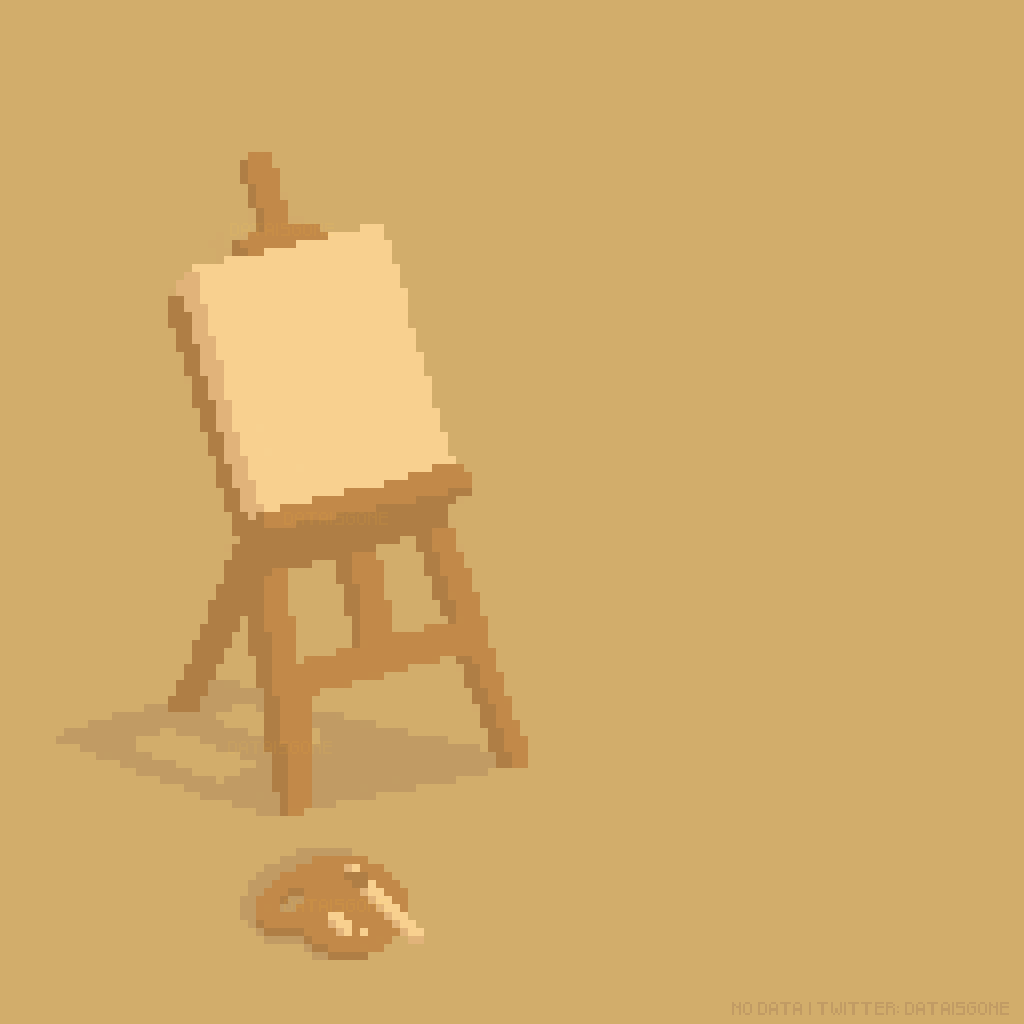
Lospec stands for “low spec”, or digital art that is made with restrictive tools or means. The most common type of lospec art is pixel art, or the practice of creating art at lower resolutions with fewer colors. That being said, some lowspec artists don’t follow this to a tee, including myself. Or maybe that’s just myself. I like the blocky look and cool rendering possibilities pixel art gives me.
And I just like that retro-ish look. <3
Pixel Art in 3D
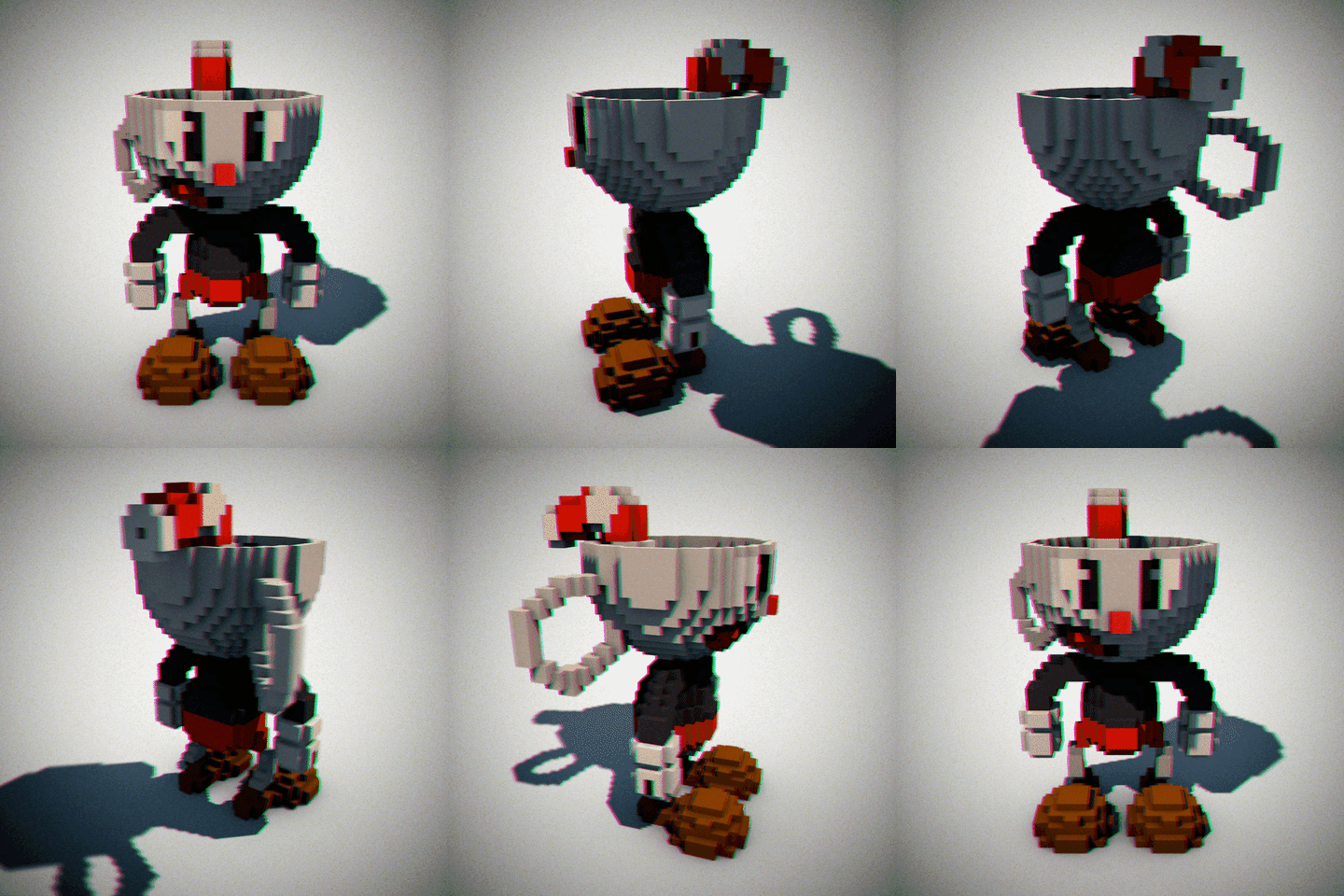
Aside from the Paper Mario effect I mentioned previously, I need to consider how pixel art is going to work with our 3D world. An obvious solution would be voxels, but that will be too hard of a juxtaposition between 2D characters and 3D models with a lot of “texturing”. A good way to picture voxels is thinking about how legos look:
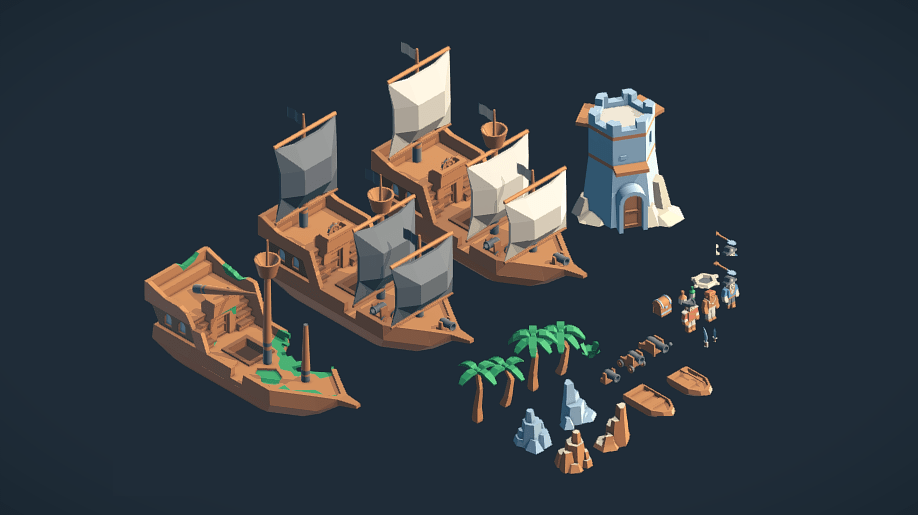
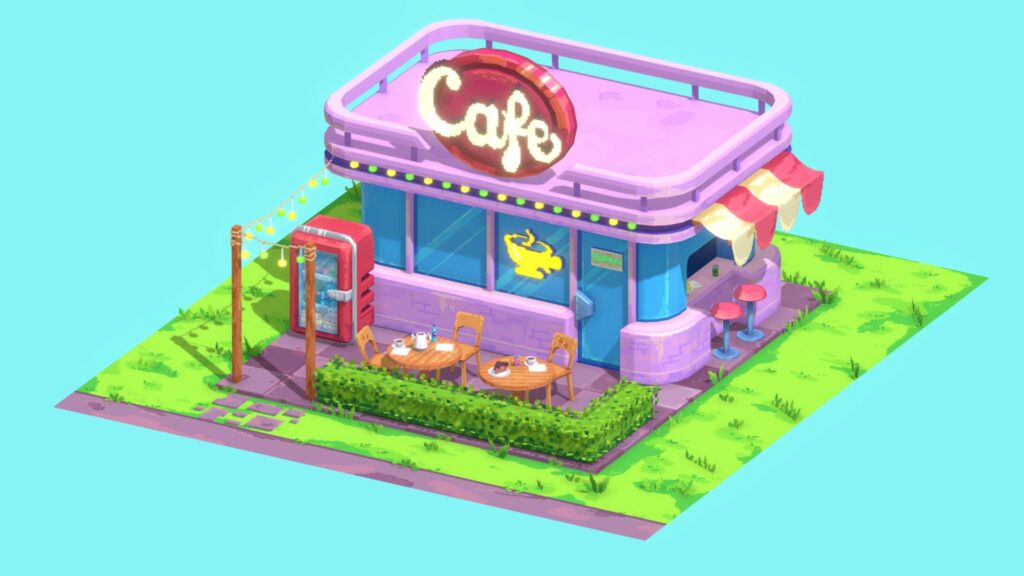
Instead of voxels, I’d like to do more of a lowpoly approach with pixel art textures. This allows me to repaint open source lowpoly models and save my team both time and money. One of the best resources I’ve come across for this purpose are Kenney Assets. Kenney is a boon to the art and game developer community, and their assets have been used in a lot of educational projects and products as well.
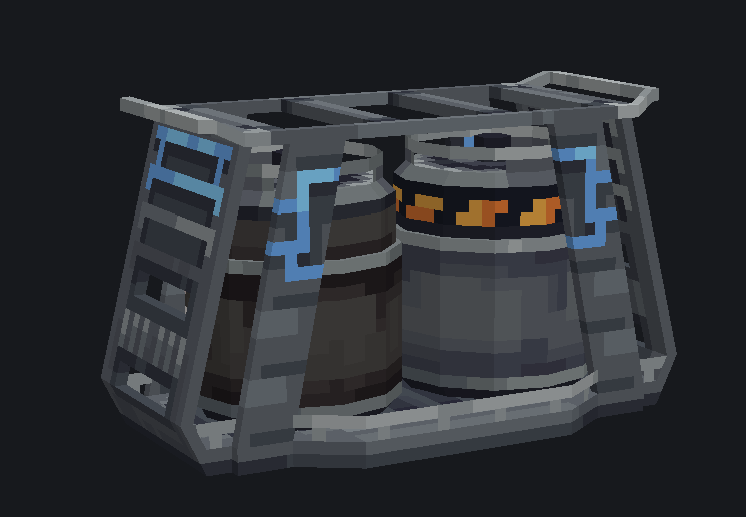
Some inspiration I’m looking at comes from a Lospec Community Discord server run by @lampysprites, and it’s been really interesting learning from observing different artists’ styles in creating lowpoly pixel art. Here are some examples:
Tools of… for the Trade?
I’m heavily leaning towards looking into Blender again despite dropping it for Autodesk Maya when I was still trying to 3D model our characters. The Primabase Blender plugin is the main reason why I’m reconsidering it again: it gives the user the ability to connect Blender and Aesprite, a pixel art tool, so they can paint indirectly on top of the wrapped UVs. Really I’d be painting on the unwrapped UVs, but I’d see in live time how my texture is looking. This is better than constantly importing or refreshing .PSD texture files in Maya. @lampysprites also created Primabase!
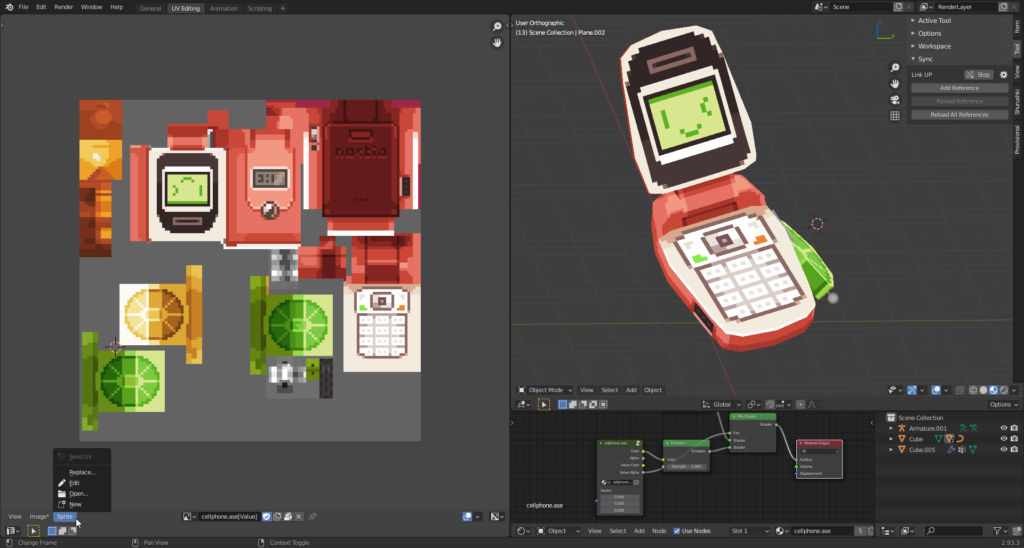
This will require me to work directly on my computer and not on my beloved, free iPad (which I won at a hackathon haha). At least I have a corded tablet I can use for this! I’ve also been accepted for some free mentorship in Blender, so let’s see how this goes.
Another art post from the blog called “artdegree” for a CS class.
Ryan Davis
