
I mainly thought of job descriptions as something you skim before applying to a job. After learning more about them, I realized how important they are for almost every part of human resource management. They guide hiring decisions, training plans, performance evaluations, and even pay structures. Because of that, one major challenge is keeping them accurate. Jobs evolve as organizations grow, and responsibilities shift over time, which means a description can become outdated much faster than people expect.
In past jobs, I sometimes felt unsure about what counted as my core responsibilities. Without a clear description, it was hard to know whether I was meeting expectations or going above what the job actually required. The lectures pointed out that unclear descriptions can lead to frustration, conflict, and even lower performance because employees do not know how their work will be judged. This lack of clarity also affects managers since it becomes harder to evaluate employees fairly when the expectations are vague.
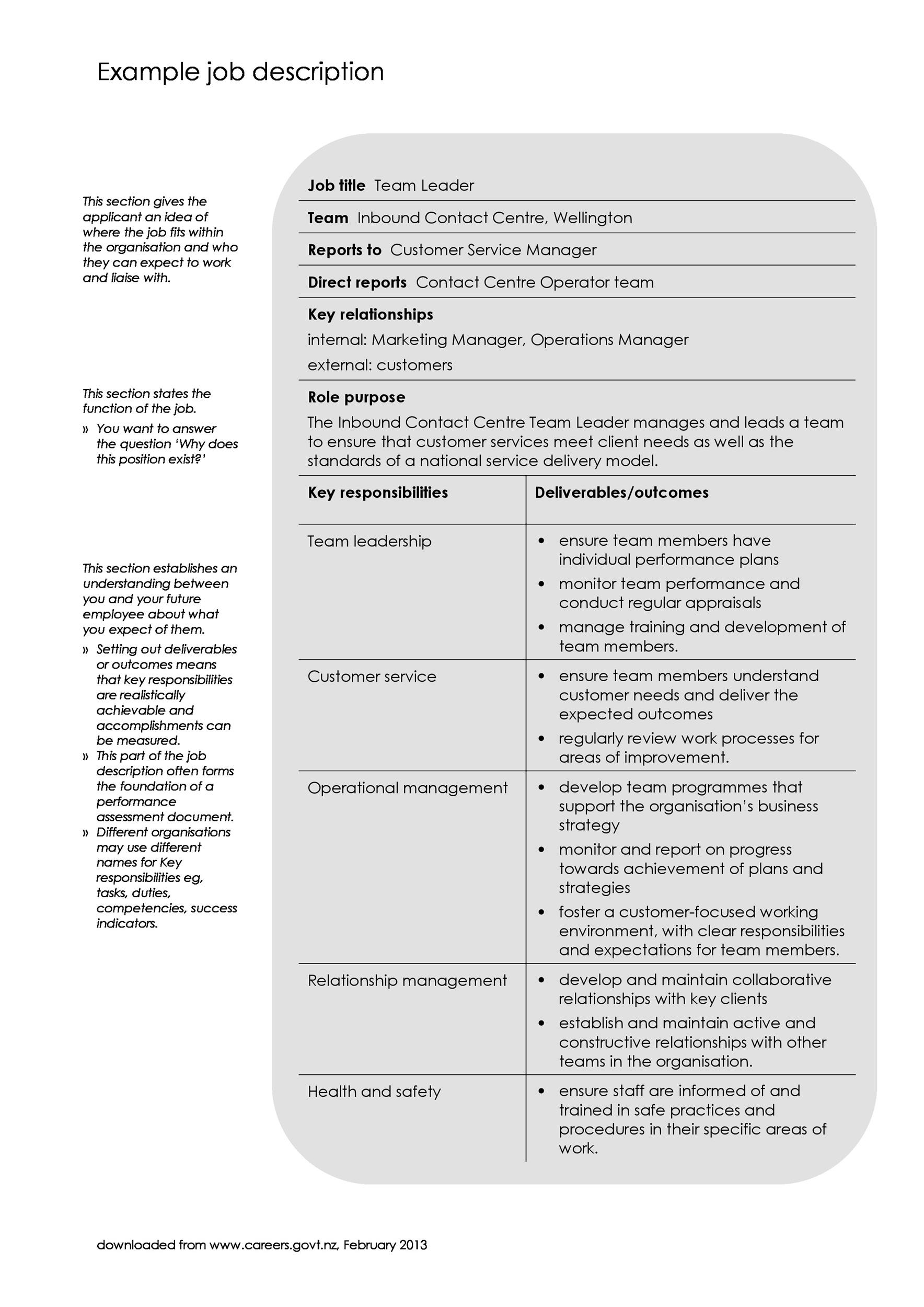
One idea that stood out to me from the materials is how important it is to involve employees when updating job descriptions. They understand the day-to-day tasks better than anyone, and they can point out responsibilities that may not have been included originally. A good system would be to schedule regular reviews where employees and supervisors discuss whether the description still reflects the job. This not only keeps information accurate but also strengthens communication and trust within the organization.
After reflecting on all of this, I realized that job descriptions are not just administrative paperwork. They are tools that help create structure, set expectations, and support both employees and managers. When organizations maintain them well, everyone benefits.