
By Norma Kline, Oregon State University Extension Forester for Coos and Curry Counties
This is the ninth and final article in the Writing a Forest Management Plan series. The objective of this series is to break the process of writing a forest management plan into simple steps intended to make the process accessible and straight forward regardless of your previous skills and knowledge. If you already have a management plan, use these steps to help review and update your plan.
The first articles cover how to generate the basic property information and maps for your forest management plan from web-based mapping resources, map forest cover (stands) based on stand age and species, describe stand characteristics and take simple plot measurements and make simple calculations of stand averages from your plot data. In the seventh article we explored how to find soils information for your property and in the eighthth article we covered how to find information on water resources. The links to the first eight topics are at the end of this article. In this final article, we will explore wildlife and habitat.
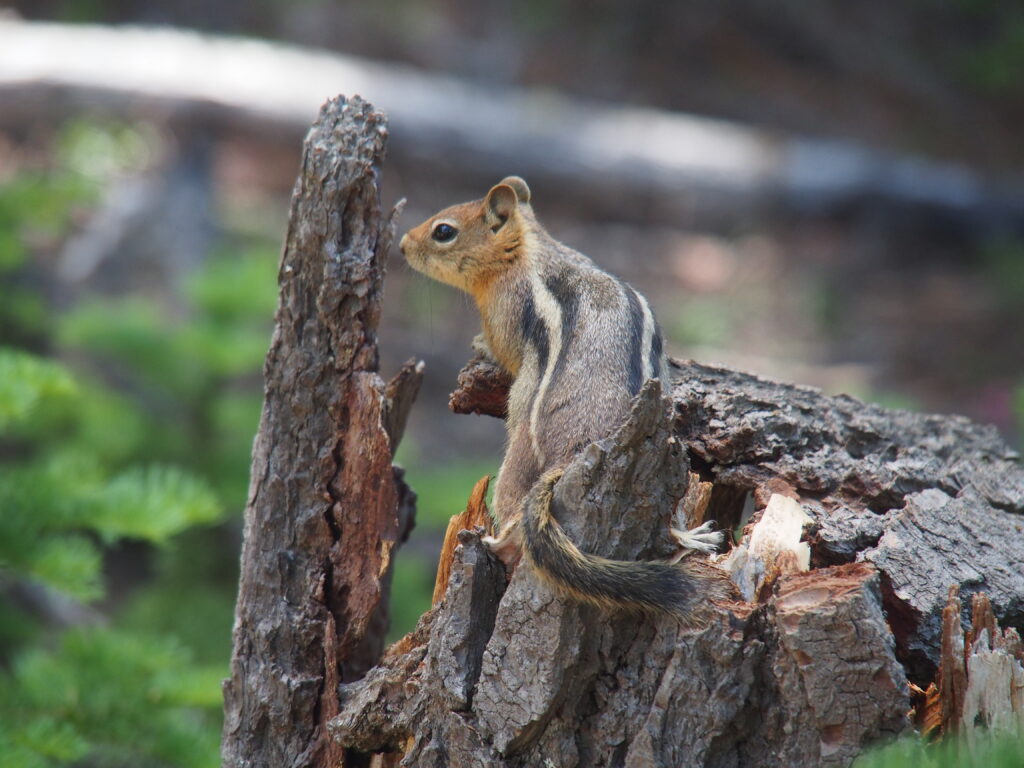
The Pacific Northwest is known for its abundant fish and wildlife, and small woodland owners may frequently see an array of common wildlife species. Depending on your objectives for owning your woodlands, you may be interested in planning management activities to improve wildlife habitat. The first step is to determine what species might occur on or near your property. Then, consider which species you would like to focus on, identify the habitat characteristics they require, and determine whether your property already has those habitat characteristics or what management actions you could take to improve them.
The diversity of tree and shrub species, as well as the presence of standing dead trees and decaying logs, all influence the wildlife species found on your woodland. Many wildlife species are generalists, meaning that they can survive in an array of environmental conditions. Others require specific habitat characteristics for nesting, foraging and dispersal. For a more in-depth discussion on improving wildlife habitat, view the Tree School Online video that discusses Forests as Habitat for Wildlife: Priority Actions for Habitat Management (link is in resources section).
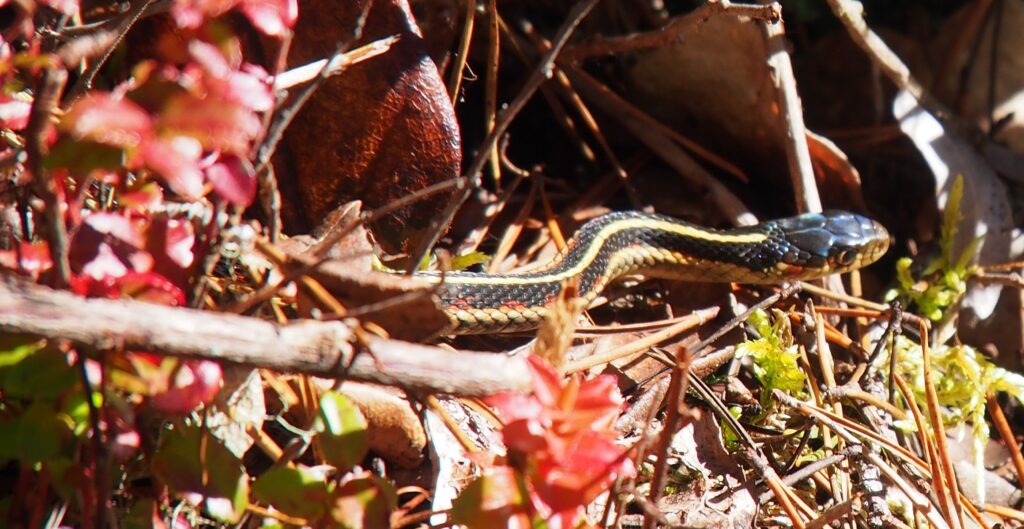
For example, if you are interested in improving neotropical songbird habitat on your property (these birds migrate south each winter and return to North America in the spring to nest), begin by exploring their habitat requirements (see the resources section for more information). Then assess whether your woodland has those habitat characteristics. For instance, does your woodland include a diversity of hardwoods and shrub species as well as snags (dead trees) for cavity nesting species? The information gathered for the Stand Characteristics table (page 13 of the management planning template) can help you evaluate the current conditions of each stand. Some woodlands may consist of dense young conifers with little or no hardwood or shrub presence. In these cases, management actions might include thinning and creating canopy gaps to encourage hardwood and shrub development.
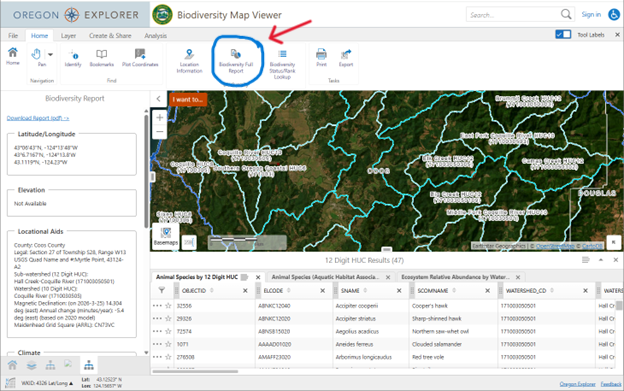
Several resources are available to help you learn more about wildlife species in your area. The Oregon Explorer Biodiversity report is an online map that allows users to select the watershed area and view a list of species. Select the Biodiversity Full Report option in the top menu, then choose your watershed area to view known species. https://tools.oregonexplorer.info/OE_HtmlViewer/index.html?viewer=biodiversity
The Woodland Fish and Wildlife site is a useful website to learn more about wildlife habitat: https://woodlandfishandwildlife.com/
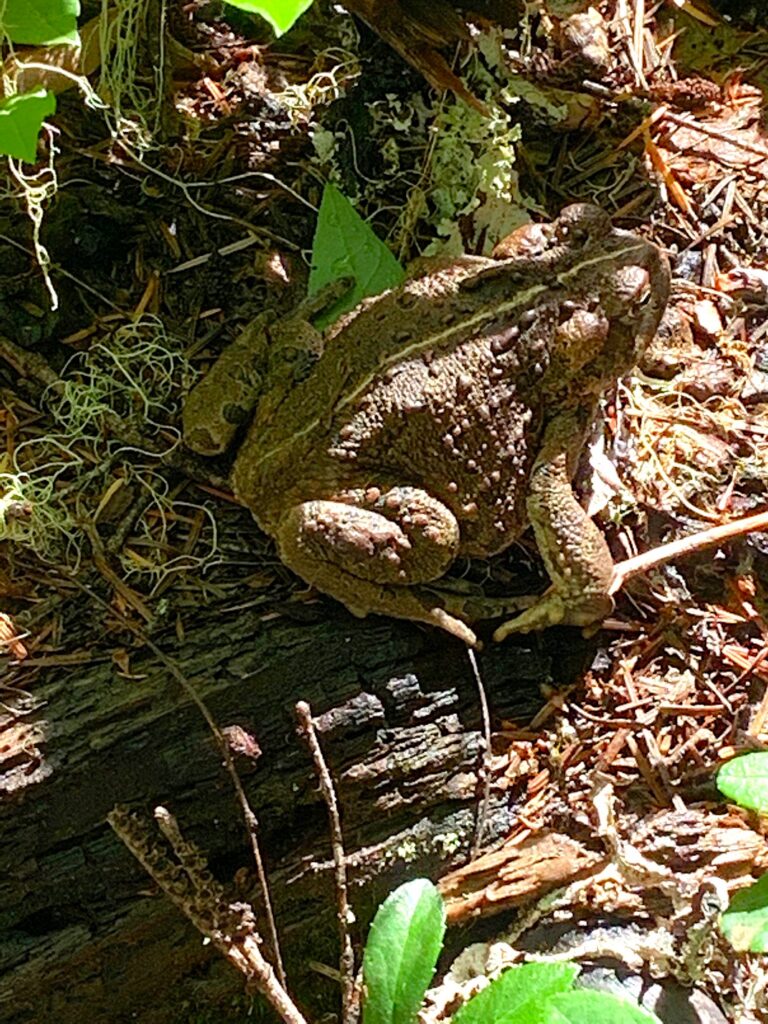
Additionally, the Oregon Forest Resource Institute provides a helpful overview of wildlife species: https://oregonforests.org/wildlife-oregons-forests
To complete the wildlife section of your management plan, describe your desired wildlife species and habitat conditions in the Fish and Wildlife Table (page 19). This description can be brief or as detailed as you wish. You may also document problem species in this section. For example, you may have observed invasive nutria (a large non-native rodent) burrowing near ponds or rivers. Be sure to connect your wildlife related goals to your overall management plan by documenting objectives for specific stands in the Management Objective section of the Stand Characteristics Table (page 13) and outlining any planned wildlife-related projects in the Planned Management Actions section (page 31).
The Fish and Wildlife Table also includes questions related to threatened and endangered species. Consult with your ODF Stewardship Forester to see if there are regulated species that may influence management of your woodlands.
Once you have completed the wildlife section, the next section in the management planning template addresses roads. This is an extremely important component of your plan, as access to various areas on your property will determine how you implement future management actions. Watch for the new and updated Extension publication Managing Woodland Roads: A Field Guide, which is expected to be available in the OSU Extension Catalog this summer. This guide will cover practical methods for inventorying and documenting woodland roads. Check in the OSU Extension Catalog: https://extension.oregonstate.edu/catalog/pubs-by-top-level-topic
In this nine-part series, we have covered basic steps to help woodland owners get started on a management plan. Additional sections needed to complete your plan include wildfire protection, recreation, and cultural resources. Refer to the Oregon Forest Management Plan Guidelines for guidance in completing these sections; these guidelines serve as a valuable reference for each part of the plan.
Finally, a few closing thoughts on the management planning process: there is great value in assessing your goals and objectives, taking stock of your resources and developing a schedule of planned actions. These steps will help you more efficiently steward your woodland and may save you money by helping you consider the logical sequence of operations. Consider treating your management plan as a living document that is updated periodically. Updates may be necessary as conditions on your woodland change or as your family’s objectives evolve. Revisit your plan regularly to ensure it continues to meet your needs.
We hope you enjoy your management planning journey!
Resources
Oregon Forest Management Plan Template and Guidance. https://blogs.oregonstate.edu/forestplanning/templates/
Managing Forest Habitats for Migrant Songbirds https://woodlandfishandwildlife.com/wp-content/uploads/2015/05/migrant-songbirds.pdf
Tree School Online video: Forests as Habitat for Wildlife: Priority Actions for Habitat Management https://www.youtube.com/watch?v=S27Us_Jrzx0
Find an ODF Forester https://www.oregon.gov/odf/working/Pages/findaforester.aspx
Articles in the Writing a Forest Management Plan Series:
1 – Start with the easy sections. https://blogs.oregonstate.edu/southcoastfieldforest/2024/02/15/writing-a-forest-management-plan-start-with-the-easy-sections/
2 – Mapping stands.
3 – Measuring plots to describe your woodland.
4 – Summarizing plot measurements to describe your woodland.
5 – Describing stand characteristics.
6 – Using stand inventory data to determine density. https://blogs.oregonstate.edu/southcoastfieldforest/2025/08/08/writing-a-forest-management-plan-using-your-stand-inventory-data-to-determine-future-management-actions/
7 – Finding information on soils and geology. https://blogs.oregonstate.edu/southcoastfieldforest/2025/11/25/writing-a-forest-management-plan-finding-information-on-soils/
8 – Water Resources.