by Ella Ruland, Michael Kearney, and Noah Hollen
Audio – Ella Ruland
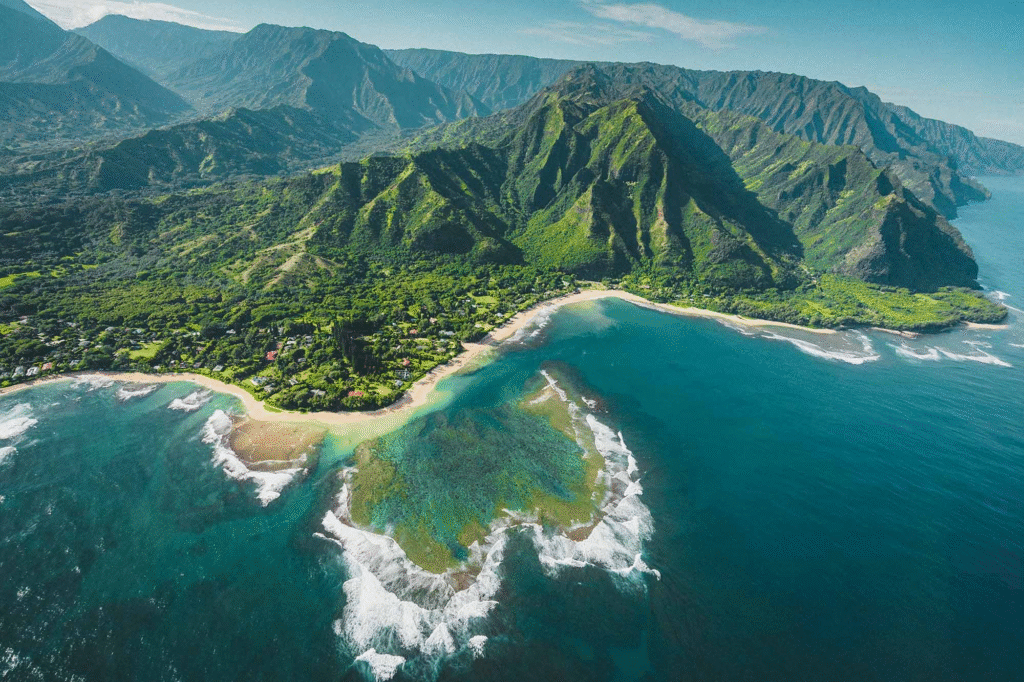
Welcome!
Maui, Hawai’i is a very famous, well known tropical paradise known for being the #1 honeymoon destination in all of the US. Maui is the big island in Hawai’i and is popular for many vacations as well as summer vacation and winter holidays. There are tourists going in and out pretty much year round which heavily affects locals and the environment. Hawai’i in general is a very beautiful island with a high biodiversity and it can be fragile. With a majority of the population being outsiders the environment can be abused and taken for granted. This is a large issue because Hawai’i and specifically Maui is an ecosystem we want to preserve, therefore there are sustainability efforts heavily dedicated to Maui. In this blog, we will discuss the negatives of tourism in Maui, Hawai’i from environmental, to social, and to cultural issues.
Sustainable Tourism Framework
Audio – Ella Ruland
Since Maui is known for being one of the world’s largest vacation destinations, tourism is heavy there. With never having a break in between seasons, there’s constant stress. The Sustainable Tourism Framework is an approach that benefits tourist-communities through focusing on environmental, socio-cultural, and economic issues.
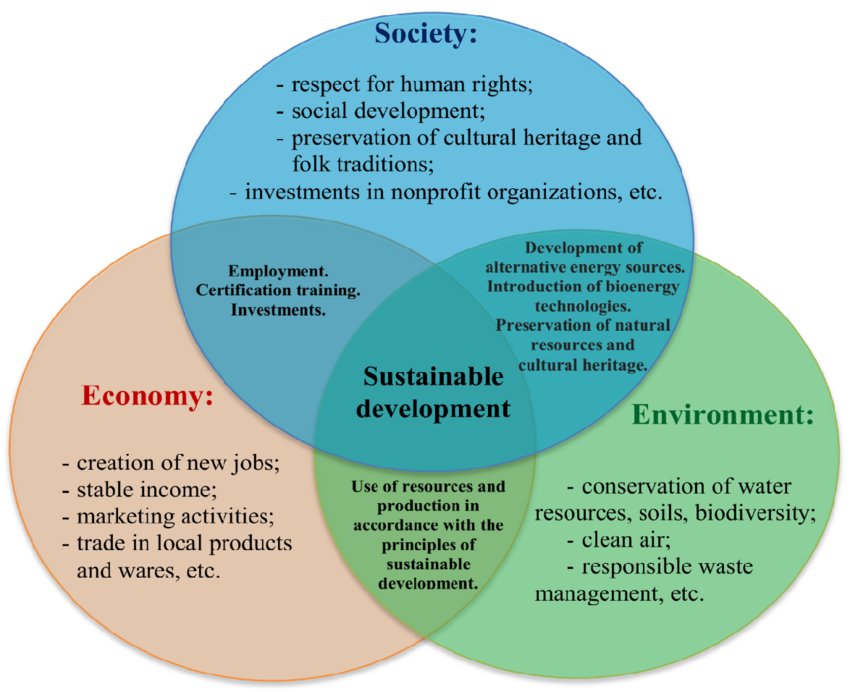
The purpose is to meet the needs of each issue and to compensate for what is needed or what is lacking. For example, tourism brings in tons of revenue for Maui, “In fact, it receives over seven million visitors annually and the tourism industry contributes 12 billion dollars to the economy each year (Agrusa et al., 2010),” (Clayton, 2022). The Sustainable Tourism Framework also highlights negative issues that have been hurting the communities like big business, abuse of labor, tourism harming the environment, and others. STF has different values depending on the community, therefore for Maui, the environmental, socio-cultural, and economic factors will be different than other communities. The environmental issues that STF highlights is how the large amount of tourism damages the land because of increased infrastructure to house tourists. For socio-cultural impacts, “The tourism industry also affects the life of Hawaiian residents because their country is put on display and their culture is used as a marketing tool,” (Clayton, 2022). Plus, with Maui being so popular for tourism, the price for basic needs supplies for locals have skyrocketed. Overall, each of these issues and more has led to indigenous population decreasing in Maui which also results in a decline of culture and even the native language.
Environmental, Socio-Cultural, and Economic Impacts of Tourism
Adverse Environmental Impacts
Audio – Michael Kearney
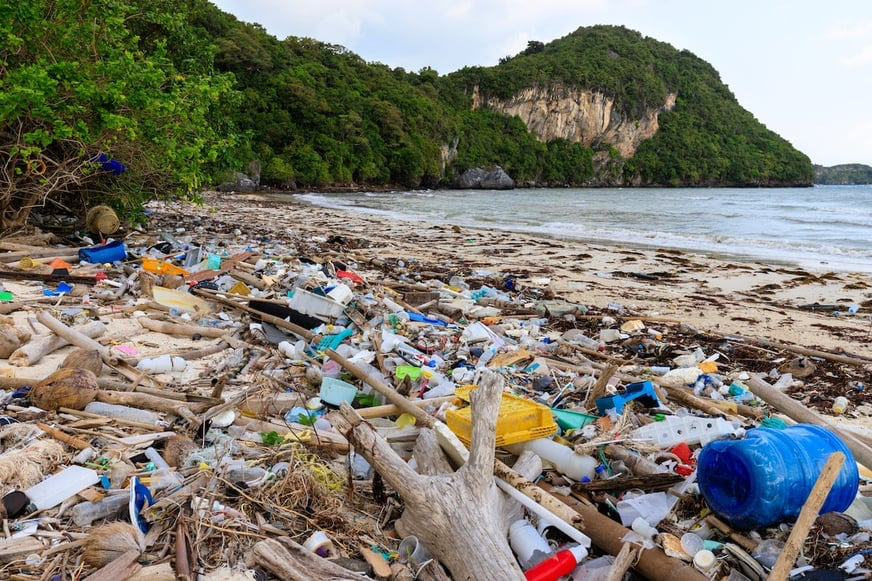
Crowds flock to Maui’s shores each year, drawn by shimmering reefs and sunlit sands. Yet behind the beauty lies a quiet toll on nature’s balance. Instead of harmony, foot traffic tramples delicate habitats where life once thrived unseen. Snorkelers brush against corals, their touch adding up when multiplied by thousands. Coastal construction feeds runoff into waters, clouding clarity and smothering sea floors below. Bleached skeletons now mark what vibrant underwater cities were. Pollution trails travelers like an unnoticed shadow, seeping beyond resorts into wilder zones. Fish vanish where noise and waste grow louder than tides. Protected spots still hum with color proof that space to breathe matters. Without room to recover, even resilient places begin to thin out, strand by silent strand. Not far from resort shores, the land shows wear. Maui’s draws lose charm when nature frays at the edges. Where visitors gather, so do problems: habitats shrink, trash piles up, water runs low, power drains fast, a rhythm repeating across Hawaiian islands.
Adverse Socio-Cultural Impacts
Audio – Michael Kearney
Outside the resorts, life has grown harder since the fires swept through. When flames tore across West Maui, they didn’t just burn homes; they laid bare a deeper strain between locals and an economy built on visitors. Rent jumped fast after the smoke cleared, hitting those who could least afford it. Many now spend far more than before just to stay housed, while work in hotels or tours shrank without warning. Homes were already scarce; now, finding one feels near impossible. With fewer jobs and higher costs, people are pushed further into uncertainty, something felt deeply but rarely spoken aloud. Fewer places to live show up clearly when talk turns to holiday lets take too much space on the island, pushing prices higher because so many homes now serve tourists instead of families. This shift has led officials to push changes, trying to turn temporary spots into stable homes again. The move reflects growing awareness: when locals get priced out by visitor demand, daily life frays at the edges.
Economic Impacts
Audio – Noah Hollen
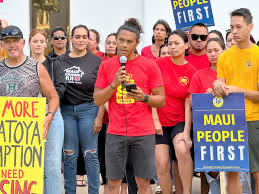
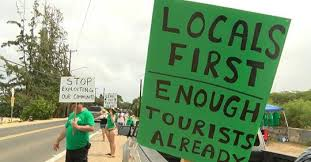
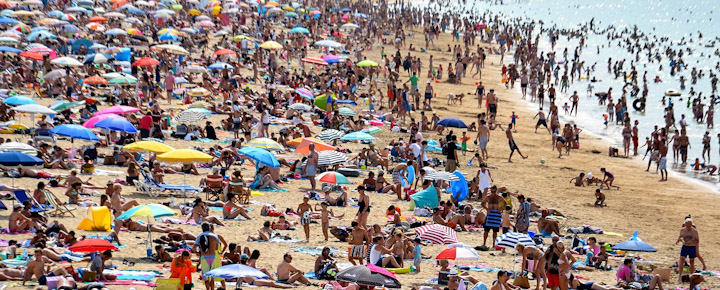
Seasonality impact: Seasonality plays a large role in determining when people will travel to Hawaii and in Maui it is highly predictable. The traditional vacation cycle causes a boom and bust cycle according to a travel news article called, “Hawaii’s Low Season Is Quieter But Its High Season Is Chaos.” This boom and bust cycle causes job instability. In the boom part of the cycle beaches become overcrowded and congestion on the roads worsen. This instigates a negative perception towards tourists from locals and increases confrontations.
Low wage labor: Given how far away Hawaii is from the mainland U.S, its infrastructure is limited and its already expensive cost for food becomes strained and even more expensive when under high demand from surges of tourists. Due to the state’s high dependence on tourism there are higher prices in combination with low wages that don’t amount to enough to offset the high cost of living. (Smith 2026). This reality greatly weighs on the shoulders of locals and creates an anti tourist perspective of locals.
Housing pressure: Similar to this issue is Hawaii’s cost of housing where there is a low housing supply and a high demand for what’s out there. Short term vacation rentals are a major factor of rising housing costs and an overall limited supply of housing (UH News, 2023). There is a transition of more and more people turning their homes into short term high profit vacation rentals. Important to mention is a Barcelona study that found that adding 50 short term rental homes to a neighborhood increased housing costs by 5 percent and rents by 2 percent. This coupled with a high demand for housing and limited supply is causing a housing shortage.(Lopez and Moseny, 2020). The result of this is locals leaving Hawaii for the U.S mainland. Since 2020 Hawaii’s population has decreased by roughly 22,000 people (Hawaii Census, 2026). With people moving in and locals leaving Hawaii’s culture has eroded and authenticity dims. The top reasons for this out migration being high cost of living and rising housing costs both of which are strongly correlated to the impacts of its tourist based economy.
Community Perspectives
Audio – Noah Hollen
Now people who live there are speaking up, tired of how tourism lifts profits while ignoring neighborhood needs. Following the fires in Lahaina, elders and organizers started asking for travel that slows down, pays attention, because some sites carry pain, history, and memories still raw. Because healing takes time, they say guests must be differently aware, quiet, thoughtful, not just passing through. Their vision? Tourism that gives back, honors roots, supports repair instead of chasing dollar signs.
How can tourism help Maui, Hawai’i?
Environmental
When it comes to the environmental effects of tourism on Hawaii, litter on its beaches is a notable effect. In making voluntourism a part of the Hawaiian experience for tourists which couple help to clean up beaches and public areas. (Puoy and Gries, 2024). Another environmental impact is the use of sunscreen as it pertains to impacting reefs along Hawaiian coasts. Tourism increases and as does the intensities of people coming to the islands at certain times of the year. The effects of sunscreen on the reefs intensifies which contributes to coral bleaching that in turn impacts fish populations (Jordan, 2022). While there is already progress being made towards this issue, bringing this to the podium of environmental concern is crucial and making political changes have been a major step in the right direction.
Socio-Culture
One of the main issues that tourism has on Maui Hawaii’s culture is the gentrification that is occurring which is causing people in Maui to leave the Island for the states due to it being unaffordable for local communities with Island income. While non native Hawaiians move in which weakens the culture. A solution to this would be to create housing that prioritizes building taller buildings that can accommodate more people. Another Socio Culture Impact is cultural disrespect from tourism along with the taking of souvenirs. The first way to fix this issue would be to help people understand why Hawaii’s culture is unique and important to its communities. An island Hopper Guides article on Hawaiian culture explains how educating tourists and making that one of the first parts of their Hawaiian experience is the most important way to limit these negative effects of tourism on Hawaiian culture.
Economic
Higher prices and cost of living from the state’s dependence on tourism is proving to be a large problem. Making sure tourism revenue goes back to the locals as it relates to community based tourism is largely important in making tourism more sustainable for Hawaii and communities. This would prevent leakage and bring back benefits to the already financially strained locals of Hawaii. Some ways Hawaii’s boom and bust cycle could be fixed would be prioritizing the growth of business in the non tourist sector of the economy. This would shift the economy and its worker reliance away from the tourist sector ,while enhancing a more dependable, but less profitable aspect of the economy. Given how Hawaii’s boom bust cycle of tourism is largely associated with the times of year most Americans are most inclined to vacation, there are certain things that could be done to help balance out this issue. Lowering prices during the off season could incentivize more travelers to fill in the bust cycle.
Audio – Noah Hollen
References
2025 STATE POPULATION ESTIMATES. (2025). Hawaii.gov. https://census.hawaii.gov/main/2025-state-pe/
Beat of Hawaii. (2026, January 2). Hawaii’s Low Season Is Quieter But Its High Season Is Chaos. Beat of Hawaii. https://beatofhawaii.com/hawaiis-low-season-is-quieter-but-its-high-season-is-chaos/
Clayton, D. (2022). Trouble in Paradise: The Effects of Tourism on the Culture of the Hawaiian Islands. Pressbooks.library.upei.ca, XI(1). https://pressbooks.library.upei.ca/artsreview-xi/chapter/trouble-in-paradise/
Garcia-López, M.-À., Jofre-Monseny, J., Martínez-Mazza, R., & Segú, M. (2020). Do short-term rental platforms affect housing markets? Evidence from Airbnb in Barcelona. Journal of Urban Economics, 119(1), 103278. https://doi.org/10.1016/j.jue.2020.103278
Hawaii residents’ tourism sentiment turns positive. (n.d.). Www.travelweekly.com. https://www.travelweekly.com/Hawaii-Travel/Insights/Hawaii-residents-tourism-sentiment-turns-positive
Hitt, C. (2021, February 21). Hawaii residents’ tourism sentiment turns positive. Www.travelweekly.com. https://www.travelweekly.com/Hawaii-Travel/Insights/Hawaii-residents-tourism-sentiment-turns-positive
Jordan, R. (2022, May 6). Understanding how sunscreens damage coral | Stanford Doerr School of Sustainability. Sustainability.stanford.edu. https://sustainability.stanford.edu/news/understanding-how-sunscreens-damage-coral
News, U. (2025, March 17). Persistent income, employment, housing challenges for Maui’s fire-impacted households | University of Hawaiʻi System News. University of Hawaiʻi System News. https://www.hawaii.edu/news/2025/03/17/maui-wildfire-survey-report-update/
News, U. H. (2023, April 19). Short-term vacation rentals driving up home prices, rents | University of Hawaiʻi System News. https://www.hawaii.edu/news/2023/04/19/short-term-vacation-rental-effects/
Pouy, N., & Gries, L. (2024, January 16). Rethinking Tourism in the Wake of West Maui’s Wildfires | Article | EESI. Www.eesi.org. https://www.eesi.org/articles/view/rethinking-tourism-in-the-wake-of-west-mauis-wildfires
Team, E. (2025, May 7). How are tourists ruining Hawaii? – The Environmental Literacy Council. The Environmental Literacy Council. https://enviroliteracy.org/how-are-tourists-ruining-hawaii/
UHERO. (2026, February 19). Is Hawaiʻi Being Left Behind? – UHERO. UHERO. https://uhero.hawaii.edu/is-hawai%CA%BBi-being-left-behind/
Welcome To Zscaler Directory Authentication. (2026). Apnews.com. https://apnews.com/article/2f73c657e2fb40b65d707889bac56b63