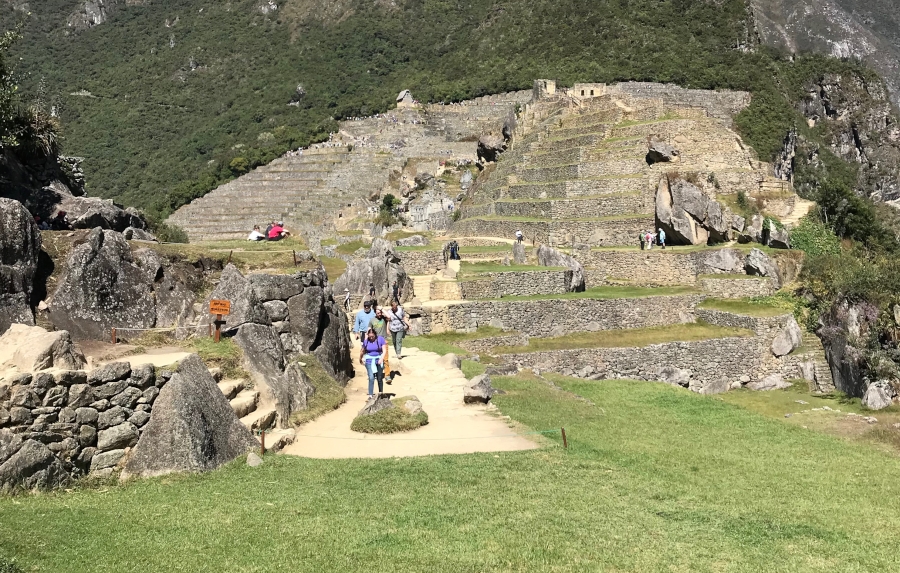
Machu Picchu was originally built by the Inca Empire in the 15th century. It was then abandoned and hidden until 1911 when an American explorer, Hiram Bingham, found it (Inca Trail Machu, 2023). Since then, the Peruvian government made Machu Picchu a protected area, and then later a UNESCO World Heritage site. Currently, the Peruvian Government manages Machu Picchu, specifically the Management Unit of the Historic Sanctuary of Machu Picchu (UGM), with the help of UNESCO. The public agency, the National Service of Natural Protected Areas by the State (SERNANP), oversees the management of the environment in Machu Picchu and the Ministry of Culture manages the citadel itself (Wikipedia, 2025b).
The management of Machu Picchu is funded by many various separate sources, including partnership with other countries. In 1986, Peru requested and was granted financial support through UNESCO for the implementation of a management plan (UNESCO, n.d.-a). From 1997 to 2002, a conservation program called Programa Machu Picchu was funded in a debt-swap agreement with the Finnish Government (Polidor, 2003). Now, Machu Picchu continues to be funded through international aid as well as the generated revenue from its entry fees.
Before Machu Picchu became a protected site it was home to the Incas and considered a sacred site. After the fall of the Incas, it was abandoned until the 1900s and then later became a protected area. While nobody was directly displaced in the creation of this protected area, this protected are affects the local communities surrounding the area as well as the Indegenous people of Peru who seek to preserve their cultural heritage. The local communities have been integrated into the management plans in Machu Picchu by helping with native tree nurseries for reforestation. Indigenous knowledge has also been implemented to help protect the culture and incorporate indigenous management perspectives (Ministerio de Cultura, n.d.).