I chose to focus on construction companies because that is the industry I plan to work in as a future manager, and I want to better understand what it takes to lead effectively in that environment. The five companies I selected, PCL Construction, PulteGroup, Tri Pointe Homes, David Weekley Homes, and Power Home Remodeling, are all recognized as great places to work, which made them especially interesting to analyze. I was particularly interested in David Weekley Homes because I have spoken with representatives from the company in person and learned about their strong, people centered culture. However, I also noticed that their starting pay is lower than industry competitors, which raises an interesting question about what truly makes a company a great place to work. This led me to explore how these companies use HR practices to create engaged employees and how those practices connect to the concepts discussed in class.
What These Companies Do Well
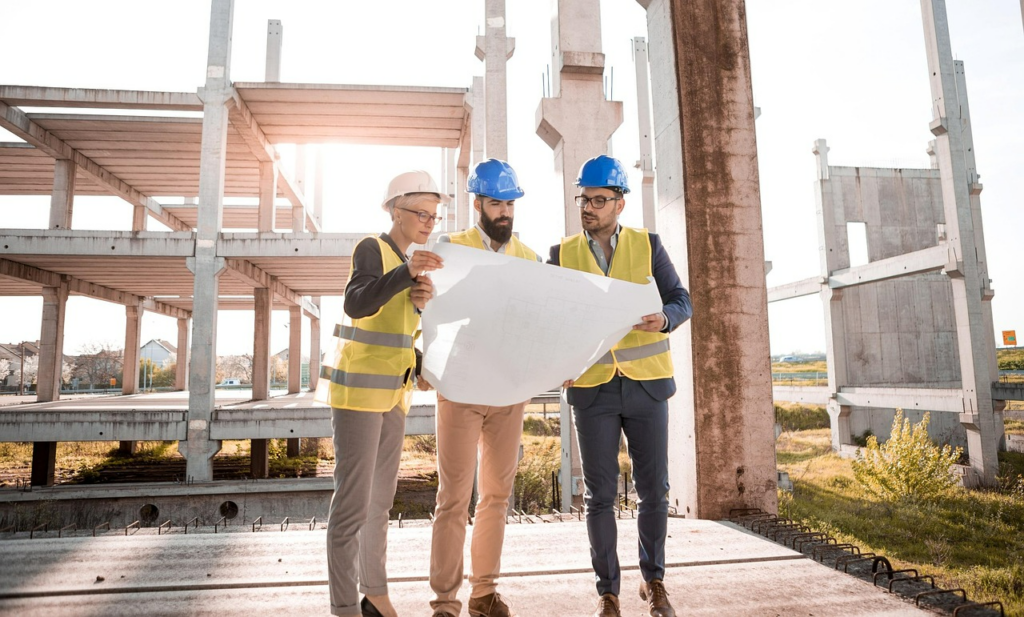
Across all five companies, one of the biggest patterns I noticed is how much they focus on creating a strong and supportive culture rather than just offering high pay or benefits. Employees consistently mention feeling welcomed, valued, and trusted, which shows that these companies prioritize engagement and relationships. For example, many of them emphasize teamwork, leadership development, and giving employees real responsibility early on. This aligns with what we learned in class about how HR practices influence employee attitudes and performance. When employees feel connected to their work and supported by their managers, they are more motivated to contribute to company goals.
Another thing these companies do well is invest in employee growth. Whether it is through training programs, leadership opportunities, or community involvement, they are creating environments where employees can develop both personally and professionally. This is especially important in construction, where strong communication and leadership can directly impact project success. Overall, these companies show that being a great place to work is not just about compensation, but about how people are treated and developed within the organization.
What Kind of Manager I Want to Be and Challenges I Expect

After reviewing these companies, I have a much clearer idea of the kind of manager I want to become. I want to be someone who focuses on developing people, creating a positive team environment, and making sure employees feel supported in their roles. In construction, where projects rely heavily on teamwork and coordination, I think it is especially important for managers to communicate clearly, build trust, and help employees understand how their work contributes to the overall goal. I also want to prioritize growth by helping employees build their skills and take on new responsibilities, similar to what these companies emphasize.
At the same time, I recognize that being this kind of manager will come with challenges. One of the biggest challenges will be balancing business demands with employee needs. In construction, there are constant pressures related to budgets, timelines, and productivity, which can make it difficult to always prioritize development and engagement. Another challenge will be managing different personalities and skill levels within a team while still treating everyone fairly but not identically. Based on what we learned in class, effective managers adjust their approach depending on the individual, which can be difficult in fast paced environments. Overall, I think the challenge will be consistently applying these people focused practices while still meeting performance expectations.
Conclusion
Overall, effective human resource management goes beyond pay and benefits and instead focuses on creating a culture where employees feel valued, supported, and motivated. While compensation plays a role, engagement and strong leadership have a greater impact on performance and retention. This connects to what we learned in class about how HR practices shape employee attitudes and ultimately influence organizational success.
As I move toward a future role in construction management, I want to focus on creating a team environment where people feel encouraged to grow and contribute. Although balancing project demands with employee needs will be challenging, I believe prioritizing people will lead to stronger teams and better results.

One reply on “Human Resources In Action”
Hi, this is a comment.
To get started with moderating, editing, and deleting comments, please visit the Comments screen in the dashboard.
Commenter avatars come from Gravatar.