
Introduction
As we dive deeper into the development of the Create and Play Board Games Project, our team has explored a variety of technologies that have shaped GameForge’s functionality and user experience. This blog post reflects on the key technologies we’ve used, the challenges faced, and insights gained during the development process.
Favorite Technology: React
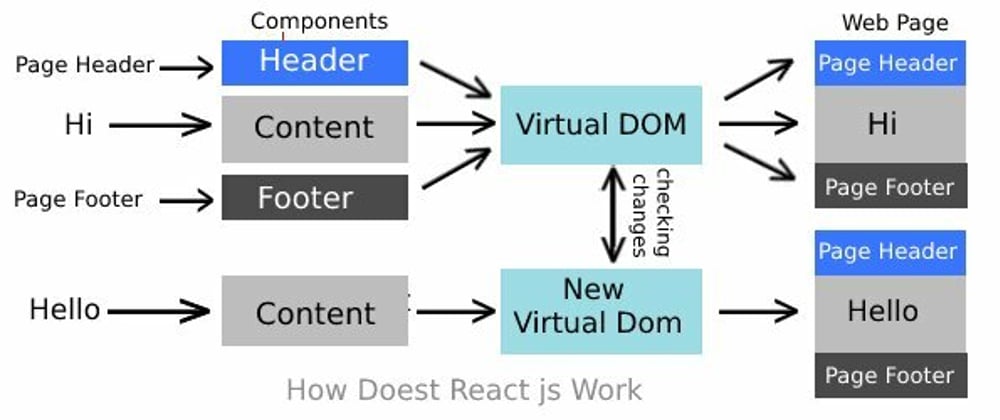
React has been my favorite technology in this project. Its component-based architecture makes it incredibly flexible and efficient for building dynamic user interfaces. The ability to create reusable components has streamlined our development process, especially with complex features like the grid-based board editor. React’s virtual DOM also enhances performance, allowing real-time updates without unnecessary re-renders.
How React Works: React operates on a virtual DOM, which is a lightweight representation of the actual DOM. When the state of an application changes, React updates the virtual DOM first, compares it with the previous version using a diffing algorithm, and then efficiently updates only the changed parts in the real DOM. This ensures fast and responsive UI interactions.
Least Favorite Technology: CSS Grid
While CSS Grid is powerful for layout design, it has been my least favorite due to its steep learning curve. Managing complex grid structures for different board sizes and ensuring responsive design has been challenging. However, combining it with Flexbox for certain UI elements helped mitigate some of the difficulties.
Here’s a cheat sheet to CSS Grid:

Challenging Yet Appreciated: State Management with React Hooks
Initially, managing state with React Hooks like useState and useEffect was overwhelming, especially when handling dynamic data in the grid editor and syncing state across multiple pages. Over time, as I grasped the nuances of hooks, I began to appreciate their simplicity and power in managing complex application states without relying on external libraries like Redux.
Technologies Used:
- React: For building the user interface.
- JavaScript (ES6+): Core scripting language for logic and interactivity.
- CSS Grid & Flexbox: For responsive and flexible layout designs.
- JSON: For data modeling and exporting board configurations.
- HTML5: For structuring the application.
- Socket.IO: For enabling real-time collaboration features, allowing multiple users to work on the board simultaneously.
- Node.js: To support the backend server functionalities and facilitate communication with Socket.IO.
Potential Changes:
If I could start over, I might consider using TypeScript instead of plain JavaScript. TypeScript’s static typing could have helped catch errors early, improve code maintainability, and provide better documentation through type annotations.
Learning Curve:
- Most Difficult: CSS Grid due to its complex layout rules and responsiveness challenges.
- Easiest: JSON for data modeling, as it’s straightforward and well-suited for representing the board’s configuration.
Wish List Technology:
While we successfully integrated Socket.IO, I wish we had explored Redux for more advanced state management as the project grew in complexity. This would have provided a more centralized approach to managing application state, especially for real-time updates.
Conclusion:
This project has been a valuable learning experience, exposing me to new technologies and deepening my understanding of web development. React, despite its initial challenges, has been the standout technology, offering the flexibility and efficiency needed to bring our game board editor to life.

CATEGORIES: Uncategorized