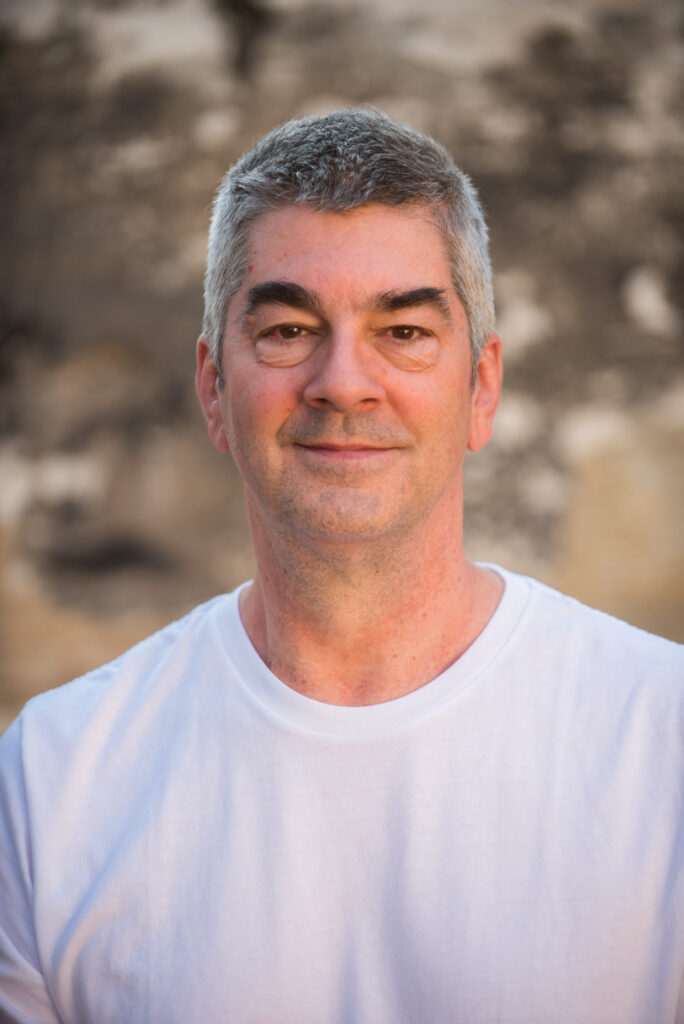
Prose faculty Mike Cooper on forging our own path as writers.
As we learn more about the process of writing, we’ll invariably come across aphorisms, maxims, axioms, and other pearls of wisdom that pass themselves off as indelible “truths.”
I recommend, rather than unconsciously filing these away in your belief bucket, to examine them and see where they come from, and to decide if they are truly true to you. And whenever someone gives advice that starts with “always” or “never,” always be skeptical.
Here is a list of a few concepts you may come across:
People are born writers.
If you believe that, and you happen to be one of the people who were born a writer, then you’re all set. But the reality is that anyone who has the passion and commitment can learn to write. And we can all learn to write better.
Writing is hard.
It is. And it should be. But again, if you have the passion and this is your chosen art form, it’s not too hard.
You should wait for inspiration.
Inspiration may hit when you least expect it. Carry a notepad or enable your voice memo on your phone. But it helps if your butt is already in a chair. As Pablo Picasso said, “Inspiration exists, but it has to find you working.”
Always open with a BANG!
Sometimes a whisper grabs our attention more than a shout.
Start in the middle of the action (in medias res).
Start where it makes the most sense. Chronology always exists, but we don’t have to follow it in our narrative. Feel free to write several pages of opening backstory for your own benefit, so you know what’s going on, but start where the reader wants to jump in.
Show Don’t Tell.
This one has become cliché. It’s worth looking at it in every situation. Just be aware. Show when you need to show, tell when you need to tell. Humans tend to learn more through experience than instruction.
Write what you know.
You can write about anything you want. That’s what the Google is for. It’s all your perception anyway. But be sensitive and respectful when writing about a culture that you’re inexperienced with. Do research and speak to people who live that culture.
Your protagonist must be likeable.
Not. Your protagonist must be relatable, but we don’t have to like them. See: The Remains of the Day, A Clockwork Orange, My Year of Rest and Relaxation).
Remove all your adjectives, adverbs, and passive verbs.
Use what works best. If there’s a verb that covers your adverb/verb combo that works better, do that. If the passive voice accomplishes your purpose better than the active voice, do that. Just know your tools and be conscious of your choices.
Write everything, then edit.
Some people are “planners” (outliners), some are “pantsters” (who write by the seat of their pants), and some are “plantsters” (a combination of the two). Do what works for you, but beware of “Editor’s Block,” where you stifle your creativity by overthinking the end result.
You should write every day for x hours.
Do what makes you happy. Writing shouldn’t become a chore. Your writing practice is your writing practice, and your goals are your goals.
Just wait until you get an editor.
Plot first, then write.
Or write first, then plot. Or do a little of both. Plot will always happen.
Never use the second person point of view.
This one is true.
Just kidding. Choose the point of view (and tense) that best accomplishes your purpose.
The only rule you need to know:
Learn the tools of the craft, be attentive to what you’re doing, and understand why you’re making the choices you make.
Connect with Mike online at https://osucascades.edu/directory/michael-cooper
Photo credit: Mike Cooper