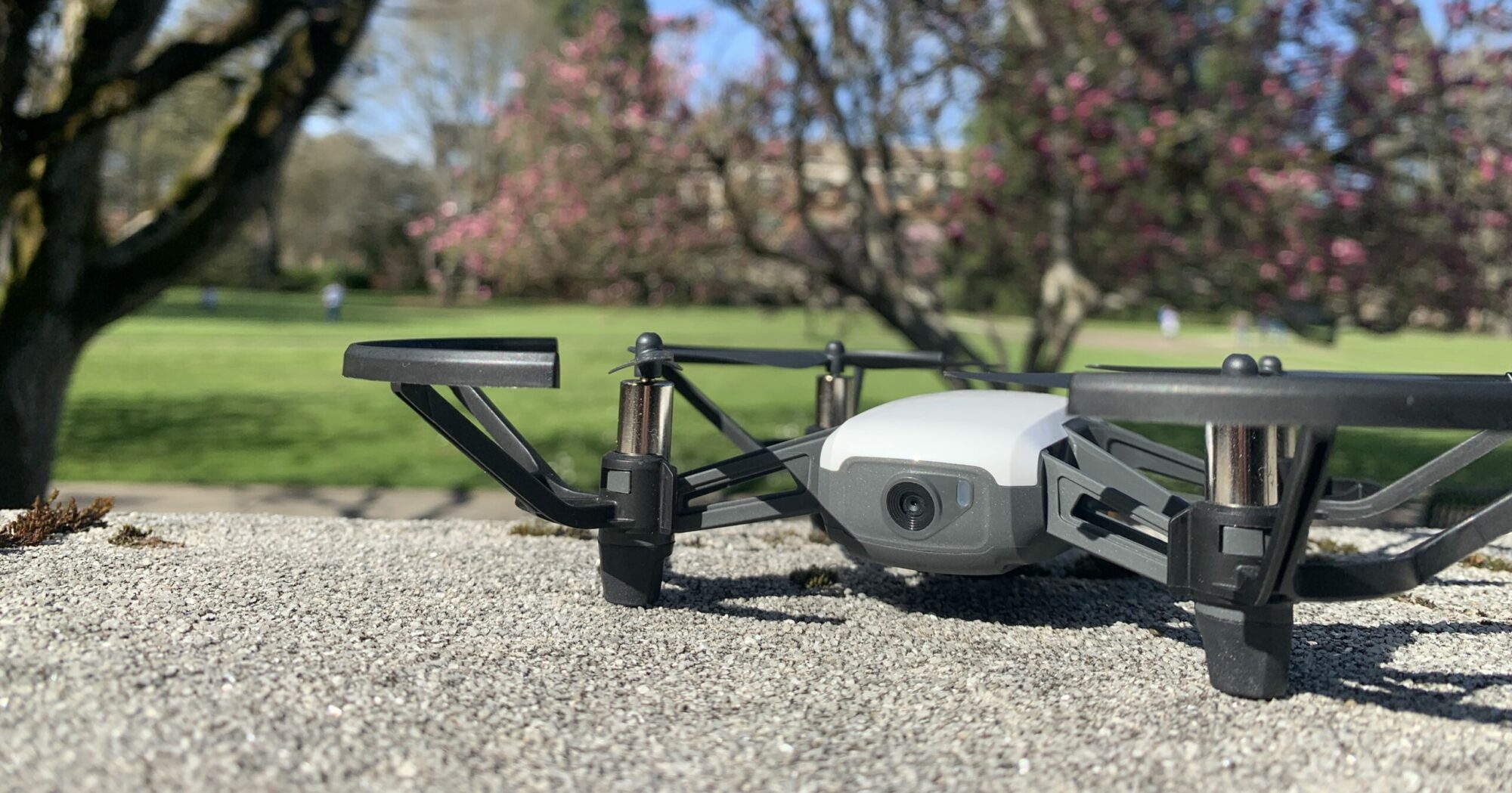
This week, I worked on finishing up the Drone Dance lesson plan, met with Dr. Adam Talamantes to talk about my lesson plan, and worked on creating a Build-A-Drone lesson plan.
READING ABOUT THE IMPACT OF USING DANCE TO TEACH STUDENTS ABOUT CODE
This week, I read the article “Choreographing Increased Understanding and Positive Attitudes towards Coding By Integrating Dance” by Breeann Flesch, Camila Gabaldón, Matthew Nabity, and Darryl Thomas. All of the authors of this article are from Western Oregon University, and the article was published in Volume 4 No. 3 of the International Journal of Computer Science Education in Schools.
The article was about the effect of integrating dance into coding lessons to increase the participation of minority students in coding by improving their attitudes towards coding, as well as by teaching coding in a way that is fun and engaging for them.
The article mentioned Peppler’s eight guiding principles of STEAM-powered computing education that were utilized in the coding lessons used with the students. The different parts of the coding lessons were described in the article, and these guiding principles were referenced throughout as they were addressed by the lesson. After reading about these, I would like to see if the lesson plans that I am working on already meet any of these principles and to see if I can incorporate more of them to further improve the lesson.
It was really awesome to hear about some of the student responses in the article saying that they felt more comfortable with coding and had a positive experience after participating in the lesson. It was also neat to read that the authors of the article are looking into creating a college class for college students to learn about coding through dance as well. I think that the research the authors are doing is really impactful, and they are doing it on a topic that I think is really valuable to continue exploring.
MEETING WITH DR. ADAM TALAMANTES
This week, I also met with Dr. Adam Talamantes. Dr. Talamantes is a part of Oregon State’s Pre-College Programs and helps with the Science and Math Investigative Learning Experience (SMILE) program.
During the time that I met with Dr. Talamantes, I asked him more about the work that he does and about the SMILE program. I found out that he is also working on doing a literature review on how programs can support problem-solving, creativity, and innovation in students through using technology, as well as creating an evaluation that can be useful for evaluating lessons and workshops like the one that I am working on. I also got to hear more about the SMILE program, which provides STEM education to students through after-school and summer programs.
I was really grateful to also be able to get some feedback from Dr. Talamantes on my Drone Dance lesson plan. I appreciated the suggestions that he gave me, such as adding extra activities and changing the ones that I already included to provide students with more opportunities to engage in teamwork. Examples included adding an “ice breaker” activity at the start of the workshop, which not only warms students up to the material that will be taught during the workshop, but also warms them up to the other students on their team. He also suggested adding more pictures, making things more interactive, and providing demonstrations for students in real time to make the workshop more friendly to them. I really appreciated his feedback based on his experiences working with students.
CREATING A BUILD-A-DRONE WORKSHOP LESSON PLAN
In addition, I also worked on a Build-A-Drone lesson plan. This lesson is slightly simpler than the Drone Dance one, but students get to work in teams to draw and design a drone to solve a problem of their choice. Afterwards, they get to use arts and crafts materials to create that drone in real life, which they will present to the class to explain what the drone does and the different design choices they made. The link to the lesson plan is included here. Like the Drone Dance workshop, I worked on making both an English and a Spanish version of the student packet so that the lesson can be taught to a wider audience of students. I was able to completely finish the plan for this lesson this week, and I plan to present it to my mentor this coming week to get some feedback.
GOALS FOR NEXT WEEK
I will be meeting with my mentor Victor Villegas the next week, and I look forward to sharing the progress I made with the Drone Dance and Build-A-Drone lesson plans. My goal for next week is to begin working on a lesson plan for the physics behind flight that can teach students a bit more about how drones fly. I also want to set aside some time to make changes to the Drone Dance lesson plan based on Dr. Talamantes’s feedback from our meeting, as well as to add some final touches to the slideshow presentation for that lesson to finalize it.
