Categories
Uncategorized

Week 9 Blog

Based on the results of the assessments, I learned several things about my own stress levels and personality. I scored a 170 on the Life Stress Inventory, which falls in the 150 to 250 range. One third of people in this range will experience an illness or accident related to stress. This suggests that I am experiencing a moderate level of stress. In addition, my results from the Coping and Stress Management Skills Test proved this correct with a “somewhat Stressed” score. The Type A Personality Survey indicate that I tend to have Type A personality traits. Type A personalities are often driven, competitive, and focused on achievement, which can be beneficial professionally but can also increase stress if not managed properly.

Fig 1: Take the Life Stress Inventory Results
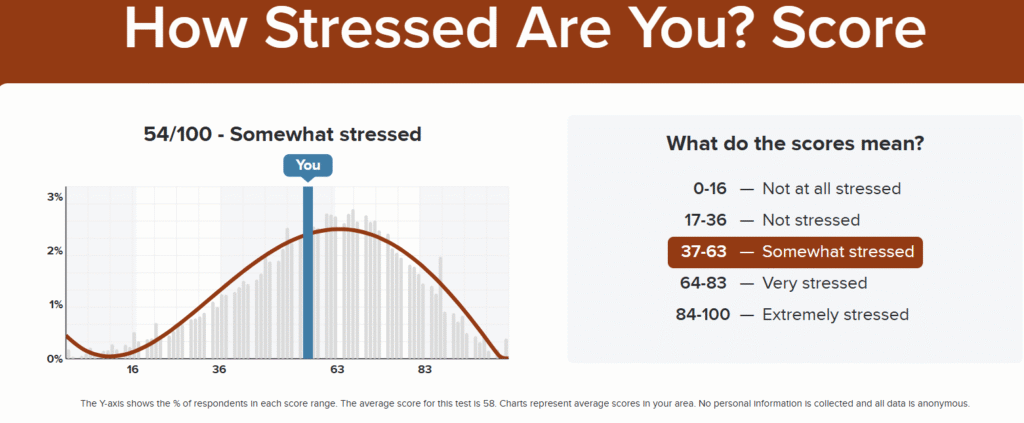
Fig 2: Coping and Stress Management Skills Test Results
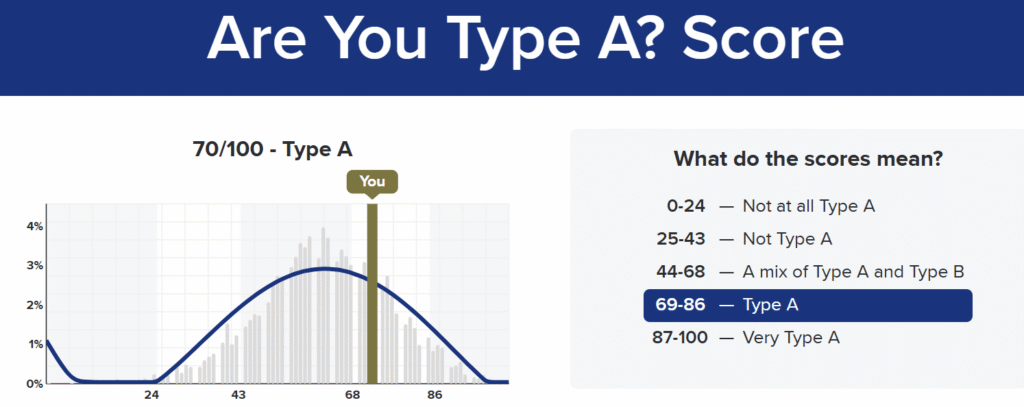
Fig 3: Take a Personality Survey Results

To better manage stress, I have looked into several steps I can take. One strategy is to plan ahead and anticipate challenges focusing on identifying potential problems before they occur. This can reduce stress by allowing me to prepare solutions early. I can also correct problems as they arise instead of letting them build into larger issues. In addition, feedback from supervisors, coworkers, or clients can help me adjust my approach and improve how I handle stressful situations. Lewin’s Force Field Theory also suggests that change occurs when forces supporting change outweigh resistance. By recognizing sources of resistance such as uncertainty, self-interest, or lack of trust, I can better manage stress and adapt to challenges.

I did some research and found that stress is also a major concern for organizations today. According to the World Health Organization, about 15% of working-age adults were estimated to have a mental disorder in 2019, and globally about 12 billion working days are lost each year due to depression and anxiety, costing roughly $1 trillion in lost productivity. Many organizations are responding by creating programs to support employee well-being. These include protecting and promoting mental health at work, supporting employees with mental health conditions, and offering stress-management training and resources. The CDC also emphasizes providing training and interventions that help workers reduce stress and maintain better mental health.

Overall, understanding my own stress levels and personality traits will help me take proactive steps to manage stress and build healthier work habits throughout my professional career.

Categories
Uncategorized

Week 8 Blog

Reflecting on my experience evaluating internship offers, I can clearly see how compensation motivated my behavior and ultimately influenced my decision. At the time, I received an internship offer that initially seemed like a good opportunity. The role aligned with my major, offered relevant experience, and came from a company with a solid reputation in the construction industry. My first reaction was to focus on the long-term benefits and how the experience could help my future career.

However, once I reviewed the compensation more closely, my perspective began to change. The position required full-time hours in a high-cost area, yet the pay was barely above minimum wage and did not include housing or relocation assistance. After calculating basic expenses such as rent, food, and transportation, it became clear that the compensation would not realistically support living in that area without relying on personal savings. This financial strain made the opportunity feel less practical.

What truly motivated my decision to decline the offer was not just the low pay, but what the compensation communicated about the role. The expectations suggested real responsibility and commitment, yet the compensation did not reflect that level of effort. This disconnect made me anticipate lower motivation and higher stress if I accepted the position, which would likely affect my performance and engagement.

I later accepted a different internship that offered a more supportive compensation package, including a housing stipend. Even though the hourly wage difference was small, the added support reduced stress and made the role feel fair and sustainable. As a result, I was more motivated to put in effort and fully engage. This experience reinforced that compensation influences behavior by shaping perceptions of value, fairness, and motivation.

Categories
Uncategorized

Week 6: Individual

Reflecting on 2 classes I have taken at Oregon State, I will explain my thoughts on why one was effective and why one was not while drawing from the course material for this week.

The class that I found to be very effective was the structures 2 course I took last term. I learned so much valuable information in this class and really connected with the teaching style the professor had. He did a good job of setting goals for the class and making it his priority for us to reach that goal. The main goal of the class being to prepare us for our next class in the segment which was much harder than structures 2, temporary structures. He focused on getting the class to conceptualize the material rather than memorize it and do good on his specific tests. His presentation was also very good, having 3 lectures a week with a recitation kept me engaged and really internalize the material. I also enjoyed the use of Hands-On presentation where he used real 2x4s and 4x4s to show the axial compression on the actual member as well as showing videos of steel members being used and how the force diagrams worked.

On the other hand, My Heavy Civil class was not helpful at all. It had nothing to do with the teacher himself but the way he taught it felt disorganized and cluttered. He used hands on tools like computer programs to show cut/fill diagrams but they just brought more complications to the task, causing the class to focus more on the program and less on the actual material we needed to learn. The class also did not create a great learning environment for me personally. There was 2 lectures a week that were 2 hours long and just dragged on and on with a teacher who seemed to back track on every other topic, second guessing himself and causing confusion amongst my classmates. He could have benefited from measuring the training, class, effectiveness by looking at the classes average scores on HWs and midterms to give some insight as to how the class is taking to the teaching style. Overall, he was a great guy but his training and teaching style did not help me succeed in the topic rather added more challenges that took away from the goal of the class which was to learn about Heavy Civil Construction.

Categories
Uncategorized

Week 5: Interview Experience

My interview experiences with both the Dutra Group and Build Group helped me better understand how recruiting and selection work together. Week 5 lectures explain that recruiting focuses on finding qualified people while selection involves making a hire or no hire decision based on person job and person organization fit (Wk 5 Lecture 2). 

My interview with the Dutra Group was conducted online with the head of HR and a senior project manager. The questions focused on availability, coursework, strengths, and interest in marine construction. This helped assess person organization fit by exploring my motivation and alignment with the company’s work. However, the interview lacked strong job-related assessment tied to the actual responsibilities of the internship. As discussed in Week 5 Lecture 1, effective recruiting includes a clear recruiting value proposition and job previews. Clearer communication about project rotation and expectations could have improved alignment and reduced confusion once I started. I also could have asked for more detail about these questions although I don’t know if I would’ve gotten an answer that would have worked.

The Build Group interview stood out because it included a problem-solving puzzle that required me to explain my reasoning. This strengthened my person job fit by assessing critical thinking and problem-solving skills relevant to construction work. It also improved validity by looking at how I approached real challenges rather than relying solely on conversational questions which led me to like the company more.

Overall, my experiences showed that aligning recruiting messages with structured selection tools that measure Person job and Person organization fit improves reliability, validity, and long-term hiring success.

Categories
Uncategorized

Week 4 – Blog Assignment/Discussion

During my summer internship with the Dutra Group as a construction intern, I quickly realized how critical clear job descriptions for employee success. When I accepted the internship, I expected to work primarily on a specific construction project, but instead I found myself being rotated across several projects and responsibilities. While this experience gave me a diverse perspective on the company and allowed me to see multiple roles, it also created confusion and inefficiencies. My mentor, who primarily handled office logistics, could guide me in some areas, but the lack of a clear description of my responsibilities meant that expectations were often misaligned.

Reflecting on this, I see how a well-structured job description could have prevented much of this confusion. Including job identification (title, reporting structure, and department), a job summary outlining the role’s purpose, task statements specifying key responsibilities, and working conditions would have provided clarity from the start (Week 4 Lecture 1). Moreover, having the job description as a living document would have helped both me and the organization adapt efficiently to changing project needs.

The experience also highlighted the value of job enlargement and job rotation. Being exposed to a variety of tasks and projects broadened my skill set and gave me insight into how different roles contributed to the company’s operations (Week 4 Lecture 2). However, without proper guidance and clarity, these strategies created frustration instead of engagement. A balance of structured expectations and flexible opportunities could have maximized the benefits while minimizing confusion.

Overall, my internship taught me that job descriptions are more than administrative tools, they are essential for aligning expectations, improving efficiency, and supporting employee growth. Treating them as dynamic, actionable documents ensures both the company and the employee can thrive, even in roles that evolve over time.

Categories
Uncategorized

Week 1 Blog Post

Looking at companies like Kimley-Horn, Zillow Group, Bank of America, and PCL Construction shows how Human Resources is much more than just hiring and payroll. Good Human Resources is about building a culture that keeps employees motivated, loyal, and productive. Each of these companies applies these principles in different but effective ways that reflect what I’ve learned in this weeks material.

Kimley-Horn focuses strongly on employee engagement and morale. My sister works for them as a full time Civil Engineer and I interviewed her to get a better idea on how Human Resources perform at Kimley-Horn. She only had good things to say and one thing that stood out to me was a company funded fantasy football weekly league that employees could play against each other in a friendly competition that builds morale. Even something simple like this with weekly prizes creates social bonds and intrinsic motivation.

Zillow Group takes a more strategic Human Resource approach. Dan Spaulding, their Chief People Officer, emphasizes attracting, developing, and retaining employees while keeping them engaged in remote or hybrid environments. This aligns with modern Human Resource focus on talent development and engagement which are key drivers of high performance and retention.

Bank of America highlights wellness and long-term career growth. This is good Human Resource management because in general people perform best when their safety, belonging, and self-actualization needs are met and the company makes them feel as though they are valued and investing in them as people. When employees know their employer supports their health and future, they are more motivated to grow.

PCL Construction’s 100% employee-owned model is especially powerful. Ownership gives workers a direct stake in the company’s success so when the company succeeds, they succeed directly fueling employee intrinsic motivation.

With all these prime examples in mind, I want to be the kind of manager who supports both performance and people. I want to encourage growth, create trust, and recognize hard work. The most challenging part of being a manager will likely be balancing company goals with employee needs, especially when deadlines, budgets, and personal well-being all collide. Still, strong Human Resource practices show that when people are treated well, companies perform better too.

Categories
Uncategorized

Hello world!

Welcome to blogs.oregonstate.edu. This is your first post. Edit or delete it, then start blogging!