
Business Matters
News, articles, and interesting stuff from the College of Business

February 7, 2024
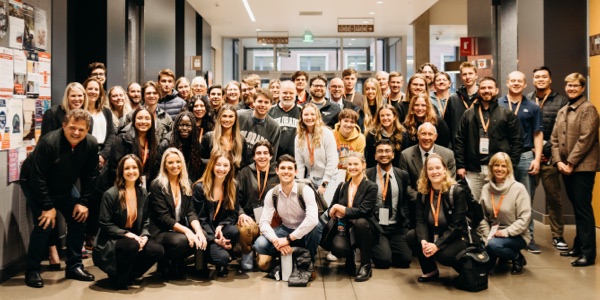
Parent Connection: A successful spring term – and opportunities ahead
Spring term is filled with brighter, warmer days, and many exciting projects reach fruition after two terms of hard work. We want to point out a few things to keep top-of-mind for the end of year one – internships and medium-term planning for the coming opportunities at the college.
January 24, 2024
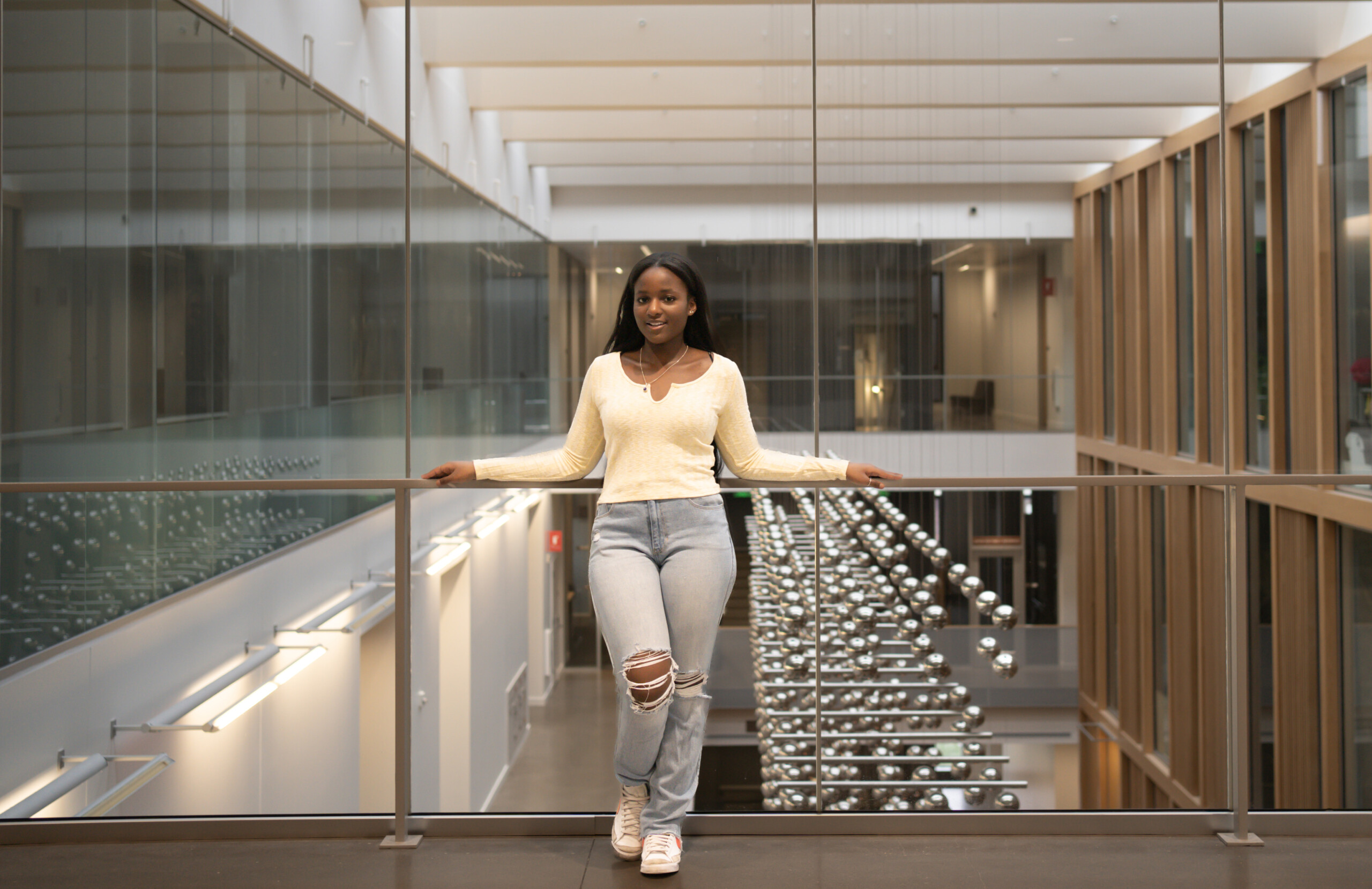
With choices across the country, OSU Presidential Scholar picks the College of Business
I really looked into the atmosphere of a school. A lot of the schools in big cities just felt a bit too overwhelming, and I knew that I did not want to go to a place where you can get lost in the crowd.

December 8, 2023
Building programs to fulfill a land grant mission
Prem Mathew grew up knowing the value of higher education. His parents, who graduated from high school but did not attend college, wove the message into their daily lives. The message resonated.

December 8, 2023
Community tax service boosted by million-plus grant
If you think tax season is busy; wait until you hear what the College of Business accounting program has targeted next: It’s an ambitious $1.61 million project – bringing free tax accounting services to communities across Oregon.

November 30, 2023
Be indispensable
Named one of Portland’s “40 under 40” in finance by the Portland Business Journal, Scott Christianson reflected on his road to success and the importance of giving back.
November 30, 2023
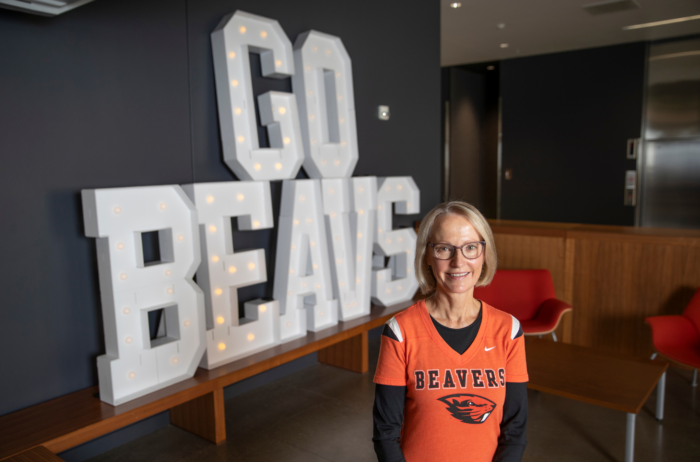
Setting students up for success
Anita Winn ‘79 wasn’t sure what she wanted to study when she arrived at Oregon State as a first- year student. Her epiphany came in class, when a buyer from Macy’s spoke about his career. Winn listened, and was sold.

November 30, 2023
Fall 2023: What’s been going on this term?
What's been going on this term? Plenty! Another best in class Career Fair – and much more. Here are some quick highlights for you to catch glimpse of a day in the life of your college student!


November 29, 2023
Campus Connection: Fall Term at the College of Business
Connecting you with the resources you need is part of what we do together to support your student. First up is a guide to the health and wellness services available to your student while at OSU. As well, we’re upping our links to our FERPA information to help you get familiar with the rights and privacy we grant every student.
October 5, 2023
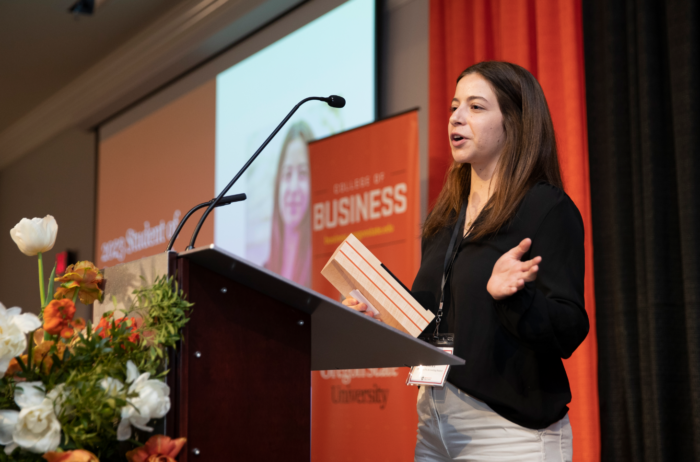
Kernutt Stokes and Moss Adams establish endowed accounting scholarships in the College of Business
The College of Business is grateful and excited to have received scholarship funds from two of our most valued industry partners.

October 3, 2023
Marneli Pascacio: Expressing her gratitude
Senior Marneli Pascacio says “¡Vamos Beavs!” and expresses her thanks for the scholarship that is helping fund her fall term in Spain.

October 3, 2023
Kelsey Landforce swapped C-suite aspirations with owning a business
After Kelsey Landforce became a mom, she wanted to design her own career. So she became a business owner.
September 29, 2023
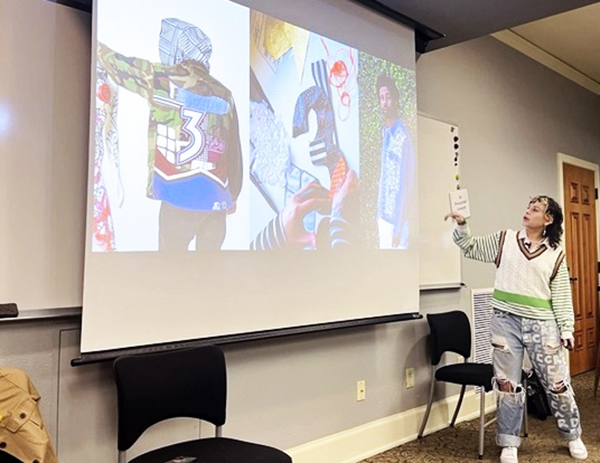
Striving for diversity in Portland’s creative business
In the summer of 2020, longtime Portland designer Audrey Desler was paying attention to promises creative, advertising and marketing agencies made to embrace diversity, equity and inclusion and create positive change.
July 26, 2023
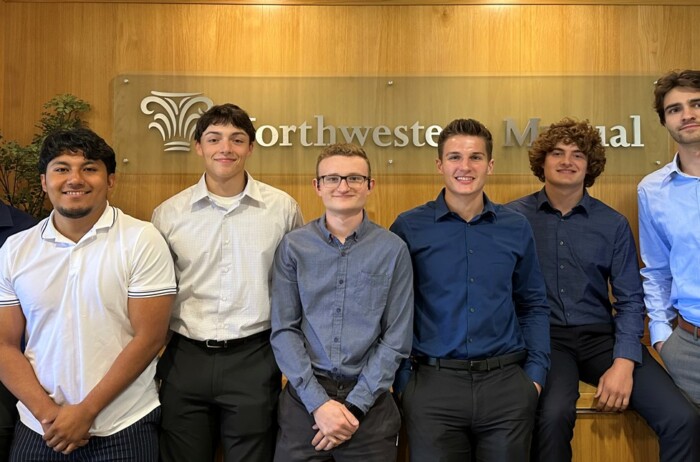
Hire an Intern, Celebrate National Intern Day
National Intern Day comes once a year – always the last Thursday in July – and this year we celebrate on July 27. At that moment, on that day, students across the country – not just our OSU College Business students! – have crossed the halfway point on a career-defining experience: their summer internship.
June 30, 2023
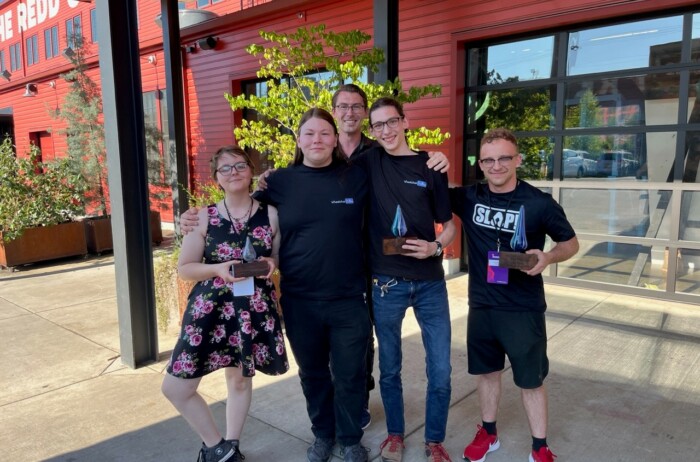
Launch Academy Earns Top Prizes at InventOR
The entrepreneurs from Launch Academy, the incubator program run through OSU’s InnovationX brought home top honors and prize money at the 2023 Invent Oregon Collegiate Challenge.

June 20, 2023
College of Business Celebration of Achievement 2023 – Dean Carroll Remarks
Something inspirational about the College of Business, and about higher education, is that we are all choosing to be here. We choose higher education because we are passionate about serving others and teaching students to do the same.

June 15, 2023
Mallory Strand: On the Importance of Trying Everything
"I am so thankful for the career-enriching opportunities to connect with industry professionals at Austin Hall – and beyond. I'm looking forward to bringing my merchandising expertise and management skills to this new opportunity. I am enthusiastic about participating and having a positive impact on the company and my community. I can't wait to see what the future holds!"

June 15, 2023
Trent Daiuto ’09, ’23 Adds MBA to his List of Accomplishments
After ten years in the U.S. Navy as an aviator and flight instructor and a career he describes as “progressively increasing responsibility and direct organizational leadership in the maintenance and management of multi-million dollar aircraft assets,” Daiuto turned to his graduate degree.

June 14, 2023
Becca Ziegler Curates a Portfolio of Experience, Opportunity
"I am most proud of all the opportunities that I have been able to take part in that have put me outside of my comfort zone. I've gotten to grow personally and professionally through taking on new experiences that challenged my normal."